




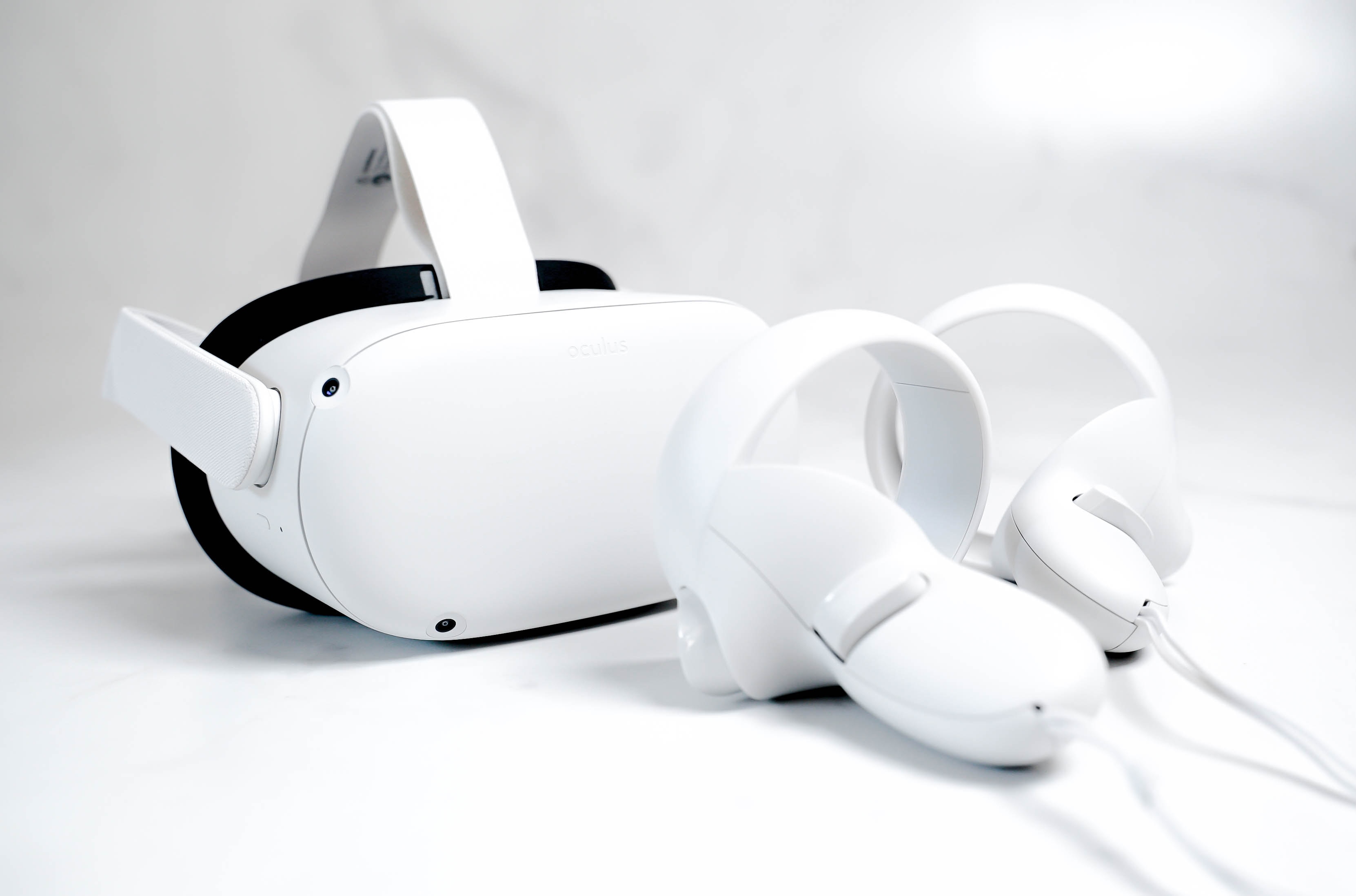
For most popular VR headsets, the answer to how long does it take for a VR headset to charge is between 1.5 and 2.5 hours, depending on the specific model and its included charger. The Meta Quest 3 and Quest 3S take approximately 2.5 hours to fully charge using the included 18W power adapter, while the Meta Quest 2 also takes about 2.5 hours with its included 10W adapter; the PlayStation VR2 Sense controllers charge fully in roughly 1.5 hours when the battery is completely drained.
Meta Quest charging times and indicators
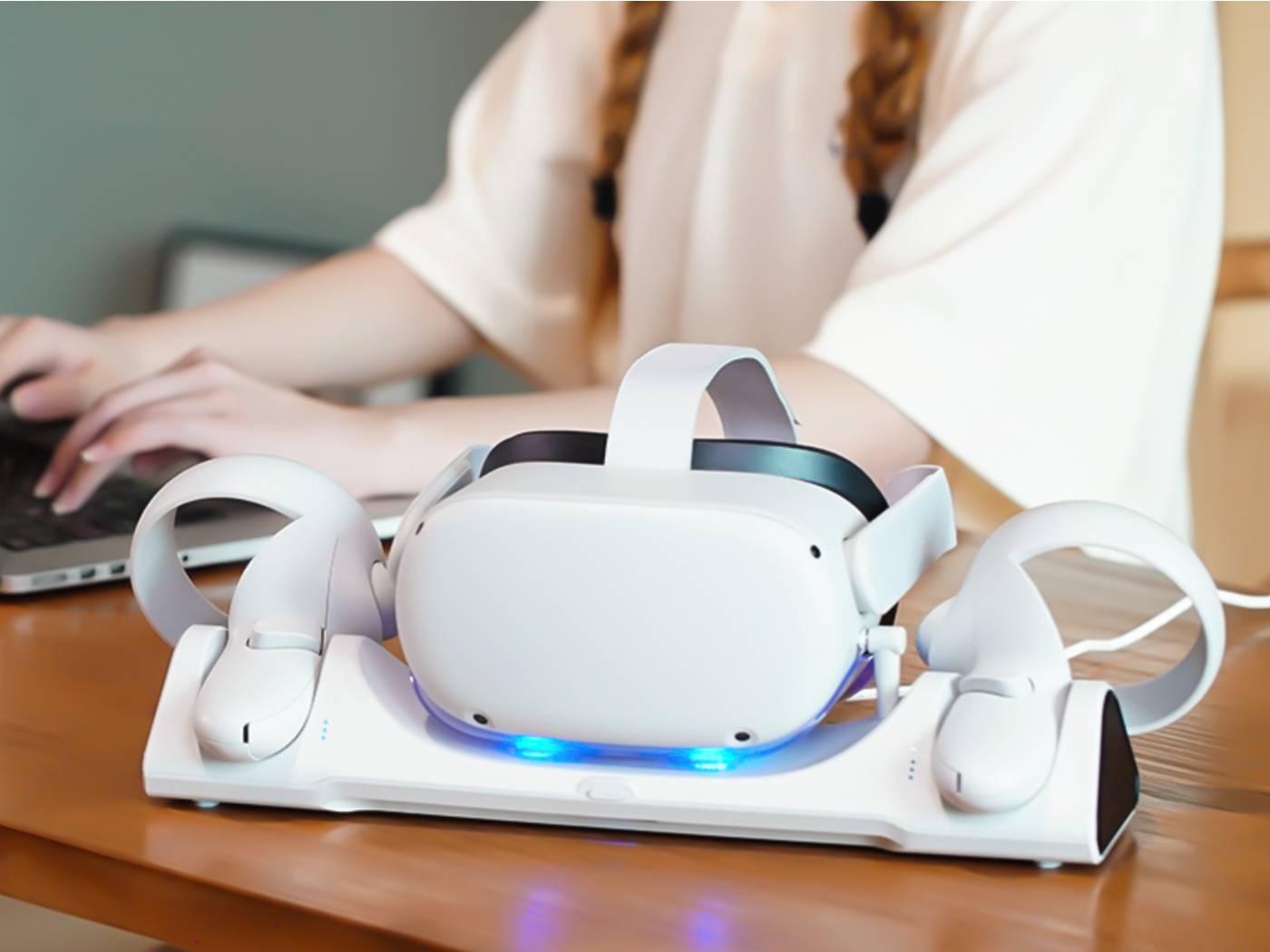
To charge a Meta Quest headset, plug one end of the USB-C charging cable into the power adapter, the other end into the USB-C port on the left side of the headset, and then plug the adapter into a wall outlet. While charging, an orange LED light on the headset indicates that the battery is actively charging. When the device is fully charged, this light turns green. For the Meta Quest 3, using a higher-wattage adapter, such as a 45W model, can slightly improve charging speed, though the standard 18W adapter remains the baseline.
How to charge your VR headset faster and safer
To minimize downtime and keep the charging process safe, follow these verified tips:
- Use the included adapter that came with your headset, as it is specifically designed for the device’s power requirements.
- Plug the headset directly into a wall outlet rather than a computer USB port or power bank, as wall outlets provide consistent, higher power output for faster charging.
- Charge your headset in a cool, well-ventilated area away from direct sunlight or heat sources; extreme temperatures can slow charging and degrade battery performance.
- Avoid using the headset while charging, as this diverts power to run the device and can cause the battery temperature to rise, further slowing the process.
- Unplug the headset once it is fully charged to prevent unnecessary strain on the battery, even though modern devices have overcharge protection.
Protecting your VR headset battery health
To extend the lifespan of your VR headset’s battery, Meta recommends using the device until the battery level drops below 50% before recharging. If you plan to store the headset for an extended period without use, keep it at approximately a 50% charge level. For optimal battery health, Meta recommends storing the headset at about 50% charge if not used for a long time. This practice helps maintain optimal battery chemistry and reduces long-term degradation. Additionally, periodically checking for firmware updates can improve charging efficiency and battery management.
Frequently asked questions about VR charging
Can I use my VR headset while it is charging?
It is not recommended. Using the headset while charging generates additional heat and can slow the charging process, as the device consumes power simultaneously. For fastest charging and best battery health, let the headset charge without use.
What should I do if my VR headset is charging slowly?
First, ensure you are using the original power adapter and cable. Try plugging directly into a wall outlet instead of a USB port. Check that the charging port is clean and free of debris. If the headset is hot, move it to a cooler location and let it cool before charging again. If the problem persists, consider a battery replacement if the battery has degraded over time.
Can I leave my VR headset plugged in overnight?
While most modern VR headsets have overcharge protection, it is still advisable to unplug the device once it reaches 100% to avoid unnecessary heat buildup and prolong overall battery lifespan. Leaving it plugged in for long periods may accelerate battery wear.
How long does the battery last on a typical VR headset?
Battery life varies by model and usage, but most VR headsets offer between 2 and 4 hours of continuous use on a full charge. Display brightness, active features, and the intensity of the VR experience can affect this duration.
Do I need to charge my VR controllers separately?
Yes, many VR systems have separate controllers with their own batteries. For example, PlayStation VR2 Sense controllers take about 1.5 hours to charge, while Valve Index controllers can be charged via a USB-C cable from a PC or wall adapter, but do not benefit from USB Power Delivery ports. HTC Vive Pro 2 controllers use a micro USB cable connected to a USB charger. HTC Vive XR Elite controllers have a battery life of up to 15 hours. Always refer to your specific controller’s manual for exact charging instructions.
Is it safe to use a third-party charger for my VR headset?
Using a charger not designed for your headset may provide incorrect voltage or current, leading to slower charging or potential damage. It is safest to use the included adapter or a charger specifically recommended by the manufacturer. When considering accessories, you might also check VR game average pricing (How Much Is A VR Game) to budget for additional purchases.
For the wider topic, see VR game average pricing.
Related reading: How Long Does It Take To Charge A Headset.