




To make your Android faster, start by restarting your phone to clear temporary files and RAM, then systematically free up storage and manage apps. These steps target the most common causes of slowdowns without requiring technical expertise.
Restart your phone to make your Android faster
Restarting clears temporary system files and refreshes RAM, often resolving minor performance issues immediately. On Pixel 5a and earlier, press and hold the Power button for about 30 seconds. On Pixel 6 and later, press and hold the Power button and Volume up button for a few seconds, then tap "Restart."
Keep your software and apps updated
System updates include performance improvements and bug fixes that can directly speed up your device. To check for updates, open Settings, tap System (or About phone), then Software update (or System update). App updates also bring performance enhancements. Open the Google Play Store, tap your profile icon, tap Manage apps & devices, then Update all.
Free up storage space
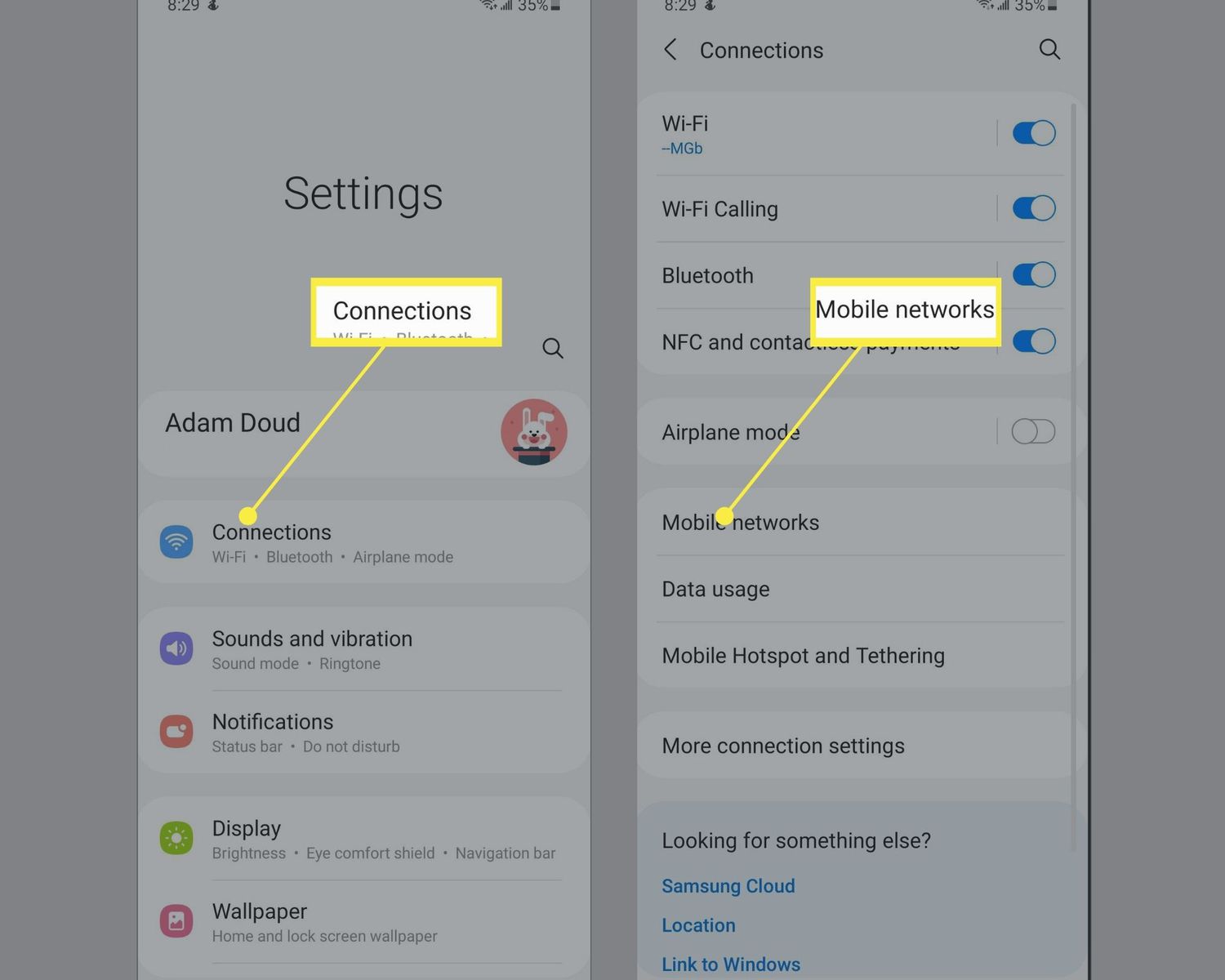
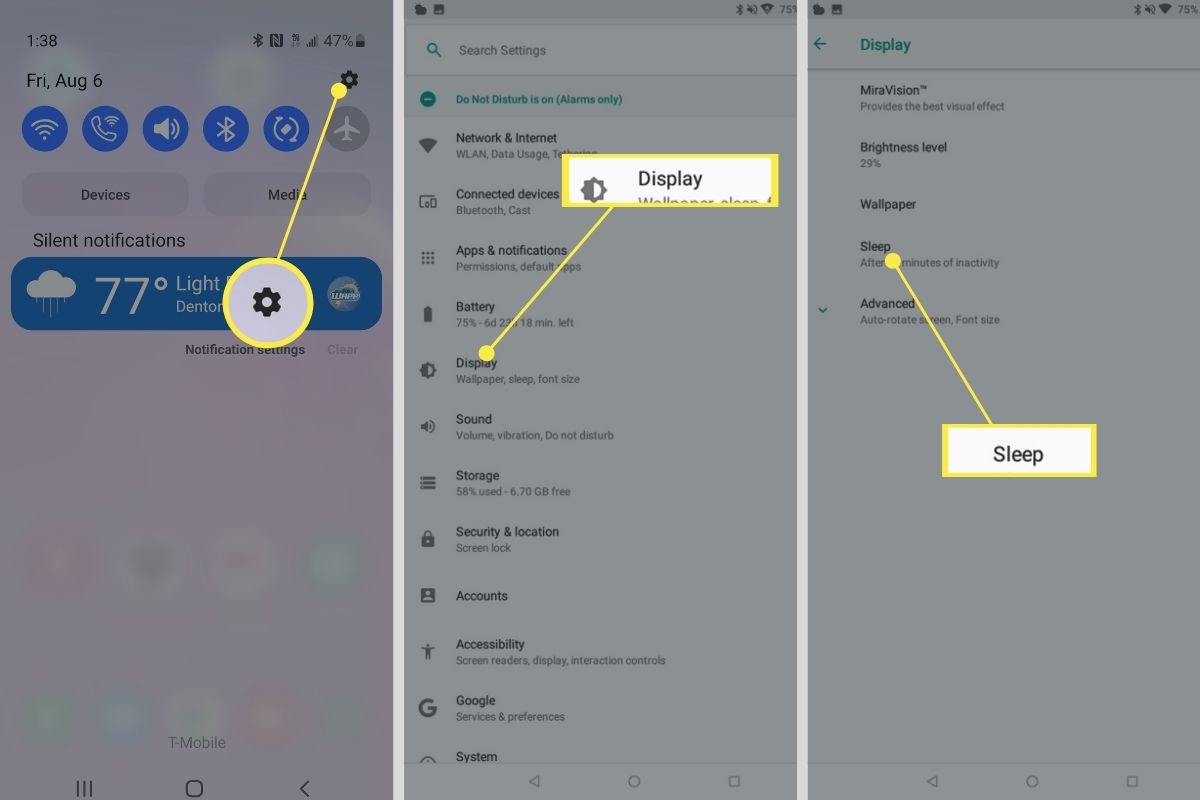
Android phones can slow down when less than 10% of storage is available. Freeing up phone storage space helps the system run more efficiently. Open Settings, tap Storage, then Free up space (on Samsung, go to Device care > Storage). Review and delete unused apps, large files, photos, and videos.
Clear individual app caches
Clearing cache removes temporary files that can cause lag or crashes for specific apps. Go to Settings, navigate to Apps (or Apps & notifications), tap See all apps, select the app, tap Storage & cache, then tap Clear cache. Avoid third-party cleaner apps, as clearing the system cache partition is not a primary troubleshooting step recommended by Google.
Uninstall or disable unused apps
Unused apps, including bloatware, consume RAM and battery by running background processes. To uninstall from the Home screen, long-press the app icon. Alternatively, go to Settings > Apps > See all apps, select the app, then tap Uninstall (or Disable for pre-installed apps).
Reduce or turn off animations
Reducing animation scales makes the interface feel snappier. First, enable Developer options by going to Settings > About phone and tapping Build number seven times. Then go to Settings > System > Developer options and change Window animation scale, Transition animation scale, and Animator duration scale to ".5x" or "Off." Alternatively, go to Settings > Accessibility > Text and visualization (or Visual Enhancements) and look for Remove animations or Reduce movement.
Limit background processes
On devices with 4GB or less RAM, limiting background processes frees up resources. In Settings > System > Developer options, tap Background process limit and choose a lower limit such as "At most 2 processes" or "At most 3 processes."
Disable live wallpapers
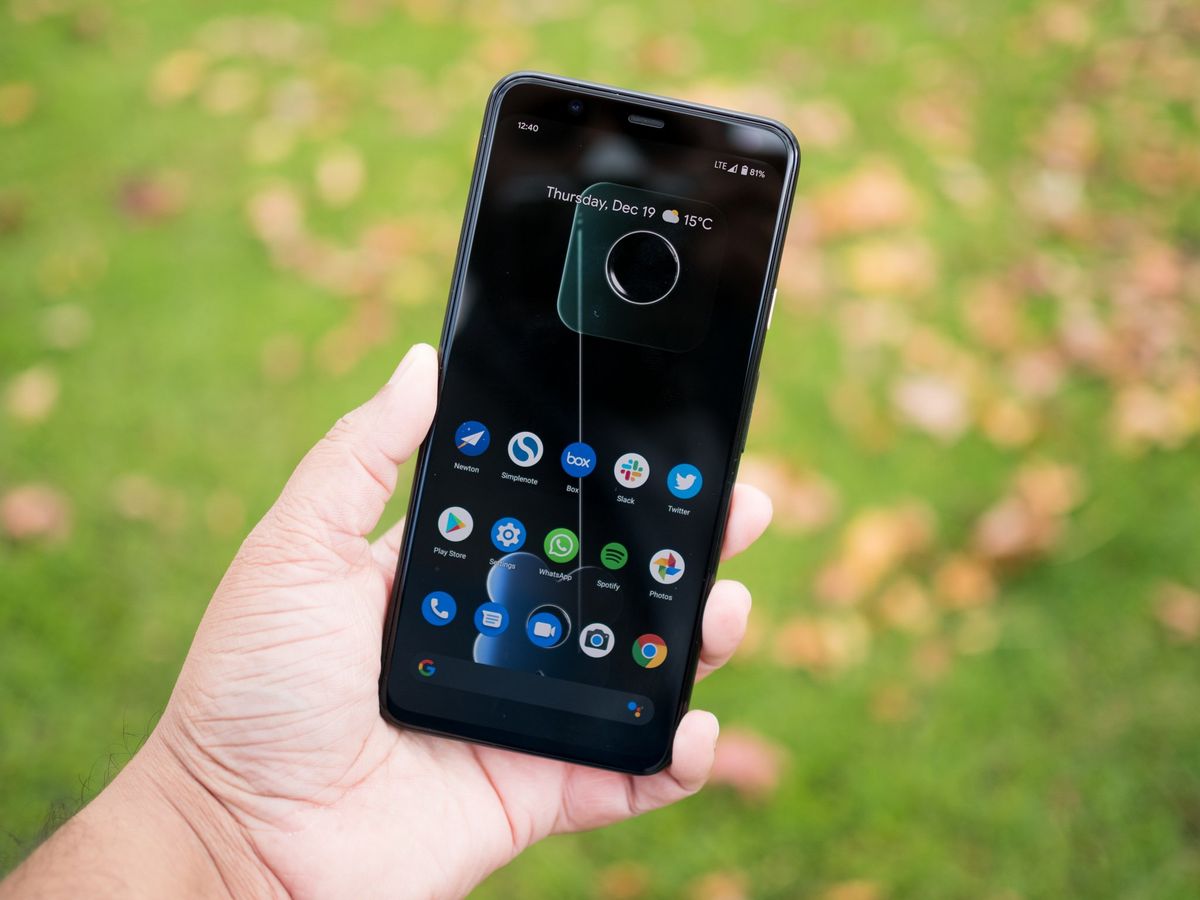
Live wallpapers consume more system resources and battery than static wallpapers, potentially slowing down the device. Switch to a static wallpaper to save resources.
Use a lightweight launcher
Replacing the default home screen launcher with a lightweight alternative improves responsiveness. Lightweight launchers use minimal system resources and offer faster app launch times and smoother scrolling.
Diagnose app problems with safe mode
If your phone feels slow, restart in Safe Mode to check if a third-party app is the cause. To identify if a third-party app is causing slowdowns, restart your phone in Safe Mode. If the phone runs faster, uninstall recently installed apps one by one, restarting after each removal, until the issue is resolved.
Factory reset as a last resort
A factory reset wipes all data and settings, returning the phone to its original state. Use this only after trying all other steps. Always back up important data before performing a factory reset.
Frequently Asked Questions
Why is my Android phone slow even after clearing cache?
Clearing cache helps but may not address issues like insufficient storage, too many background processes, or outdated software. Try the other steps in order, especially freeing up storage and updating apps.
Will a factory reset delete my photos and contacts?
Yes, a factory reset erases all data on the phone. Back up photos, contacts, and other important files to Google Drive, a computer, or another cloud service before resetting.
How often should I restart my Android phone?
Restarting once a week can help clear temporary files and refresh system resources. If you notice slowdowns, restarting more frequently may help.
Can too many widgets slow down my phone?
Yes, widgets that update frequently (like weather or news widgets) consume RAM and CPU. Removing unused widgets can improve performance.
Does disabling animations save battery?
Disabling or reducing animations has a minimal effect on battery life but makes the phone feel faster and more responsive.