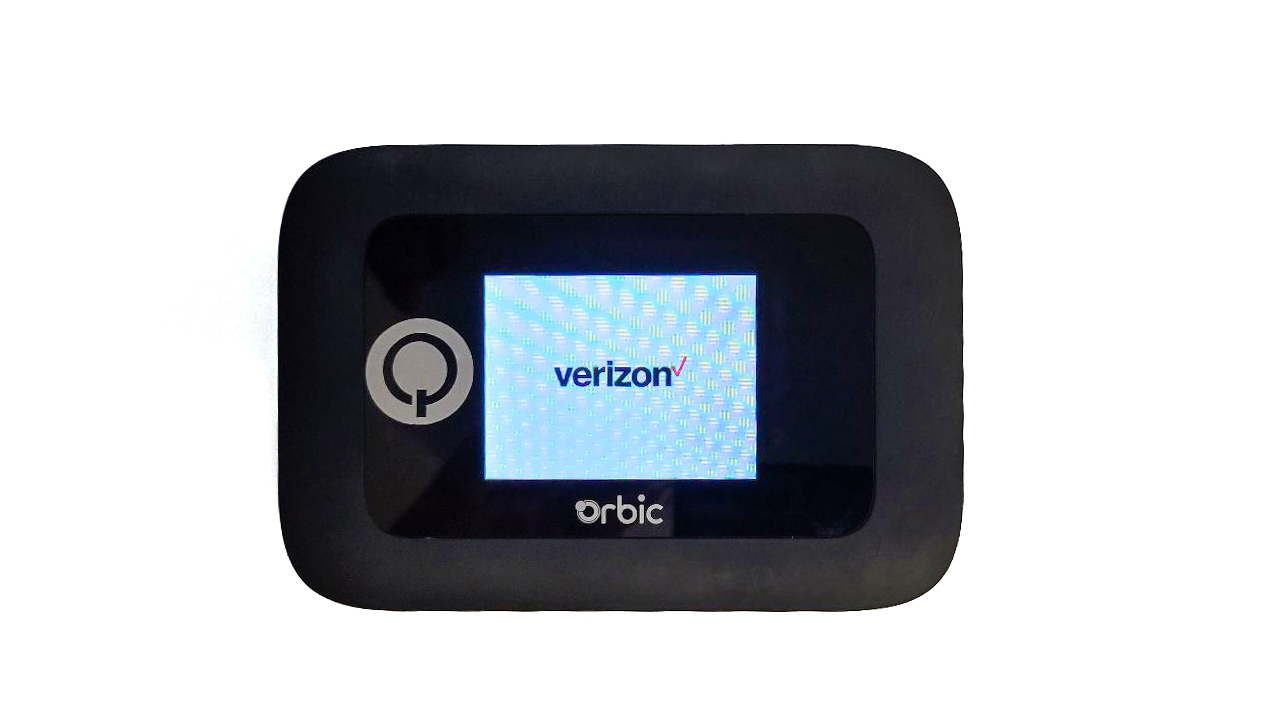




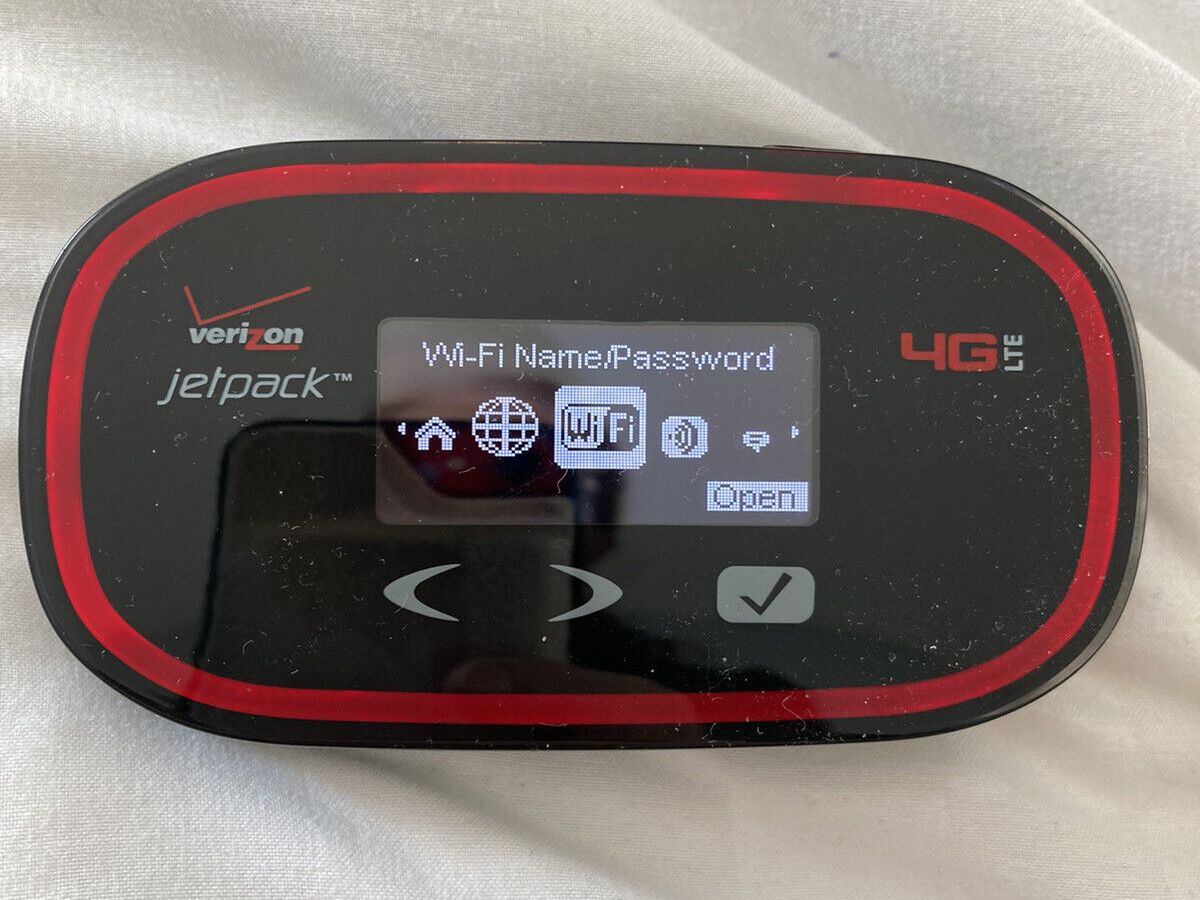
A Verizon hotspot works by sharing your phone's cellular data connection, or the data connection of a dedicated device like a Jetpack or MiFi, as a Wi-Fi network that other devices can join, and it comes in two main forms: the built-in hotspot feature on your smartphone or tablet, and a separate hotspot device that connects to the Verizon network. In short, how does a hotspot work on Verizon is that it turns one cellular data connection into a private Wi-Fi signal for your laptop, tablet, or other gadgets wherever Verizon service is available.
How to turn on your Verizon mobile hotspot
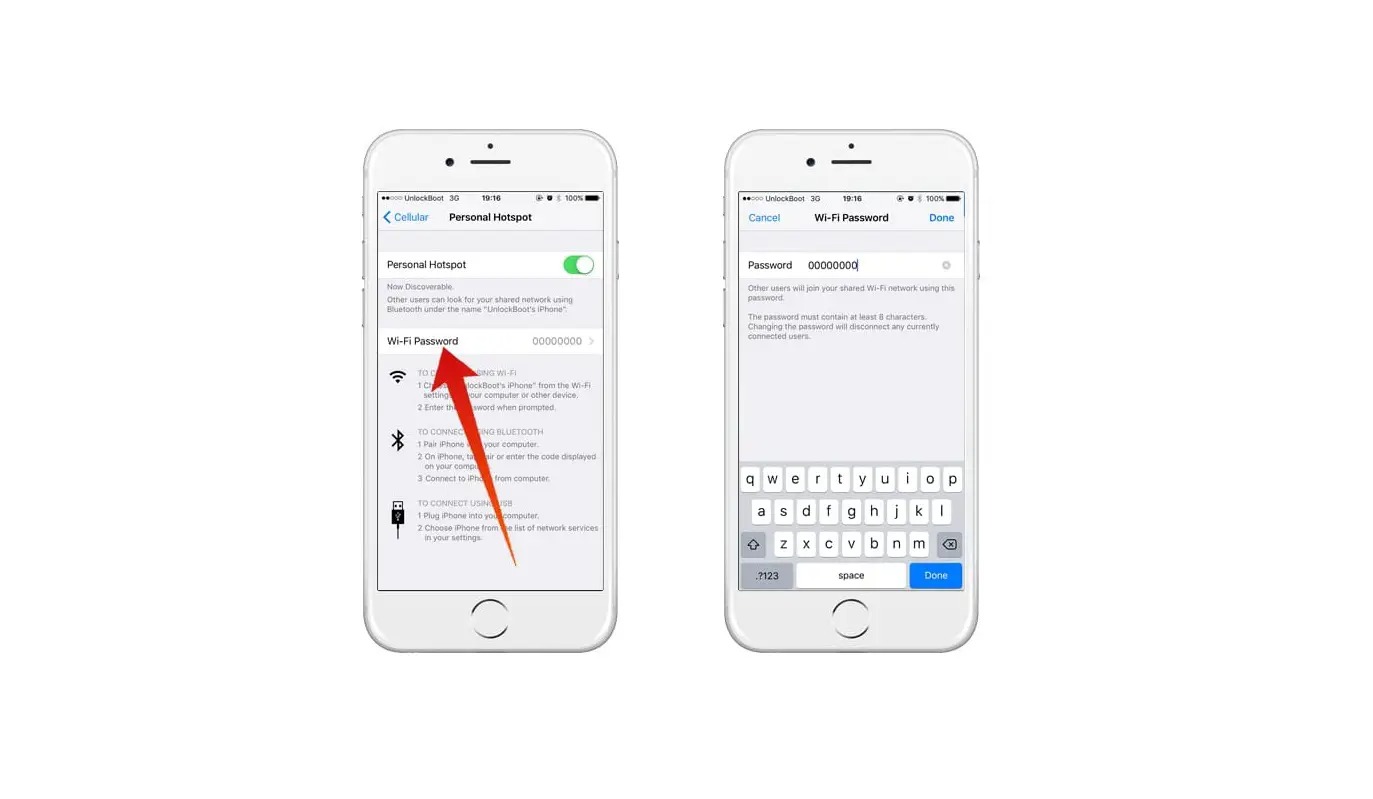
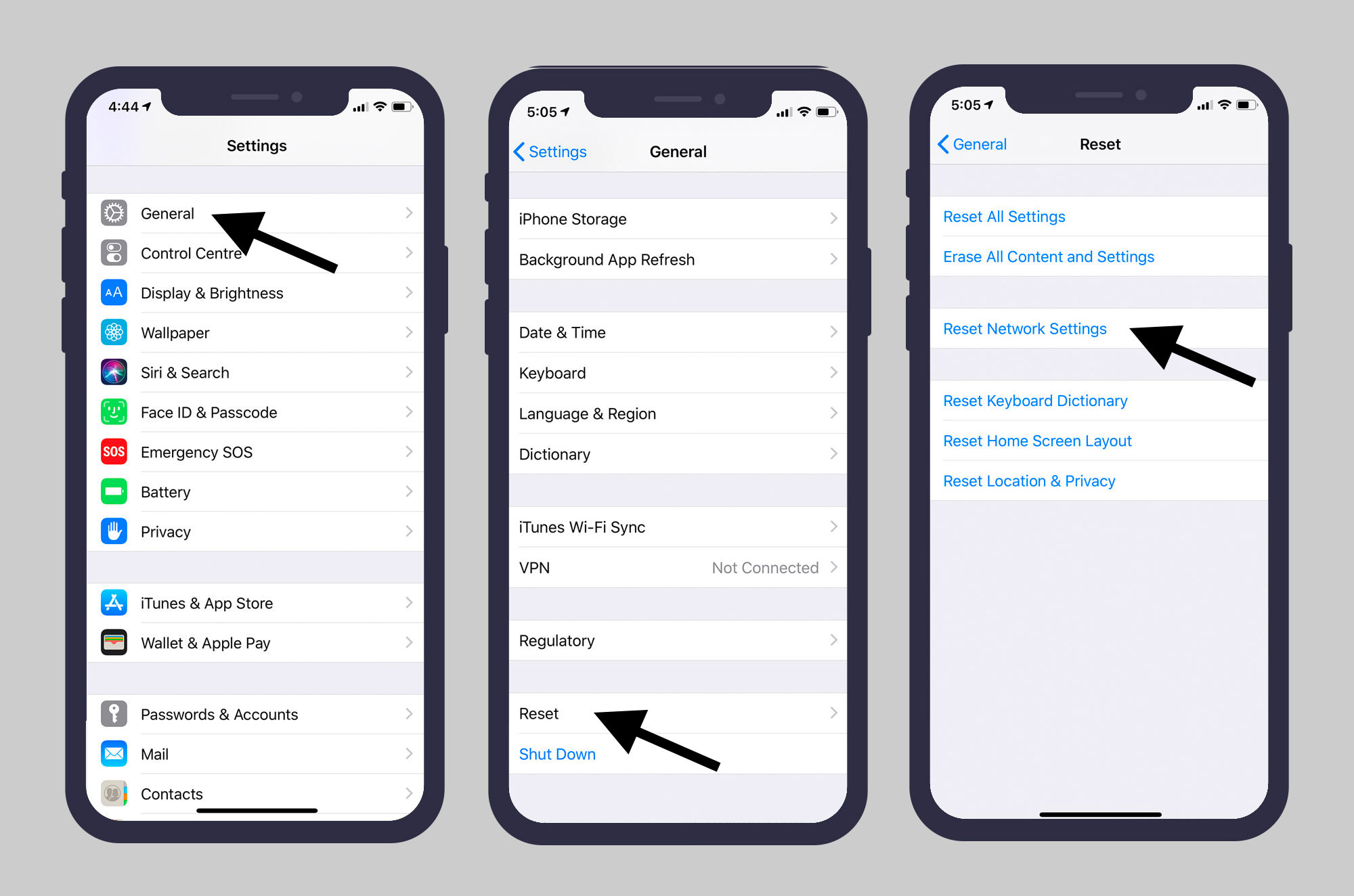
Turning on the built-in hotspot feature is done in your phone's settings, and Verizon calls it "Mobile Hotspot" on many devices, though the name can vary. On an iPhone, Verizon says to go to Settings > Personal Hotspot, and you may also need to go to Settings > Cellular and use the Personal Hotspot slider, then turn on Allow Others to Join so other devices can connect. On an Android phone, Verizon says to open Settings > Network & Internet > Hotspot & Tethering, though some Android phones use a Manage Connections option or a Mobile Hotspot icon in Settings.
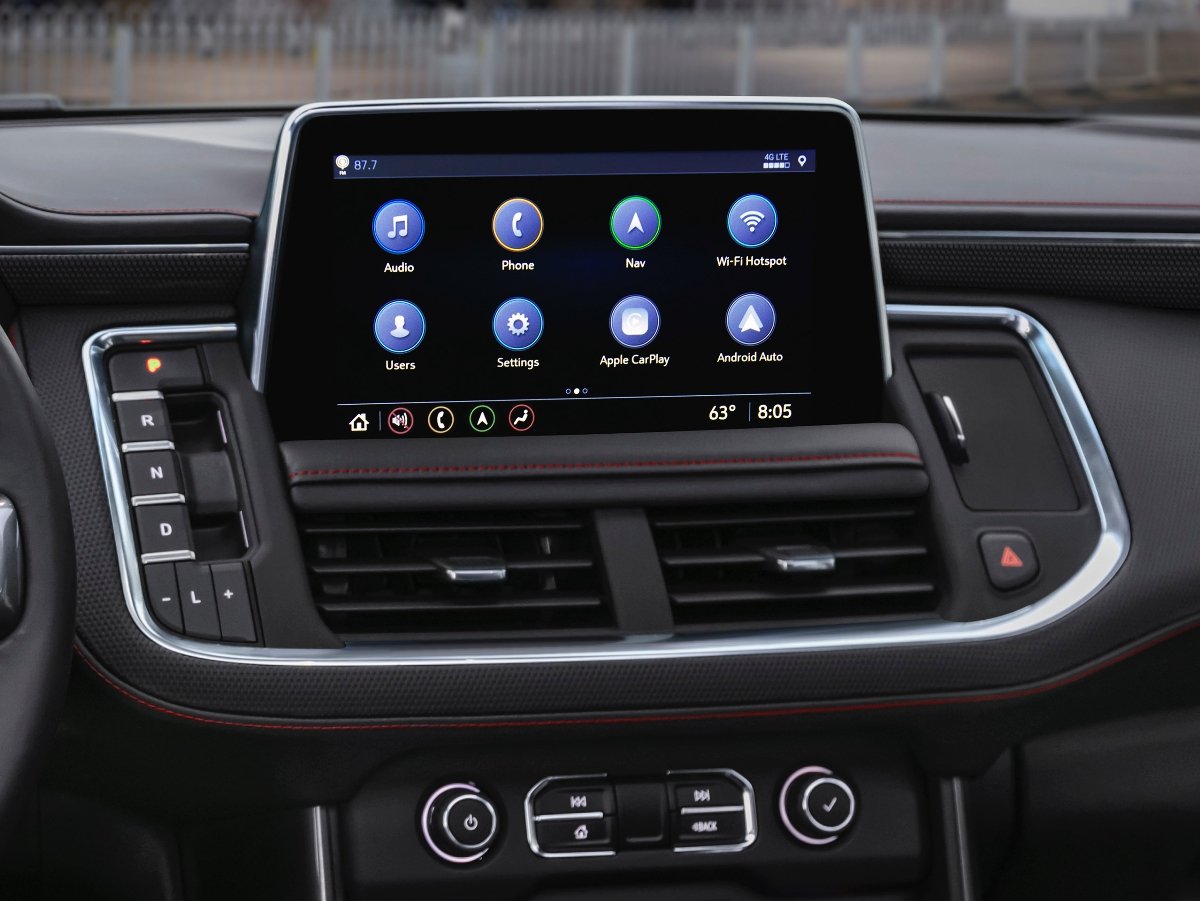
Verizon also notes that the hotspot feature may be accessed in the phone's Settings or App menu, and it comes preinstalled on compatible devices. That means you do not need a separate app to get personal hotspot working on a supported phone, the feature is already built in. On older devices, compatibility is not universal, so you should check the User Guide on the device's Device Support page to confirm the hotspot feature is available.
Verizon hotspot data limits and speed throttling
Verizon's plans limit hotspot usage by data amount, not by the number of connected devices, and exceeding those limits reduces your speeds for the rest of the billing cycle. The specific limits vary by plan, and Verizon documents several current thresholds:
- Some plans reduce hotspot data speeds to up to 6 Mbps after 200 GB/mo of 5G Ultra Wideband, 5G, or 4G LTE mobile hotspot data.
- Some plans reduce hotspot data speeds to up to 3 Mbps on 5G Ultra Wideband and 600 Kbps on 5G/4G LTE after 30 GB/mo of hotspot data.
- Some plans reduce hotspot data to up to 1 Mbps after 15 GB/mo on the Unlimited plan and after 100 GB/mo on the Unlimited Plus plan.
- Verizon's Mobile Hotspot perk FAQ says eligible unlimited-plan customers can buy unlimited data for Mobile Hotspot use as a monthly perk, and after 200 GB hotspot speeds drop to up to 4 Mbps on 5G Ultra Wideband and 600 Kbps on 5G or 4G LTE for the rest of the billing cycle.
These limits apply to the hotspot data itself, so heavy streaming or large downloads can quickly push you toward the cap and trigger the slower speeds.
Built-in hotspot vs. dedicated Verizon devices
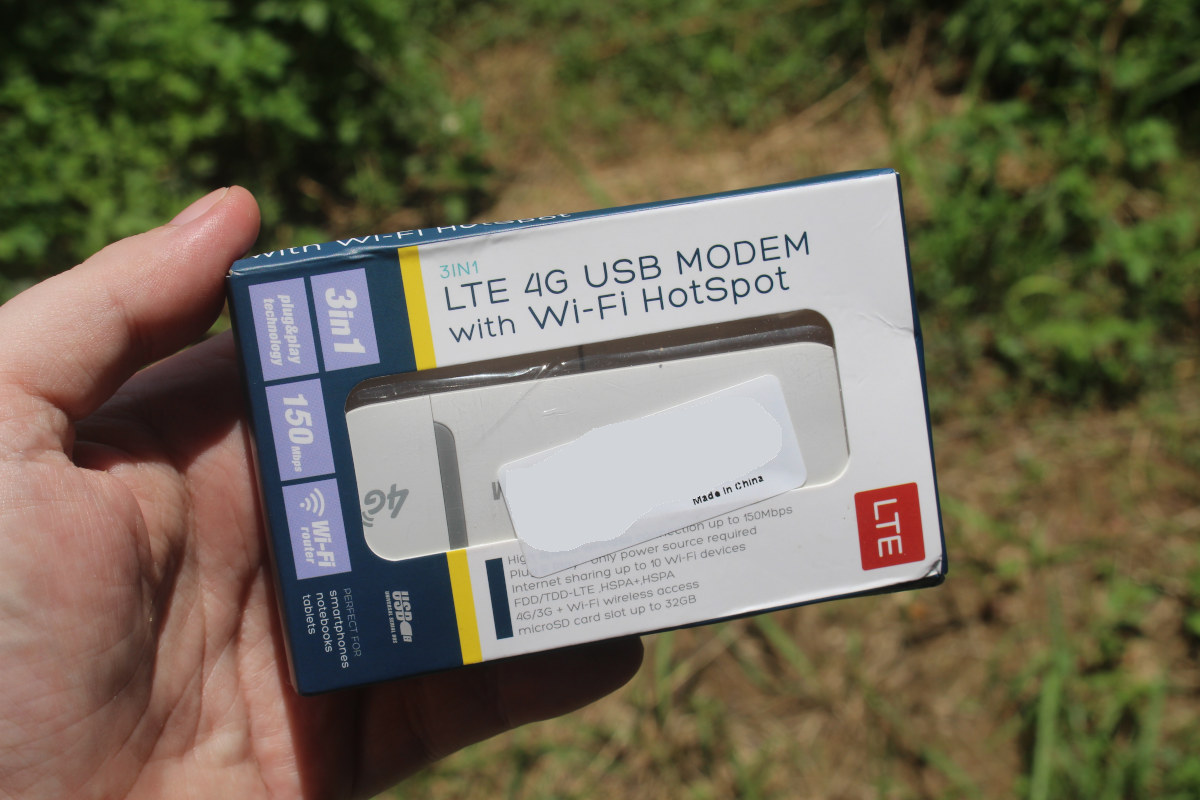
There are two ways to get a Verizon hotspot: use the feature already built into your smartphone or tablet, or buy a separate dedicated hotspot device. The built-in feature is available on all currently available smartphones and basic phones, and it lets you share your phone's existing cellular data connection with other Wi-Fi devices without needing any extra hardware. Verizon says the built-in feature is also available on older devices only if the user guide on the device support page says it is compatible.
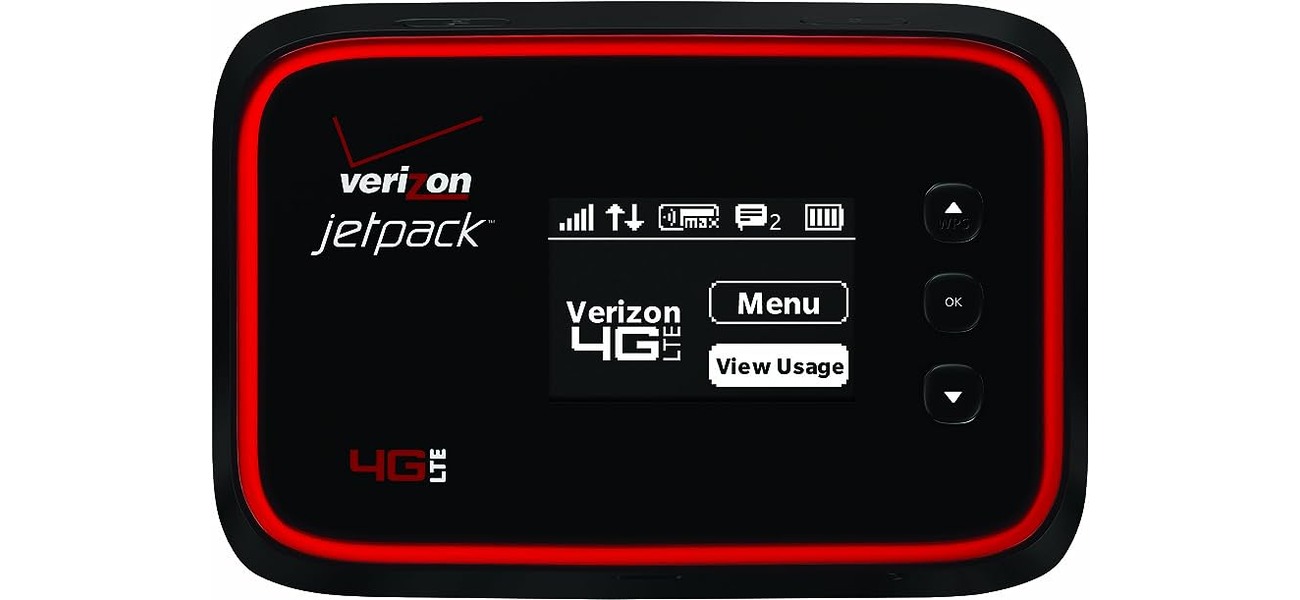
A dedicated hotspot device, such as a Verizon Jetpack or Inseego MiFi, is a separate piece of hardware that connects to the Verizon network and creates its own Wi-Fi network for your devices. The practical benefit of the built-in feature is that you can share one cellular connection with Wi-Fi devices without carrying a separate hotspot device when your phone supports it, while a dedicated device can be useful if you want a connection that does not drain your phone's battery or if you need a more permanent setup.
Frequently Asked Questions
Do I need a separate app to use a Verizon hotspot?
No. Verizon says the hotspot feature is built into compatible devices and does not need a separate app on supported phones. You access it through the phone's Settings or App menu, where it comes preinstalled.
Why does my hotspot have a different name on my phone?
Verizon says hotspot names vary by device, but the function is the same. The built-in feature may appear as "Mobile Hotspot," "Personal Hotspot" on iPhone, or "Portable Wi-Fi Hotspot" on some Google devices, even though they all do the same thing.
Can I use my Verizon hotspot while traveling outside the U.S.?
Verizon's hotspot feature works wherever Verizon service is available, but international use depends on your plan and roaming agreements. Check your specific plan details for international hotspot coverage and any additional data limits that may apply.
Does using a Verizon hotspot slow down my phone's data?
No. The hotspot uses a separate data allowance from your phone's own cellular data on many plans, so using the hotspot does not directly slow down your phone. However, both your phone and connected devices share the same cellular connection, so heavy hotspot usage can affect overall speeds on that connection.