



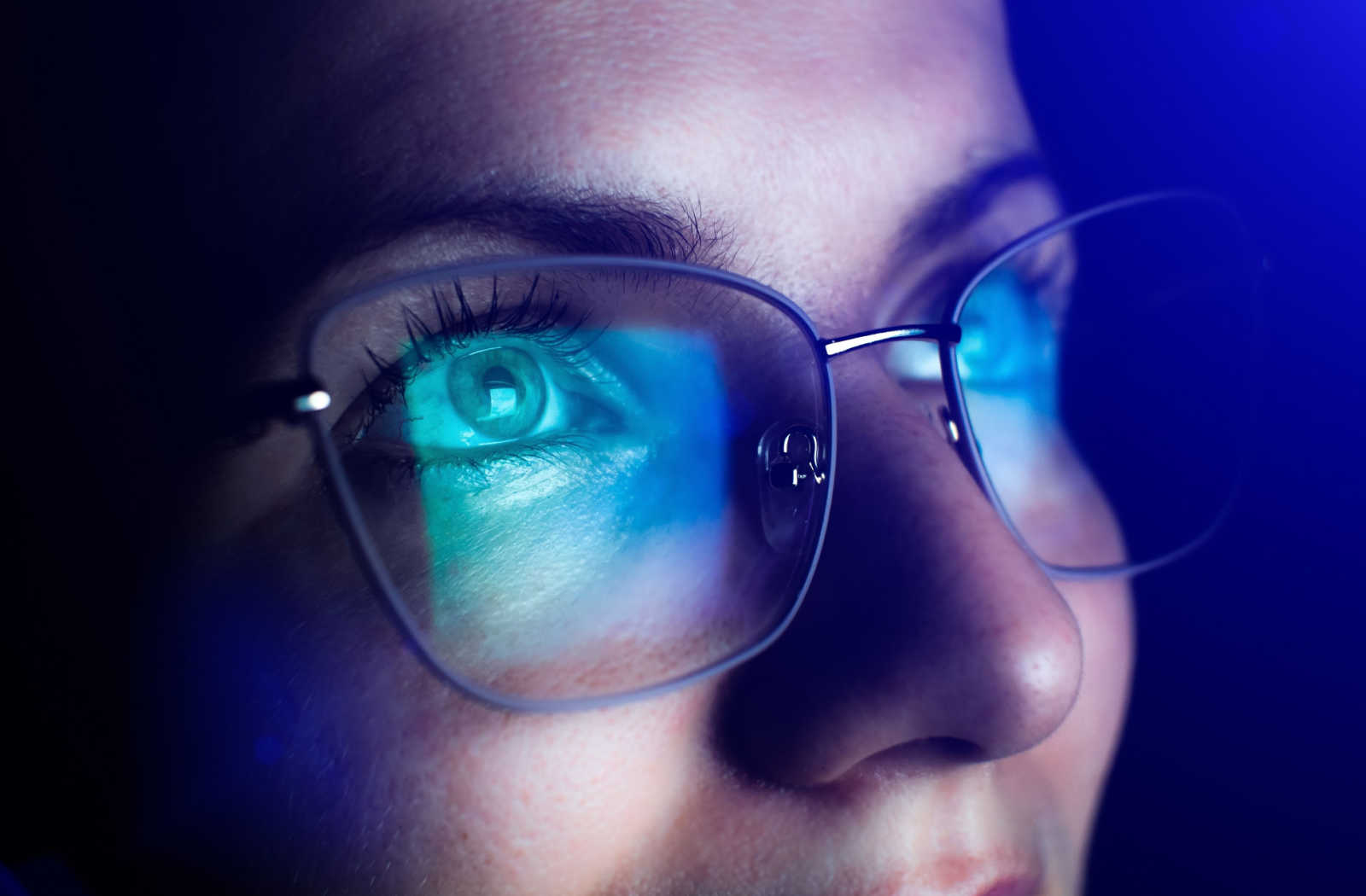
There is no official maximum wear time for blue light glasses, and you can safely wear them all day based on your comfort. The question of how long can you wear blue light glasses has a straightforward answer: there is no medical or safety limit that restricts their use to a specific number of hours.
How long can you wear blue light glasses?
Blue light glasses can be worn continuously for as long as you are in front of a screen or exposed to artificial lighting. No official source, medical, manufacturer, or otherwise, documents a maximum daily wear limit or a required break period for the glasses themselves. The only constraints are personal comfort and the physical fit of the frames.
What official sources actually say
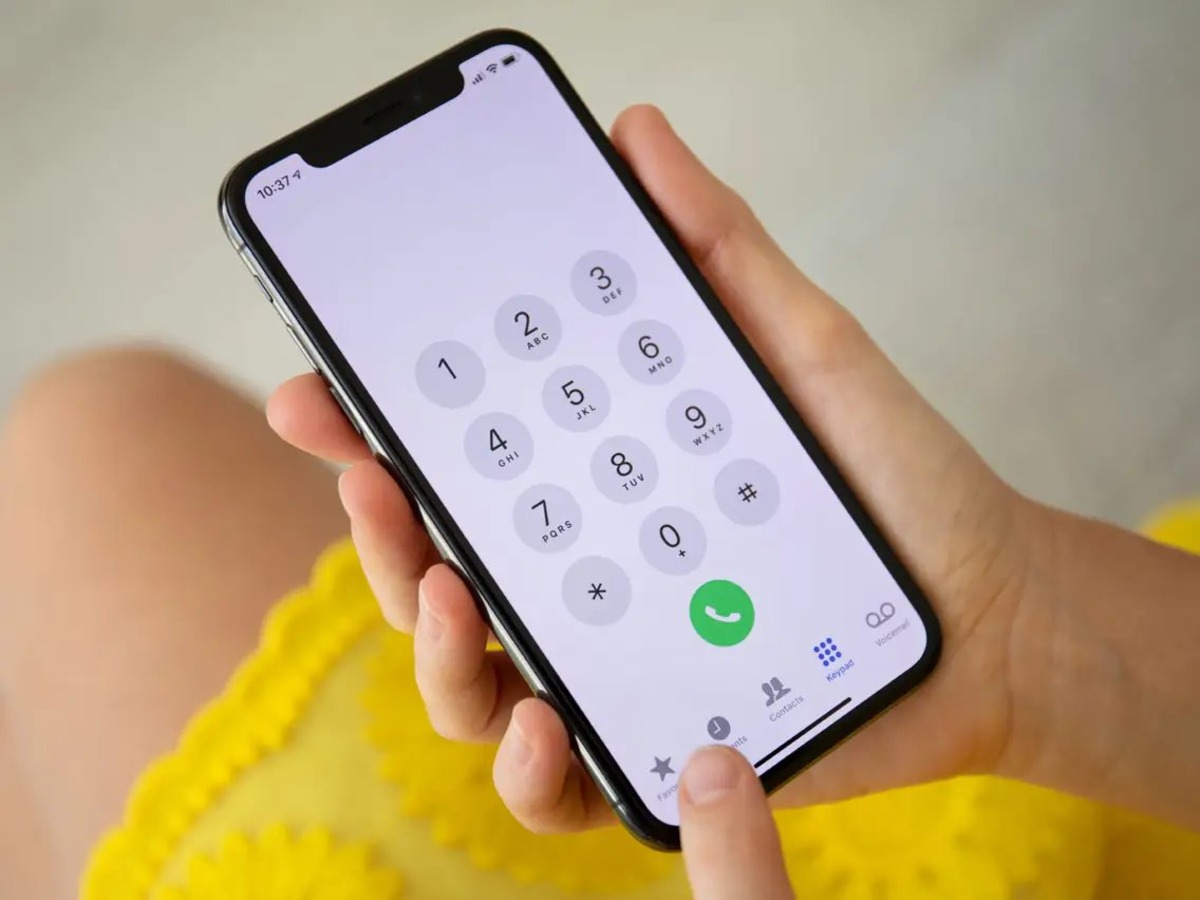
Apple and Samsung, the two largest smartphone manufacturers, document only screen-based blue light reduction features, not guidance for blue light glasses. Apple's iPhone includes Night Shift, found in Settings > Display & Brightness > Night Shift, which can be set to Scheduled (using Sunset to Sunrise or a custom From/To schedule), Manually Enable Until Tomorrow, and includes a Color Temperature slider. Night Shift is available on iOS 9.3 or later. Samsung phones offer a Blue light filter in Settings > Display, which includes an Opacity adjustment bar and schedule options such as Sunset to sunrise or a Custom schedule. For older Samsung Galaxy J-series documentation, the path is Apps screen > Settings > Display > Blue Light Filter. Samsung also provides a Quick Panel toggle by swiping down from the top of the screen with two fingers. None of these pages mention a maximum duration for wearing blue light glasses; they only document display-filter settings and their automatic schedules.
The only real limits on wearing blue light glasses
The practical limits on wearing blue light glasses are not medical or safety-based. They include physical comfort, such as pressure on the nose bridge or temples after extended wear, frame fit, and personal preference. Some people find they only need the glasses during screen time, while others prefer to wear them all day. If you use wearables and fitness apps to track sleep or screen time, you might notice that wearing blue light glasses in the evening helps your sleep metrics, but this is a lifestyle choice, not a requirement. There is no evidence that wearing them beyond a certain point reduces their effectiveness or harms your eyes.
Frequently Asked Questions
Can you wear blue light glasses all day?
Yes, you can wear blue light glasses all day. No official source sets a maximum wear time, and many people wear them from morning to night without issue. The only consideration is comfort, if the frames cause pressure or headaches, take a break.
Can you wear blue light glasses while driving?
Yes, you can wear blue light glasses while driving, but they are designed primarily for digital screens. If the lenses have a strong yellow or amber tint, they may alter color perception, which could be a concern for night driving. Clear-lens blue light glasses pose no driving issue.
Can blue light glasses help with sleep?
Wearing blue light glasses in the evening can help by reducing blue light exposure that suppresses melatonin production. This may make it easier to fall asleep, but the effect varies by individual. They are not a substitute for good sleep hygiene.
Can children wear blue light glasses?
Children can wear blue light glasses if they spend significant time on devices. Ensure the frames fit properly and comfortably. There are no age-based restrictions documented in any official source.
Do blue light glasses lose effectiveness over time?
Blue light glasses do not lose their filtering ability from normal wear. The lenses may scratch or degrade with rough handling, but the blue light blocking property itself remains stable for the life of the lens coating.
For the wider topic, see wearables and fitness apps.