




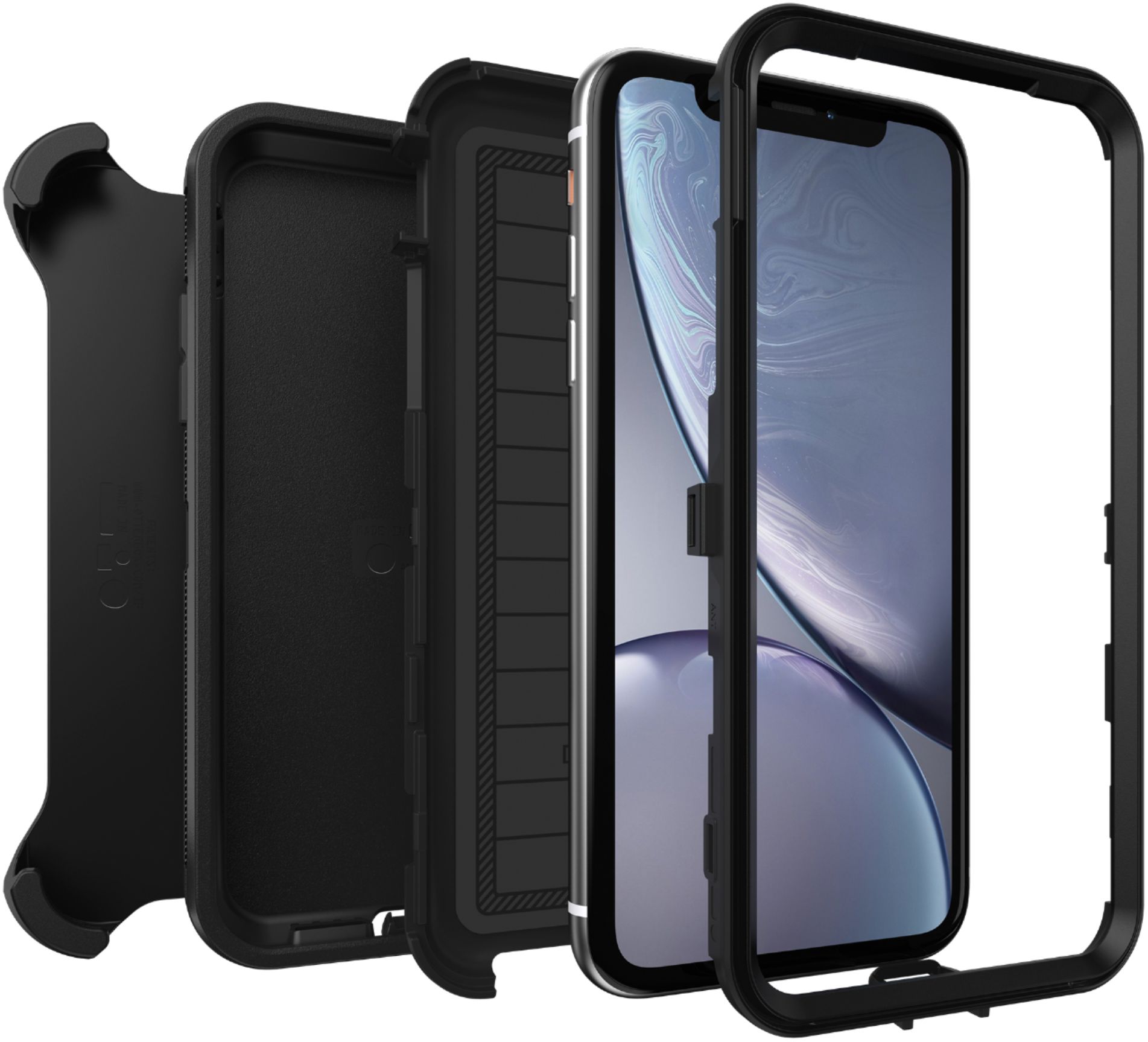
To remove an OtterBox Defender screen protector, you must first fully disassemble the case because the protector is built into the inner plastic frame, not applied directly to your phone's screen. This means you cannot simply peel the protector off your device; instead, you need to separate the Defender's outer silicone layer and inner shell before you can lift the built-in protector from the frame.
How to remove OtterBox defender screen protector: what you need to know
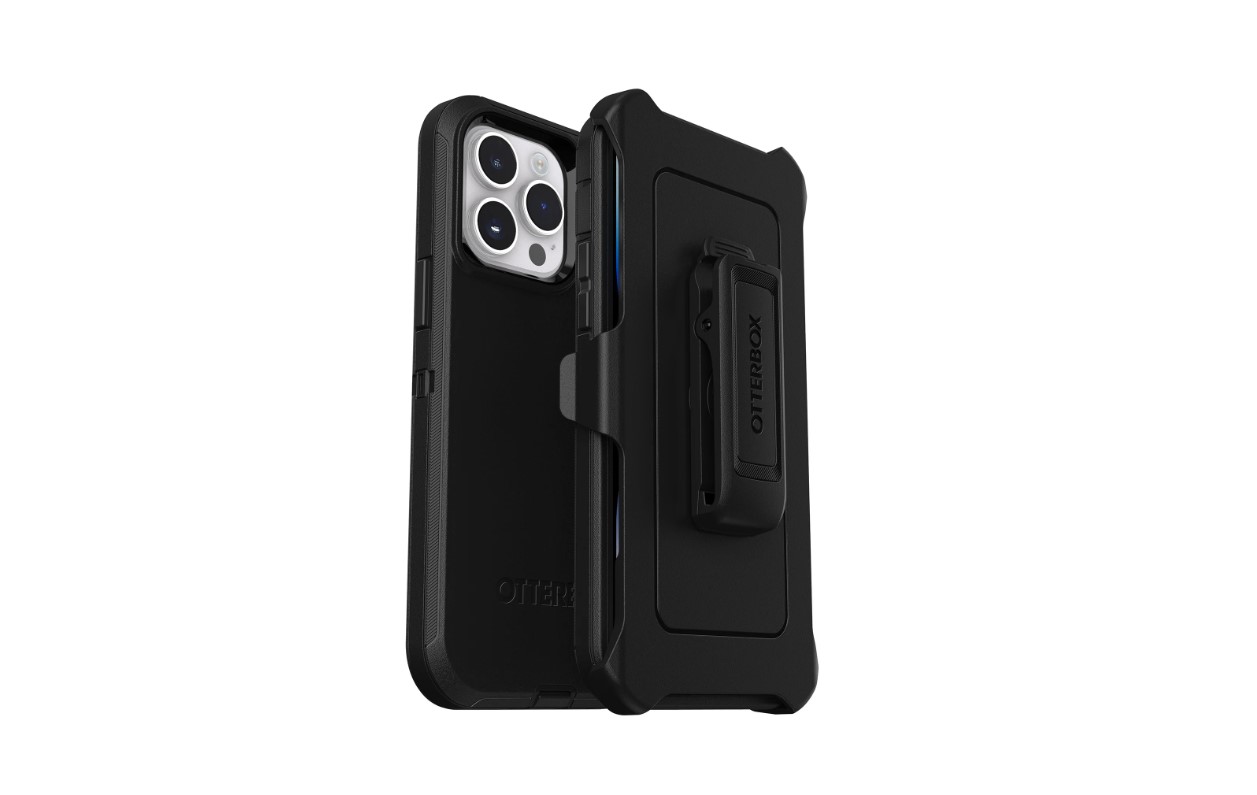
The OtterBox Defender Series case uses a two-layer design: a soft outer silicone shell and a hard inner plastic frame. The screen protector is permanently bonded to that inner frame, so the entire case must come off your phone before you can address the protector. Attempting to pry the protector off while the case is still on the device risks scratching your phone's actual screen or damaging the case clips. Full disassembly is required, and the process is the same regardless of your iPhone or Android model.
Step 1: remove the outer silicone layer
- Hold the Defender case with the phone's screen facing you.
- Locate the seam around the edge of the screen where the silicone meets the inner plastic frame.
- Starting at the bottom edge, insert your fingertip into the seam and gently peel the silicone outward. Work your way around the entire perimeter until the outer layer is completely separated from the inner frame.
- Set the silicone shell aside.
Step 2: unclip the inner plastic shell
- With the silicone removed, you will see the hard plastic inner shell that holds the phone. This shell is held together by clips or tabs at each corner and along the edges.
- Press inward on one corner tab to release it, then move to the opposite corner. Continue releasing each tab around the shell.
- Once all tabs are free, gently pry the two halves of the inner shell apart. The phone will lift out of the front half of the case.
- Remove the phone and set it aside on a clean, flat surface.
Step 3: lift and peel off the screen protector
- Take the empty inner frame (the front half of the shell that contains the built-in screen protector).
- Insert the edge of a plastic card, such as a credit card or a dedicated pry tool, under one corner of the protector.
- Gently lift the corner, then slide the card along the edge to break the adhesive bond. Work slowly around the entire perimeter.
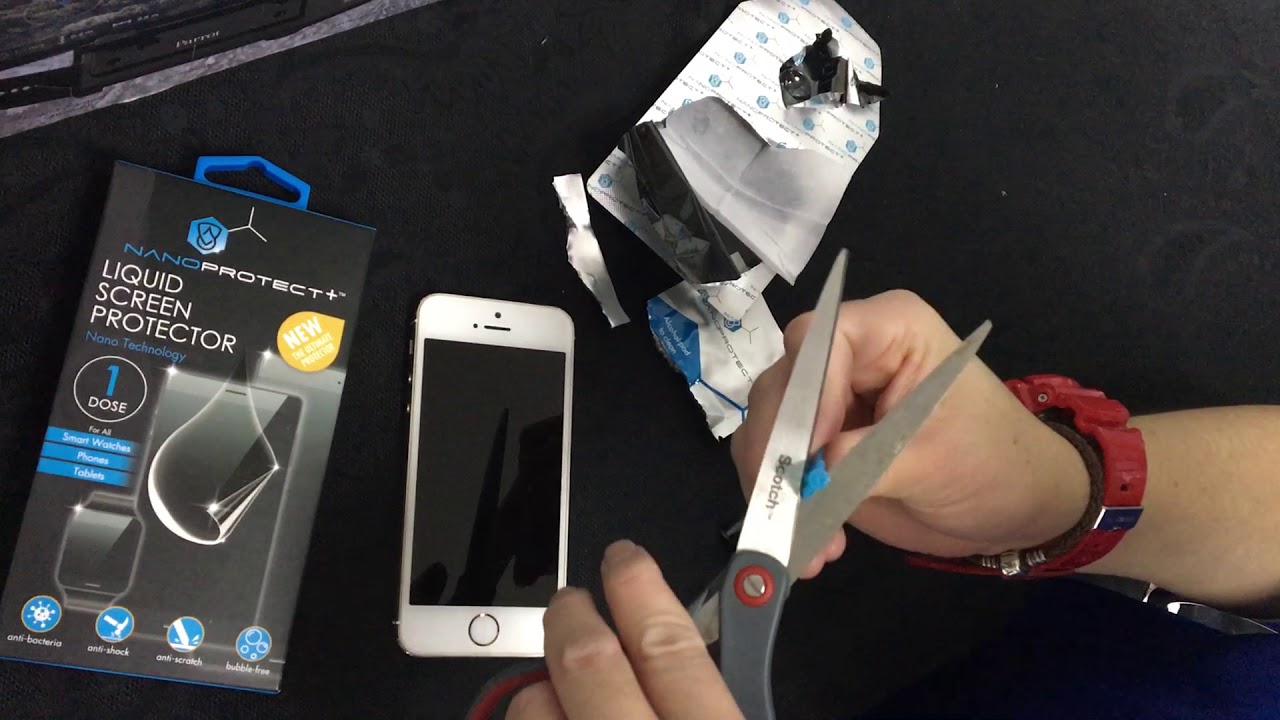
- Use a piece of scotch tape to help lift the protector off the screen if needed: press the tape firmly onto a lifted corner, then pull the tape to peel the protector away.
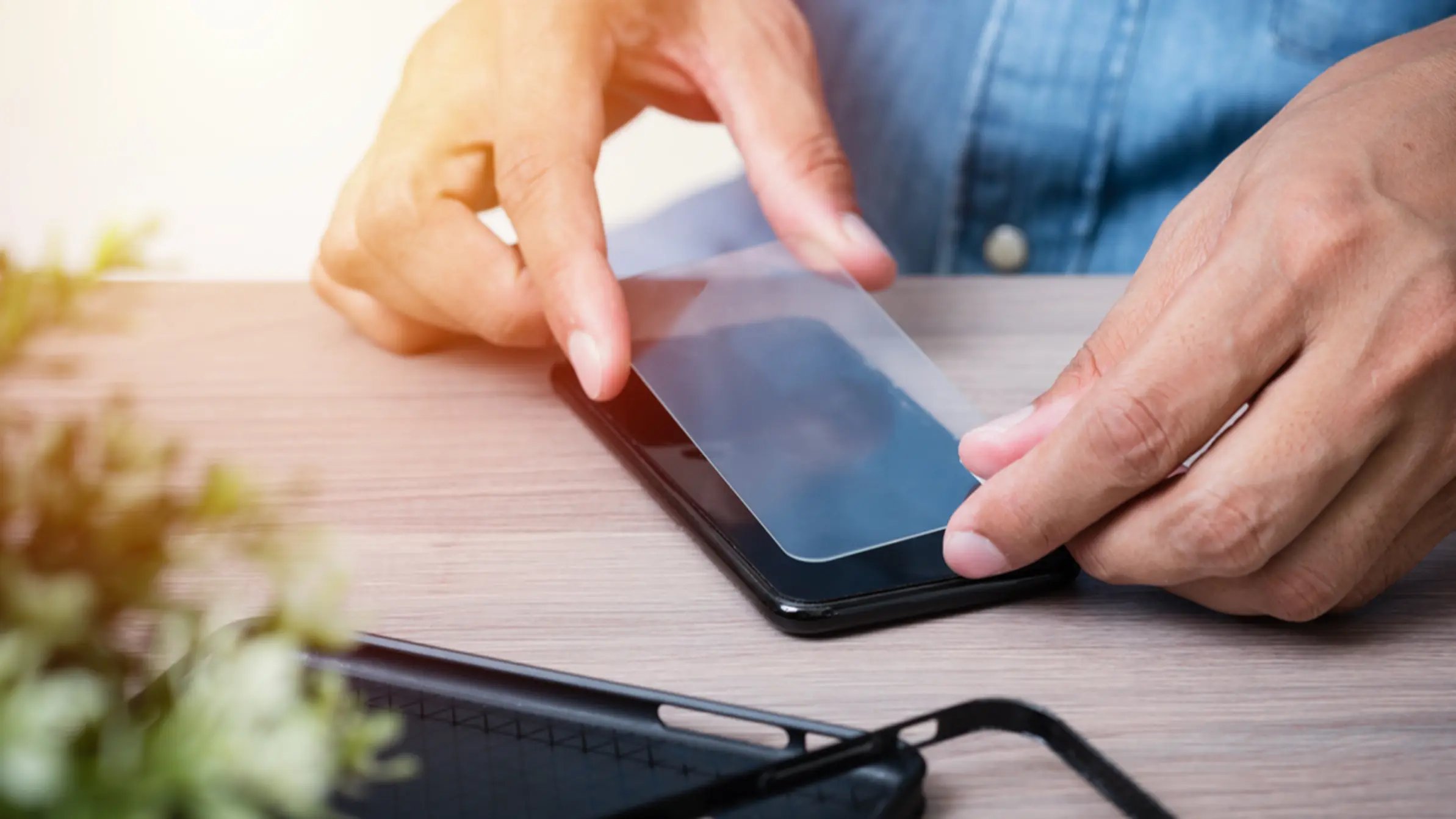
- Once the edges are loose, grasp the lifted corner and peel the protector away from the frame in one smooth motion.
Step 4: clean residue from your phone's screen
- After the protector is removed, inspect your phone's screen for any leftover adhesive.
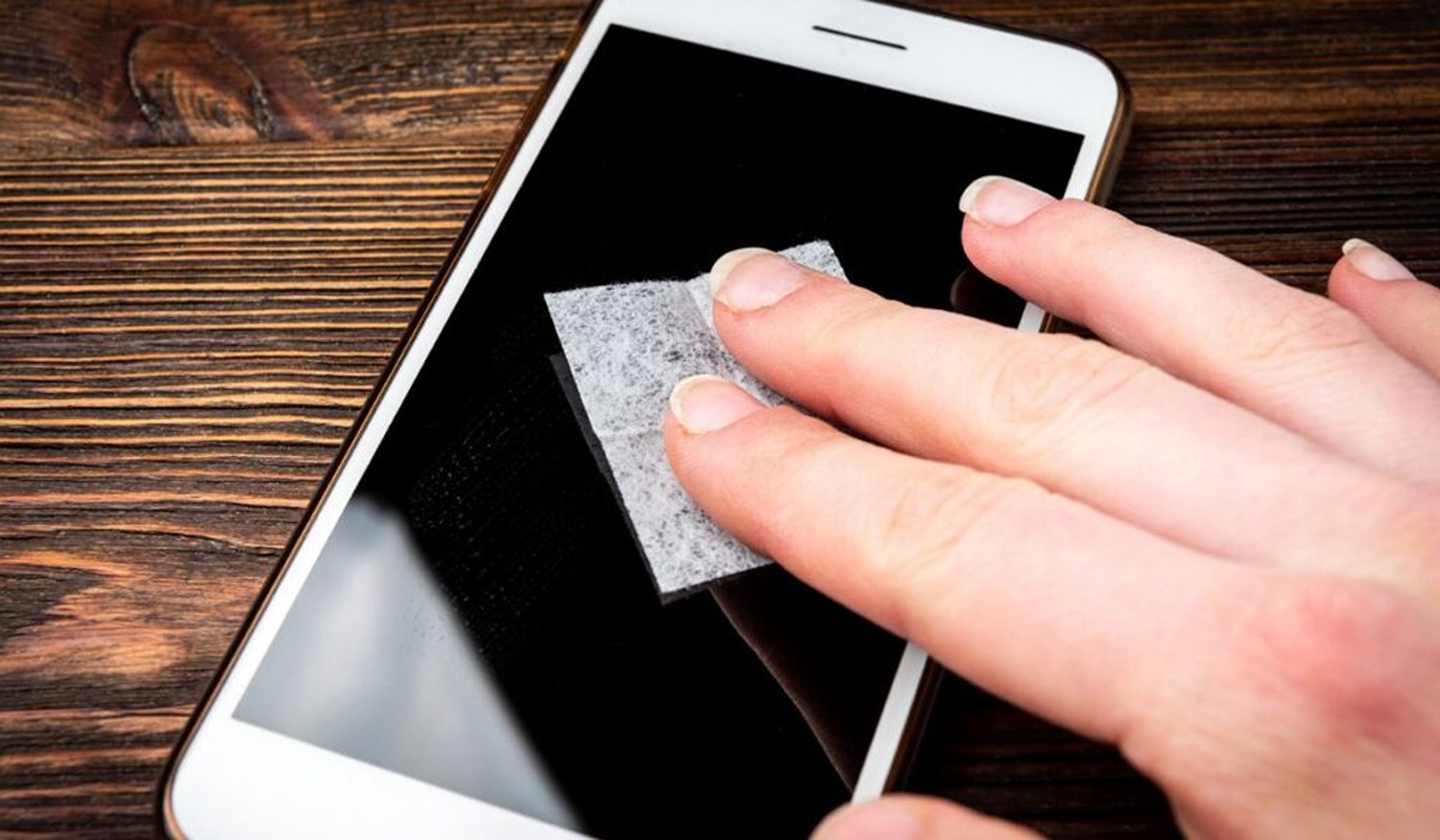
- Dampen a microfiber cloth with a small amount of rubbing alcohol (isopropyl alcohol works best).
- Gently wipe the screen in a circular motion to remove residue. Avoid pressing hard or using abrasive materials.
- Let the screen air-dry for a few seconds before reassembling the case or applying a new protector.
When to seek professional help
If the built-in screen protector is cracked or shattered, small glass fragments may be embedded in the adhesive, making safe removal difficult. Similarly, if the inner plastic frame is warped, has broken clips, or shows signs of damage, attempting to pry the protector off could ruin the case entirely. In these situations, or if you are uncomfortable disassembling the Defender case, visit a repair shop that offers screen protector application and repair. A technician has the proper tools and experience to handle damaged protectors without risking your phone's screen.
Frequently Asked Questions
Why should I remove the OtterBox Defender screen protector?
Common reasons include a scratched or damaged protector affecting screen visibility, preferring the feel or look of the phone without a built-in protector, or wanting to switch to a different type of screen protector.
Will removing the built-in screen protector void my OtterBox warranty?
OtterBox does not provide a separate removal procedure for the Defender's built-in protector, and modifying the case by removing a factory-installed component may void the warranty. Check OtterBox's warranty terms or contact their support before proceeding.
Can I reuse the screen protector after removing it?
No. The adhesive on the built-in protector loses its grip once peeled off, and the protector itself often bends or creases during removal. Reusing it will result in poor adhesion, bubbles, and reduced protection. Always install a new protector if you want coverage.
How do I clean my phone's screen after removing the protector?
Use a microfiber cloth lightly dampened with rubbing alcohol to wipe away adhesive residue, as OtterBox recommends. Avoid paper towels, rough fabrics, or household cleaners, which can scratch the screen or damage the oleophobic coating.
Does the removal method differ for iPhone vs. Android Defender cases?
No. The Defender case design, outer silicone layer, inner clipped shell, and built-in screen protector, is consistent across all models. The disassembly steps and protector removal technique are the same regardless of the phone brand or model.
What if the screen protector is glass instead of plastic?
Some Defender cases ship with a glass protector bonded to the inner frame. If yours is glass, warm the protector briefly with a hairdryer on low heat before using the plastic card to lift it. The heat loosens the adhesive and reduces the risk of shattering the glass during removal.