



What a Bluetooth dongle actually is
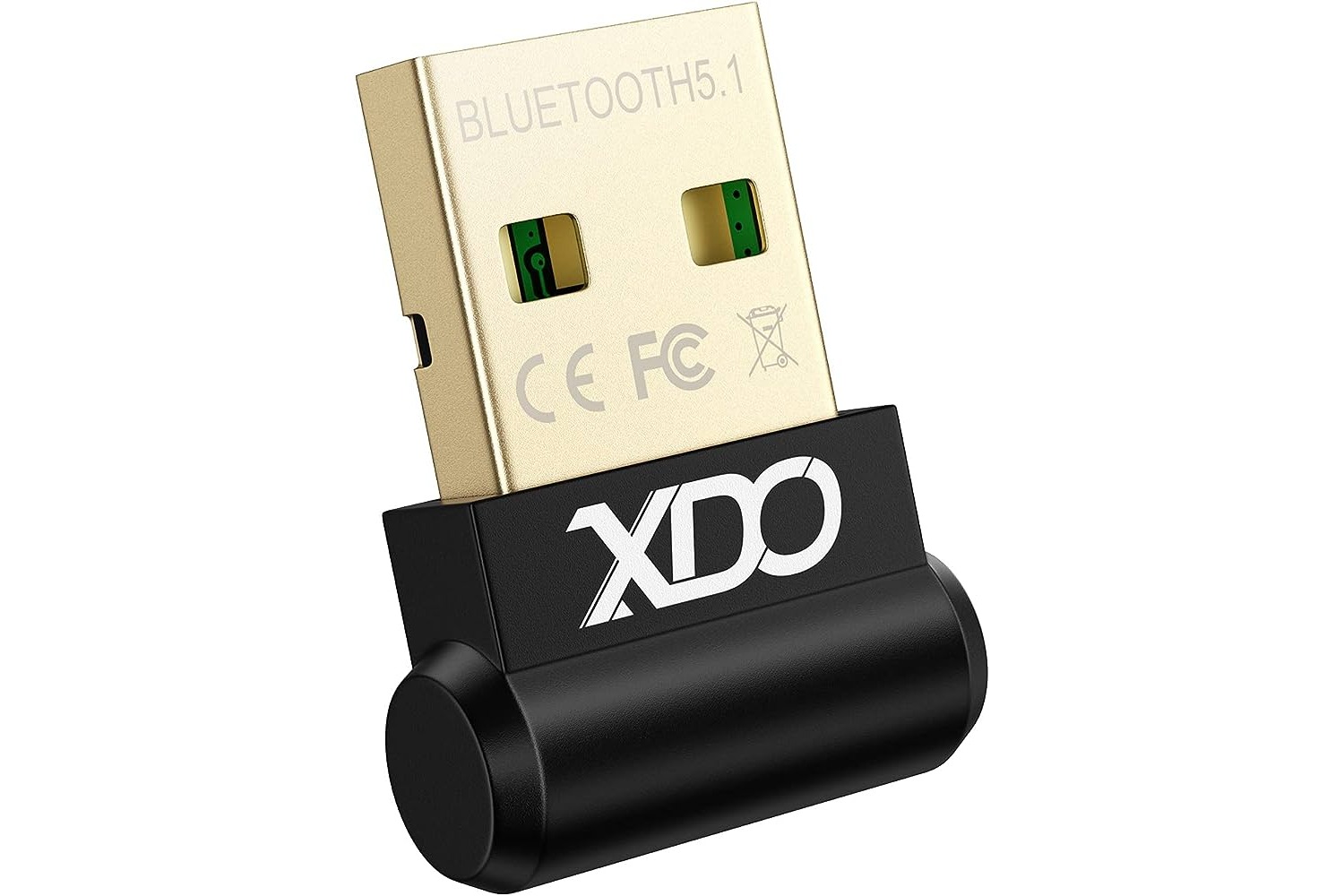
If you are trying to understand what a Bluetooth dongle can do, it helps to know that not every adapter that plugs into a USB port works the same way. Many people first encounter the question of a USB dongle and how does it work when they pull a tiny receiver out of a wireless mouse box and assume it will connect their laptop to a set of headphones. In reality, that piece is usually a proprietary 2.4 GHz radio, not a general-purpose Bluetooth adapter. If you want to make a Bluetooth dongle work for adding wireless capability to a computer that lacks it, you need a unit specifically designed to handle the Bluetooth standard, which lets you pair a wide range of devices through your operating system’s settings.
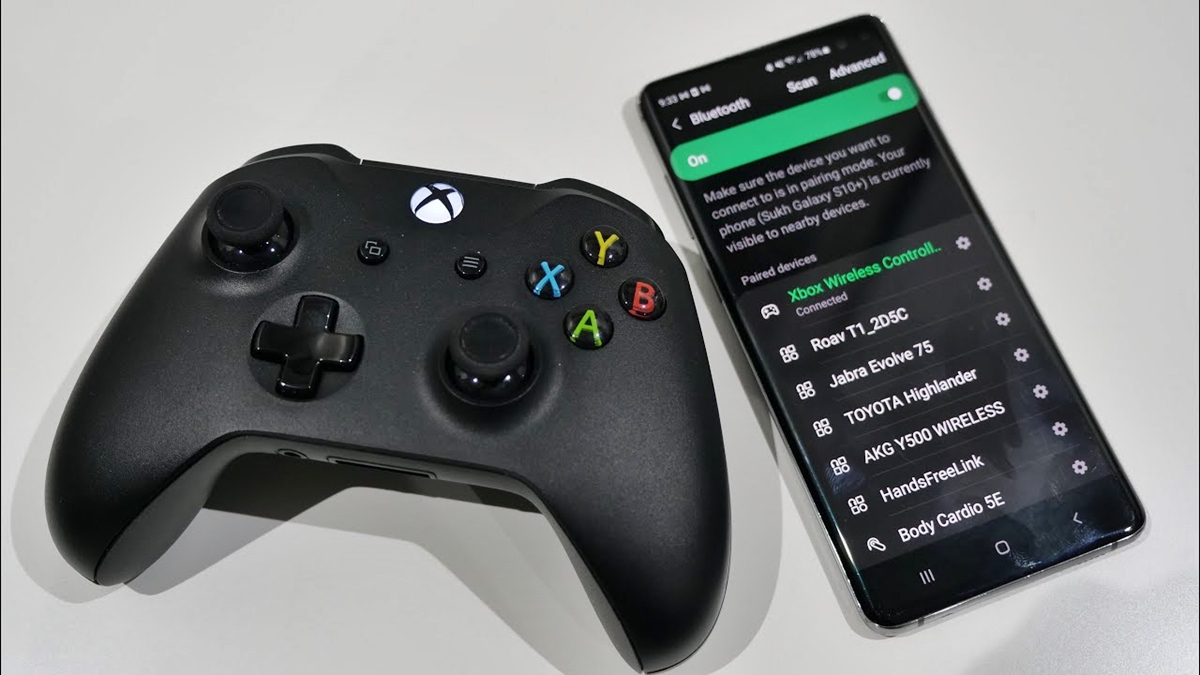
The confusion often starts with a dongle for a mouse, which is typically locked to the specific rodent it shipped with and cannot be used to find a phone or keyboard. The same goes for a dongle for a headset; some gaming headsets include a dedicated low-latency link that will not suddenly give your PC the ability to locate a Bluetooth speaker. On a phone, pairing any standard Bluetooth accessory happens through the same system menu, whether you are connecting a mouse that actually speaks Bluetooth or setting up earbuds. On an iPhone, you open Settings > Bluetooth and look for the device name within about 33 feet, while on Android you go to Settings app > Bluetooth and tap Pair new device, though some accessories trigger a Fast Pair prompt if your phone runs Android 6.0 or higher and has Location turned on.
Other pieces of hardware serve completely different purposes. If you come across an IR blaster dongle, it is not a radio for audio or data. Even the origin of the term dongle hints at this generic role as a hardware key or plug that dangles from a port, long before it became a catch-all word for any small USB gadget.
Buying the right dongle
Before you add a dongle to your cart, a quick look at the physical ports on your machine can save you a return. The common connector type for keyboards and mice on nearly every system made in the last decade is USB-A. The device you choose needs to fit that rectangular slot. On a modern desktop, the USB port for PC mouse use is almost always found on the rear I/O panel. Plugging a Bluetooth module there keeps the front ports free for flash drives. If you are working with a much older computer that still relies on a round PS/2 port, you will need a model that specifically supports that legacy interface. The cost of a Bluetooth dongle varies depending on the brand and features. Even basic USB units that handle audio and input devices reliably are inexpensive. When searching for the best Bluetooth dongle to buy for a general-purpose setup, look for one that explicitly lists the Bluetooth version your operating system supports. It should also mention compatibility with both low-energy peripherals and classic audio profiles, rather than a generic stick that only ships with a driver disc.
Connecting and pairing devices
Once you have a standard Bluetooth adapter in hand, the first step is simply to plug in a dongle to an open USB port on your computer. Most modern operating systems will recognize it automatically and install the necessary drivers within a few seconds. You usually do not need to run a separate installer. When the unit is ready, you can pair a dongle with a mouse by putting the mouse into pairing mode, often by holding a small button on its underside until an LED flashes. Then open your system’s Bluetooth settings—on iPhone go to Settings > Bluetooth, on Android tap Connected devices > Pair new device, or on Chromebook select the time and then Bluetooth—to select it from the list of available devices. On a Chromebook, for example, you would click the time in the bottom-right corner, select Bluetooth, and choose the option to connect wireless mouse to Chromebook through the standard “+ Pair new device” menu. The same basic principle applies when you connect Bluetooth dongle in car. You plug the accessory into a powered USB port in the vehicle. Then set your car stereo to the appropriate source for the Bluetooth accessory. Initiate pairing from your phone’s Bluetooth menu, keeping the phone within about 33 feet of the receiver during the process if you are using an iPhone. If your computer lacks built-in Bluetooth entirely, you can also use phone as Bluetooth dongle for a temporary connection, though no official documentation supports this use case.
Fixing problems and replacing lost parts
When a tiny USB receiver goes missing, the first instinct is often to search for advice on replacing a lost mouse dongle, but the fix depends entirely on what you actually had. If your accessory uses a proprietary 2.4 GHz connection, common with many wireless mice, a generic Bluetooth adapter will not work and you usually need an exact replacement from the manufacturer. Logitech documents a support path for replacement receivers, though eligibility varies by model and you must check whether your product uses a Logi Bolt or Unifying receiver before ordering. If the adapter is still in your hand but the cursor refuses to move, troubleshooting a non-working dongle usually starts with the Logi Bolt App by opening it, clicking Add Device, and selecting the receiver type that matches your hardware. Owners of older kits like the MK220, M315/M235, or M215 may instead need the SetPoint software and the ConnectUtility.exe tool, which for the M315/M235 walks through a Yes/No confirmation to re-establish the link. When a working receiver needs to talk to a different mouse from the same family, you will often hear people say you need to reprogram a Logitech dongle, which is actually a re-pairing process inside the Bolt app, Unifying software, or older SetPoint-based reconnect utilities rather than a universal reprogramming tool. These steps run on a computer only; there is no phone menu path for re-pairing a desktop receiver.