




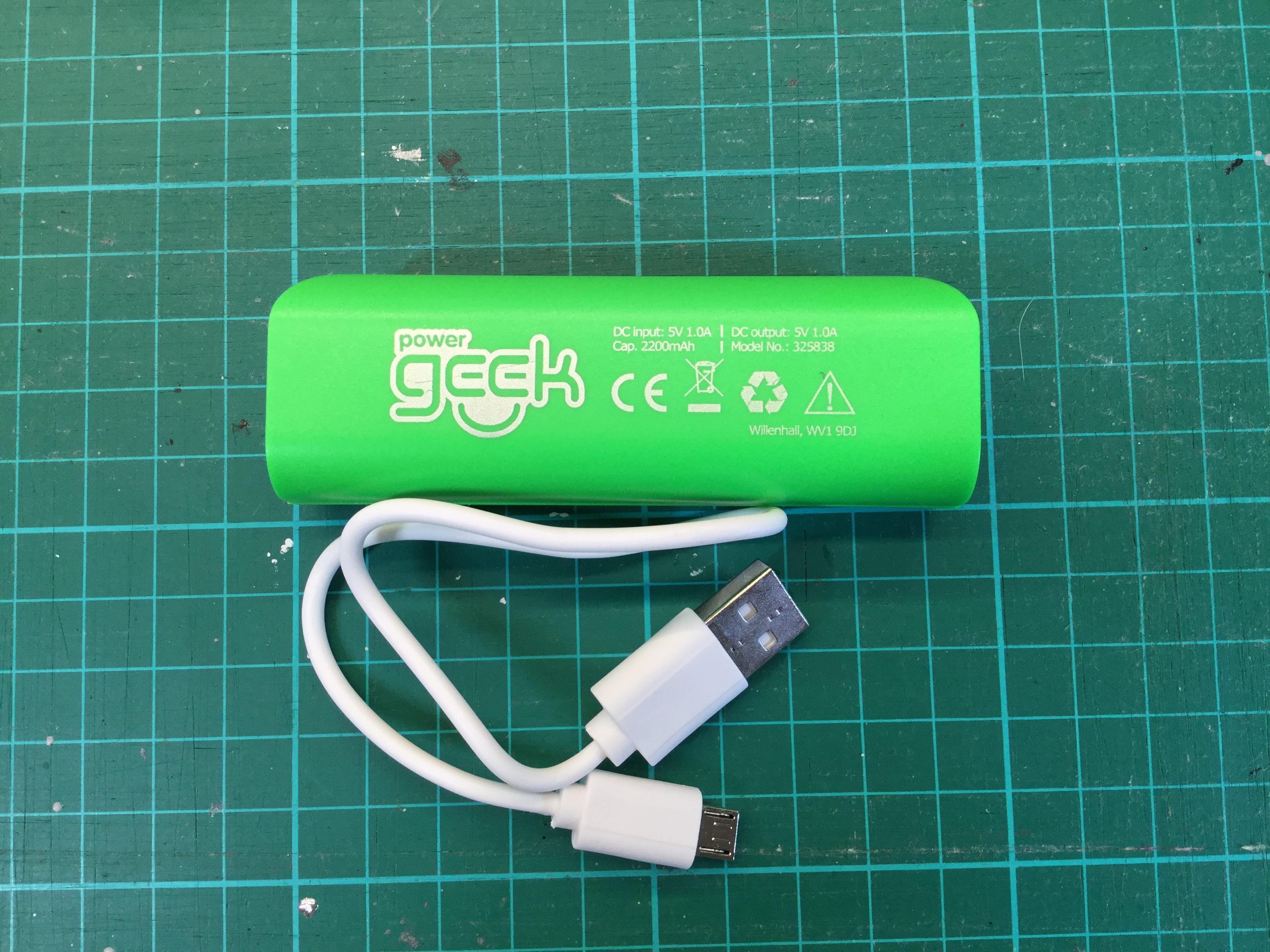
To use a 2200mAh power bank, first charge the power bank itself by connecting the included micro-USB cable to a wall adapter or computer USB port, then plug the micro-USB end into the power bank's input. Once charged, connect your phone or device to the power bank's USB-A output using its charging cable to start charging at standard 5V 1A speed.
How to use a 2200mAh power bank: first steps
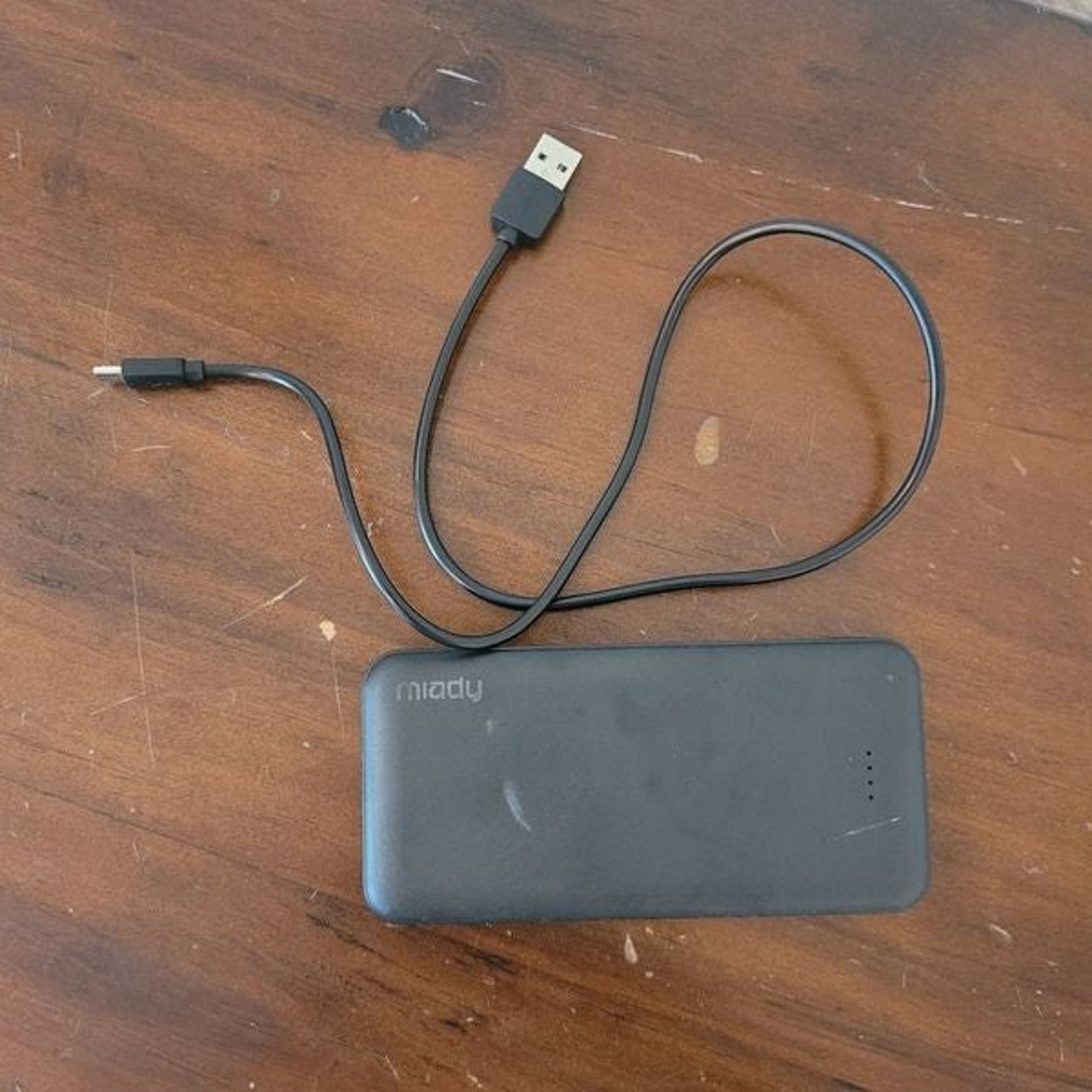
Before you can use a 2200mAh power bank to charge your devices, you must charge the power bank itself. The power bank has a micro-USB input port. Connect the larger USB-A end of the included cable to a USB wall adapter (like the one your phone uses) or to a USB port on your computer. Then connect the micro-USB end to the power bank's input connector. The power bank will begin charging immediately.
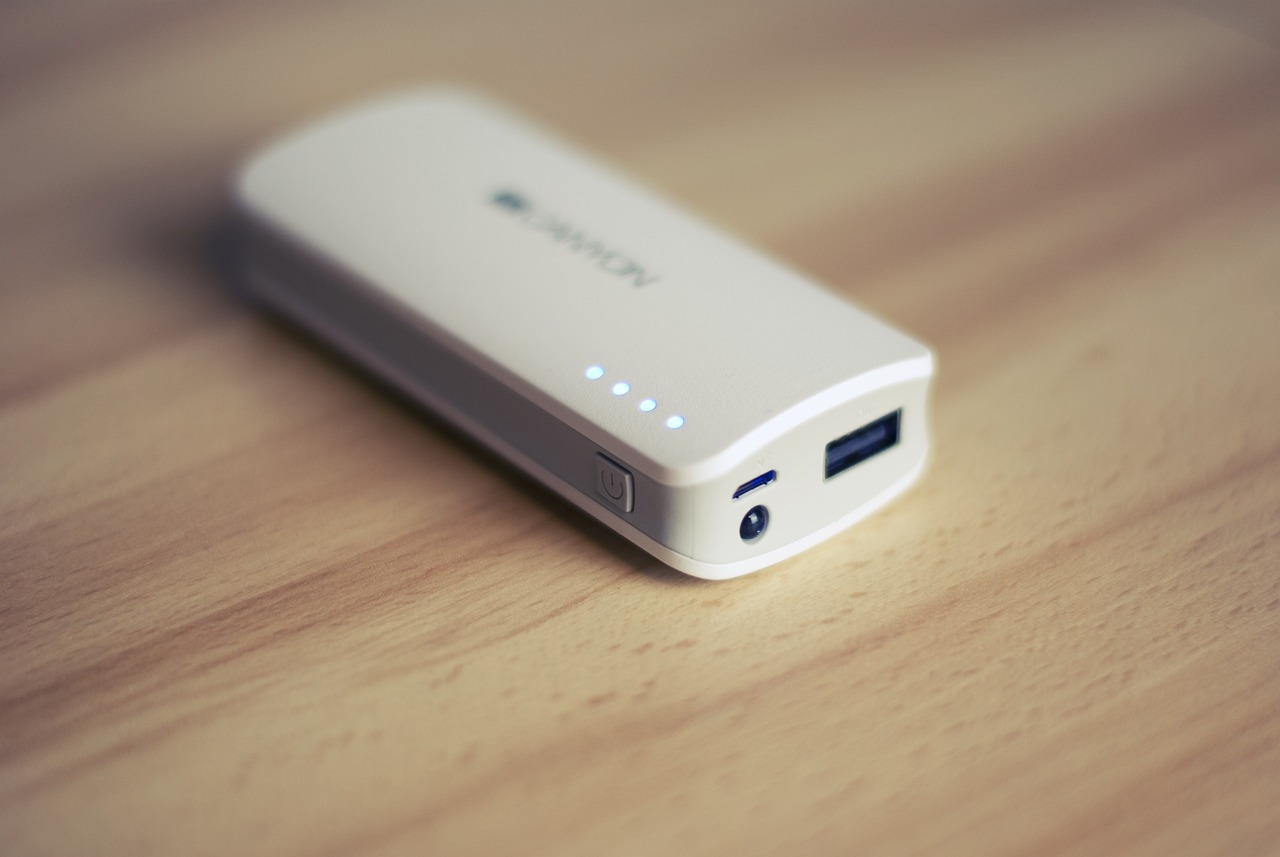
Most 2200mAh power banks have LED indicators that show the battery level. When the power bank is charging, the LEDs will light up or blink to indicate the charging status. Once all LEDs are solid or the indicator shows full, the power bank is fully charged and ready to use. The power bank's input is rated at DC 5V 500mA or 1A depending on the specific model, so charging time will vary based on the power source you use.
Avoid overcharging the power bank; once your devices are fully charged, unplug them to prevent reducing overall battery life and potential safety risks. Charge the power bank regularly, even if not used for a while, because lithium-ion batteries lose charge over time if not used. Store the power bank in a cool, dry place away from direct sunlight or water sources. Clean the power bank with a soft, dry cloth; avoid harsh chemicals or abrasive materials. Handle the power bank with care; avoid dropping it or subjecting it to extreme temperatures.
Charging your phone or device
To charge your phone or other device, take the charging cable that came with your device (or any compatible USB cable) and plug the larger USB-A end into the power bank's USB-A output port. Then connect the other end to your phone or accessory. The power bank will automatically begin supplying power. The output is DC 5V 1A, which is standard USB power, not fast charging. Your device will charge at a normal, steady rate.
The manufacturer documents that this 2200mAh power bank is suitable for a wide range of devices, including:
- iPhone and iPod models
- All smartphones (Samsung, HTC, Motorola, Nokia, LG, Sony, BlackBerry, Huawei, Asus, Telstra, Doro, and more)
- GPS devices
- Bluetooth devices
- Portable gaming consoles
- eReaders
No special settings, menus, or apps are needed to charge any of these devices. Simply connect the cable and the power bank will deliver power. For iPhone users, Apple documents that charging works by connecting the included charging cable to a power source, no additional setup is required. For Android phones, the manufacturer confirms compatibility with all major brands, and no Android-specific menu path or setting is needed.
What to expect from a 2200mAh capacity
The manufacturer makes two claims about what a 2200mAh power bank can deliver. One document states it has "enough to fully charge an iPhone or average smartphone once." Another document states it provides "up to 80% extra battery for an average smartphone." The actual result depends on your specific device's battery capacity. A phone with a smaller battery (around 2000mAh) may get a full charge, while a phone with a larger battery (3000mAh or more) will get a partial charge. This is normal behavior for any portable power bank.
This power bank does not support fast-charging protocols, USB-C output, or wireless charging. It delivers standard 5V 1A power, which is the same as many basic wall chargers. For power bank usage and selection, understanding that capacity directly affects how much charge you get is essential when choosing the right size for your needs.
Troubleshooting when it won't charge
If your power bank does not charge your device, follow these steps:
- Check the micro-USB input connection. Ensure the micro-USB plug is fully inserted into the power bank's input port. Try flipping the cable or adjusting the angle, micro-USB connectors can be directional and may not make good contact if slightly misaligned.
- Confirm the power bank itself is charged. Press any button or check the LED indicators to see if the power bank has power. If the LEDs do not light up, the power bank may be completely discharged and needs to be charged first.
- Check the USB-A output connection. Make sure the USB-A end of your device's charging cable is fully inserted into the power bank's output port. A loose connection can prevent charging.
- Try a different cable. If the cable is damaged or incompatible, the power bank may not deliver power. Use the cable that came with your device or a known working cable.
If your power bank is not charging your devices, check if it is fully charged itself by pressing the power button or referring to the LED indicators. Inspect the charging ports for physical damage, such as bent pins or debris clogging the connection, which can affect charging efficiency. If the charging ports are loose, try gently tightening them or using a different cable to improve the connection. The power bank includes overcharging, over-discharging, and short-circuit protection. If the power bank is overheating during use, disconnect it from the power source and allow it to cool down before using it again. If the power bank is not holding a charge for as long as it used to, it may be a sign of a worn-out battery that requires replacing the power bank.
If your phone charges slowly, this is normal. The power bank's output is only 5V 1A, which is slower than modern fast chargers that can deliver 18W, 20W, or more. Slow charging is expected and not a sign of a problem. If your device requires USB-C charging or fast-charge support, this power bank does not provide those features.
Frequently Asked Questions
How long does it take to fully charge a 2200mAh power bank?
Charging time depends on the power source you use. With a standard 5V 1A wall adapter, the power bank typically charges in a few hours. Using a computer USB port (which often delivers 500mA) may take longer. The exact time varies by model and the actual current provided by your charger.
Does a 2200mAh power bank work with all smartphones?
Yes, the manufacturer documents that this power bank is suitable for "all smartphones," including major brands like Samsung, Apple, HTC, Motorola, Nokia, LG, Sony, BlackBerry, Huawei, and Asus. It works with any phone that charges via a standard USB cable. However, phones that require USB-C or fast-charging protocols will charge at the standard 5V 1A speed.
Can I take a 2200mAh power bank on an airplane?
Yes. Most airlines allow power banks in carry-on luggage, and a 2200mAh capacity is well below the typical limit of 100Wh (watt-hours). For reference, 2200mAh at 3.7V is about 8.14Wh, which is far under common restrictions. Always check with your specific airline before traveling, as rules can vary by carrier and destination.
Related reading: How Does The Power Bank Work and How To Charge Power Bank For The First Time.