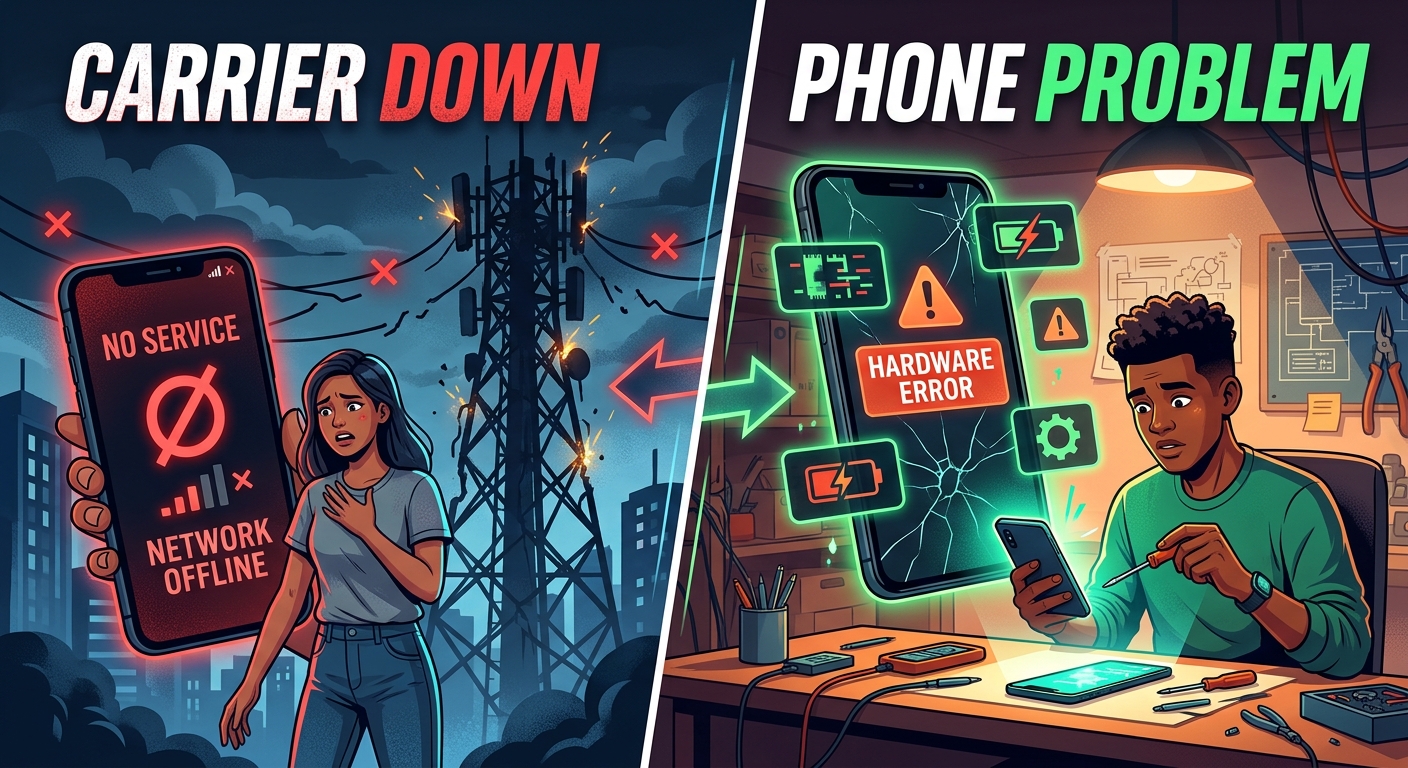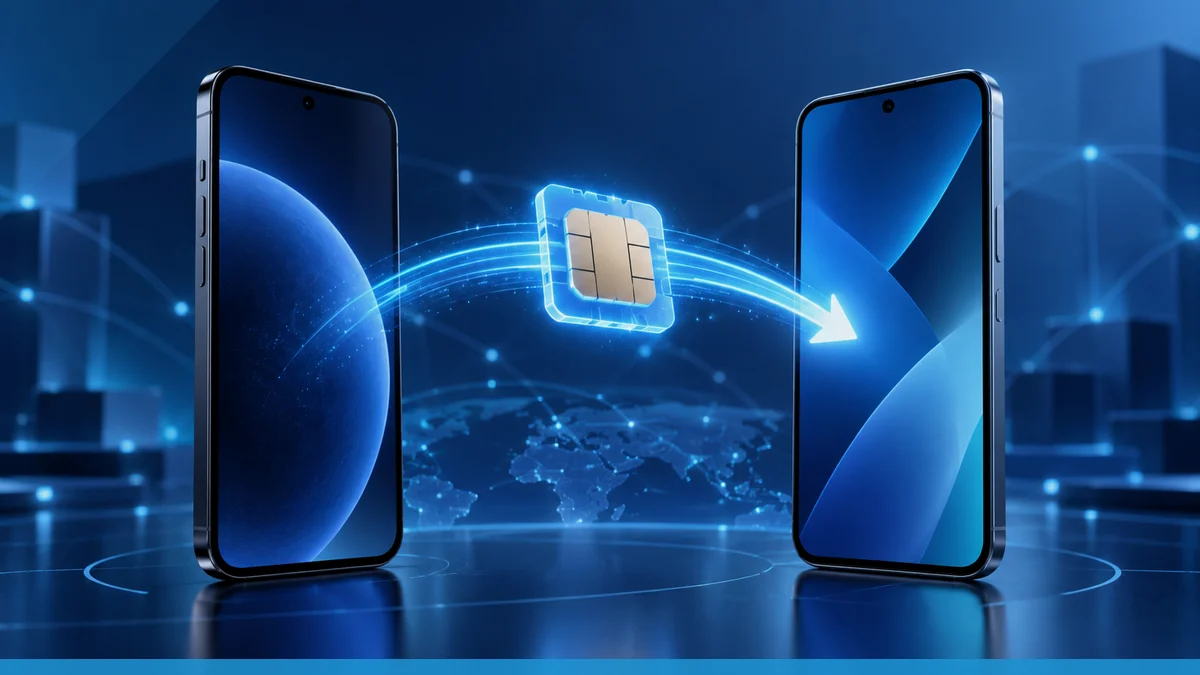





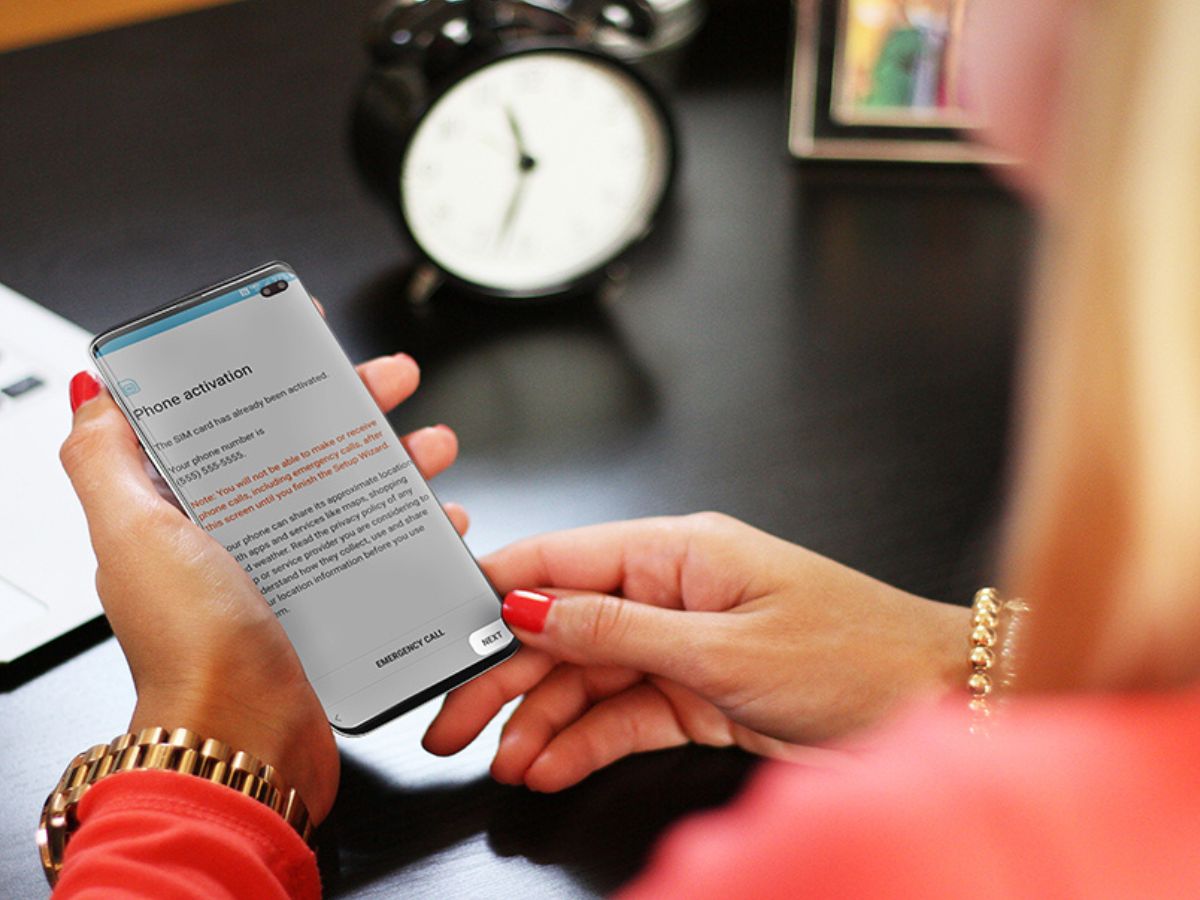
If you see "SIM card not provisioned" on your phone, it means your device can detect the SIM or eSIM hardware, but your carrier has not finished activating that line on its network. This is a carrier-side provisioning problem, not a phone setting issue, so the most important fix is to confirm your carrier has actually activated the line.
What 'SIM card not provisioned' means
The error indicates a carrier-side activation or account provisioning problem, not just a phone setting issue. The phone sees the SIM or eSIM, but the line isn't active on the network. On iPhone, Apple documents related errors as "invalid SIM," "no SIM," or activation failures; for eSIM, Apple directs users to contact the carrier. Apple's activation page specifically references iPhone and iPad with Wi‑Fi + Cellular when activation fails.
Why your SIM card is not provisioned
The most concise, fact-based causes are:
- The line is not active with the carrier.
- The SIM was not correctly activated or the eSIM was not fully set up by the carrier.
- The SIM is not seated correctly or the tray is not fully closed.
- The carrier settings on the iPhone are out of date.
- The SIM card itself may be faulty.
How to fix 'SIM card not provisioned' on iPhone
Apple's documented troubleshooting order for this error is as follows:
- Check that you have an active plan with your wireless carrier.
- Restart the iPhone.
- Check for a carrier settings update.
- If you use eSIM, contact your carrier.
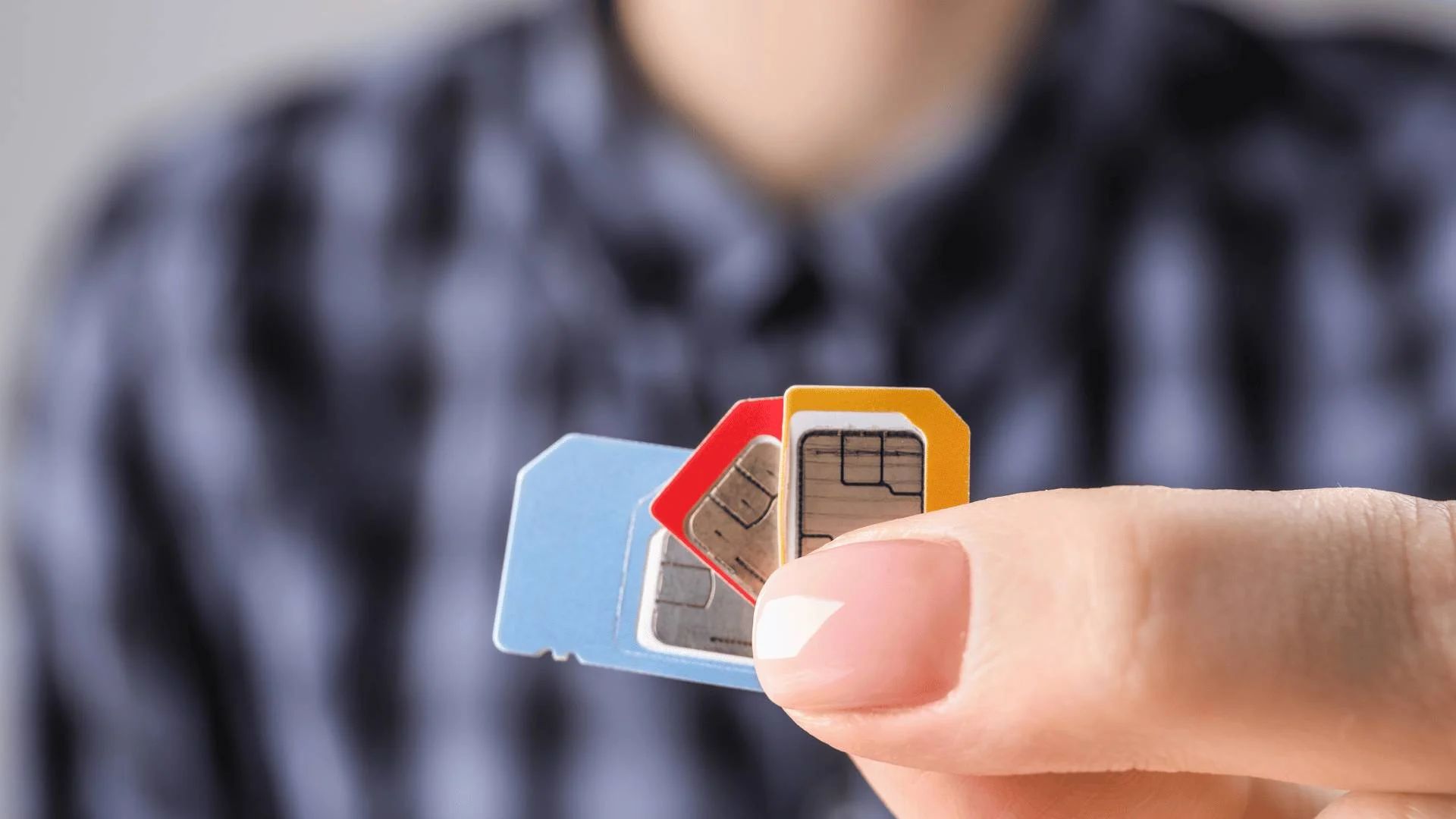
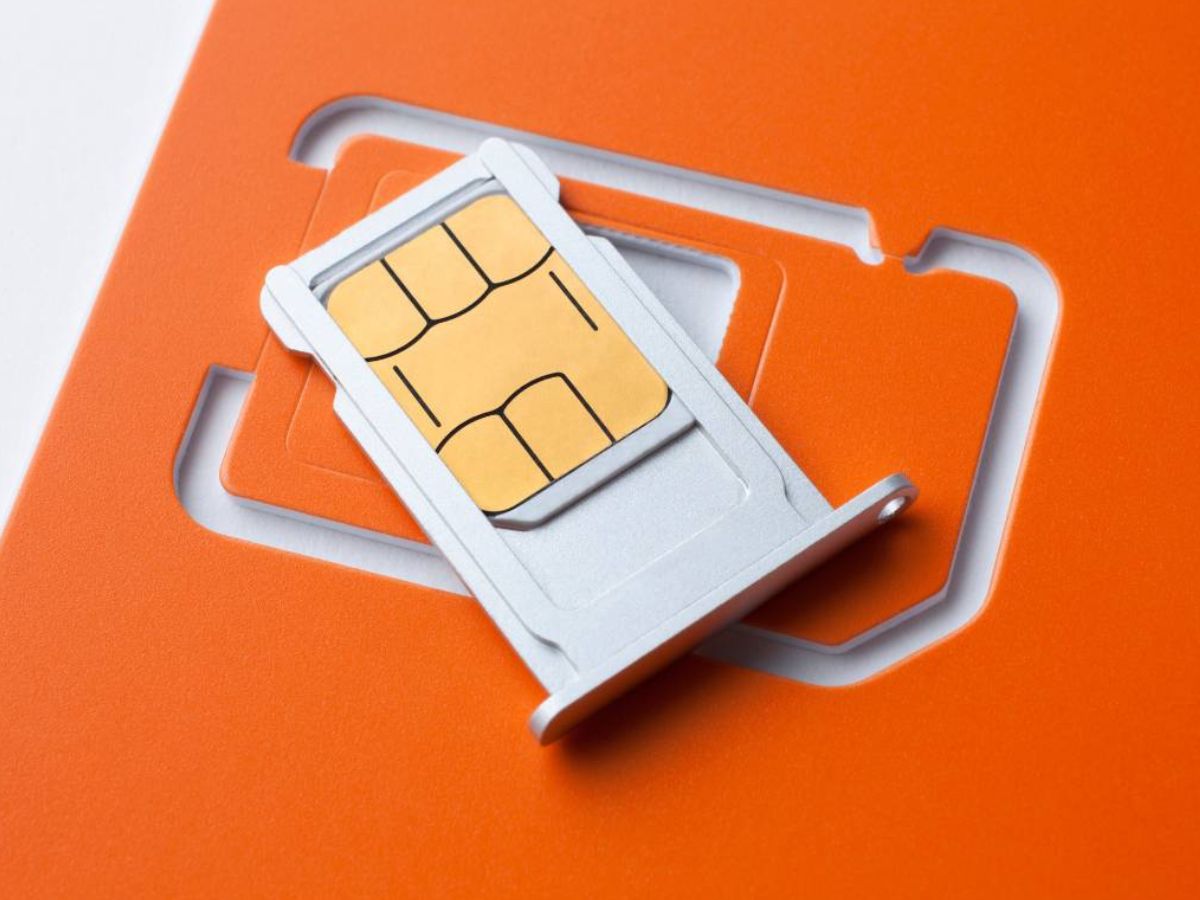
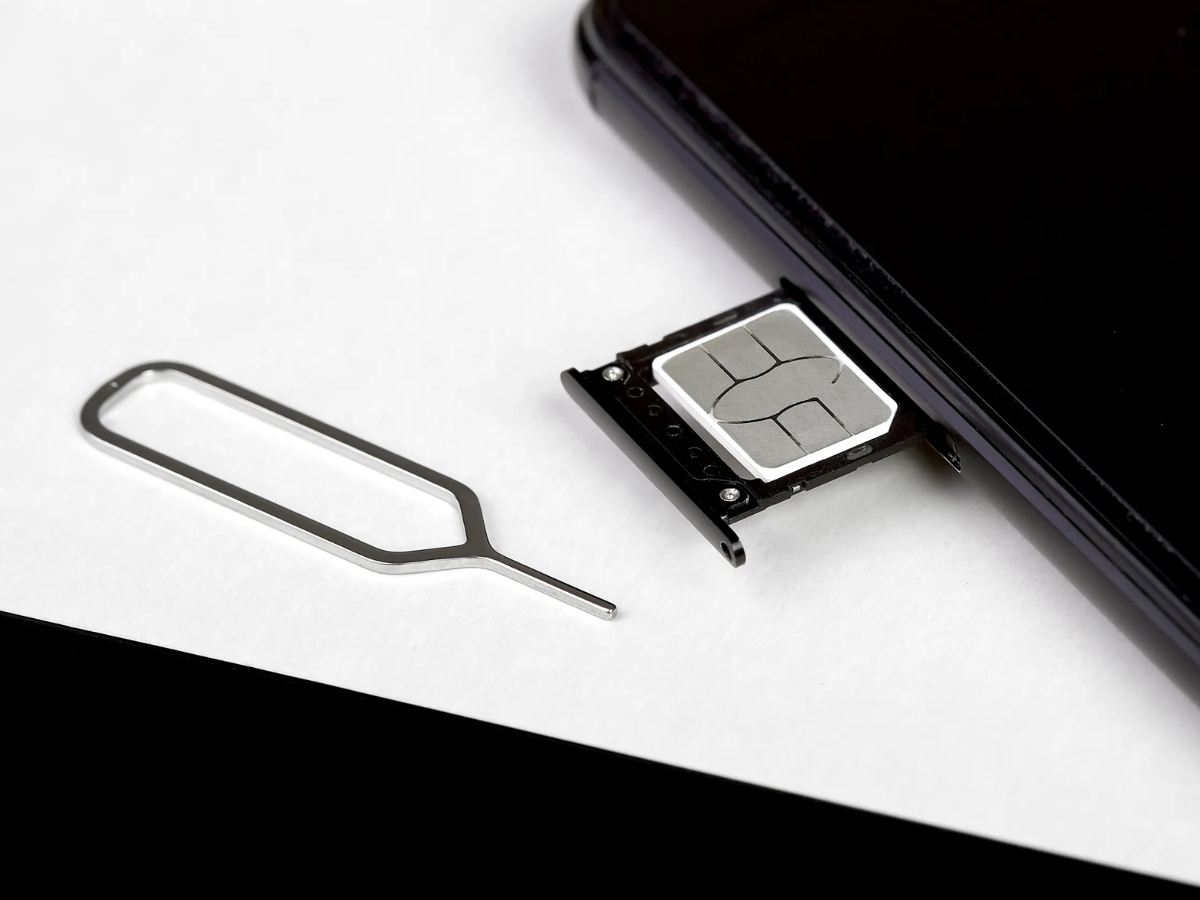
- If you use a physical SIM, remove the SIM card from the tray and reinsert it. Make sure the SIM tray closes completely and is not loose.
- If the problem continues, try another SIM card or ask the carrier retail store to test with one.
Apple documents the limit of one practical check at a time: carrier plan, restart, carrier settings update, eSIM carrier contact, SIM reseat, then another SIM test.
What to do on Android phones
The retrieved official Apple pages do not cover Android menu paths or settings names, and no carrier or Google support page was retrieved here with documented Android-specific steps. The universal fix is to contact your carrier to confirm activation, then try basic steps like restart and SIM reseat. Apple's guidance applies to iPhone and iPad models with cellular service, including devices using either physical SIM or eSIM.
When to contact your carrier
Carrier contact is essential for eSIM issues or if the active plan check doesn't resolve the error. This is Apple's primary directive for provisioning problems. For physical SIM issues that persist after reseating and testing with another SIM, the carrier can verify account status, billing, and line activation. If you want more details about your plan's specifics, check the "SIM card information and costs" (SIM Card Costs, Functions and Replacement Guide) from your carrier.
Frequently Asked Questions
Is "SIM card not provisioned" a phone hardware problem?
Not usually; the retrieved official guidance points first to carrier activation or provisioning. Only after confirming the line is active and the SIM is correctly seated should hardware be considered.
Should I remove and reinsert the SIM?
Yes, if the phone uses a physical SIM and the tray is fully compatible and seated. Remove the SIM, inspect it for damage, and reinsert it securely, making sure the tray closes completely.
Should I call the carrier?
Yes, especially for eSIM or if the active plan check does not resolve the issue. The carrier can confirm activation, push a provisioning refresh, or replace a faulty SIM.
Can a SIM card fix itself over time?
No. The error will not resolve on its own because the carrier must provision the line. Waiting without action will not activate the SIM or eSIM.
Will a factory reset fix this error?
No. A factory reset does not trigger carrier-side provisioning. Follow the documented steps: check your active plan, restart, update carrier settings, reseat the SIM, and contact your carrier.
Readers comparing a separate eSIM can browse uPhone eSIM plans and verify destination coverage, data allowance, and validity before buying.
More eSIM resources: Browse our eSIM guides and troubleshooting resources for compatibility, setup, travel-data and account-safety advice.
Related reading: How Do You Activate New SIM Card and What Phones Take A SIM Card.