




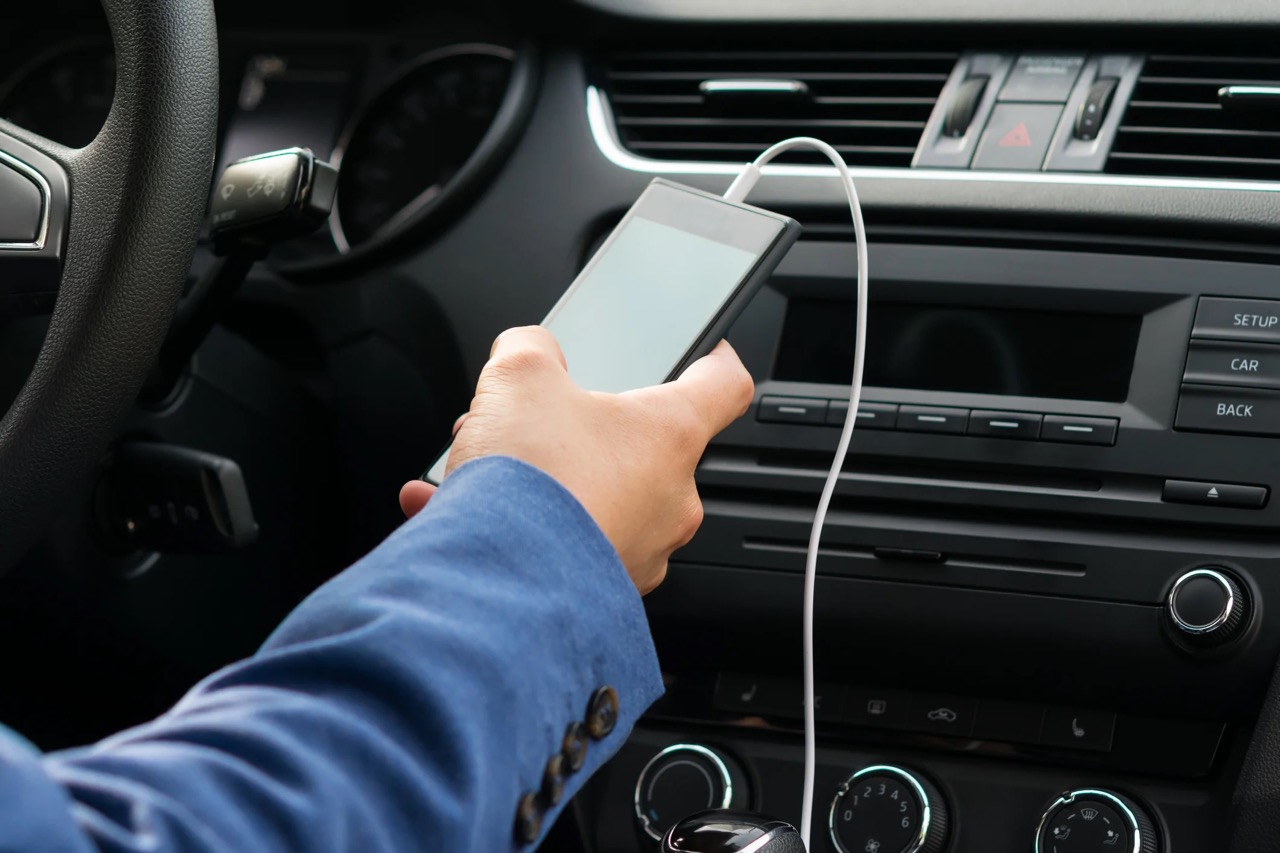
To use aux in car with phone, you connect your phone to the car's stereo using a 3.5mm male-to-male AUX cable, which lets you play music, podcasts, and navigation audio through the car's speakers. This simple wired connection provides clear, reliable sound without the need for Bluetooth pairing or wireless signals.
What you need to use aux in car with phone
You will need a 3.5mm male-to-male audio cable, commonly known as an AUX cord, to establish the connection. If your phone lacks a 3.5mm headphone jack, you must use a compatible adapter, such as a Lightning to 3.5mm adapter for iPhones or a USB-C to 3.5mm adapter for many Android devices. Ensure you have the correct adapter for your phone model before attempting to connect.
Connecting your phone to the car's aux input
- Plug one end of the 3.5mm AUX cable into your phone's headphone jack, or into the adapter connected to your phone.
- Plug the other end of the AUX cable firmly into the car's AUX input port. Consult your car's manual if you're unsure of the precise location of the aux input port.
- On your car's stereo system, select "AUX" or "Line In" as the audio source, often by pressing a "Source" or "Media" button. You may need to switch to the auxiliary input mode using the car's audio controls or the dashboard settings.
Once these steps are complete, any audio playing from your phone will route through the car's speakers.
Adjusting the volume and audio settings
Start with the volume low on both your phone and the car stereo. If the sound becomes distorted, lower the volume on your phone slightly. Some car audio systems offer equalizer settings that allow you to adjust bass, treble, and balance for clearer sound. If you find that the audio is distorted or the bass is too heavy, you can adjust the equalizer settings on your phone or the car's audio system. On most audio systems, you can access the equalizer by going into the audio settings menu. Experiment with different equalizer presets or manually adjust the frequency and intensity of the sound to suit your preference. Some car audio systems also offer additional audio enhancements such as surround sound, virtual soundstage, or bass boost. Explore these options if available and adjust them as per your liking. If you are using a music streaming app or media player on your phone, you can also check the sound settings within the app. Some apps provide options to toggle features like sound normalization or audio enhancement, which can further enhance your audio experience. Test the audio at different driving speeds to ensure it remains clear and audible.
Making Hands-free Calls using the Aux Input
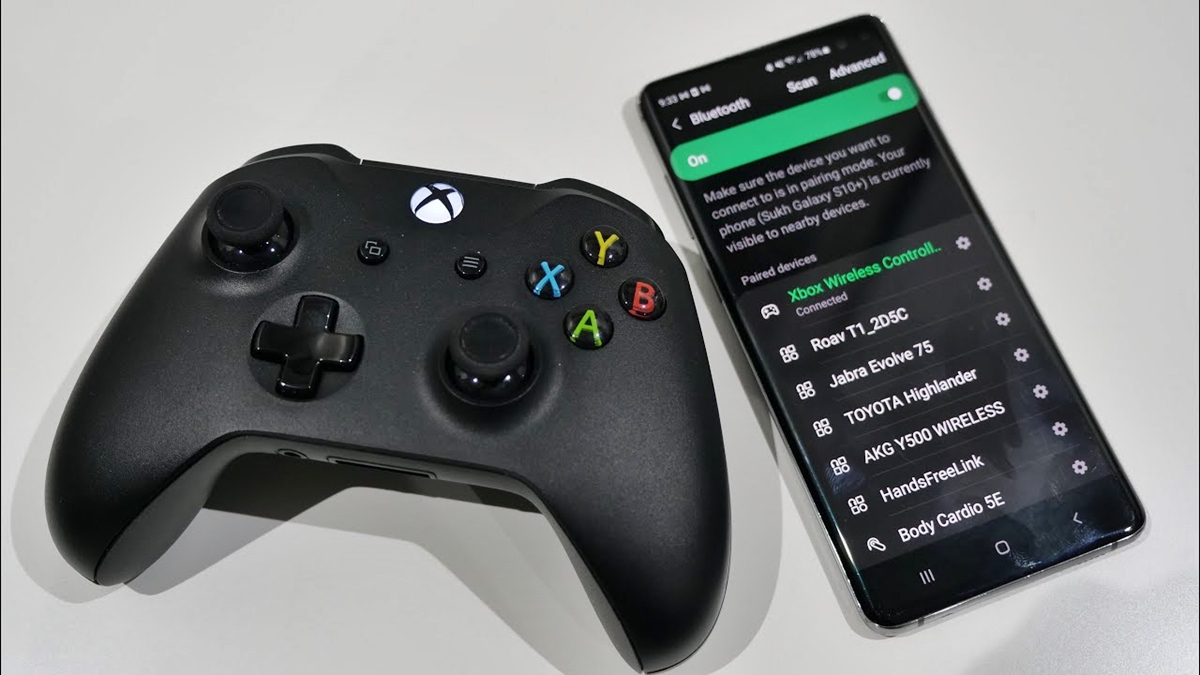
To make hands-free calls using the aux input, you will need a few additional tools. Firstly, ensure that your phone is connected to the car's aux input using the appropriate audio cable. Once connected, follow these steps: Open your phone's settings, and navigate to the Bluetooth section. Enable the Bluetooth function if it's not already turned on. Ensure that your car's audio system is set to the aux input mode. In your phone's Bluetooth settings, scan for available devices. Your car's audio system should appear on the list. Select your car's audio system from the list of available devices. Once connected, your phone should indicate that it is paired with the car's audio system. Make sure that your phone's media audio is enabled and the volume is turned up. During a call, you can adjust the call volume using the controls on your car's audio system. Some car models may also provide additional features such as call transfer, call waiting, or caller ID display on the car's screen.
What if your car doesn't have an aux input
If your car does not have an AUX input, a standard AUX cable cannot be used. Alternative solutions include a Bluetooth receiver that plugs into the car's power or an FM transmitter. For drivers seeking a wireless option, FM transmitters for cars broadcast audio from your phone to an unused FM radio frequency, allowing playback through the car's existing radio speakers without any wiring. These devices are especially useful for older vehicles without aux ports or Bluetooth.
Frequently Asked Questions
Can I use the aux input in my car to connect my phone?
Absolutely! Using the aux input in your car is a convenient way to connect your phone and enjoy your favorite music or make hands-free calls while on the road.
Do all cars have an aux input?
No, not all cars are equipped with an aux input. It depends on the make and model of your car. However, an increasing number of modern cars come with this feature, especially those manufactured within the last decade.
How do I find the aux input in my car?
In most cars, the aux input is usually located in the center console, the dashboard, or the armrest. Look for a small jack labeled "AUX" or with a headphone symbol.
What kind of cable do I need to connect my phone to the car's aux input?
You need a standard 3.5mm male-to-male audio cable, often called an aux cable. One end plugs into your phone (or adapter) and the other into the car's aux port.
Do I need an adapter for a phone without a headphone jack?
Yes. iPhones require a Lightning to 3.5mm adapter, while most Android phones without a headphone jack need a USB-C to 3.5mm adapter. These adapters are sold separately and are not included with the AUX cable.
Why is there no sound after connecting the aux cable?
First, verify the car stereo is set to "AUX" or "Line In" as the audio source. Check that both ends of the cable are fully inserted. Ensure your phone's volume is turned up and media is playing. If using an adapter, confirm it is properly connected and compatible with your phone model.
Can I control music playback from the car stereo when using aux?
No. The aux input only transmits audio. You must control playback, selecting songs, adjusting volume, and pausing or skipping tracks, directly from your phone.
Will aux audio quality be better than Bluetooth?
A wired aux connection typically provides consistent, uncompressed audio without the compression or latency that can occur with Bluetooth. However, audio quality also depends on the cable quality and your car's stereo system.