




You cannot check your pulse directly on an iPhone 12, because the device lacks a built-in heart rate sensor. To check pulse on iPhone 12, you must view heart rate data that has been recorded by a compatible device, such as an Apple Watch or a HealthKit-enabled accessory, and synced to the Health app.
Can you check pulse on iPhone 12?
No. The iPhone 12 cannot measure a pulse by itself. Apple’s Health app stores and displays heart-rate data, but that data must come from an Apple Watch, a supported third-party accessory, or a HealthKit-enabled app. The iPhone 12 hardware does not include an optical sensor or any other pulse-detection component.
What is a pulse?
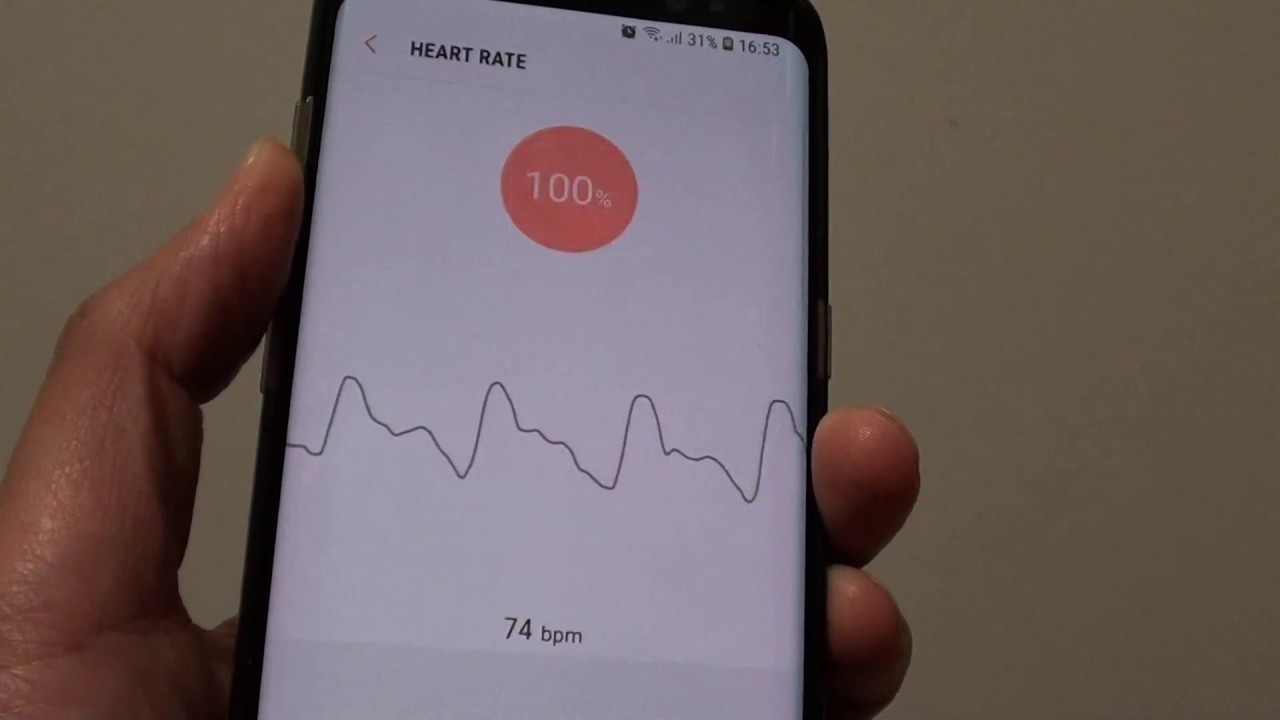
A pulse is a person’s heart rate, usually expressed as beats per minute. A resting adult typically has a pulse rate between 60 and 100 BPM, with athletes often having lower resting pulse rates due to enhanced cardiovascular efficiency. The pulse is commonly felt at the wrist or neck, where an artery is close to the skin's surface. Apple’s Health app uses the term Heart Rate for this data. Checking your heart rate helps you view a current reading or track workout heart-rate data in supported apps and devices. By monitoring the pulse, healthcare professionals can assess heart rate, rhythm, and strength, aiding in the diagnosis and management of various medical conditions. Monitoring your pulse matters because it gives insight into cardiovascular health, exercise intensity, and overall fitness trends.
What you need to check pulse on iPhone 12
To see heart-rate data on your iPhone 12, you need one of the following:
- Apple Watch, Automatically tracks heart-rate data and writes it to the Health app when paired with your iPhone.
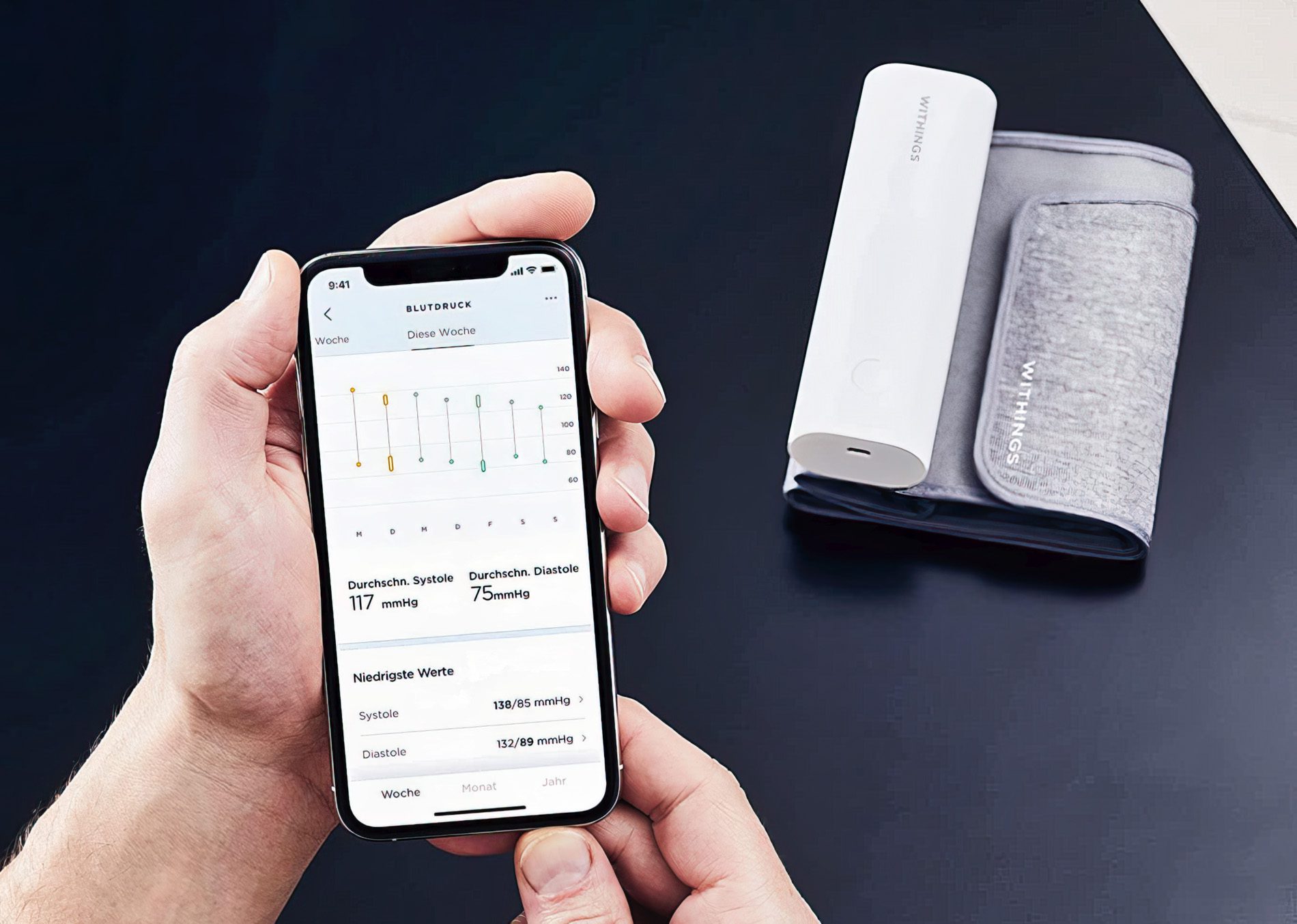
- HealthKit-enabled third-party apps and accessories, Apps and devices that write heart-rate data to Health, such as chest straps or smart rings. Permission may be required the first time the app accesses Health data.
- AirPods Pro 3, Can track heart rate during workouts when used with supported workout apps. Note that this feature works with just one AirPod, whereas Powerbeats Pro 2 heart-rate monitoring requires both earbuds.
How to view heart-rate data in the Health app
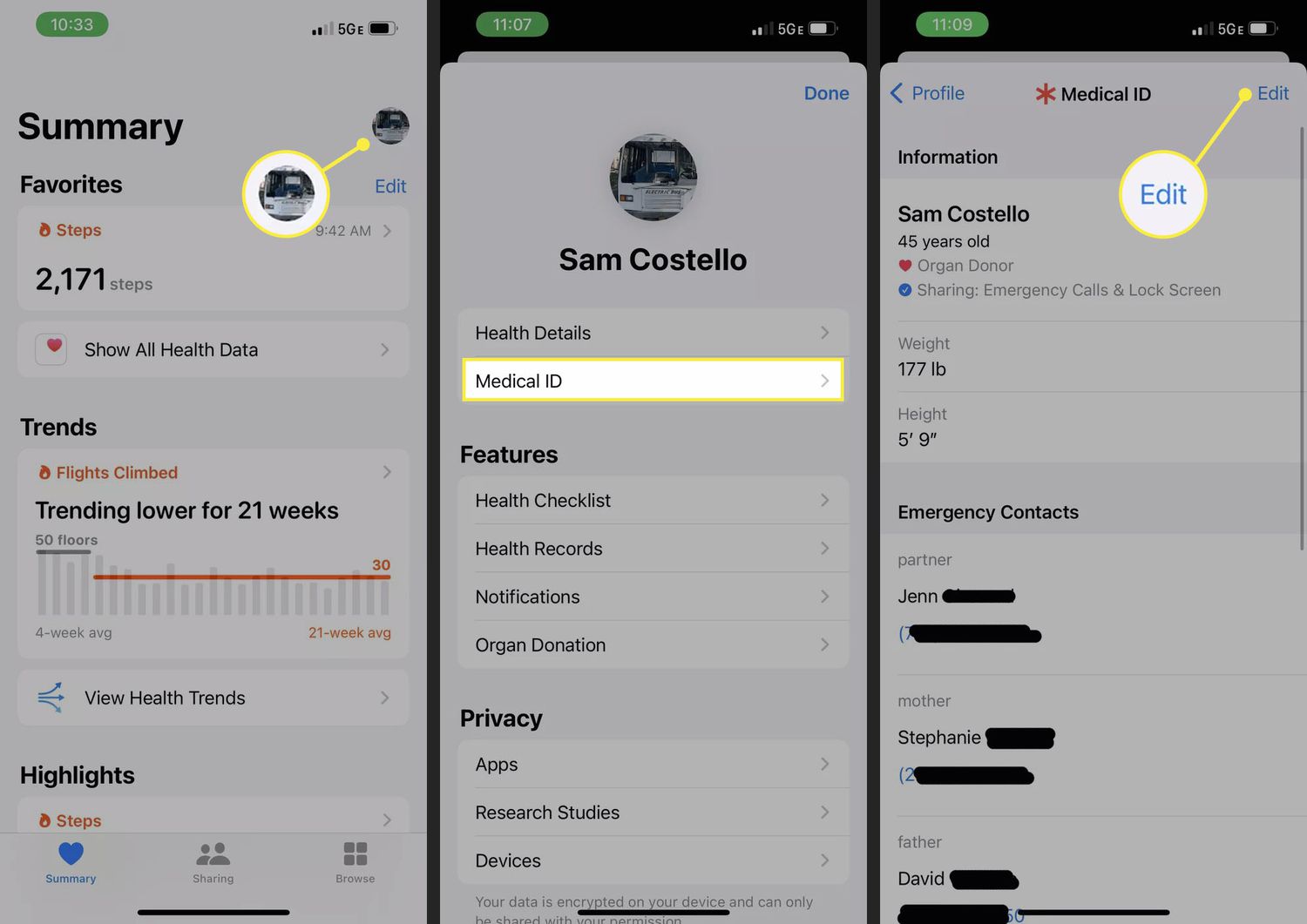
- Open the Health app on your iPhone 12.
- Tap Browse at the bottom.
- Tap Heart.
- Tap Heart Rate.
If heart-rate data exists, it appears in the Heart Rate screen. The Health app allows you to initiate a heart rate reading by tapping the 'Add Data' button and following on-screen instructions. The iPhone 12's optical sensors will detect your pulse, providing real-time heart rate data within seconds. Apple also documents an alternative path: go to Summary > Show All Health Data > Heart Rate.
What if no heart-rate data appears?
If the Heart Rate screen shows no data, it means no compatible device has written heart-rate information to Health. To fix this, pair an Apple Watch with your iPhone, use a HealthKit-enabled app that records heart rate, or connect a supported accessory. Remember that the app must be granted permission to read and write data to Health the first time you use it. Updating iOS and operating systems can also ensure compatibility with newer HealthKit features and devices.
Importance of checking pulse
Monitoring your pulse can be a proactive measure in managing stress and anxiety by observing how your body responds to various stressors.
Tracking pulse trends over time
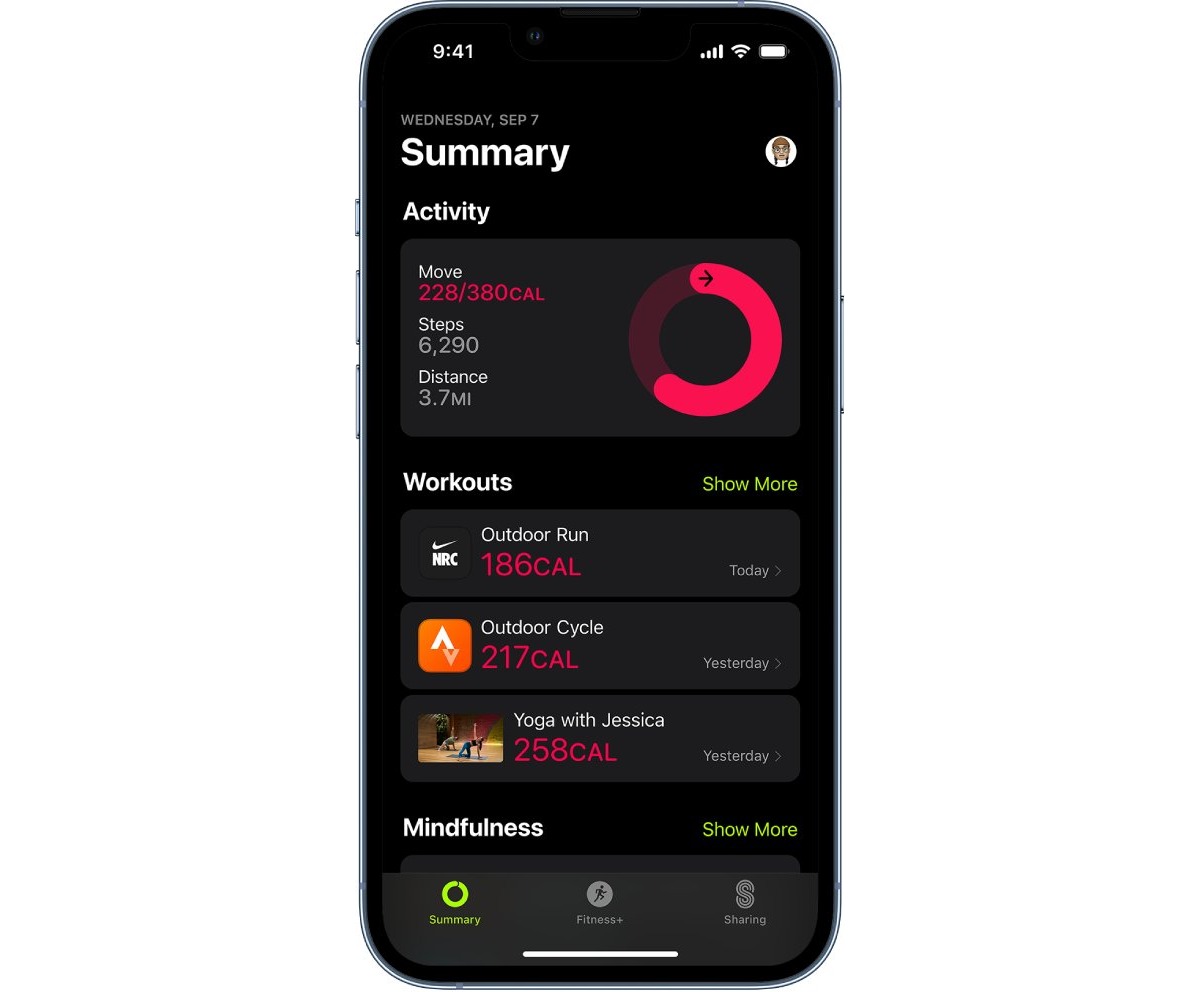
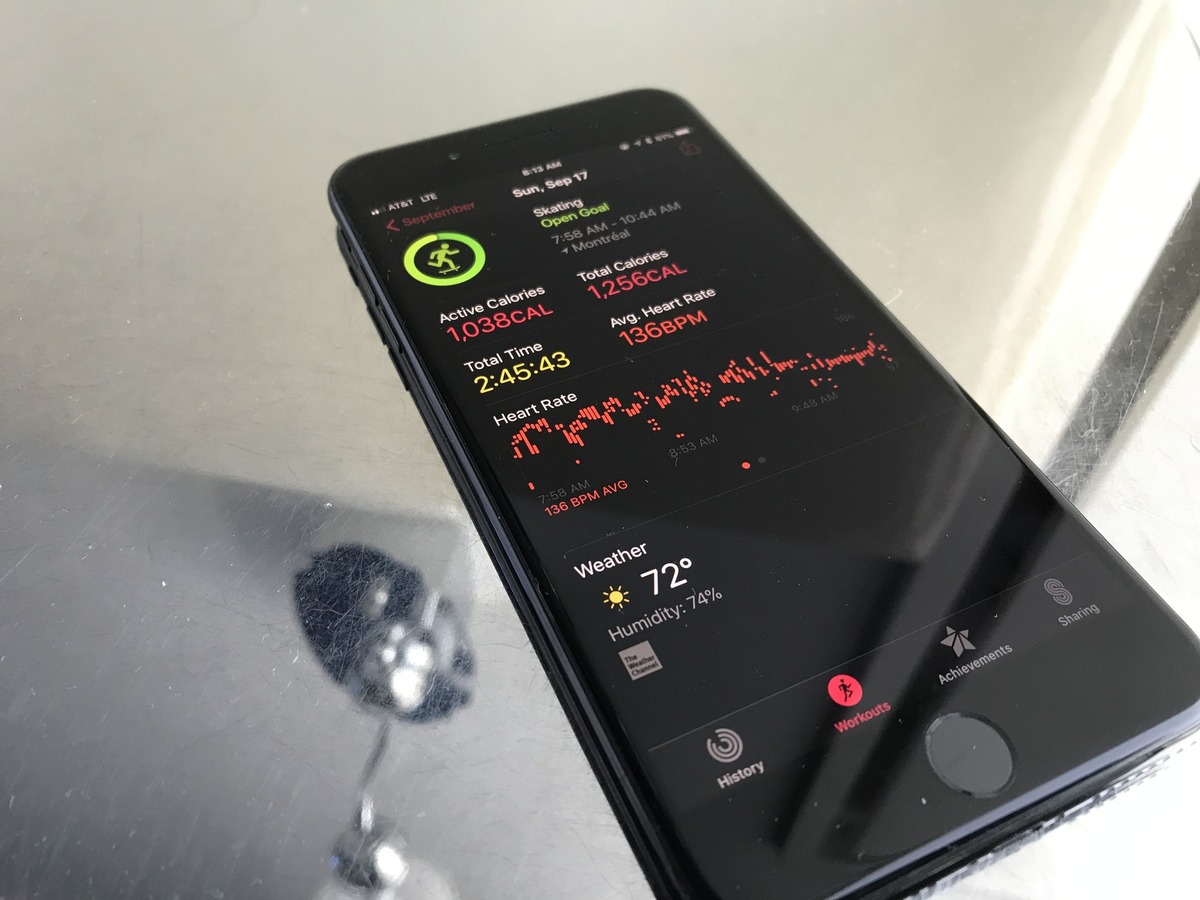
The Health app displays daily, weekly, and monthly heart-rate trends, allowing you to see how your resting, walking, and workout heart rates change. For additional insights, such as heart rate variability, recovery rate, or zone analysis, third-party apps available on the App Store can provide more detailed views. One such app requires iOS 17.0 or later, but that requirement is specific to the app, not the iPhone 12 system.
Frequently Asked Questions
Can I measure my heart rate with just my iPhone 12 and no other device?
No. The iPhone 12 has no built-in sensor to detect your pulse. You must use an Apple Watch, a HealthKit-enabled accessory, or a compatible app that records heart rate from an external device.
Is the heart rate data from an Apple Watch accurate?
Apple Watch heart-rate readings are generally accurate for fitness and wellness purposes. For medical-grade accuracy, consult a dedicated medical device.
Do I need to keep my iPhone 12 nearby for the Apple Watch to record heart rate?
No. The Apple Watch records heart rate independently during the day and during workouts. It syncs the data to the Health app on your iPhone when the devices are paired and within range.
Can I use third-party heart rate apps without an Apple Watch?
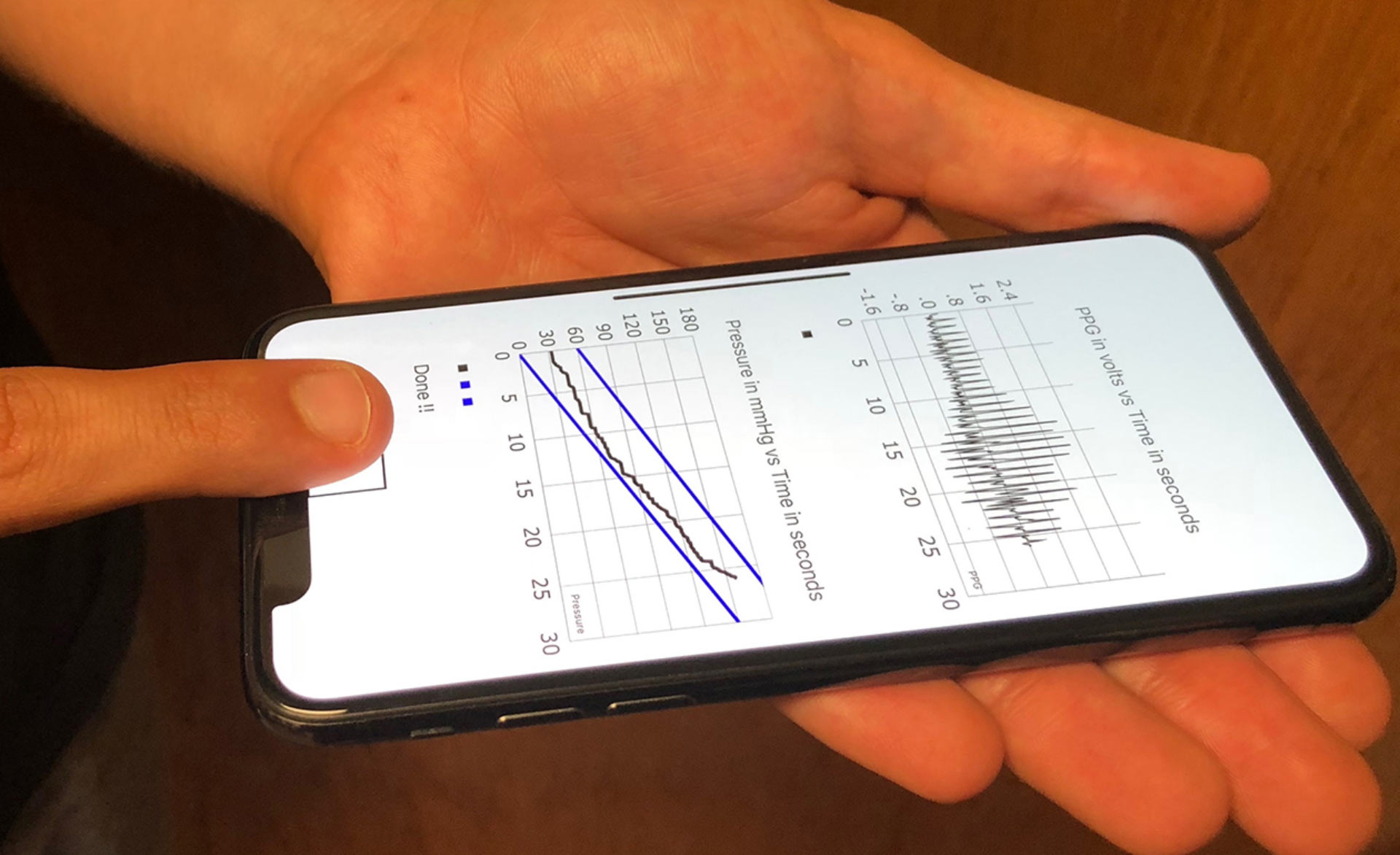
Yes, if the app uses your iPhone’s camera flash and lens to measure pulse (a method called photoplethysmography). These apps are not built into iOS and must be downloaded from the App Store. Their accuracy varies, and they are not a replacement for medical devices.
Why does my Health app show no heart rate data even after pairing my Apple Watch?
Make sure your Apple Watch is properly paired and that heart rate monitoring is enabled in the Watch app under Privacy > Heart Rate. Also confirm that the Health app has permission to read data from the Watch in Settings > Health > Data Access & Devices.
Can I track my pulse trends over time with iPhone 12?
Yes, the Health app displays daily, weekly, and monthly heart-rate trends when data is synced from a compatible device like an Apple Watch.
Are there any third-party apps for pulse monitoring on iPhone 12?
Yes, several third-party apps use the iPhone’s camera to measure pulse, though their accuracy varies and they are not substitutes for medical devices.
Related reading: How To Check Blood Pressure On IPhone 14 and How To Check Blood Pressure On IPhone 12.