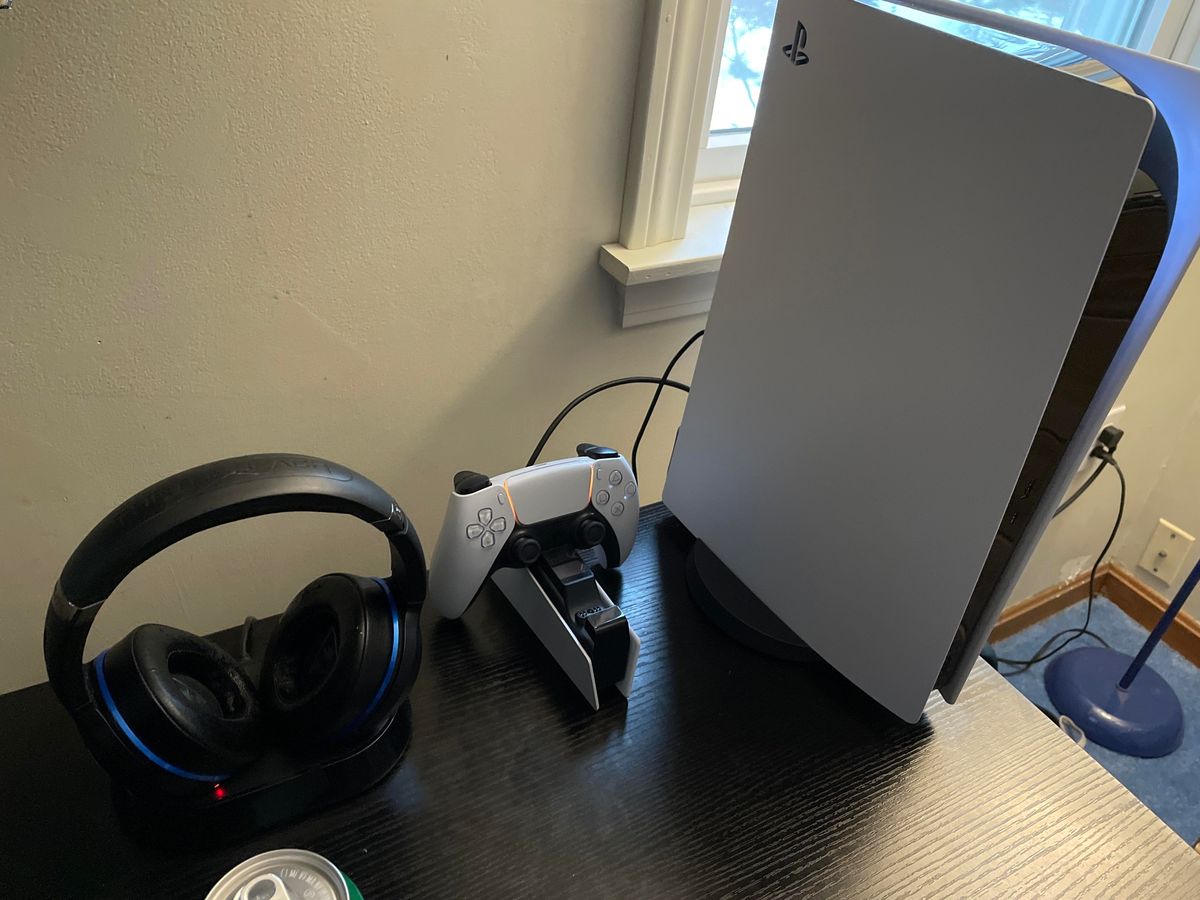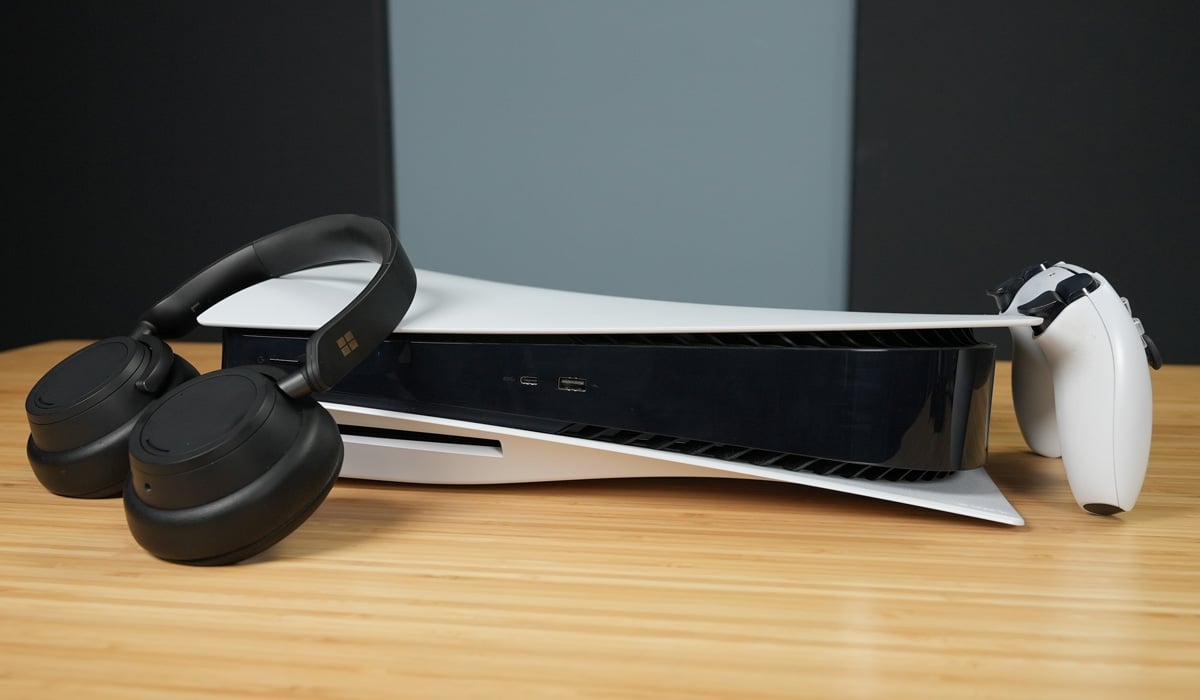




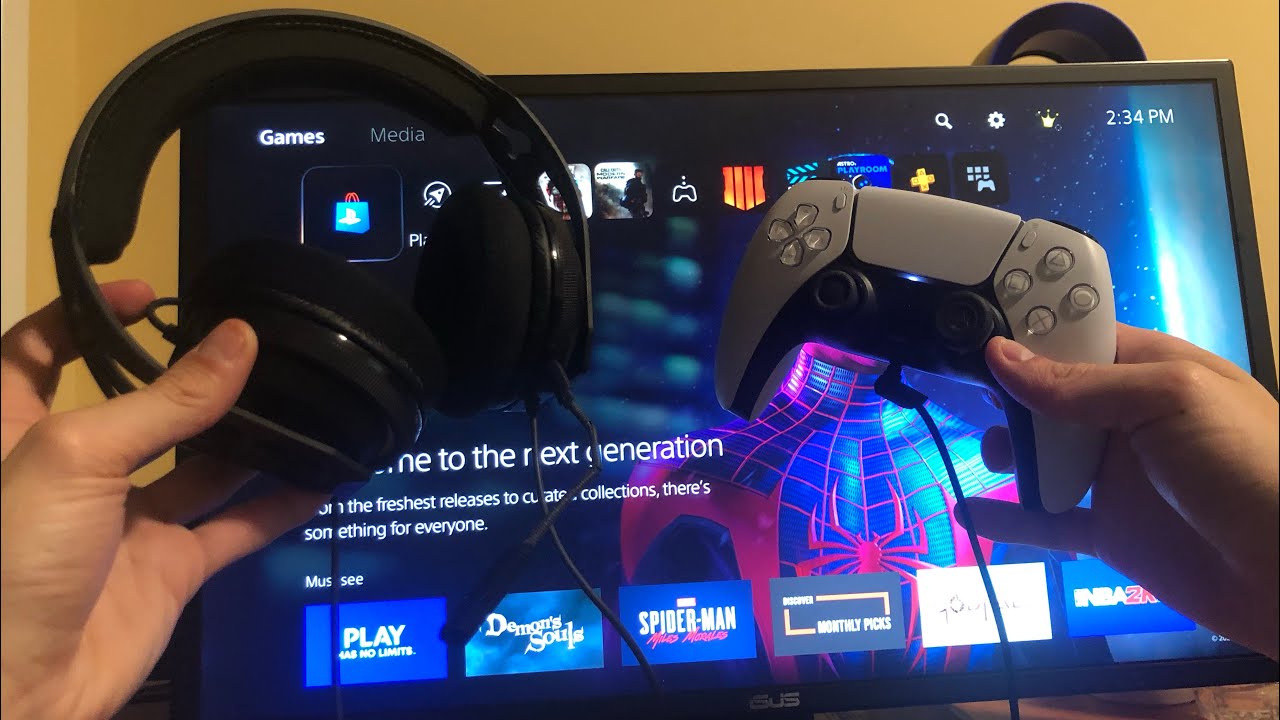
To connect a headset to PS5, plug a wired headset into the 3.5mm jack on your DualSense controller, or use the official USB adapter included with PlayStation wireless headsets. For standard Bluetooth headphones, you will need a third-party USB Bluetooth adapter to pair with the console.
How to connect a headset to PS5: your options at a glance
There are three main ways to connect a headset to your PS5. Wired headsets plug directly into the controller. Official PlayStation wireless headsets use a pre-paired USB adapter. Standard Bluetooth headphones require a third-party USB Bluetooth adapter. This overview helps you quickly find the section that matches your headset type.
Connecting a wired headset to PS5
Wired headsets offer a stable, reliable connection without worrying about battery life or wireless interference. This method works with any headset that has a standard 3.5mm audio plug.
- Locate the 3.5mm audio jack on your DualSense controller.
- Plug the headset cable firmly into the controller’s audio jack.
- Put on your headset and adjust it for a comfortable fit.
- Turn on your PS5 and go to Settings > Sound > Audio Output.
- Under Output Device, select Wired Headset.
- Adjust the volume and test the audio to confirm it is working.
This connection method is ideal for anyone connecting gaming headsets to consoles without needing batteries or pairing steps.
Connecting an official PlayStation wireless headset
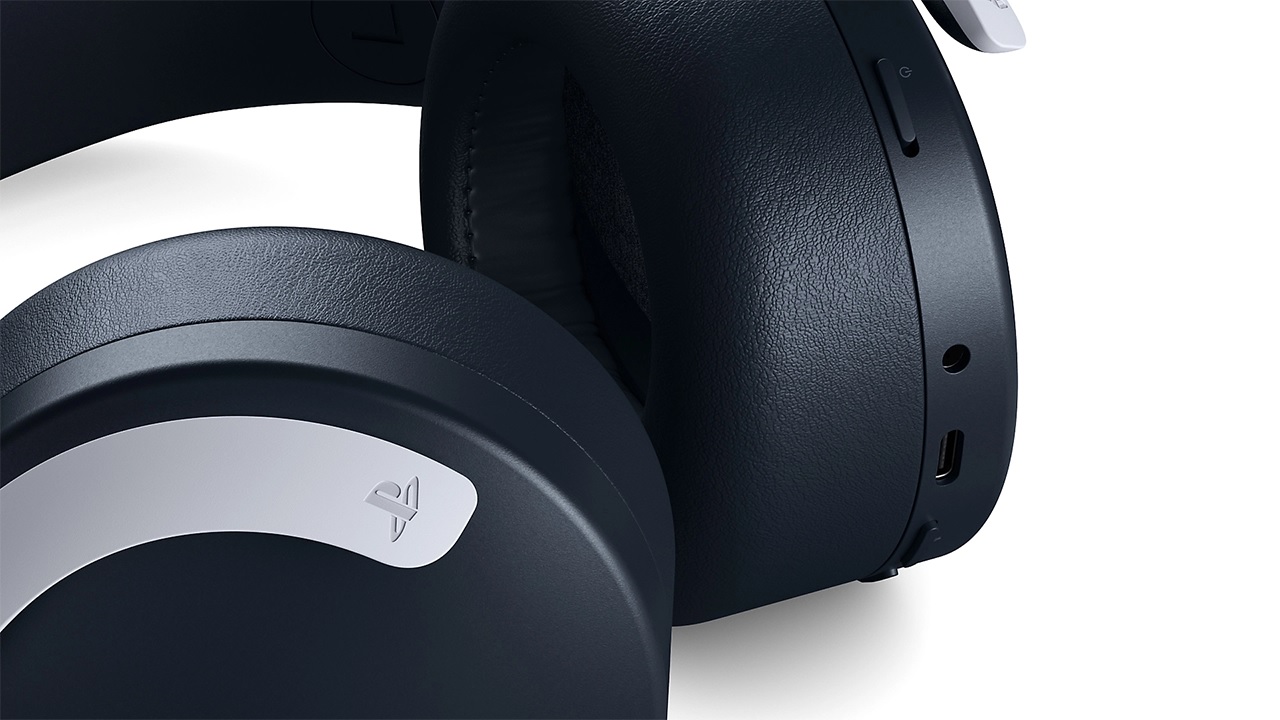
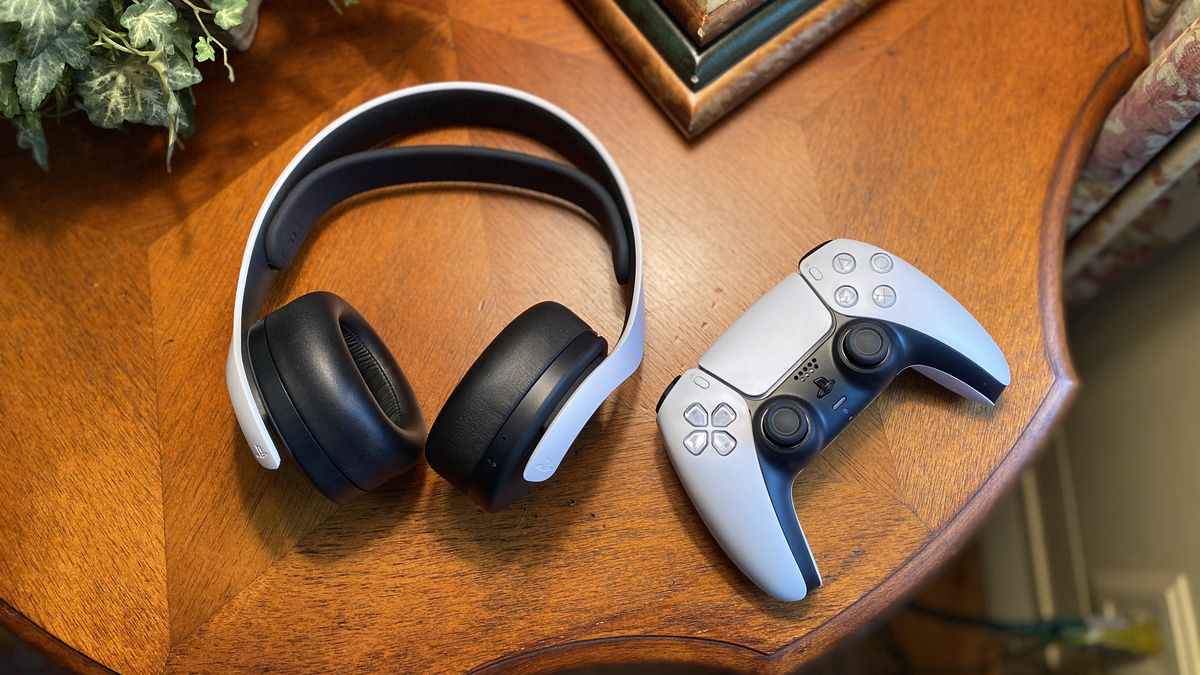
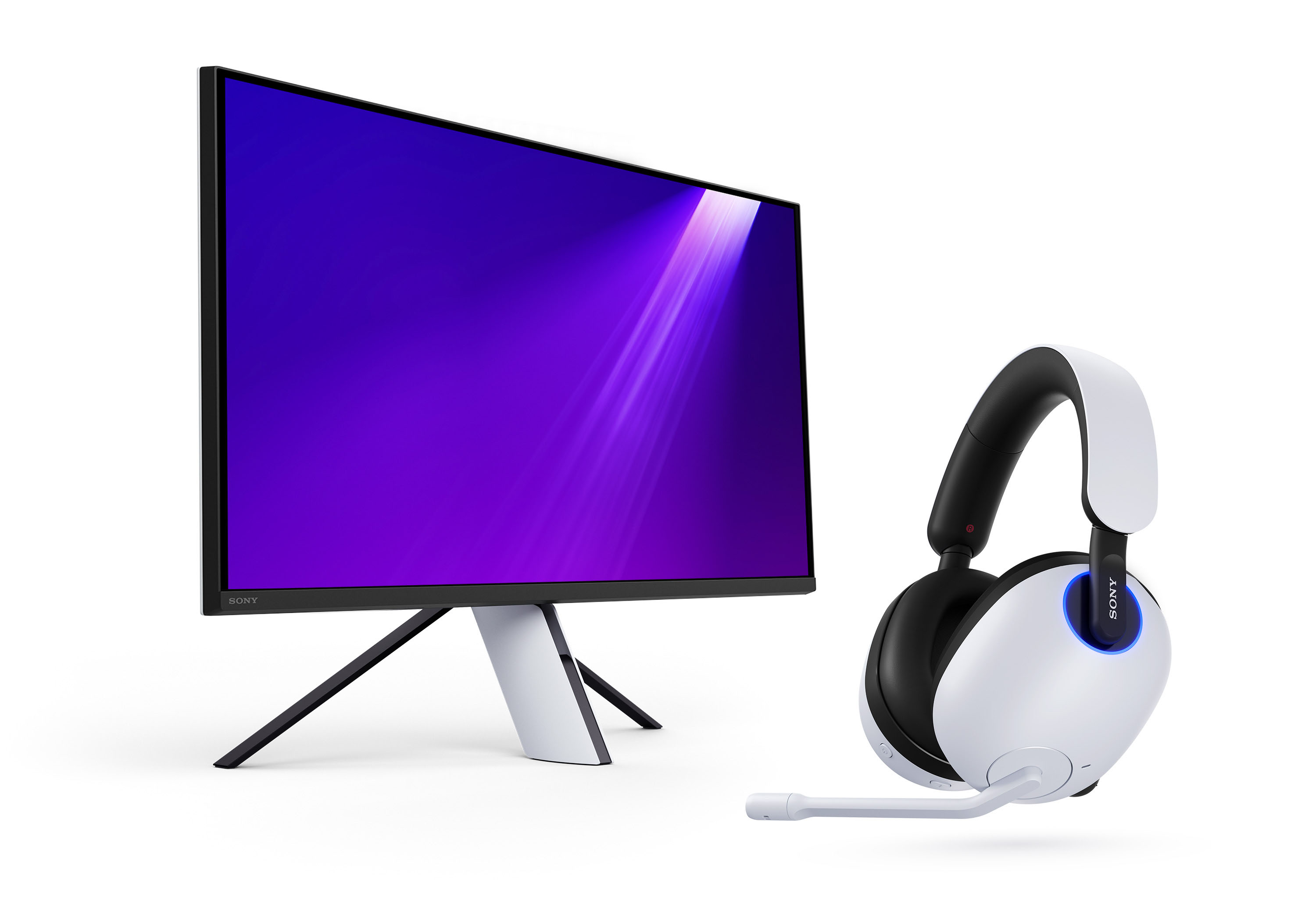
Official PlayStation wireless headsets, such as the PULSE 3D and PULSE Elite, come with a pre-paired USB adapter for simple setup.
- Plug the USB adapter into a USB Type-A port on your PS5 console.
- Switch on the headset.
- Wait for the status indicator to turn solid white (PULSE Elite) or stop blinking (PULSE 3D), confirming a successful connection.
Once connected, the headset is ready for game audio and chat without further configuration.
Connecting standard Bluetooth headphones to PS5
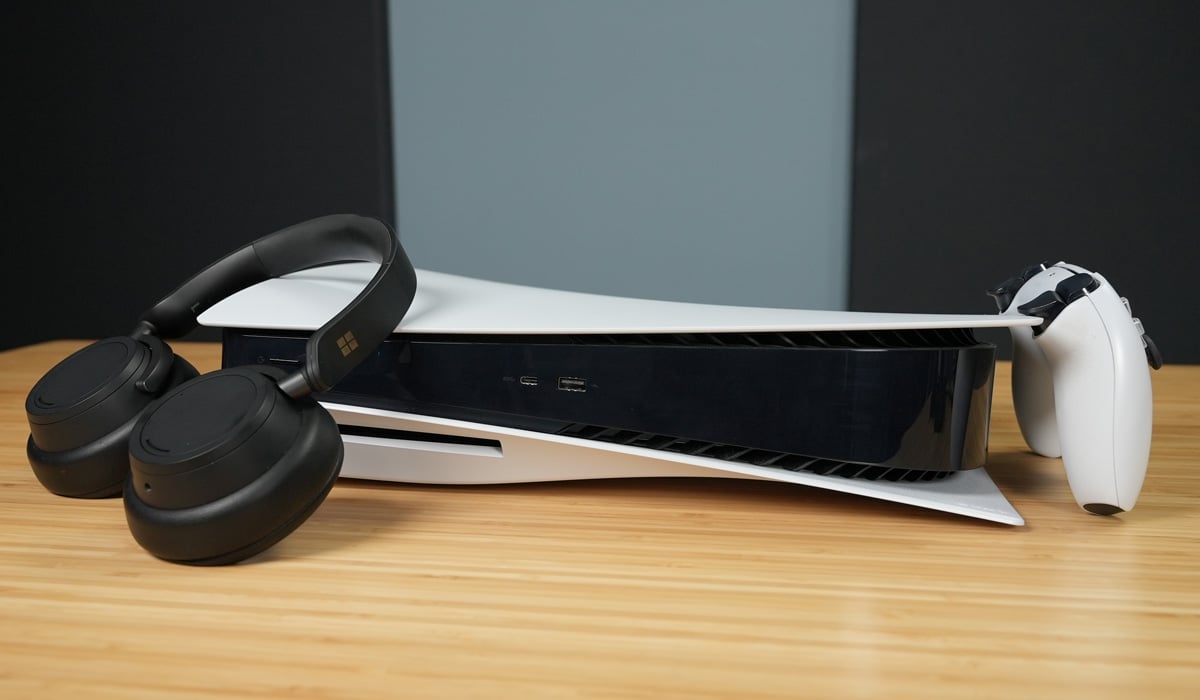
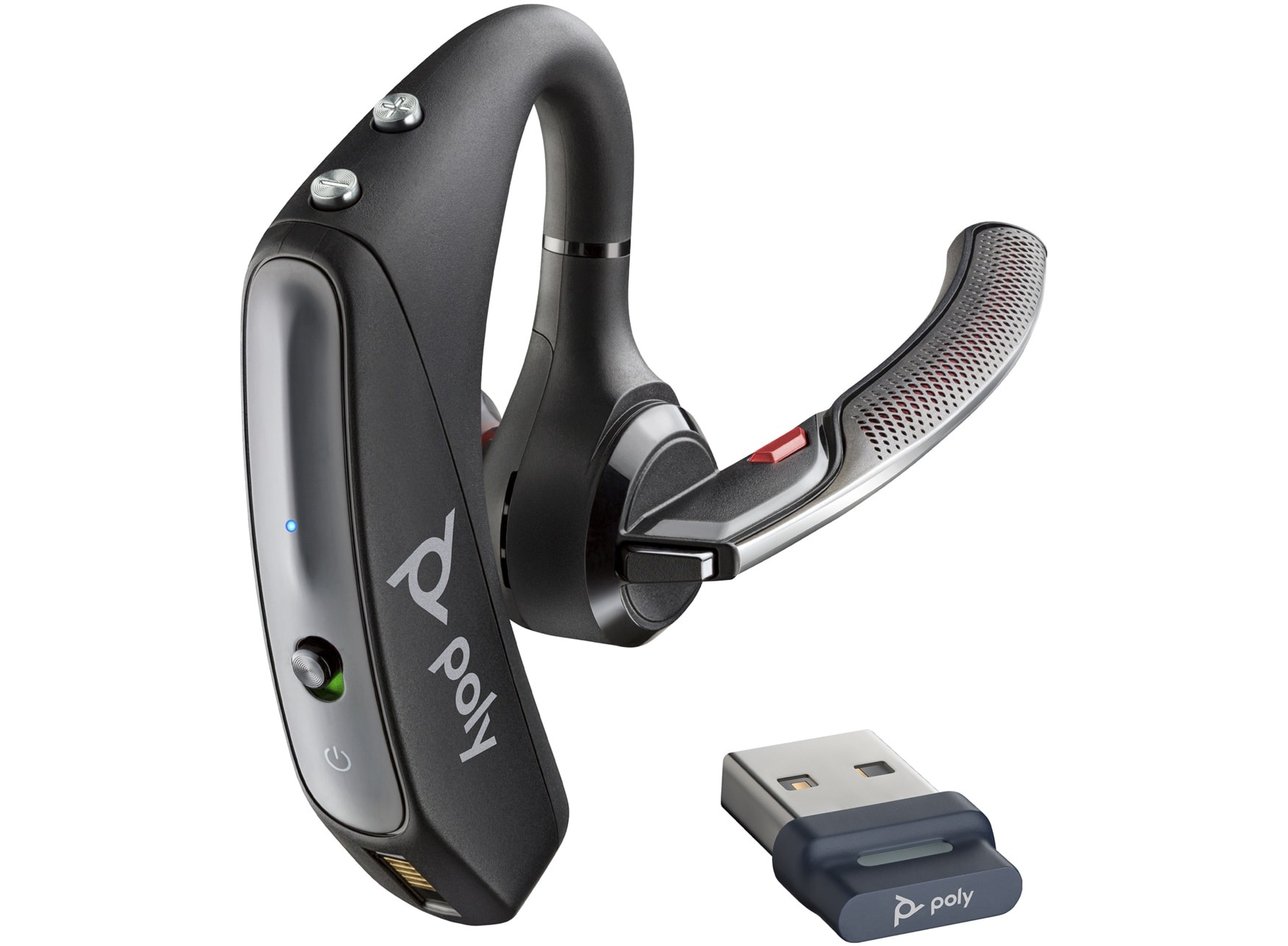
The PS5 does not support standard Bluetooth headphones directly. To use them, you must purchase a third-party USB Bluetooth adapter (USB-A or USB-C).
- Plug the Bluetooth adapter into a USB port on your PS5.
- Put both the adapter and your headphones into pairing mode (refer to your adapter’s and headphones’ manuals for the specific method).
- Allow them to connect. The adapter will handle the wireless link with your headphones.
Some Bluetooth headsets may require entering a passcode during pairing; always refer to the headset's user manual for specific instructions. This method works with most consumer Bluetooth headphones, but audio latency or microphone quality may vary depending on the adapter and headset.
Adjusting headset audio settings on PS5
After connecting your headset, you can fine-tune the audio experience through the PS5 settings menu.
Changing the output device
Go to Settings > Sound > Audio Output and select your connected headset as the Output Device.
Sound Format setting
Under Settings > Sound > Audio Output, choose between Linear PCM and Bitstream (Dolby) based on your audio setup preference.
Audio Presets
Under Settings > Sound > Audio Output, PS5 offers presets optimized for games, movies, and music.
Enabling 3D audio for headphones
For supported games, you can enable 3D Audio for Headphones in Settings > Sound > Audio Output. This creates an immersive soundstage with directional audio cues.
Adjusting volume and mic monitoring
Use the DualSense controller or the media remote to adjust headset volume. To enable or adjust mic monitoring (sidetone), go to Settings > Sound > Microphone. Mic monitoring lets you hear your own voice through the headset, which helps you avoid speaking too loudly or softly during online chat.
Troubleshooting PS5 headset connection problems
If your headset is not working correctly, try these common fixes before seeking further help.
- Check compatibility: Verify your headset works with PS5. Most wired and USB headsets are compatible, but some Bluetooth models may require specific adapters.
- Reseat cables: Disconnect and reconnect all cables firmly. If using a wired headset via USB, try a different USB port on the PS5 if connection issues occur.
- Update console software: Ensure your PS5 is running the latest system software, as updates often fix compatibility issues.
- Reset Bluetooth accessories: For Bluetooth headsets, go to Settings > Accessories > Bluetooth Accessories, choose Forget Device, then restart the PS5 and re-pair the headset.
- Charge wireless headsets: Low battery can cause connection drops or failure. Charge the headset fully.
- Check headset mic mute button or switch: If the microphone is not working, verify the mute button or switch on the headset is not engaged.
- Test on another device: Connect your headset to a smartphone or computer. If it works there, the issue is likely with the PS5 or its settings.
- Restart the PS5: Turn off the console, unplug the power cord for a few minutes, then plug it back in and power it on.
If none of these steps resolve the problem, contact the headset manufacturer’s support for further assistance.
Frequently Asked Questions
Can I use my PS4 headset with the PS5?
Yes, PS4 headsets are generally compatible with the PS5. You can connect them using the same wired or wireless method described above. However, some specific features like 3D audio may not work with older PS4 headsets.
Is any headset compatible with the PS5?
Most headsets that use a 3.5mm audio jack or a USB connection are compatible. Wireless Bluetooth headsets require a third-party USB Bluetooth adapter. Always check the manufacturer’s compatibility list before purchasing.
What features should I look for when buying a PS5 headset?
Look for comfort with adjustable headbands and cushioned ear cups, high-quality audio and microphone performance, and compatibility with PS5’s 3D audio feature. Decide between wired reliability or wireless freedom based on your preferences.
Related reading: How To Connect PS5 Headset and How To Connect Pulse 3D Headset To PS5.