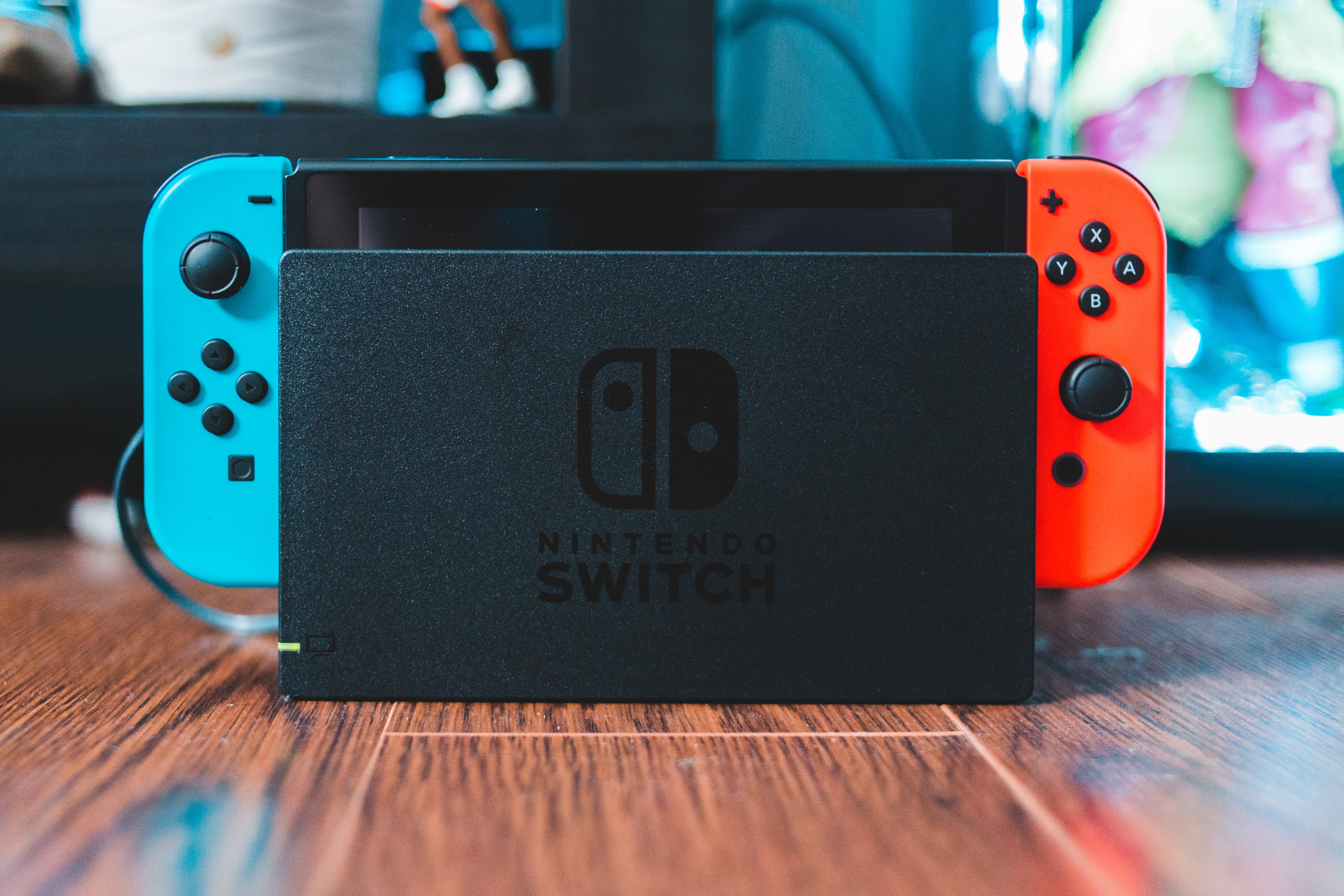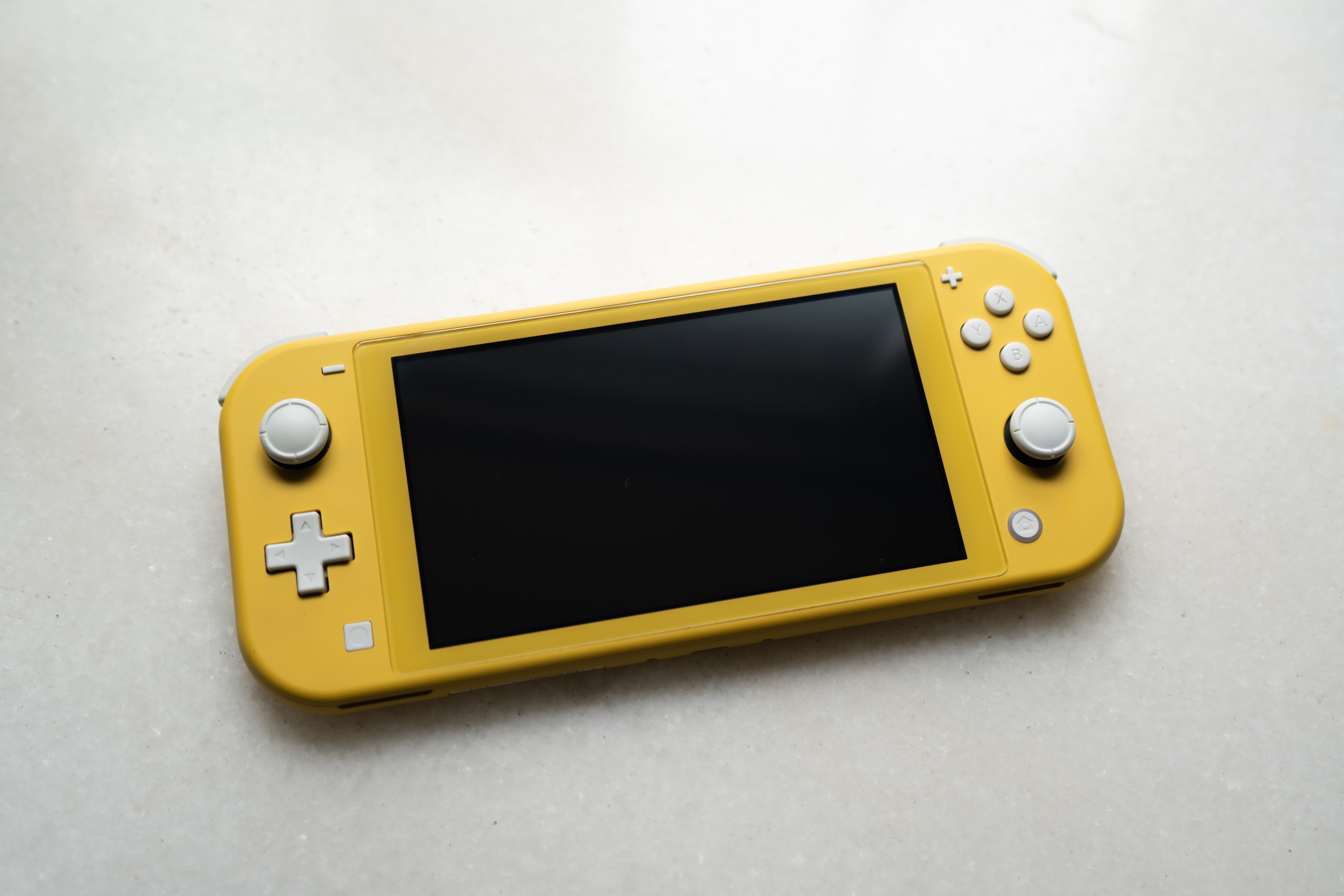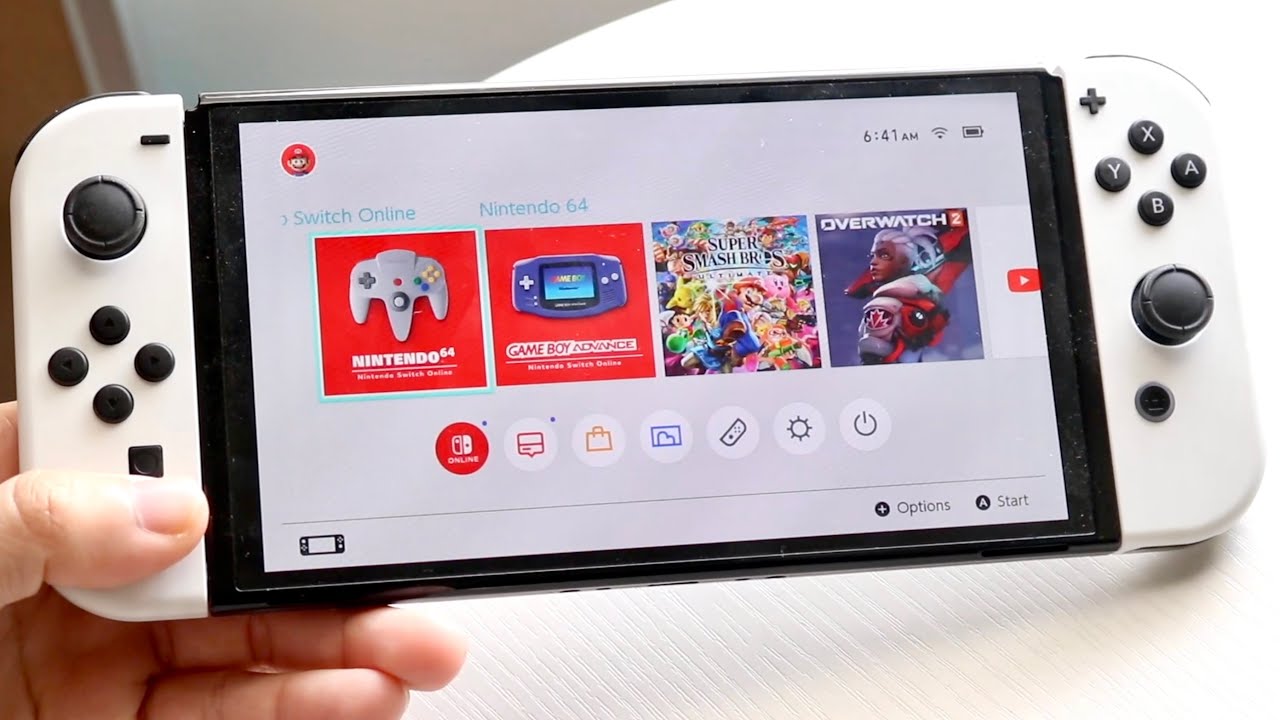




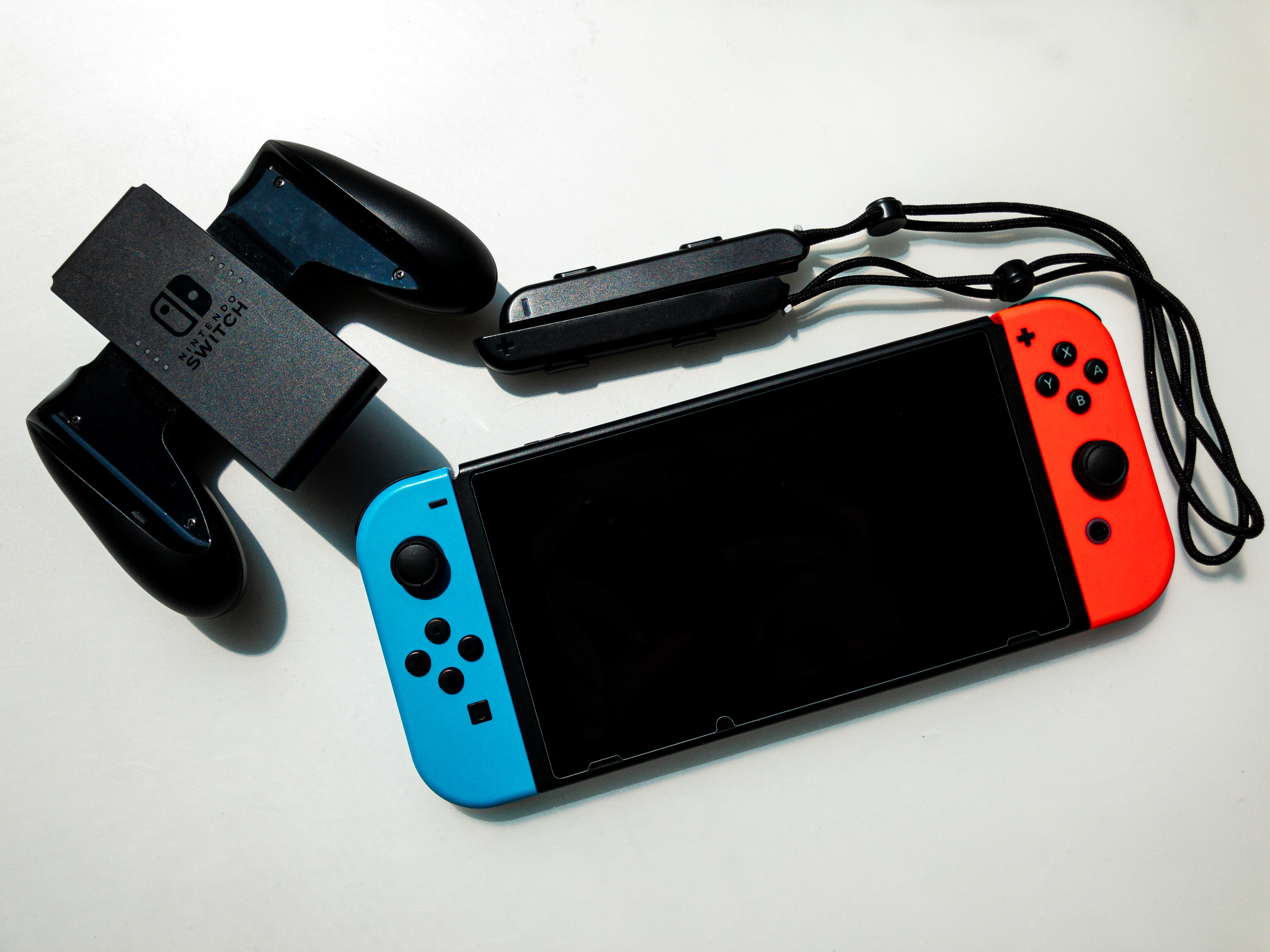
To replace a Nintendo Switch Joy-Con joystick yourself, you will need to disassemble the controller, remove the faulty module, and install a new one. This do-it-yourself guide walks through the process for replacing a drifting or unresponsive joystick, but it is not an official Nintendo repair procedure.
Before you replace your Nintendo Switch Joy-Con joystick
Nintendo’s official support pages do not provide a step-by-step DIY joystick replacement guide for the Joy-Con. Instead, Nintendo directs users with drifting or unresponsive sticks to set up a repair or service request. Nintendo states that it “currently only services Nintendo Switch 2, Nintendo Switch, and New Nintendo 2DS XL systems and accessories,” and that users should follow the troubleshooting steps in the relevant support article before selecting Start a service request. Nintendo can only offer service for accessories made by Nintendo, and for warranty cases the defective item and proof of purchase are required.
Tools and materials you will need
- Tri-wing screwdriver
- Phillips screwdriver
- Replacement joystick
- Tweezers
- Pry tool or spudger
- Microfiber cloth to clean any dust or debris that may have accumulated inside your Nintendo Switch
- Adhesive to secure the replacement joystick in place
- Container for screws or a magnetic mat to keep them organized and avoid losing them
Remove the Joy-Con back cover and disconnect the battery
- Power off the Nintendo Switch completely and ensure it is not connected to any power source.
- Use the tri-wing screwdriver to remove the four tri-wing screws on the back of the Joy-Con. Place the screws in a safe container.
- Insert the pry tool or spudger between the back cover and the Joy-Con frame. Gently slide it along the edges to release the clips that hold the back cover in place. Lift the back cover off and set it aside.
- Locate the battery connector on the mainboard. Using your fingers or a non-metal tool, carefully unplug the battery connector from the mainboard. Verify the battery is disconnected by attempting to power on the device; it should not turn on.
Remove the old joystick module
- Locate the ribbon cable connecting the joystick module to the circuit board. Using tweezers, gently disconnect the ribbon cable by lifting the small latch or pulling the cable straight out. Be cautious and apply gentle pressure to avoid damage.
- Use the Phillips screwdriver to unscrew the screws securing the joystick module in place.
- Lift the old joystick module out of its housing. Set it aside.
- Inspect the internal components and the housing of the Joy-Con for any dirt, debris, or residue. If you notice any, carefully clean it using a soft cloth or a cotton swab lightly dampened with isopropyl alcohol.
Install the new joystick and reassemble
- Align the new joystick module with the socket in the Joy-Con housing. Ensure the pins on the joystick match the holes on the circuit board. Gently press the new joystick into place until it is securely seated.
- Secure the new joystick module with the screws you removed earlier. Tighten them firmly but not too tight.
- Reconnect the ribbon cable to the circuit board. Carefully align the pins on the cable with the connector and gently press it into place until secure. Double-check that the connection is properly aligned.
- Reconnect the battery connector to the mainboard, ensuring it is securely fastened in the correct orientation.
- Align the back cover with the Joy-Con and press it down until it clicks into place. Ensure all clips are securely fastened.
- Use the tri-wing screwdriver to reinstall the four tri-wing screws on the back cover. Tighten them snugly.
Test and calibrate your new joystick
- Power on the Nintendo Switch.
- Navigate to System Settings, then select Controllers and Sensors.
- Select Calibrate Control Sticks. Follow the on-screen instructions to test the joystick for responsiveness and to fix any remaining drift. Move the joystick in all directions as prompted.
- If the joystick still behaves erratically, repeat the calibration process. If issues persist, the installation may need to be checked.
Frequently Asked Questions
How do I know if my Nintendo Switch joystick needs to be replaced?
If the joystick is unresponsive, drifts (moves on its own), or sticks in one direction, and you have already tried recalibrating it through the system settings, replacement is likely needed. You may experience issues with input lag or the joystick not registering your movements accurately as signs it needs replacement. Nintendo’s support page identifies this issue as “Joy-Con Control Sticks Are Not Responding or Respond Incorrectly (responsiveness syndrome or so-called ‘drifting’).”
Can I replace the Nintendo Switch joystick myself?
Yes, it is possible to replace the joystick yourself, but it requires technical precision and the correct tools. If you are uncomfortable with disassembly, consider sending the Joy-Con to Nintendo for service. You can also apply the same skills if you ever need to fix your Xbox controller joystick, fix joystick drift on Oculus Quest 2, or fix a controller joystick that moves by itself.
Where can I buy a replacement Nintendo Switch joystick?
Replacement joysticks are available from online retailers such as Amazon and eBay, as well as electronics stores like Best Buy. Ensure the replacement is compatible with your specific Joy-Con model before purchasing.
Are there any alternative solutions to replacing the joystick?
Cleaning the joystick mechanism with compressed air or a small brush can sometimes resolve minor issues caused by dust or debris. Recalibrating the joystick through the system settings may also help. If these steps fail, replacement is the next option.
Is it better to replace the entire Joy-Con controller or just the joystick?
If only the joystick is faulty, replacing just the module is more cost-effective. If other components are damaged or the controller has multiple issues, replacing the entire Joy-Con may be a better choice.