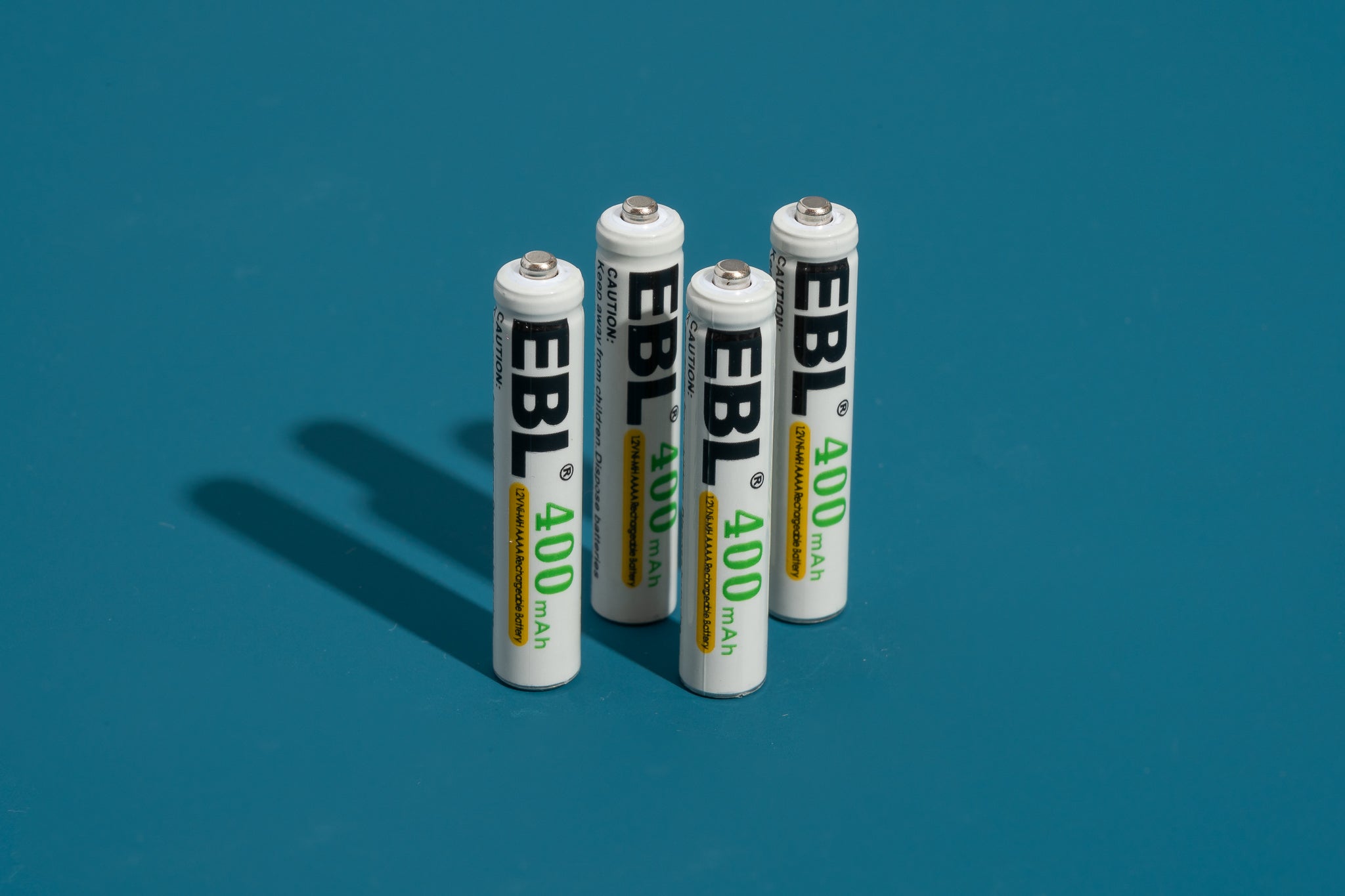






What does Ah mean on a battery? It stands for Ampere-hour, a unit of electric charge that measures a battery's capacity to store and deliver electrical charge over time. A 10Ah battery, for example, can theoretically deliver 10 amps for 1 hour, 1 amp for 10 hours, or 2 amps for 5 hours, making this rating the key spec for estimating how long a battery will power your device.
What does ah mean on a battery?
Ampere-hour (Ah) is the standard unit for battery capacity, representing the total charge a battery can supply. The basic formula is Ah = Current (Amps) × Time (Hours). A higher Ah rating generally means the battery can power a device for a longer duration, though real-world results depend on several factors.
Amp-hour rating and battery runtime
To estimate runtime using the Ah rating, you need to know your device's current draw in amps. Divide the battery's Ah rating by the device's current draw to get approximate hours of operation. For instance, a device drawing 2 amps from a 10Ah battery would theoretically run for 5 hours (10Ah ÷ 2A = 5 hours). Real-world runtime varies due to factors like temperature, battery age, and discharge rate, so treat this as a starting estimate rather than a guarantee.
Factors that affect real-world Ah performance
Three primary factors cause actual battery capacity to differ from the rated Ah:
- Battery chemistry: Different chemistries (lithium-ion, alkaline, lead-acid) have varying energy densities and discharge characteristics, affecting how much of the rated capacity is actually usable.
- Temperature: Extreme temperatures, both hot and cold, can reduce a battery's capacity, efficiency, and overall lifespan, with cold increasing internal resistance and heat accelerating self-discharge.
- Discharge rate: Higher discharge rates often lower the effective capacity a battery can deliver, meaning a battery rated at 10Ah for a slow draw may deliver less at a fast draw.
Common misconceptions about battery Ah ratings
Three persistent myths about Ah ratings need correcting:
Myth: A higher Ah rating means more power output. The Ah rating measures capacity, not the immediate power output of a battery, which is determined by its voltage and chemistry. A high Ah battery can still have low power output if its voltage is low.
Myth: A higher Ah battery will damage a device by forcing too much current. Installing a battery with a higher Ah rating does not make a device consume more electricity; the device will only draw the current it requires, and the higher Ah simply provides longer runtime.
Myth: Ah is the only spec you need to check when buying a replacement battery. Relying solely on the Ah rating for battery selection is insufficient; voltage, discharge rate, and battery chemistry must also be considered to ensure compatibility and performance.
How to choose the right Ah rating for your device
Match the Ah rating to your device's power demands. For low-drain devices like remote controls or clocks, a lower Ah rating is sufficient. For high-drain devices like digital cameras, power tools, or smartphones, a higher Ah rating provides longer runtime between charges. For high-drain devices, it is worth considering batteries with an Ah rating of 2000mAh or higher. Always verify that the replacement battery matches the original's voltage and chemistry, as mismatches can damage the device or prevent operation. When comparing AA and AAA battery specs, note that these standard sizes have typical Ah ranges that vary by chemistry (alkaline vs. rechargeable NiMH), so check the label for the specific Ah rating rather than assuming all AA batteries are equal.
Frequently Asked Questions
What is the difference between Ah and Amps?
Ampere-hours (Ah) measure total charge capacity, while Amps (A) measure the rate of current flow at a given moment. Ah tells you how long a battery can sustain a specific current, whereas Amps indicate the instantaneous draw.
What are typical Ah capacities for different battery sizes?
Common ranges include smartphone batteries (2,000mAh to 4,000mAh, which is 2Ah to 4Ah), car batteries (40Ah to 120Ah), and larger renewable energy system batteries (thousands of Ah).
Is it safe to use a battery with a higher Ah rating than originally specified?
Yes, as long as the voltage and physical dimensions match your device. A higher Ah battery will simply provide longer runtime without damaging the device, since the device only draws the current it needs.
For the wider topic, see AA and AAA battery specs.
Related reading: What Does Mah Mean On A Battery and How Long Does A 5000mAh Power Bank Last.