




mAh stands for milliampere-hour, a unit of electric charge capacity that measures how much charge a battery can hold and deliver over time. When you see a battery labeled with a higher mAh number, it generally means the battery can store more charge, but it does not tell you the charging speed or the total energy across different voltages.
What does mAh mean on a battery?
Milliampere-hour (mAh) is the standard way manufacturers list battery capacity for phones. It measures the amount of electric charge a battery can deliver over one hour. For example, a 3000 mAh battery can theoretically deliver 3000 milliamperes (3 amperes) of current for one hour. The rating helps you compare batteries of the same type and similar voltage, but it does not by itself indicate how fast the battery charges or how much total energy it holds when voltages differ.
How mAh relates to your phone's battery life
A larger mAh number generally means longer runtime between charges because the battery holds more charge. However, real-world battery life depends heavily on device efficiency, screen use, signal strength, background activity, and battery age. The mAh rating is a capacity indicator, not a guarantee of actual runtime.
How to check your iPhone battery capacity and cycle count
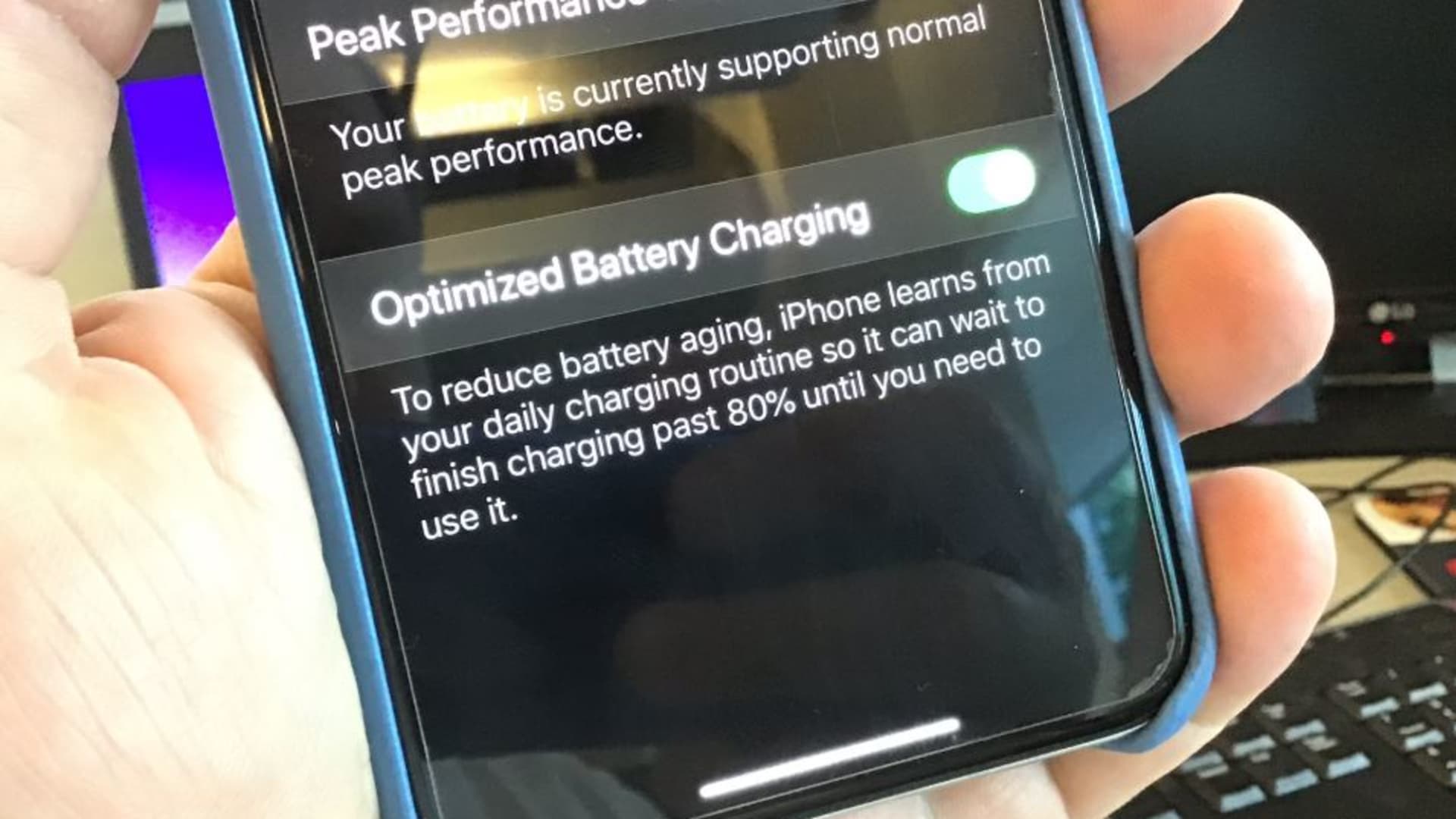
On iPhone, open Settings > Battery > Battery Health. This screen shows the maximum battery capacity as a percentage of the original capacity and the peak performance capability. Apple documents that the displayed maximum capacity may be slightly below 100 percent depending on the time between manufacture and activation. On iPhone 15 models and later with iOS 17.4 and later, the same menu also shows whether a battery replacement is recommended, the cycle count, when the battery was manufactured, and when it was first used. Apple documents battery-health details for iPhone 11 and later, with expanded battery-health and cycle-count details for iPhone 15 models and later with iOS 17.4 and later. Apple separately documents battery-health access on iPhone generally through Settings > Battery > Battery Health.
Documented battery lifespan: what Apple says to expect
Apple states that iPhone batteries are designed to retain 80 percent of their original capacity after a certain number of complete charge cycles under ideal conditions. For iPhone 14 models and earlier, this target is 500 complete charge cycles. For iPhone 15 models and later, the target is 1000 complete charge cycles. These figures assume ideal conditions, and real-world results vary with usage, temperature, and charging habits.
What Android users can check about battery capacity
In the Android Open Source Project, battery capacity is represented as battery.capacity, described as total battery capacity in mAh. Android’s framework uses current multiplied by active time to compute mAh values for estimating battery drain. However, there is no single universal menu path like Settings > Battery > Battery Health for all Android devices. Consumer battery-health screens vary by manufacturer and model, so you may need to check your specific device’s settings or use a third-party app to see capacity details.
What reduces usable battery capacity over time
Battery chemistry and age naturally reduce usable capacity. Heat and repeated charging cycles accelerate this loss. Additionally, how you use your phone matters: app use, display brightness, wireless signal strength, and background activity all affect how fast the remaining capacity is consumed. Even a battery with a high mAh rating will drain quickly under heavy load or poor signal conditions.
Frequently Asked Questions
Can I use a battery with a higher mAh than the original in my phone?
In most cases, yes. Devices are designed to handle a range of mAh values, so a higher mAh battery can extend battery life. However, you must ensure the battery is specifically designed for your device and follow the manufacturer’s guidelines for compatibility and safety.
Does a higher mAh battery charge slower?
Generally, yes. A battery with a higher mAh rating takes longer to charge because it requires more charge to reach full capacity. Modern chargers often adjust current to optimize charging times, so the difference may not be significant in practice.
Are all batteries with the same mAh rating equal in performance?
Not necessarily. While mAh indicates capacity, overall performance depends on battery quality, manufacturer, and technology. Reputable brands often deliver more consistent and reliable performance, even at the same mAh rating.
Does mAh affect charging speed?
No, mAh alone does not determine charging speed. Charging speed depends on the charger’s output current and the device’s charging circuitry. A higher mAh battery may take longer to charge, but the rate at which it charges is governed by the charger and phone, not the mAh number itself.
What does mAh mean for AA and AAA battery specs?
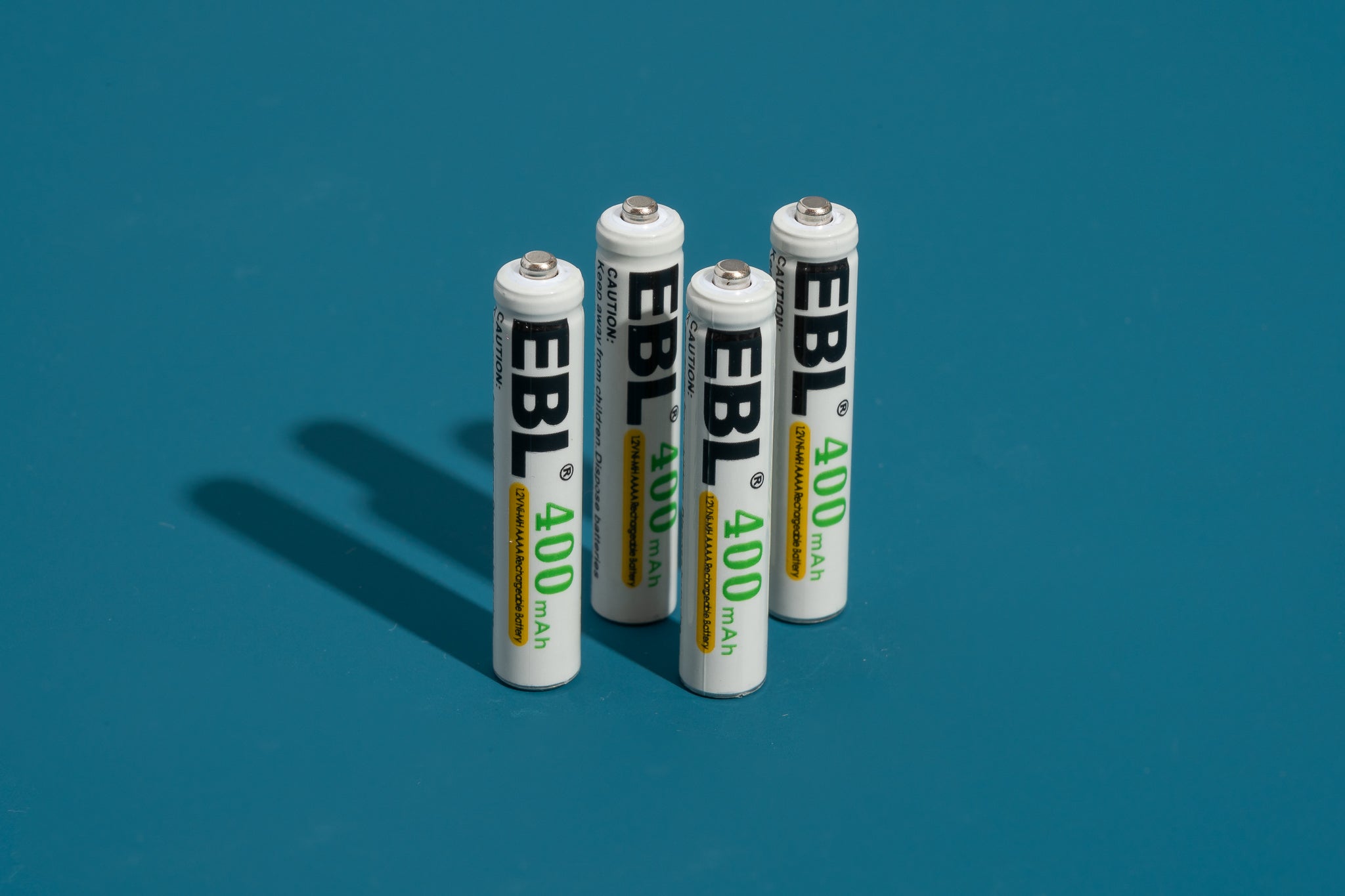
For AA and AAA battery specs, mAh works the same way: it measures the charge capacity. Higher mAh in standard alkaline or rechargeable AA and AAA batteries means longer runtime in devices like remotes or flashlights, though voltage and chemistry also play a role.
Related reading: What Does Ah Mean On A Battery and What Happens If I Turn Off Optimized Battery Charging.