




To clean iPhone speakers safely and effectively, you need to remove dust and debris from the speaker grilles without pushing material deeper into the device. For water damage and liquid removal, the priority is to power off the phone immediately and let it dry in a ventilated area before attempting any water-ejection methods.
How to clean iPhone speakers safely
Use only verified safe tools to avoid damaging the delicate speaker mesh. Never use compressed air, which can force debris further into the grille, or unverified liquid cleaners that may leave residue.
- Power off your iPhone to prevent any electrical issues during cleaning.
- Remove the case to access the speaker openings fully.
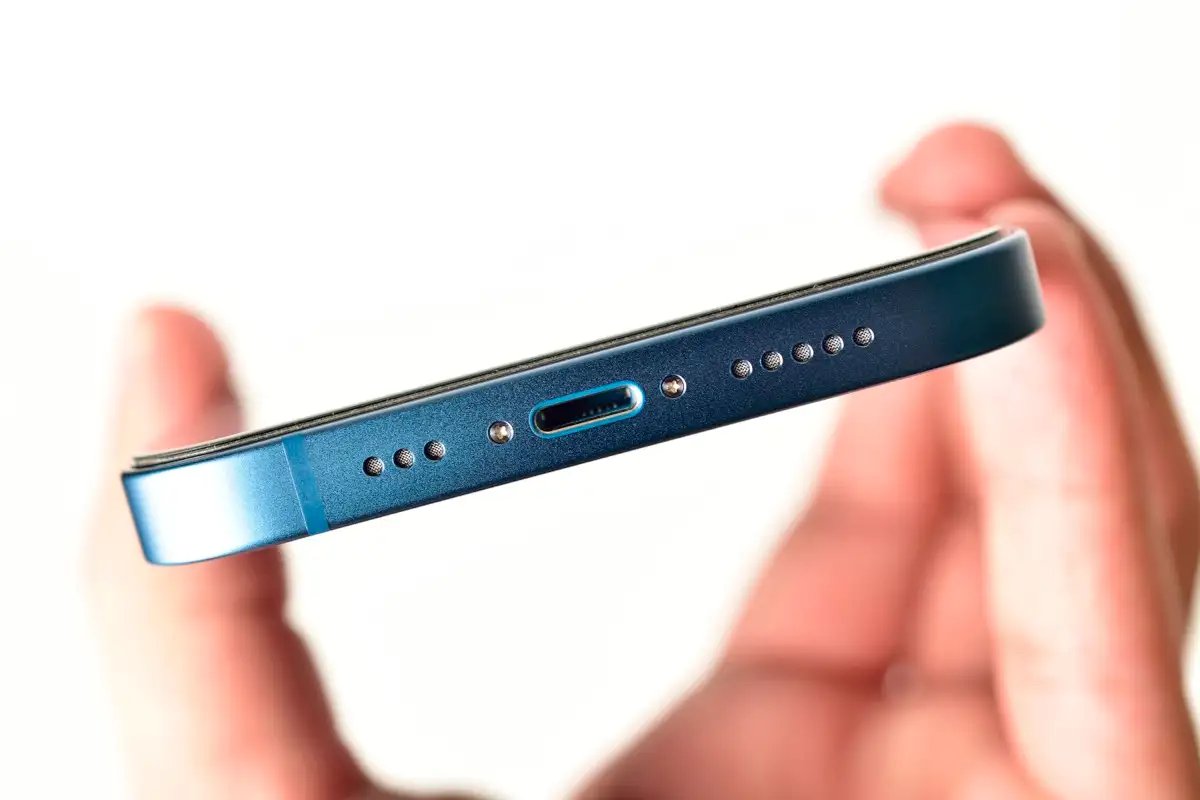
- Gently brush the speaker grilles with a soft dry brush, such as a clean, soft-bristled toothbrush or a small electronics brush. Use light, short strokes to dislodge dust and lint.
- If debris remains, use cleaning putty or sticky tape (like painter's tape) to lift particles from the grille. Press the putty or tape gently onto the surface and peel it away.
- Wipe the exterior of the speakers with a soft, lint-free cloth to remove surface smudges.
For stubborn grime, you may use a small amount of 70% or 75% isopropyl alcohol on a lint-free cloth, but this recommendation comes from secondary sources, not Apple. Ensure the speakers dry completely before powering the device back on.
How to get water out of iPhone speakers
Immediate action after liquid exposure can prevent permanent damage. Follow these first-aid steps before trying any water-ejection tools.
- Power off the iPhone immediately if you suspect liquid has entered the device.
- Remove the case and any accessories.
- Gently tap the iPhone with the Lightning or USB-C connector facing down to encourage water to drip out of the speaker openings. Do not shake the phone vigorously.
- Use a vacuum cleaner on a low setting with a small attachment to remove excess water from the speaker grilles.
- Place the iPhone in a dry area with good airflow, such as near a fan, with the speaker openings facing down. Alternatively, use a hairdryer on a low heat setting, held a few inches away and kept moving, to evaporate water.
- Leave the device undisturbed for at least five hours or until it is completely dry. Do not charge the phone or open the SIM tray during this period.
- For thorough moisture absorption, place the iPhone in a sealed container with desiccant or silica gel packets for at least 24 hours.
Avoid shaking or blowing into the speakers, as this can push water further inside. If sound remains muffled after drying, proceed to the sound-based ejection method below.
Using sound to eject water from speakers
Several App Store apps claim to eject water from iPhone or iPad speakers by playing specific sound frequencies. These apps typically instruct you to set the volume to maximum, face the speaker grilles downward, and tap an "Eject" button. A built-in Siri Shortcut for water ejection may also be available on your device. For detailed setup instructions and supported models, refer to the dedicated sibling article on this topic.
What to avoid when cleaning or drying your speakers
Certain methods can cause irreversible damage to your iPhone's speakers or internal components. Never use the following:
- Compressed air: Can push debris and moisture deeper into the speaker mesh or internal components.
- Vacuums: May create static electricity or apply excessive suction that damages the delicate grille.
- Hairdryers or heat guns: Heat can warp seals, damage adhesive, and harm the battery.
- Inserting objects into the grille: Cotton swabs, paper clips, or toothpicks can puncture the speaker mesh or push debris inside.
- Unverified liquid cleaners: Alcohol-based or chemical cleaners not approved by Apple can leave residue or corrode internal parts.
- Rice or desiccants: Rice can leave starch particles inside the device, and silica gel packets are not a reliable substitute for proper drying.
When to seek professional help
If your iPhone's sound remains muffled after following the drying steps and using sound-based ejection methods, or if the liquid exposure was significant (e.g., full submersion or contact with corrosive liquids), professional service is recommended. Contact Apple Support for guidance or take the device to an authorized service center. If your warranty or AppleCare plan covers liquid damage, you may be eligible for reduced-cost or free repairs. Third-party repair options are available, but choose a reputable provider with experience handling iPhones.
Frequently Asked Questions
How often should I clean my iPhone speakers?
Clean the speakers every few weeks, or more frequently if you use your iPhone in dusty or dirty environments. Regular cleaning prevents debris buildup that can muffle sound over time.
Will cleaning my iPhone speakers improve sound quality?
Yes, removing dust and lint from the speaker grilles can restore clarity and volume. If sound issues persist after cleaning, the problem may be hardware-related and require professional diagnosis.
Can I use cotton swabs to clean my iPhone speakers?
No, cotton swabs are not recommended because fibers can get caught in the speaker mesh or push debris deeper into the grille. Use a soft dry brush or cleaning putty instead.
Does the water eject shortcut work on all iPhone models?
Water ejection apps and shortcuts rely on playing specific frequencies, which may work on most modern iPhones, but Apple does not officially guarantee results. Effectiveness varies by model and the amount of liquid present.
Can I charge my iPhone after it gets wet?
No, do not charge your iPhone until it is completely dry, which may take at least five hours. Charging a wet device can cause short circuits or permanent damage to the battery and internal components.