




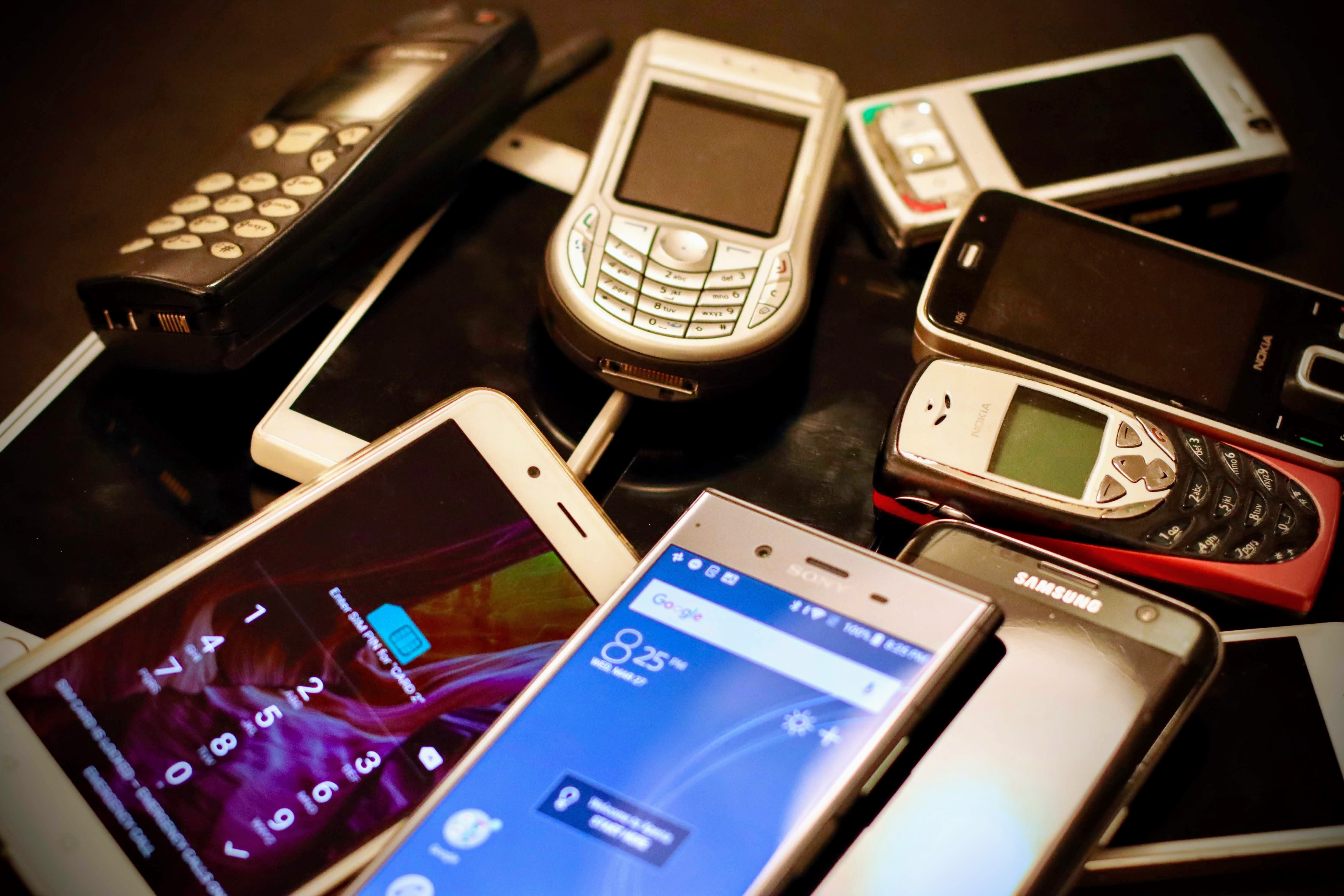
The two main types of cell phones are smartphones and feature phones. Understanding these two fundamental types of cell phones is the first step in choosing the device that best fits your needs, whether you are making a purchase decision or building basic tech literacy.
Types of cell phones: smartphones
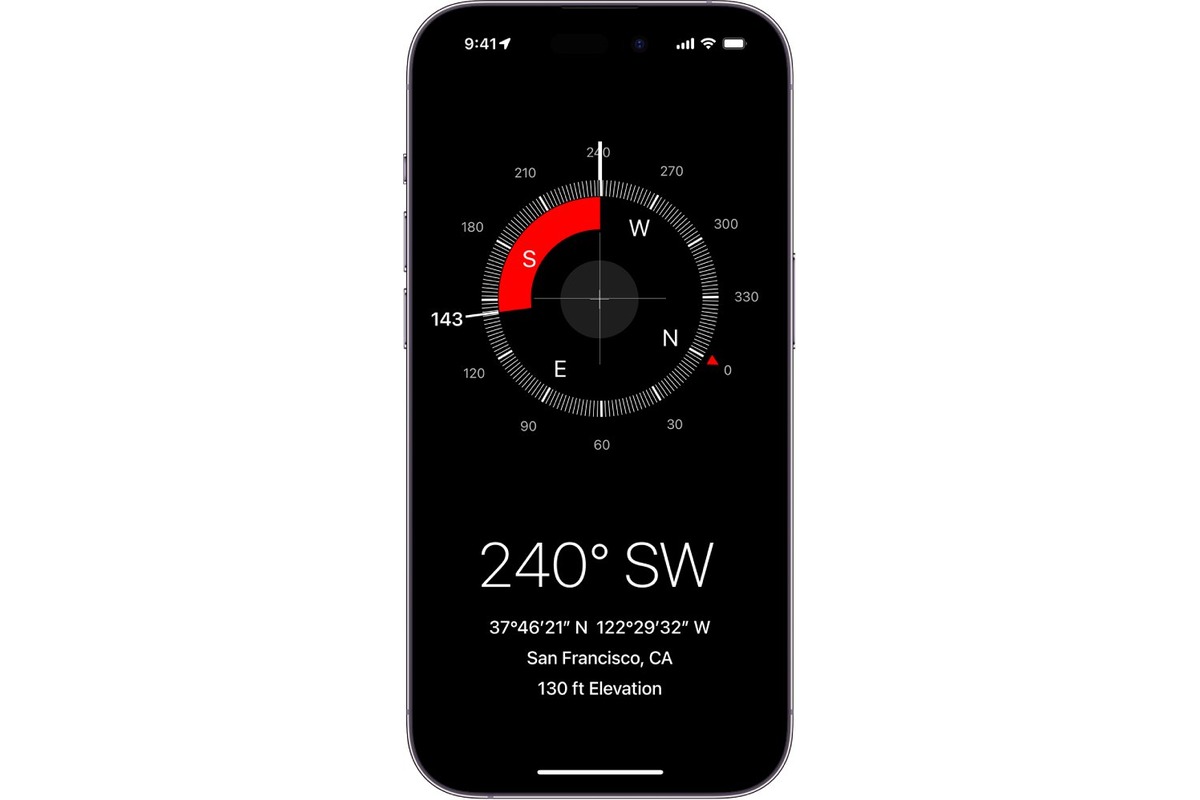
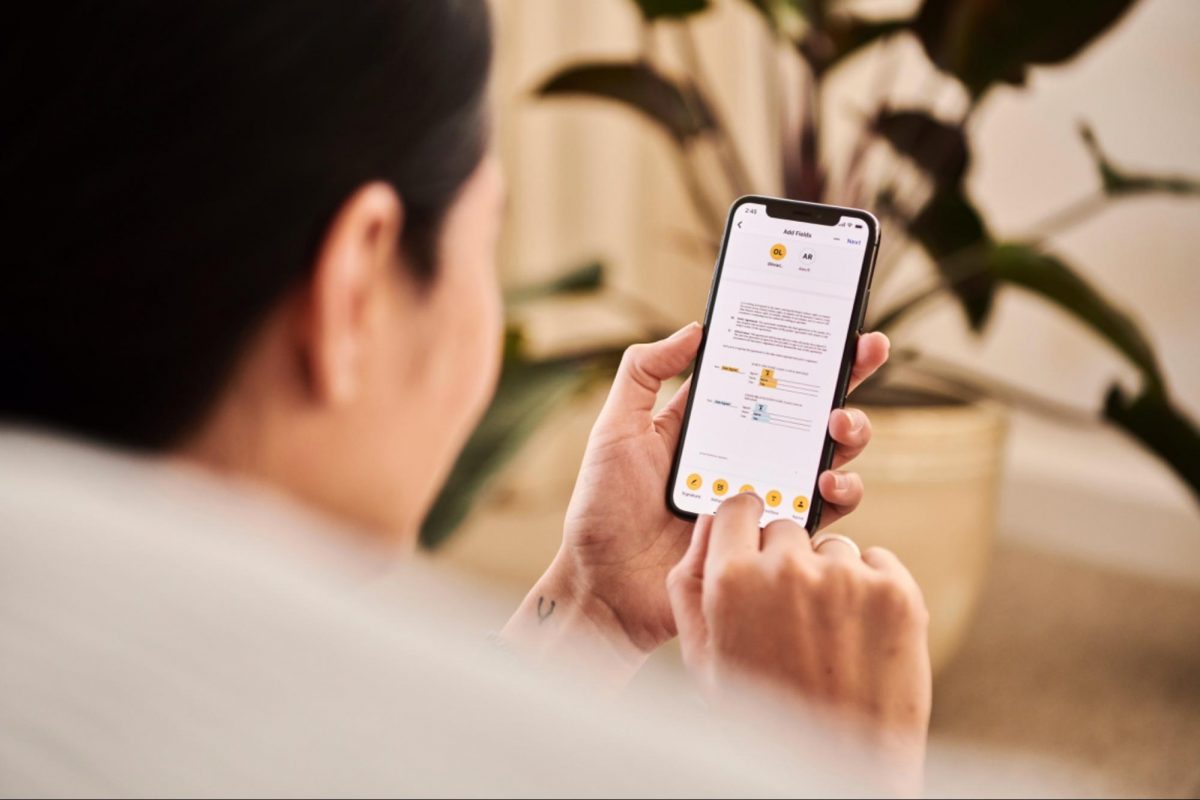
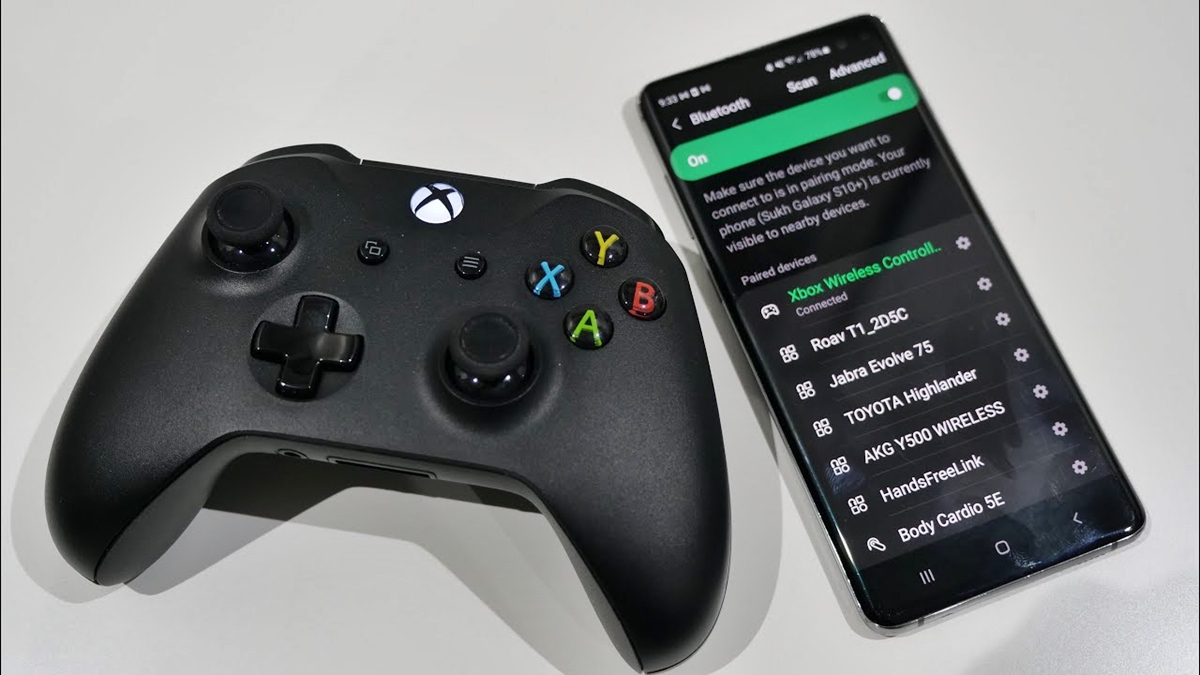
A smartphone is a cellular device with a touchscreen, a full app ecosystem, and an advanced operating system such as iOS or Android. These phones are designed to function as miniature computers, allowing you to browse the internet, use social media, play games, stream videos, and take photos. Smartphones support downloading and installing applications from official app stores, and they offer connectivity through mobile data, Wi-Fi, and Bluetooth. They typically have high-resolution displays, powerful processors, and ample storage for multitasking and storing media. Smartphones offer GPS capabilities with built-in mapping apps for navigation. They can also synchronize and integrate with other devices like smartwatches, fitness trackers, and smart home devices. iPhone lets you adjust text size, ringtones, widgets, Lock Screen photos, and Family Sharing options. Some Android features require Android 11+.
What is a feature phone?
A feature phone is a simpler handset built mainly for calls and texts, usually with a physical keypad and a lightweight non-Android/iOS operating system. These devices focus on essential calling and messaging functionality without the advanced capabilities of a smartphone. Feature phones support voice calls, SMS, basic web browsing, and sometimes limited apps. They are known for having longer battery life compared to smartphones, making them reliable for extended periods without charging. Feature phones are popular in emerging markets where affordability and durability are crucial.
Smartphone vs feature phone: key differences
When comparing these two types of cell phones, the differences are clear across several categories. Understanding these differences will help you decide which device suits your lifestyle.
Functionality. Smartphones offer extensive functionality, including internet browsing, app support, multimedia capabilities, and more. Feature phones have limited functionality and are primarily designed for making calls and sending text messages.
Internet Access. Smartphones have built-in Wi-Fi and cellular data capabilities for full internet access. Feature phones typically have limited or no internet access, with some models only supporting basic web browsing.
Apps. Smartphones provide access to an extensive app store where users can download a wide range of applications for communication, productivity, entertainment, and more. Feature phones have a limited selection of pre-installed apps with no option to download additional software.
User Interface. Smartphones use touchscreens and intuitive graphical interfaces for navigation. Feature phones rely on physical buttons and have a simpler user interface that is easier to navigate for those who prefer a traditional mobile experience.
Price. Smartphones are generally more expensive due to their advanced hardware and software. Feature phones are more affordable and can be a good option for those on a budget.
Battery Life. Feature phones are known for exceptional battery life, often lasting several days on a single charge due to their basic functionality. Smartphones tend to have shorter battery life because of intensive app usage, internet connectivity, and high-resolution displays.
Which type of cell phone should you choose?
Your choice depends on your individual needs. Choose a smartphone if you require apps, full internet access, multimedia capabilities, and the ability to perform various tasks beyond calling and texting. Choose a feature phone if you prioritize simplicity, long battery life, basic communication, and a more affordable price. For those who primarily need a device for calls and messages without the distractions of a full app ecosystem, a feature phone is a suitable option. For anyone who needs to stay connected to social media, use navigation apps, or work on the go, a smartphone is the better fit. Understanding these cell phone facts and usage tips will guide you to the right decision.
Frequently Asked Questions
Can feature phones access the internet?
Yes, some feature phones are equipped with basic internet capabilities. However, the internet experience on feature phones is usually limited compared to smartphones, supporting only basic browsing and email without the advanced web applications available on smartphones.
Are there any advantages to using a feature phone?
Yes, feature phones are often more affordable than smartphones, have longer battery life, and can be easier to use due to their simpler interface. They are a suitable choice for individuals who primarily need a phone for calling and texting and do not require extensive internet access or advanced functionality.
Which type of cell phone is more popular?
Currently, smartphones are more popular and widely used compared to feature phones. With their advanced features and capabilities, smartphones have become an integral part of daily life for many users. However, feature phones still have a market, particularly in regions where smartphones are not as affordable or where users value simplicity and durability.
What operating systems do smartphones use?
Smartphones typically use advanced operating systems such as iOS (Apple) or Android (Google). These operating systems provide a user-friendly interface and access to a wide range of applications from official app stores.
Do feature phones have cameras?
Some feature phones include basic cameras for taking photos, but the quality is generally lower than what smartphones offer. The camera functionality on feature phones is typically limited to simple snapshots rather than the advanced photography features found on smartphones.