



A liquid screen protector works by depositing a layer of silicon dioxide (SiO2) nanoparticles onto your device's glass display. As the liquid solvent, typically alcohol, evaporates, these nanoparticles bond at a molecular level, filling the microscopic pores and imperfections that naturally exist in glass, leaving behind an ultra-thin, transparent layer just 100 to 500 nanometers thick.
How does a liquid screen protector work?
The core mechanism relies on nanotechnology. The proprietary liquid mixture contains silicon dioxide nanoparticles suspended in a solvent. When you apply this liquid to your screen, the solvent evaporates, and the nanoparticles form a strong molecular bond with the glass substrate. This process fills the tiny gaps and pores present on all glass surfaces under a microscope, creating a smoother, harder, and transparent barrier. The resulting layer enhances the molecular chemistry of your device's screen, making it more resistant to minor abrasion.
What is a liquid screen protector made of?
A liquid screen protector is a proprietary liquid mixture or nano-coating solution, often called "liquid glass" or "nano-glass." Its primary component is silicon dioxide (SiO2), the same compound found in traditional glass, suspended in a liquid solvent, such as alcohol. This differs fundamentally from traditional screen protectors made of tempered glass or plastic film, which are solid, pre-cut layers that sit on top of the screen rather than bonding with it at a molecular level.
What protection does it actually provide?
Liquid screen protectors offer realistic, specific benefits. They enhance scratch resistance against minor abrasion and reduce the appearance of micro-scratches. The coating creates hydrophobic (water-repelling) and oleophobic (oil-repelling) properties, which helps repel water, oils, dirt, and other contaminants, significantly reducing smudges and fingerprints. The liquid screen protector has antimicrobial properties, preventing the growth and spread of bacteria and germs on the screen surface. The coating also reduces friction, making screen swipes feel smoother. However, there is a critical limitation: liquid screen protectors provide minimal to virtually no impact or shatter protection against drops. Their microscopic thickness cannot absorb or disperse kinetic energy, so they will not dramatically reduce the risk of cracks or shattering. Users prone to drops or who work in harsh environments may still require the extra cushioning of a physical protector.
Understanding the 9H hardness claim
The "9H hardness" claim commonly advertised refers to the pencil hardness scale (ISO 15184), not the Mohs mineral hardness scale. It does not measure impact or drop protection. The actual improvement in Mohs hardness over modern smartphone glass (which is typically 5-6 Mohs) is marginal, usually only increasing to 6-6.5 Mohs. This means common materials like sand, which ranks at 7 on the Mohs scale, can still scratch a screen protected by a liquid glass coating.
How to apply a liquid screen protector
- Clean the screen thoroughly with the included alcohol wipe.
- Dry and polish the screen with a microfiber cloth to remove any dust or residue.
- Apply the liquid evenly across the entire surface.
- Wait 5-10 minutes for the liquid to dry.
- Buff the surface with a clean microfiber cloth.
- Wait 60 seconds, then polish dry again.
A full curing process, where the coating continues to harden, typically takes 24-48 hours. During this period, you should limit heavy use, moisture, or friction. Do not use the device for 1 hour after application. For best results, always follow the device instructions; do not coat a foldable inner display or remove a factory-fitted film unless explicitly allowed by the device manufacturer.
How long does it last and can it be removed?
The protective coating gradually wears down over time, typically lasting 6 to 12 months. A practical indicator that the coating is wearing off is when water no longer beads up on the screen, signaling that the hydrophobic layer has degraded. Once applied and cured, a liquid screen protector cannot be removed, as it bonds at a nano-scale to the glass surface. It gradually erodes over time rather than peeling off. To maintain its benefits, you need to reapply the coating annually or every 6-12 months. This product is ideal for ongoing screen protector application and repair needs, as it provides a continuous, invisible layer of protection that can be refreshed periodically.
Frequently Asked Questions
Can a liquid screen protector fix an existing crack or scratch?
No. A liquid protector cannot repair existing damage; it will not fill a crack, erase an existing scratch, or replace damaged display glass. It only helps reduce the appearance of minor micro-scratches by filling microscopic pores.
Does a liquid screen protector affect touch sensitivity or display clarity?
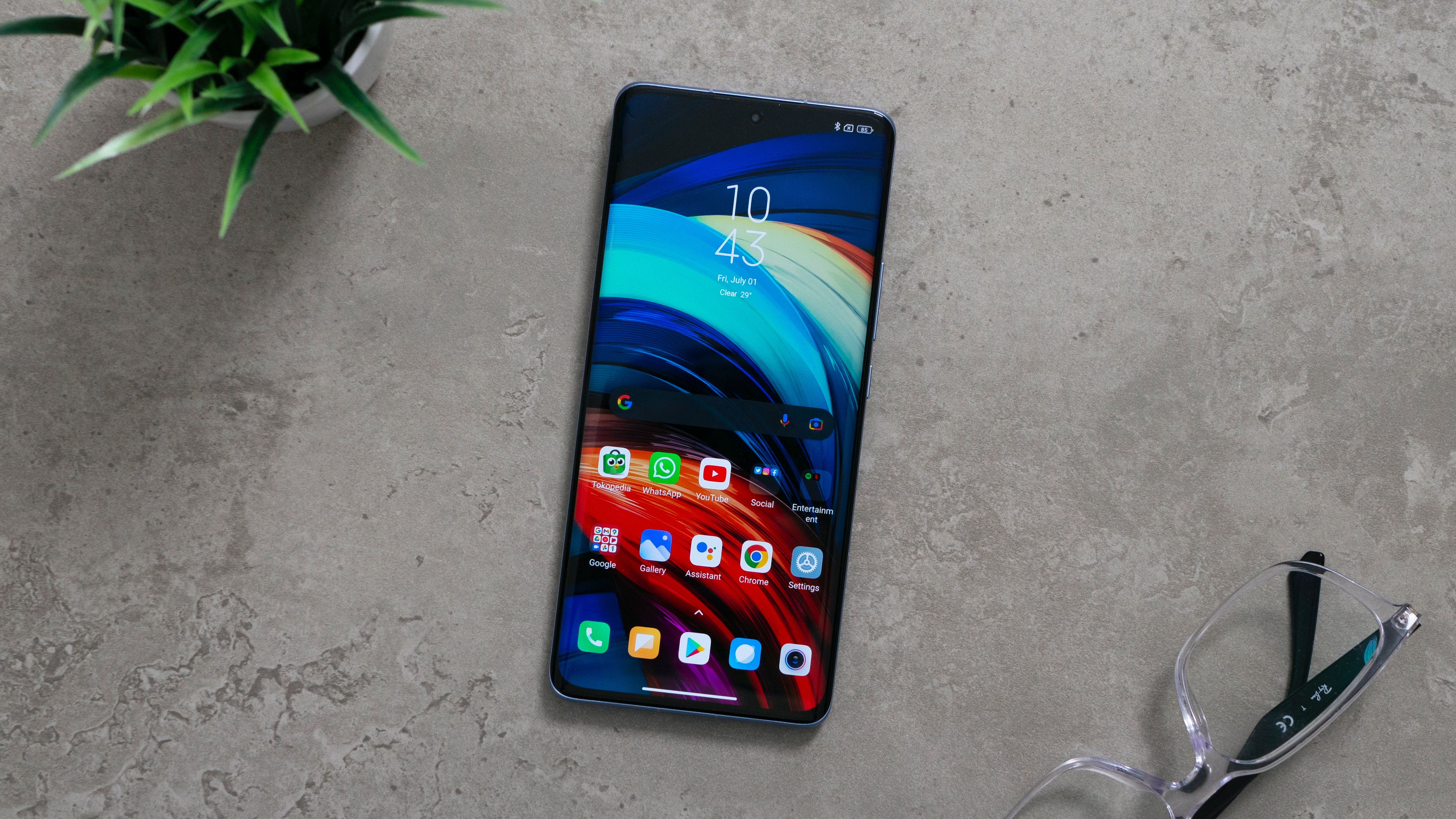
No. The coating is extremely thin and virtually invisible, so it does not interfere with touch sensitivity or clarity. It provides edge-to-edge protection without adding bulk or altering the original look and feel of the screen.
Is a liquid screen protector compatible with curved screens and cases?
Yes. Liquid screen protectors are universally compatible with any glass display, including curved screens, and do not interfere with the fitting of most cases. They conform to the shape of the screen, providing full coverage.
Can I use a liquid screen protector on devices other than phones?
Yes. Liquid screen protectors offer universal compatibility, working with all mobile devices, phones, tablets, smartwatches, and cameras, as long as the device has a glass display.
For the wider topic, see screen protector application and repair.