




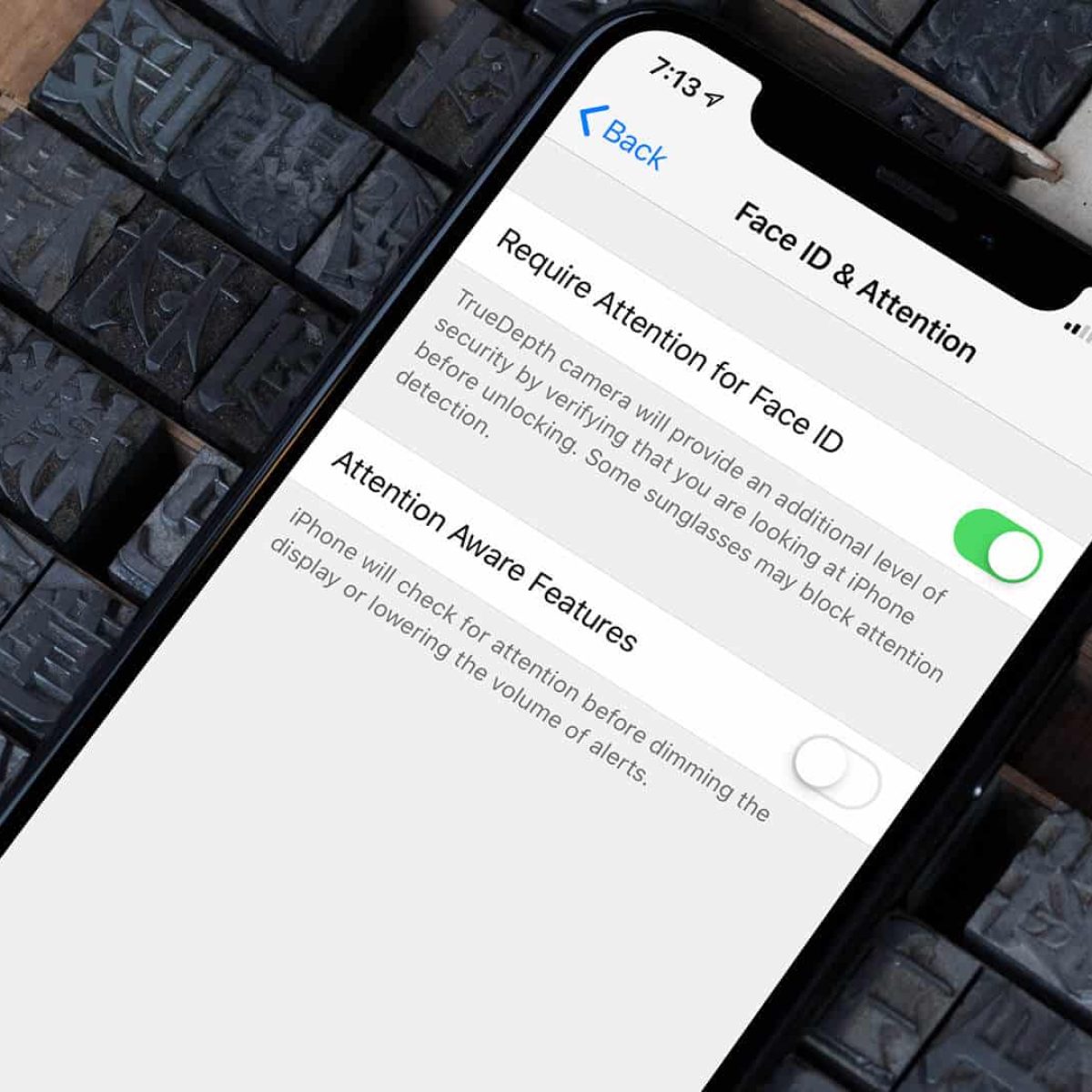
Attention-aware features on iPhone 11 use the TrueDepth camera to detect if you are looking at the screen, then automatically adjust the device's behavior. This built-in Face ID feature prevents your display from dimming while you are looking at it, lowers the volume of alerts when your attention is detected, and helps ensure the correct device responds to "Hey Siri" when you have multiple Apple devices nearby.
What are attention-aware features on iPhone 11?
Attention-aware features on iPhone 11 are Apple’s Face ID-based behaviors that use the TrueDepth camera to check whether you’re looking at the device and then change how the phone acts. Apple documents three specific behaviors: keeping the display from dimming until you stop looking, lowering alert volume when attention is detected, and making the correct device respond to “Hey Siri” when multiple Apple devices are nearby. This feature works with iPhone and iPad models that have Face ID, even if you do not enroll in Face ID. Apple’s page does not give a model-by-model exclusion list beyond the Face ID requirement.
How attention-aware features work on iPhone 11
The TrueDepth camera on your iPhone 11 checks whether your eyes are directed at the screen. When it detects attention, the phone prevents the display from dimming so you can keep reading without interruption. It also lowers the volume of incoming alerts because the system knows you are already engaged with the device. In a home with multiple Apple devices, the feature helps Siri respond on the iPhone 11 you are actually looking at, rather than on a nearby iPad or another iPhone. This all happens automatically without any additional setup beyond enabling the feature.
How to turn attention-aware features on or off
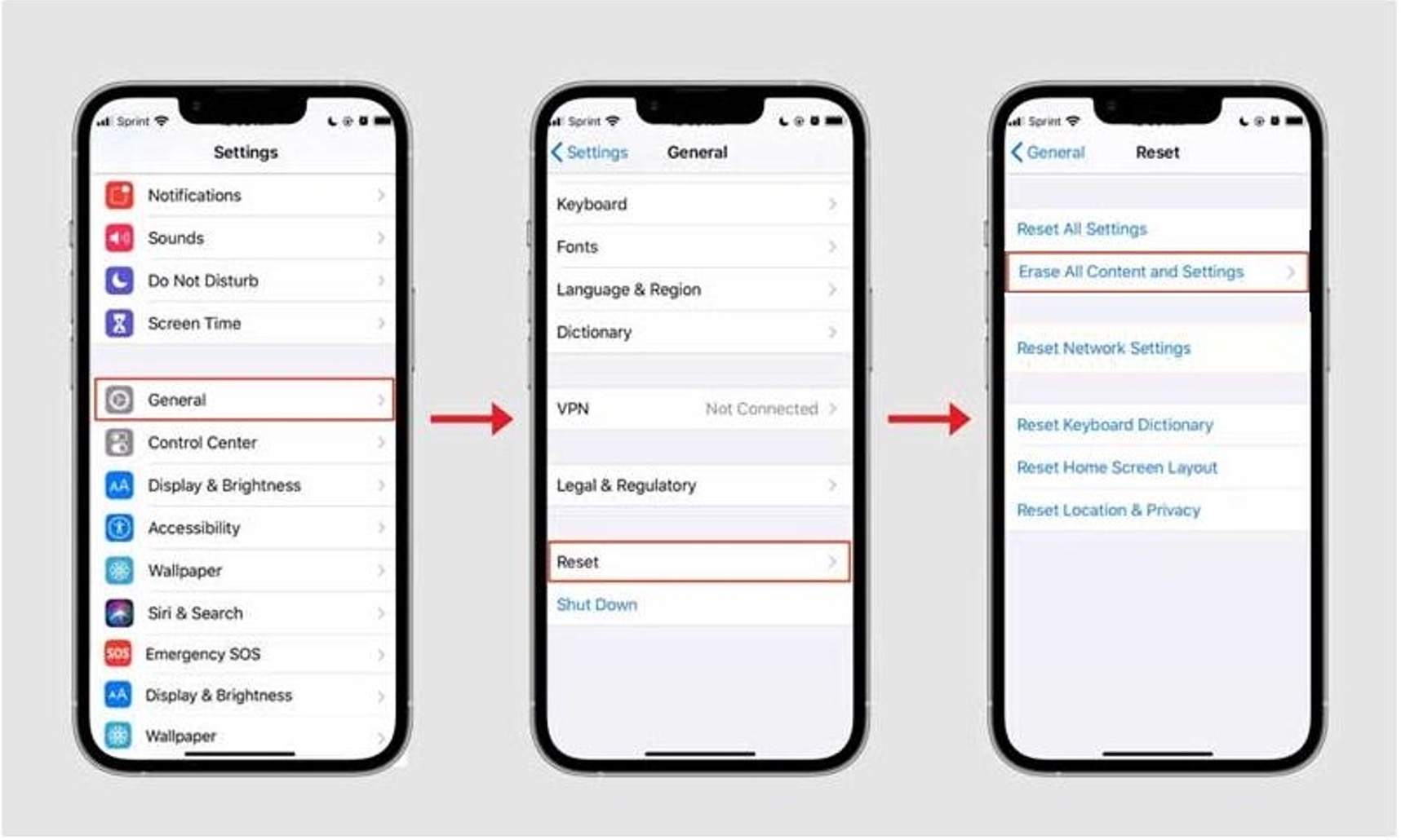
- Open Settings.
- Tap Face ID & Passcode.
- Turn Attention Aware Features on or off.
You can control this setting at any time. The feature works on iPhone 11 because it has Face ID hardware, and Apple confirms it functions even if you have not enrolled in Face ID.
Benefits of using attention-aware features
The screen stays visible while you are reading or watching content, so you do not have to tap the display to keep it awake. Alerts are less intrusive because the volume drops when the phone knows you are looking at it, reducing unnecessary interruptions. In a multi-Apple-device home, Siri responds on the correct device, which prevents the frustration of a different iPad or iPhone answering your command. These behaviors also complement privacy screens and screen locking by ensuring the display only dims or locks when you are not actively using it, giving you more control over when your screen is visible to others.
Frequently Asked Questions
Does attention-aware features drain battery on iPhone 11?
The TrueDepth camera checks for attention intermittently, and Apple optimizes this process to minimize power consumption. Most users do not notice a significant impact on battery life from this feature alone.
Can attention-aware features work without Face ID enrolled?
Yes. Apple’s support page states that these features work on iPhone and iPad models with Face ID even if you do not enroll in Face ID. The TrueDepth camera hardware is still used to detect attention.
Is my face data stored or shared when using attention-aware features?
No. Attention detection happens entirely on the device. Apple does not upload or share facial data from the TrueDepth camera for this feature, and the data is not stored in a way that can be accessed by apps or third parties.
Why does my iPhone 11 screen keep dimming even with attention-aware features on?
This usually means you are not looking directly at the screen, or the TrueDepth camera is partially blocked by a case, screen protector, or dirt. Try cleaning the top of the display and making sure nothing covers the TrueDepth camera area.
Do attention-aware features work with a mask or sunglasses?
Some sunglasses may block the infrared light used by the TrueDepth camera, which can prevent attention detection. Masks that cover the eyes will also prevent the feature from working because the camera cannot see your eyes. No Apple-documented Android equivalent or carrier-specific version of this exact feature was found.
For the wider topic, see privacy screens and screen locking.