




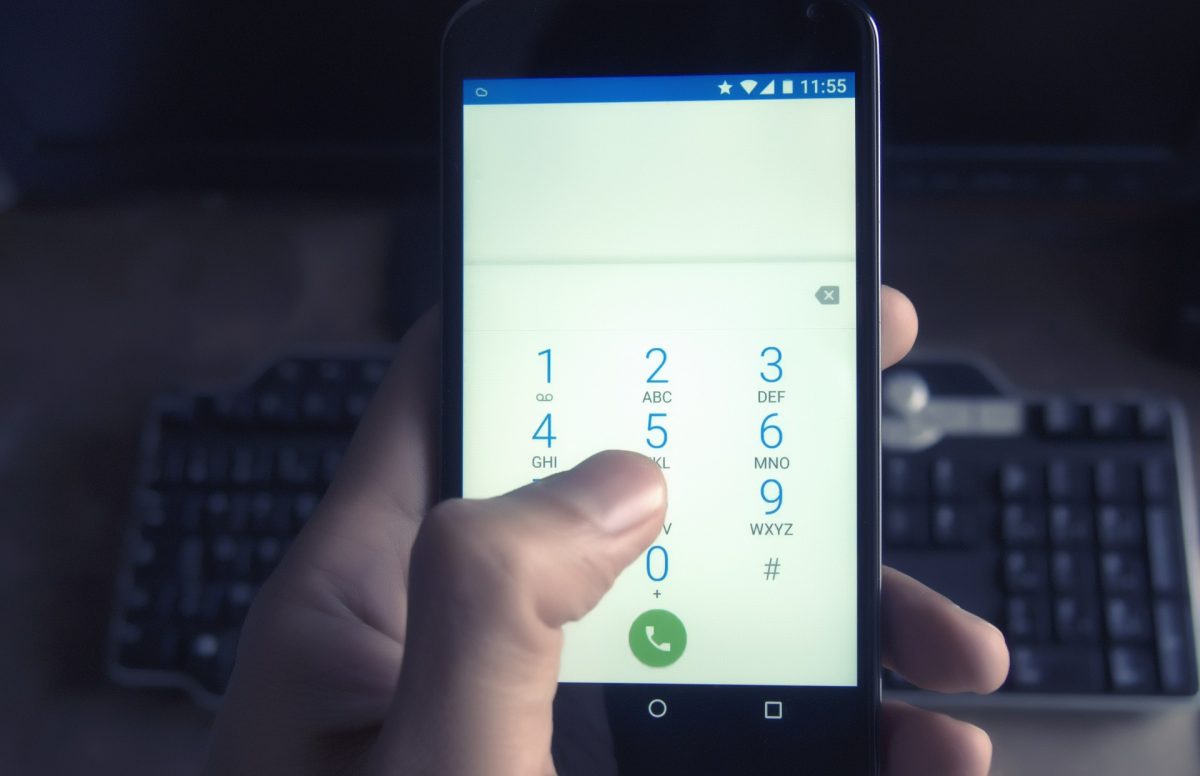
To spoof a phone number means to deliberately change the caller ID that appears on the recipient's phone, and when done for legitimate reasons, not to commit fraud or cause harm, it is legal in the United States.
What you need to know before you learn how to spoof a phone number
Before you spoof a number, understand the legal boundaries. In the U.S., the Caller ID Act of 2009 makes it a crime to spoof with the intent to defraud, cause harm, or wrongly obtain anything of value. The FCC also requires telemarketers to transmit accurate caller ID. Legitimate spoofing is permitted for purposes like a doctor calling a patient from a personal phone while displaying the office number, a business showing a toll-free callback line, law enforcement operations, and protecting the privacy of journalists or delivery drivers. The STIR/SHAKEN authentication system, mandated by the FCC, now requires phone companies to verify that a caller's number was authorized by its originating provider, which directly impacts whether a spoofed call will be completed or flagged as spam.
Legitimate reasons to display a different caller ID
These uses are legal as long as there is no intent to deceive or commit fraud.
Method 1: Use a dedicated spoofing app like SpoofCard
SpoofCard is one of the oldest and best-known spoofing apps, available for both iOS and Android. It offers a free online version limited to 60-second calls within a specific geographical area. The free version also has a limited set of features, not just a time/geo limit. The paid version includes features such as recording spoofed calls, sending calls directly to voicemail, disguising your voice, making group spoof calls, sending spoofed texts, and adding background sounds. The company offers monthly subscription and pay-as-you-go plans with no additional charge to use its special features.
Method 2: Try a callback service with SpoofTel
SpoofTel operates differently from direct-dial apps: instead of you calling the service, the service calls you. You dial a 1-800 number, enter your PIN, then input the number you want to call, the number you want to spoof, and select any special features. The service then calls you back and connects the call. SpoofTel's desktop app works only on Windows, and its iPhone app requires a jailbroken phone. There is no Android app, but Android and iPhone users can use the online web app. The free version is limited to three 30-second calls and has geographical restrictions, but you can try all features. The paid version offers 4 different ways to spoof a call: 1-800 number, online app, desktop app, and iPhone app. The paid version charges extra for most special features.
Method 3: Earn credits with Spoof My Phone
Spoof My Phone works almost exactly like SpoofTel, using a callback method. Its free version requires you to make posts on social media in exchange for free credits. The web app includes features similar to the other services, with the addition of text-to-speech conversion. The company also offers a set of companion apps called Spoofbox, which allows you to spoof email and SMS messages. If you need to understand the distinction between spoofed and fake phone numbers, note that spoofing changes the displayed caller ID on a live call, while getting a fake number typically involves obtaining a separate virtual number that is not your real line.
The business alternative: VoIP and cloud phone systems
Businesses can legitimately display a main office or toll-free number on outbound calls using VoIP providers. This method is often more reliable than consumer spoofing apps because business VoIP systems are typically STIR/SHAKEN compliant, meaning the carrier has verified that the business owns or is authorized to use the number being displayed. This compliance reduces the chance that the call will be blocked or labeled as spam.
Why your spoofed call might still fail
Even if you use a legitimate spoofing method, your call may not go through as expected. STIR/SHAKEN authentication now allows carriers to verify whether the caller's number was authorized by its originating provider. This is why consumer spoofing apps that do not use verified numbers are increasingly unreliable.
Frequently Asked Questions
Is it legal to spoof a phone number for pranks?
Pranking someone by spoofing a number is generally legal as long as you do not intend to defraud, cause harm, or obtain something of value through deception. However, many spoofing apps' terms of service prohibit using their service for harassment or pranks, and repeated prank calls could still lead to legal trouble.
Can I spoof a phone number for free?
No app offers completely free telephone number spoofing. Some apps provide limited free trials, SpoofCard offers a 60-second call, and SpoofTel offers three 30-second calls, but full access requires payment or earning credits through social media posts.
Will a spoofed call show up on the recipient's phone bill?
No, the spoofed number you display does not appear on the recipient's phone bill. Their carrier records only the actual originating number used to place the call, not the spoofed caller ID.
Does spoofing work with text messages?
Some spoofing apps, such as SpoofCard and Spoofbox, offer the ability to send spoofed text messages. The same legal and technical limitations apply: you cannot use it to commit fraud, and carriers may block or flag spoofed SMS just as they do with voice calls.
Why would someone want to get a fake phone number instead of spoofing?
If you want to get a fake phone number, you are typically obtaining a separate virtual number (from a service like Google Voice or a VoIP provider) that you can use as a second line. This is different from spoofing, which temporarily changes the caller ID on a single call. A fake number is more permanent and does not carry the same risk of being blocked by STIR/SHAKEN.