




To transfer landline calls to a cell phone, the primary method is activating unconditional call forwarding from your landline handset. This redirects every incoming call to your mobile number so you never miss a call while away from your home or office phone.
How to transfer landline calls to cell phone with call forwarding
Activating unconditional call forwarding with star codes
The most direct way to transfer landline calls to a cell phone is by using the standard call forwarding star code. From your landline phone, listen for a dial tone, then dial *72. After the tone or confirmation message, enter your 10-digit cell phone number (including area code). Listen for another confirmation tone or spoken message that the feature is active. All calls to your landline will now ring your cell phone.
To deactivate unconditional call forwarding, dial *73 from the landline phone. You will hear a confirmation that forwarding is turned off. Note that call forwarding features are subject to availability and compatibility restrictions and may need to be enabled on your specific landline plan.
Provider-specific variations for AT&T, Verizon, and Xfinity
Specific activation and deactivation codes, as well as online management options, can vary by landline provider. For AT&T landlines, activate all call forwarding by dialing *72, entering the forwarding number, and then pressing #. For AT&T landlines, press # after entering the forwarding number. For Verizon landlines, activate all call forwarding by lifting the receiver and pressing *72 (or 1172 for rotary phones), then entering the 10-digit forwarding number. For Verizon landlines, use 1172 for rotary phones. For Xfinity Voice, basic call forwarding can be set up by dialing *72 or by logging into the Xfinity app or online portal and navigating to "Voice Preferences" then "Call Forwarding."
Conditional call forwarding options
Conditional call forwarding options exist, such as forwarding when the line is busy (*90), when there's no answer (*92), or selectively from specific numbers (*63). Use *90 if you want only calls that reach a busy signal to go to your cell phone. Use *92 if you want calls that ring unanswered after a set number of rings to be forwarded. Use *63 to forward calls only from specific numbers you choose. These options are useful when you want to keep most calls on the landline but ensure important calls reach you on your mobile.
Managing call forwarding on VoIP landlines
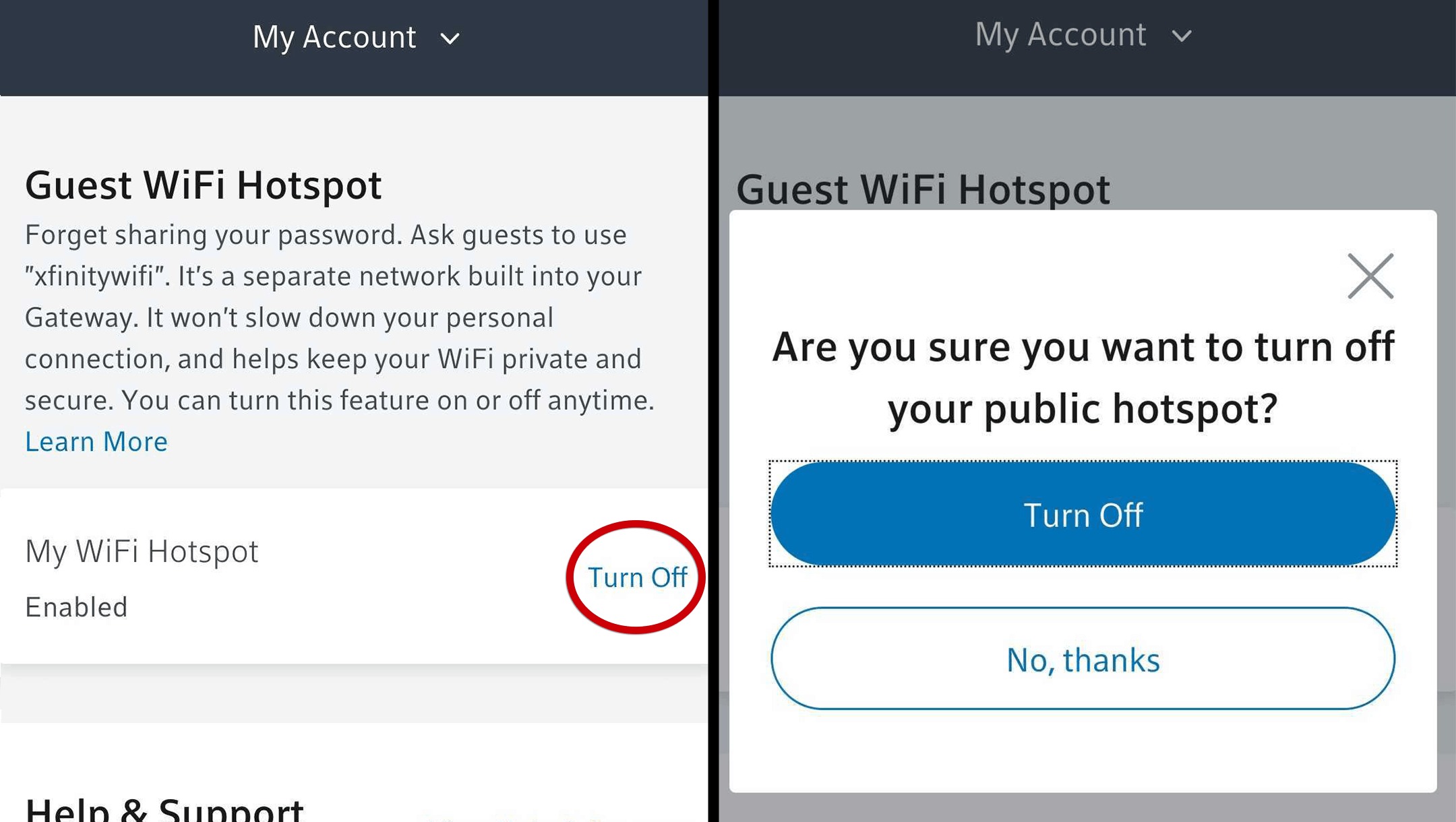
For VoIP-based landline services (e.g., Xfinity Voice, Spectrum Voice, Verizon Fios), call forwarding is often managed through an online account portal or mobile app, rather than star codes. Log into your provider's website or app, locate the call forwarding or voice settings section, and enter your cell phone number as the forwarding destination. This approach also lets you turn forwarding on and off remotely without needing to be near the landline handset.
What to know before you forward
The forwarded portion of the call is typically billed as an outbound call from the landline, and long-distance charges may apply if the cell phone is not local to the landline. Activating call forwarding using star codes requires a working dial tone on the landline. On a single-line copper landline connection, a forwarded call occupies the line, meaning a second incoming caller might receive a busy signal unless call waiting is also active. If you are considering how to forward a cell phone to another number, note that the same billing principles apply for outbound legs of forwarded calls.
Alternative methods for transferring landline calls
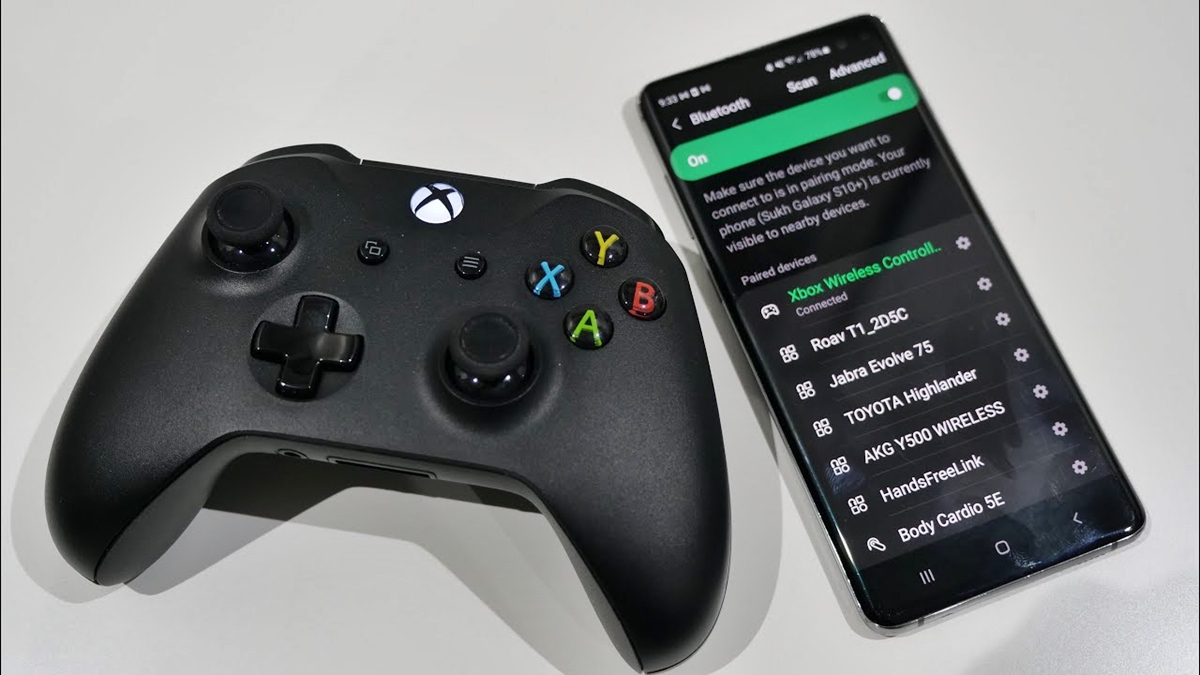
For users needing advanced features or wireless hardware solutions, several alternatives exist. Virtual phone systems assign you a virtual number that can be linked to your cell phone, with features like voicemail, call recording, and interactive voice response menus. Bluetooth adapters connect your landline phone to your cell phone wirelessly, though range is limited and call quality depends on the Bluetooth connection. Mobile apps like Google Voice allow you to forward calls from your landline to your cell phone and offer additional features such as voicemail transcription. Google Voice allows you to make and receive calls using your landline number directly from your cell phone. Line2 is a mobile app that provides a second phone number for your mobile device and allows forwarding from your landline to that number. If you use an iPhone, you can also use Wi-Fi calling on iPhone to receive calls over a Wi-Fi network, which can complement call forwarding when cellular signal is weak. Understanding these mobile phone basics helps you choose the method that best fits how you stay connected.
Frequently Asked Questions
Will call forwarding work if my landline loses power?
No. Call forwarding activated via star codes requires a working dial tone on the landline. If a power outage disables your landline service, forwarded calls will not reach your cell phone.
Can I forward my landline to multiple cell phones at once?
Standard call forwarding from a single landline can only send calls to one number at a time. Some VoIP providers offer simultaneous ring features through their online portals, which can ring multiple numbers at once.
Does call forwarding affect my ability to make outbound calls from the landline?
No. Activating call forwarding does not prevent you from making outgoing calls from the landline handset. You can still dial out normally while forwarding is active.
How do I know if call forwarding is currently active?
Most providers play a confirmation tone or speak a message when you dial *72. You can also test by calling your landline from another phone to see if it rings your cell phone. Some providers display a forwarding indicator on the handset.
Will forwarded calls use my cell phone plan minutes?
Yes. Incoming forwarded calls to your cell phone count as regular incoming calls on your mobile plan. If you have limited minutes, forwarded calls will use them.
Do I need to inform callers that I am transferring their calls to my cell phone?
It is considered good practice to communicate any change or redirection of a business phone number to your customers or contacts.