



Finding a true Android alternative means looking beyond custom launchers or heavily skinned versions of Android itself. A real alternative is a standalone mobile operating system built on its own kernel or a distinct codebase, not a fork that still relies on Google’s services and the Play Store for core functionality. This list focuses on the five current, viable operating systems that meet that definition, giving you a practical starting point based on your priorities.
What makes a true Android alternative?
A genuine Android alternative is a self-contained operating system that does not depend on the Android Open Source Project (AOSP) or Google Mobile Services to function. It has its own app ecosystem, user interface, and security model. While some alternatives can run Android apps through compatibility layers, they are not simply a reskinned version of Android. This distinction separates iOS, KaiOS, Ubuntu Touch, Tizen OS, and Sailfish OS from systems like MIUI or Harmony OS, which are built on Android foundations.
5 viable Android alternatives to consider
| Operating System | Primary Target User | Key Drawback |
|---|---|---|
| iOS | Users who want top-tier security, a smooth interface, and a massive app library | Exclusive to Apple devices, which are typically more expensive |
| KaiOS | Budget-conscious users who need smartphone features on a non-touch phone | Limited app selection and no touchscreen support |
| Ubuntu Touch | Linux enthusiasts and users seeking independence from Google services | Smaller app store and fewer supported devices |
| Tizen OS | Samsung device owners who want seamless connectivity across wearables and TVs | Limited smartphone market share and app ecosystem |
| Sailfish OS | Privacy-focused users and those needing a regional licensing model for corporate solutions | Primarily available on Sony Xperia devices and requires manual installation |
iOS
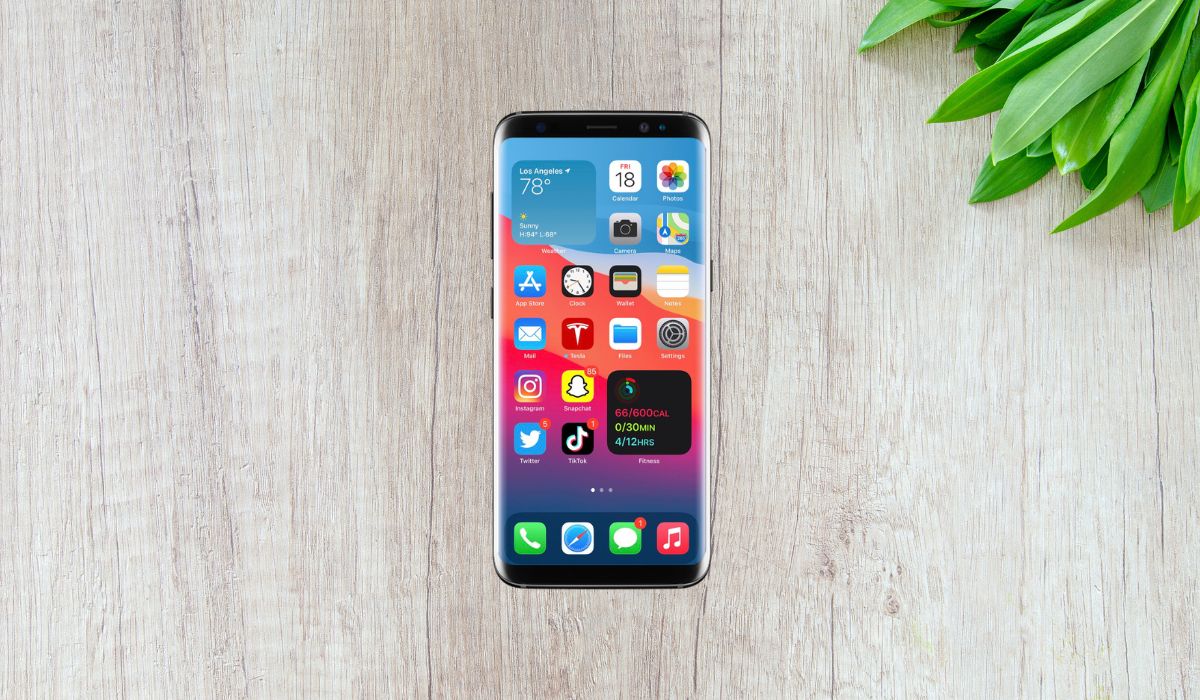
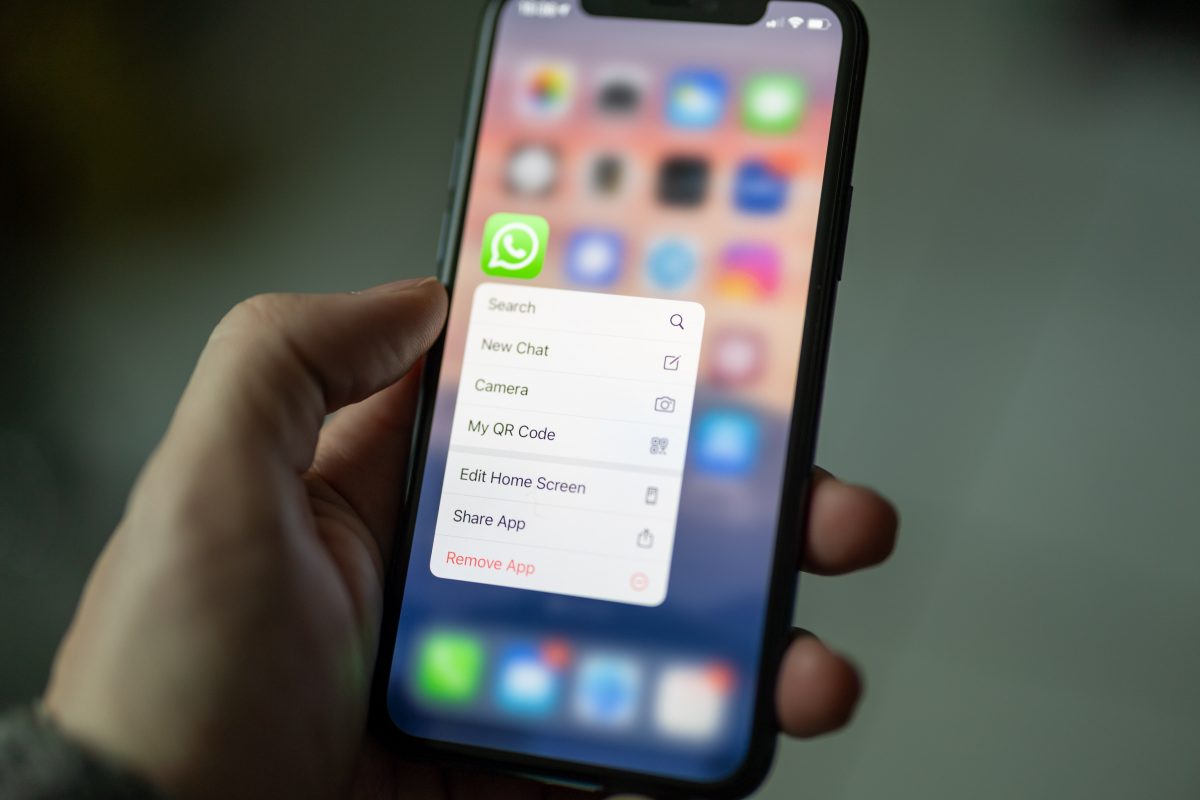
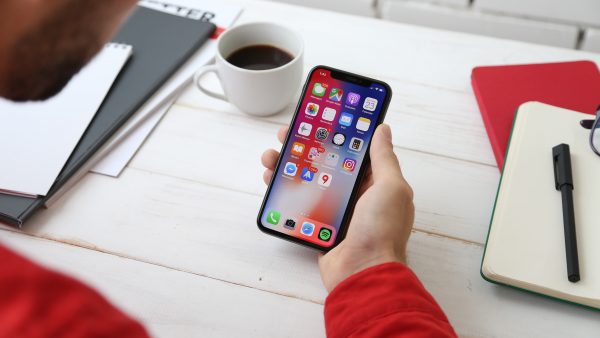
iOS is Android’s direct rival, known for its smooth, minimalist user interface and gold-standard security features. It supports iPhones from the 6s to the 11 Pro Max, as well as iPod Touch 7 and multiple iPad models. If you are app-dependent and want a polished, locked-down experience, iOS is the most complete alternative. Its key drawback is that it is exclusive to Apple products, which come at a premium price. For understanding how your phone compares to others, reviewing general cell phone facts and usage can help you decide if iOS fits your daily habits.
KaiOS
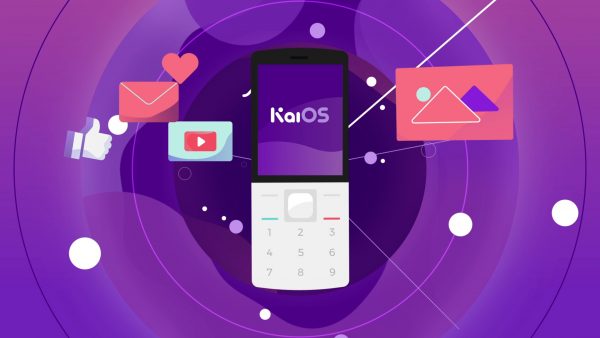
KaiOS brings 4G LTE, Wi-Fi, and apps like Twitter and YouTube to non-touch phones. It is Linux-based and designed for simple, low-energy use. This makes it ideal for budget-conscious users who want smartphone capabilities without a touchscreen. KaiOS supports 35 devices, including the Alcatel 3078 and Nokia 8110 4G. Its main drawback is the limited app selection compared to iOS or Android.
Ubuntu Touch
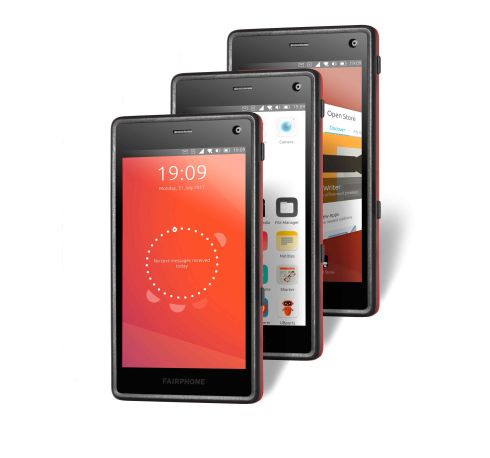
Ubuntu Touch extends the desktop Ubuntu experience to smartphones and tablets. It is fully independent of Google and Android services, using the Linux OpenStore for apps. This OS appeals to Linux enthusiasts and those who want a familiar desktop-like interface on mobile. Supported devices include the Fairphone 2 and OnePlus One. The key drawback is a smaller app ecosystem than mainstream alternatives.
Tizen OS
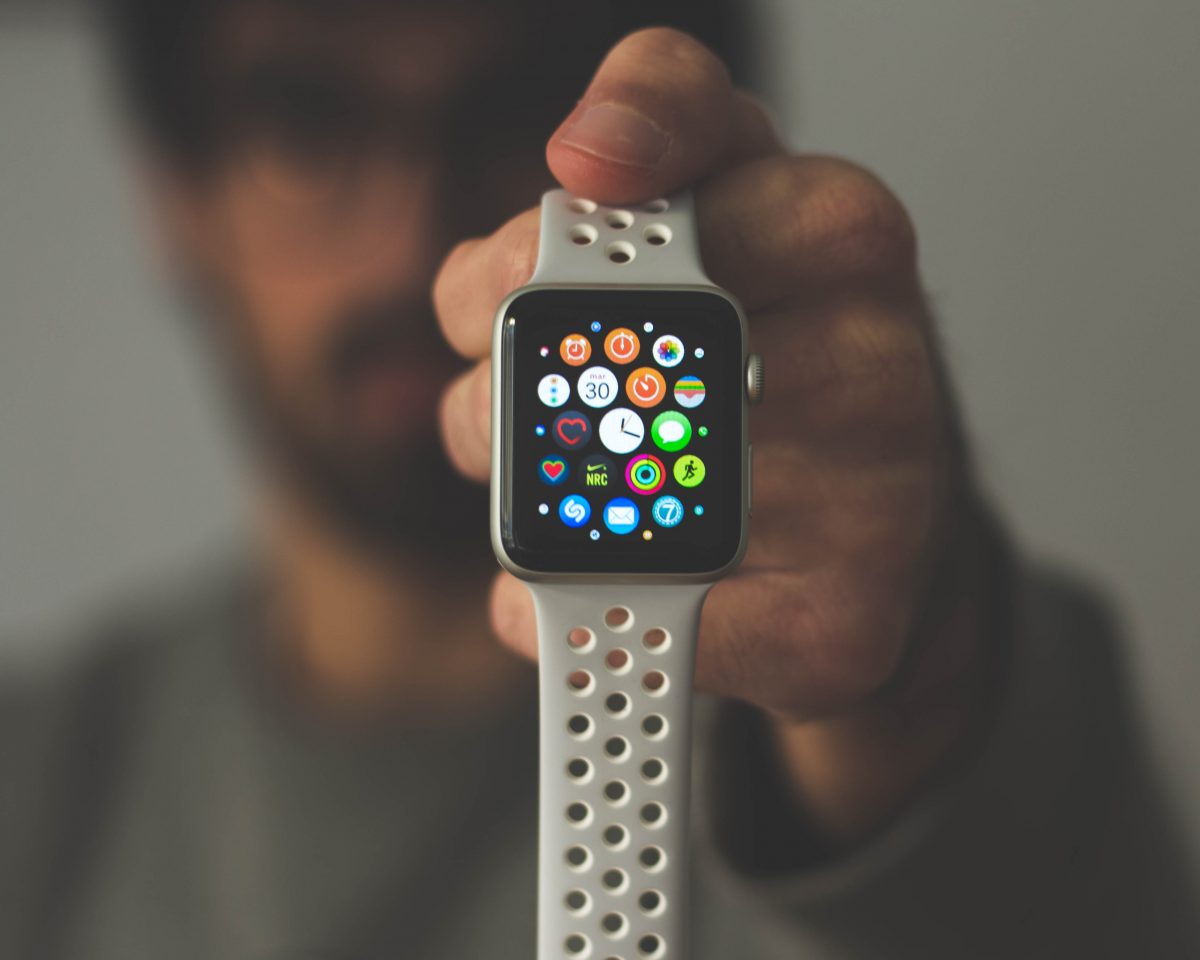
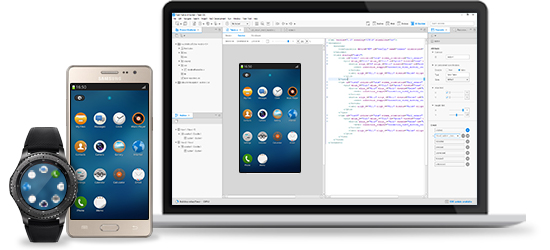
Tizen is an open-source, Linux-based OS that connects smartphones, wearables, and TVs under one system. It supports fast browsing and HTML5, and is used in Samsung’s Galaxy Gear series and Z series phones (Samsung Z to Z4). If you own multiple Samsung devices, Tizen offers seamless connectivity. Its main drawback is limited third-party app support compared to Android.
Sailfish OS
Sailfish OS traces its heritage from Nokia and MeeGo. It is fully independent of Android but can run Android applications through a compatibility layer. It uses a regional licensing model, making it suitable for corporate and social service solutions. Sailfish X is the downloadable version, compatible with Sony Xperia 10, Xperia 10 Plus, Xperia XA2, Xperia X, and Gemini PDA. Its latest update version is Sailfish 3.3.0.16, released on April 23, 2020. Its key drawback is that it requires manual installation and is not pre-installed on most phones.
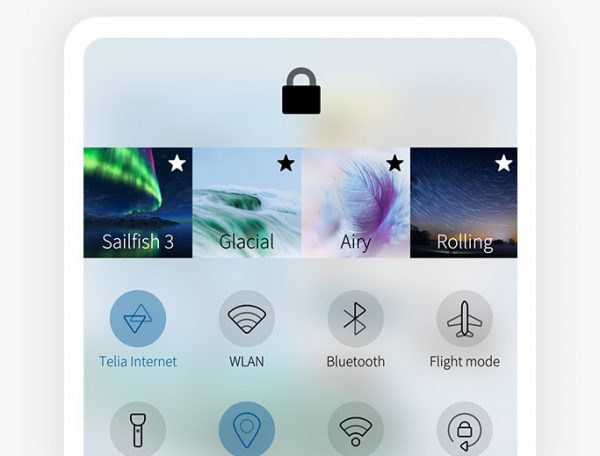
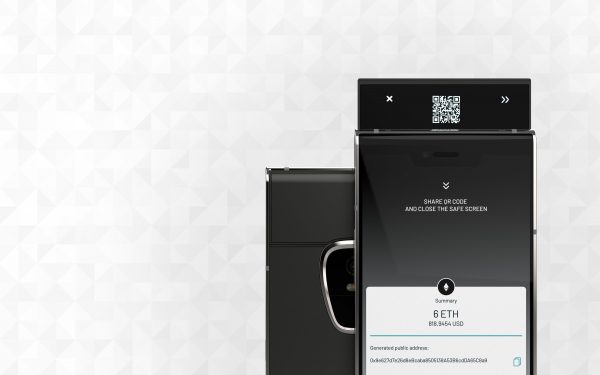
Sirin OS
Sirin OS is a dedicated cryptocurrency OS with a proprietary Token Conversion Service for automatic token/coin trading, and its own SIRIN Token system. It currently supports one device: FINNEY by Sirin Labs, the world's first blockchain smartphone.
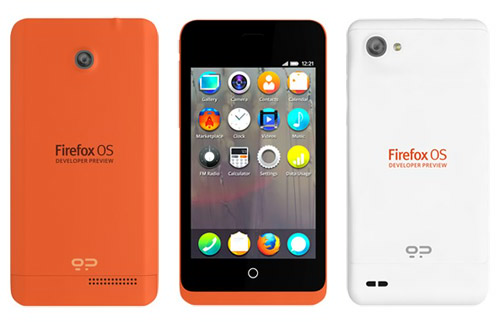
Firefox OS
Firefox OS was created by Mozilla, supports 15 devices (5 developer, 10 consumer), with examples like Alcatel OneTouch FireC 402D and ZTE Open II.
BlackBerry OS
BlackBerry OS pioneered BlackBerry Messenger (BBM), which allowed messaging without mobile load or internet, now evolved into BlackBerry Hub with gesture and keyboard shortcut support. Its latest version (BlackBerry 10) supports 10 smartphones from BlackBerry Z10 (2013) to BlackBerry Leap (2015).

MIUI 12
MIUI 12 supports Xiaomi Mi series (three smartphones) and two devices from Xiaomi Redmi K series.
Harmony OS
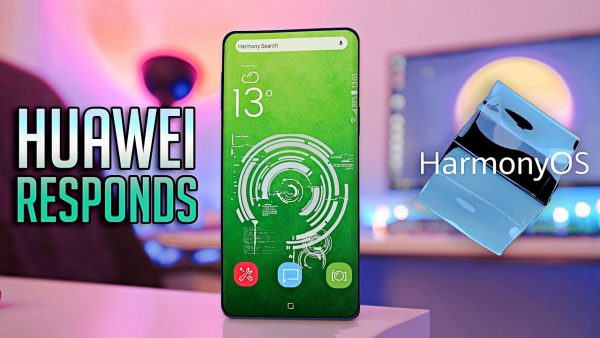
Harmony OS uses a microkernel design for tighter security and lesser latency, and currently supports Honor Vision, Honor Vision Pro, and Huawei Vision 65/75.
How to choose the right OS for your needs
Your choice depends on your primary use case. If you are privacy-focused, Sailfish OS offers a fully independent system with a regional licensing model that avoids Google tracking. If you are budget-conscious, KaiOS provides smartphone features on affordable non-touch phones. If you are app-dependent and want the largest app library, iOS is the only viable alternative. For Linux enthusiasts, Ubuntu Touch gives a familiar desktop experience. If you already own Samsung wearables or TVs, Tizen OS provides the best device integration. Understanding what are the 3 types of phones (feature phones, smartphones, and rugged devices) can further clarify which OS aligns with your hardware needs.
Frequently Asked Questions
Why do we need an Android alternative?
Competition drives innovation and diversifies consumer options in features, uses, and prices.
Can I install these operating systems on my current phone?
Most of these OSes are exclusive to specific devices. iOS only runs on Apple hardware. Ubuntu Touch and Sailfish OS can be installed on a limited set of phones, such as the OnePlus One or Sony Xperia models, but this requires technical knowledge. KaiOS and Tizen come pre-installed on supported devices.
Do these alternatives support Google Play Store apps?
No. True Android alternatives do not natively support the Play Store. Sailfish OS can run some Android apps through a compatibility layer, but performance and compatibility vary. iOS has its own App Store, while KaiOS, Ubuntu Touch, and Tizen have their own app stores with smaller selections.
Which alternative is the most secure?
iOS is widely considered the most secure due to its closed ecosystem, regular updates, and hardware-level security features. Sailfish OS also emphasizes privacy with its regional licensing model, but it has a smaller user base for security testing.
Are there any other Android alternatives besides these five?
Other systems like Harmony OS and MIUI exist, but they are built on Android foundations and are not standalone alternatives. The five listed, iOS, KaiOS, Ubuntu Touch, Tizen OS, and Sailfish OS, are the only current, viable standalone mobile operating systems.