




A mobile device is a portable electronic tool designed for wireless communication, internet access, and running applications, distinct from stationary computers like desktops. Understanding what is a mobile starts with recognizing it as a handheld computer that fits in your pocket, combining a phone’s calling ability with the power to browse the web, take photos, and install software.
What is a mobile device?
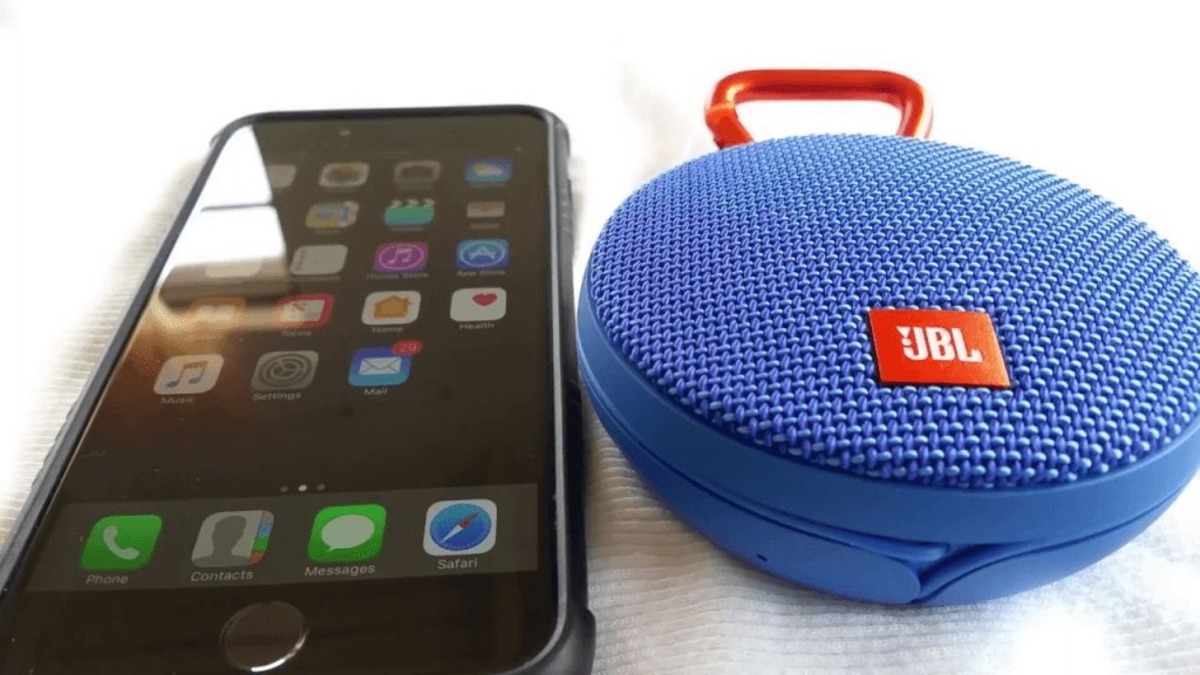
A mobile device, also called a mobile phone or smartphone, is a portable electronic device that allows users to make calls, send messages, access the internet, and run various applications. It combines the functionality of a traditional phone with advanced computing capabilities, making it a versatile tool for communication, productivity, and entertainment. Modern mobiles use cellular network technology to connect wirelessly, and they are equipped with features like touchscreens, cameras, GPS, and sensors that enable tasks far beyond voice calling.
Types of mobile devices
Mobile devices come in various shapes and sizes to meet different needs. The main categories include:
- Smartphones: The most common type, combining phone functions with computing power, touchscreens, internet connectivity, and app support.
- Feature phones: Often more affordable and popular in regions where smartphones may be less accessible, focusing on core calling and texting functions.
- Tablets: Portable touchscreen devices that bridge the gap between smartphones and laptops, offering a larger screen for web browsing, video, e-books, and gaming.
- Laptops and notebooks: Portable computers with physical keyboards, larger displays, and more processing power for tasks like content creation and programming.
- Wearable devices: Smartwatches and fitness trackers worn on the body, providing health monitoring, notifications, and communication features.
- E-readers: Devices designed specifically for reading e-books, with glare-free displays that mimic printed paper.
- Portable gaming consoles: Handheld devices like the Nintendo Switch, with specialized controls and access to a wide range of games.
Features and functions of mobiles
Modern mobile devices offer a core set of capabilities that define their usefulness:
- Wireless communication: Making voice calls, sending text messages, and using messaging apps for text, voice, and video chats.
- Internet connectivity: Accessing the web, social media, email, and online services through cellular data or Wi-Fi.
- Camera capabilities: Built-in cameras for capturing photos and videos, often with editing tools and instant sharing options.
- Apps and software: Installing applications from app stores for productivity, finance, gaming, streaming, and more.
- Entertainment: Playing music, watching videos, reading e-books, and gaming on the go.
- Productivity tools: Calendars, reminders, note-taking apps, and document editing capabilities.
Frequently Asked Questions
What is the difference between a basic mobile phone and a smartphone?
A basic mobile phone, also known as a feature phone, offers essential calling and texting functions but lacks internet access, app support, and advanced multimedia features. A smartphone is a more advanced device that combines phone functions with computing capabilities, including internet browsing, app installation, and high-quality cameras.
How does a mobile phone work?
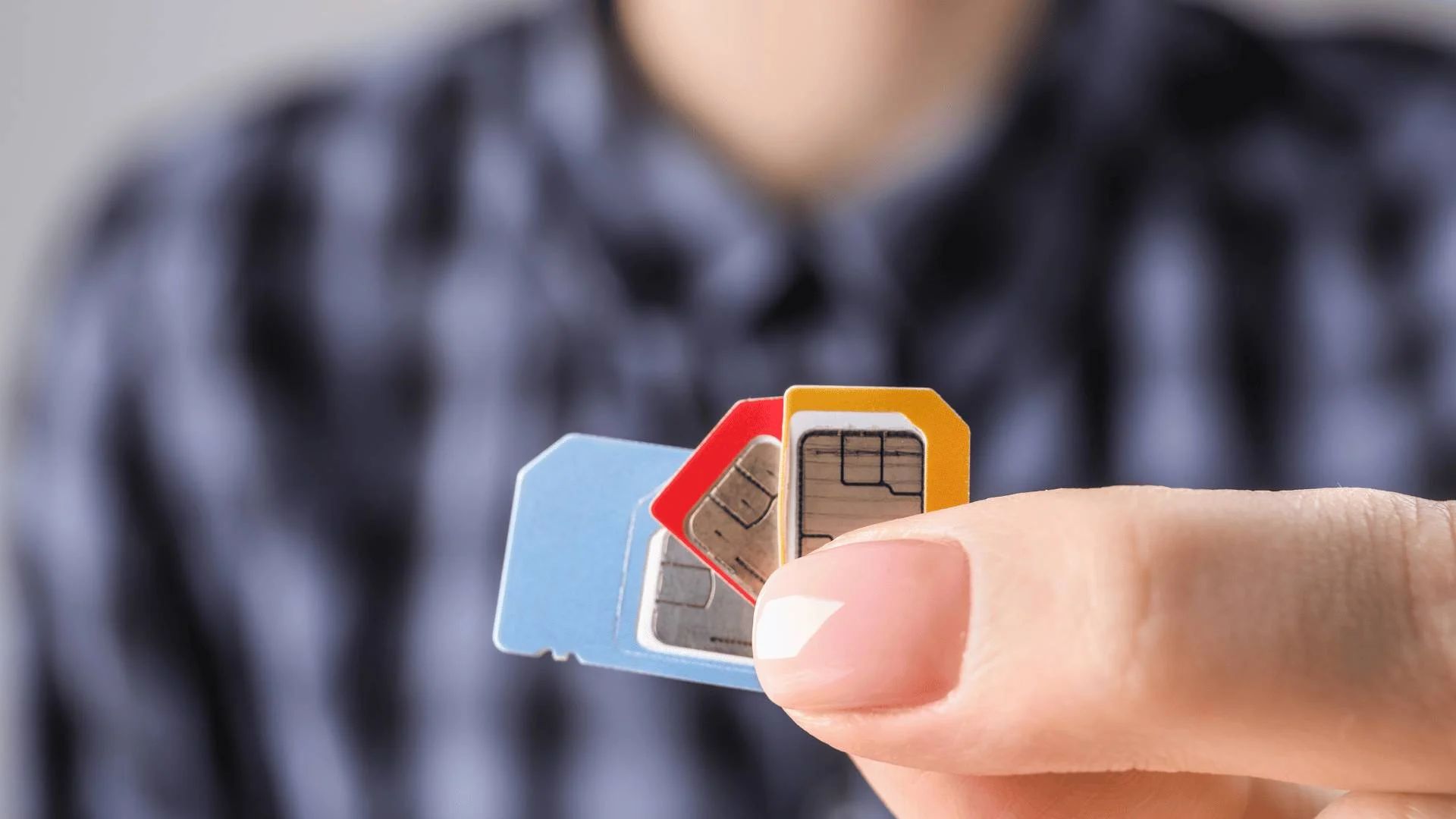
A mobile phone transmits and receives signals through cellular networks. When you make a call, your voice is converted into digital data and sent as radio waves to nearby cell towers, which relay the information to the recipient’s phone. Mobile phones use a SIM card (Subscriber Identity Module) to identify and authenticate the user on the network.
What are the key features of a mobile phone?
Key features include calling and texting, internet access, app support, multimedia capabilities (camera, music, video), and connectivity options like Wi-Fi, Bluetooth, and GPS. For a deeper look at how these features work together, understanding mobile phone basics and how they work helps you get the most from your device.
Are mobile phones safe to use?
Mobile phones emit low levels of electromagnetic radiation. Extensive research by regulatory bodies and health organizations has found no conclusive evidence linking mobile phone use to adverse health effects. To minimize exposure, you can use a hands-free device or limit call duration.