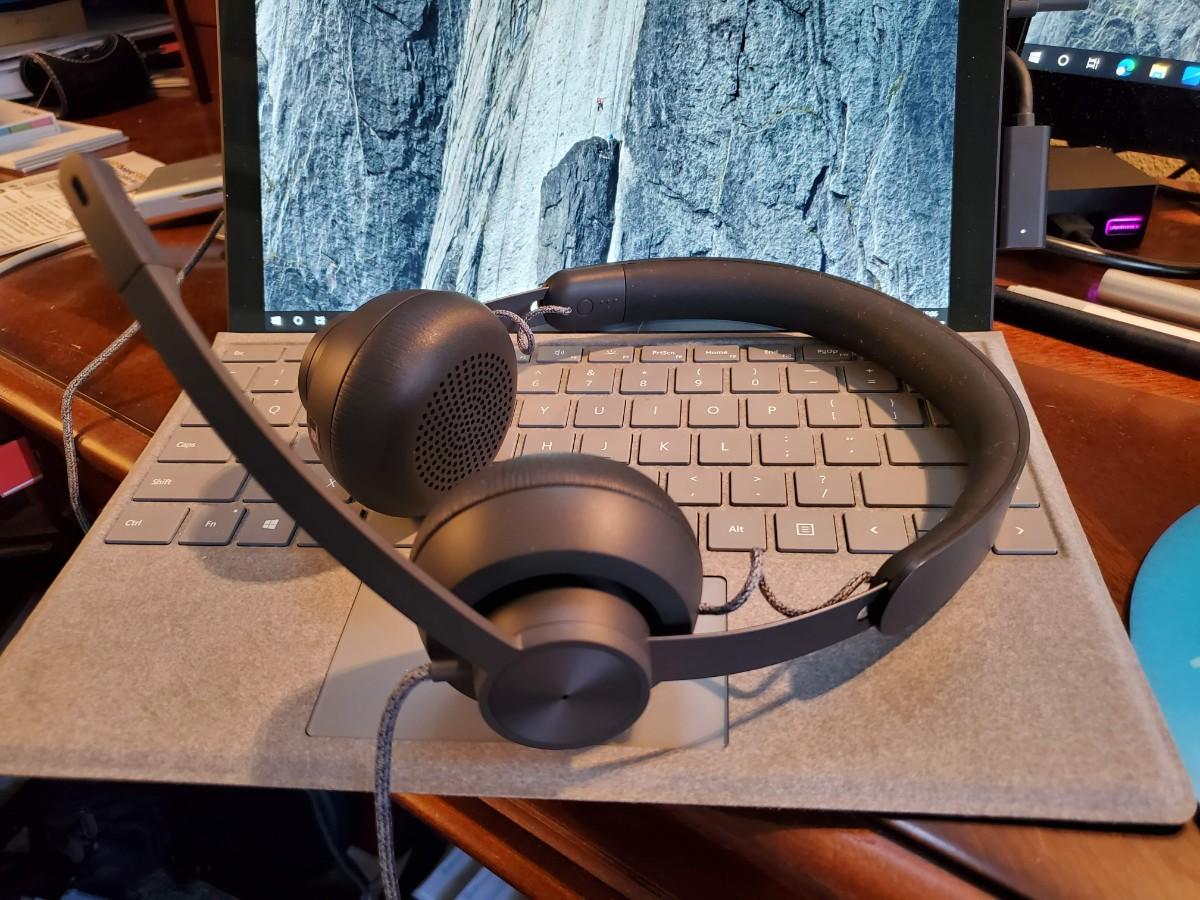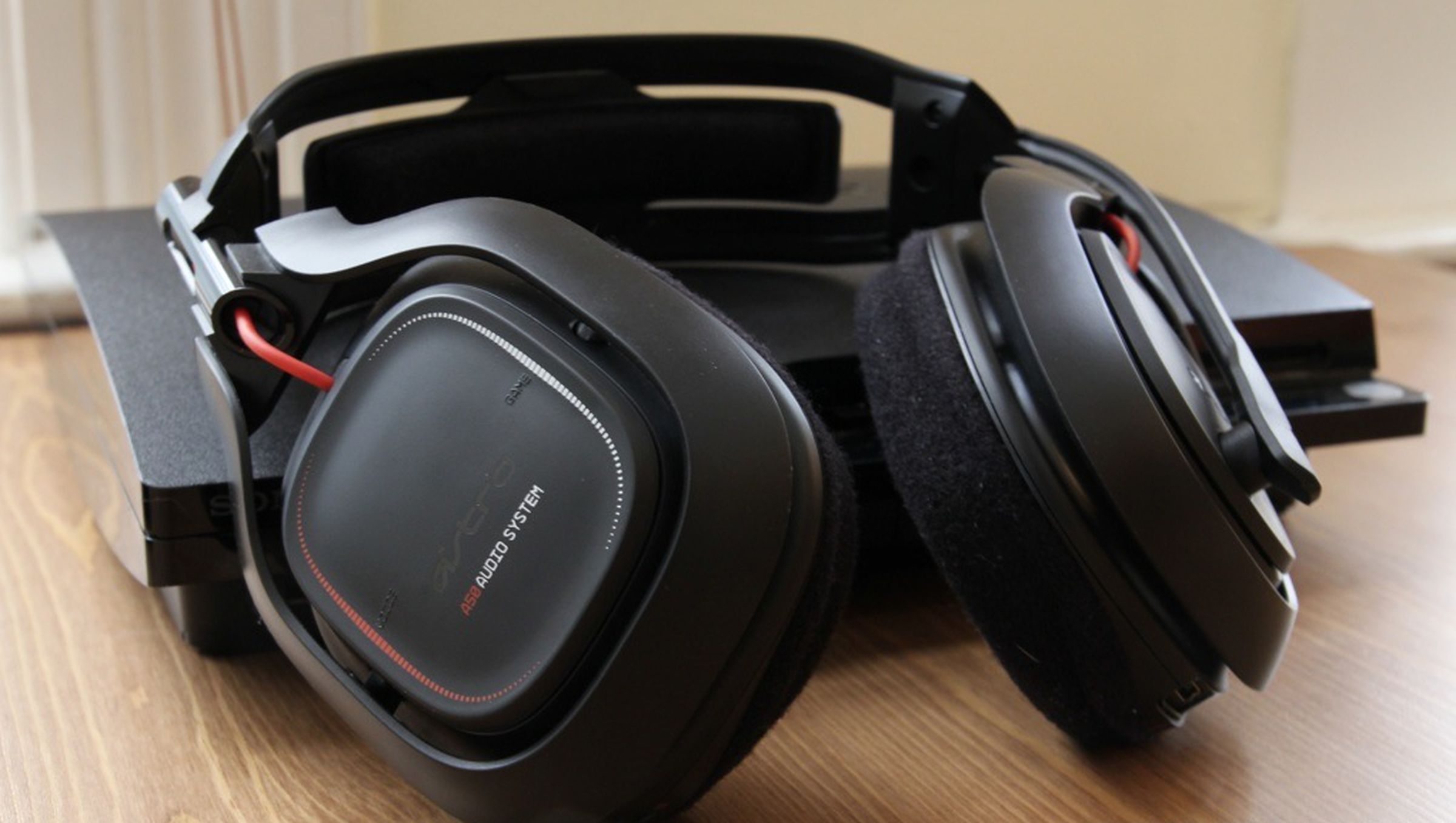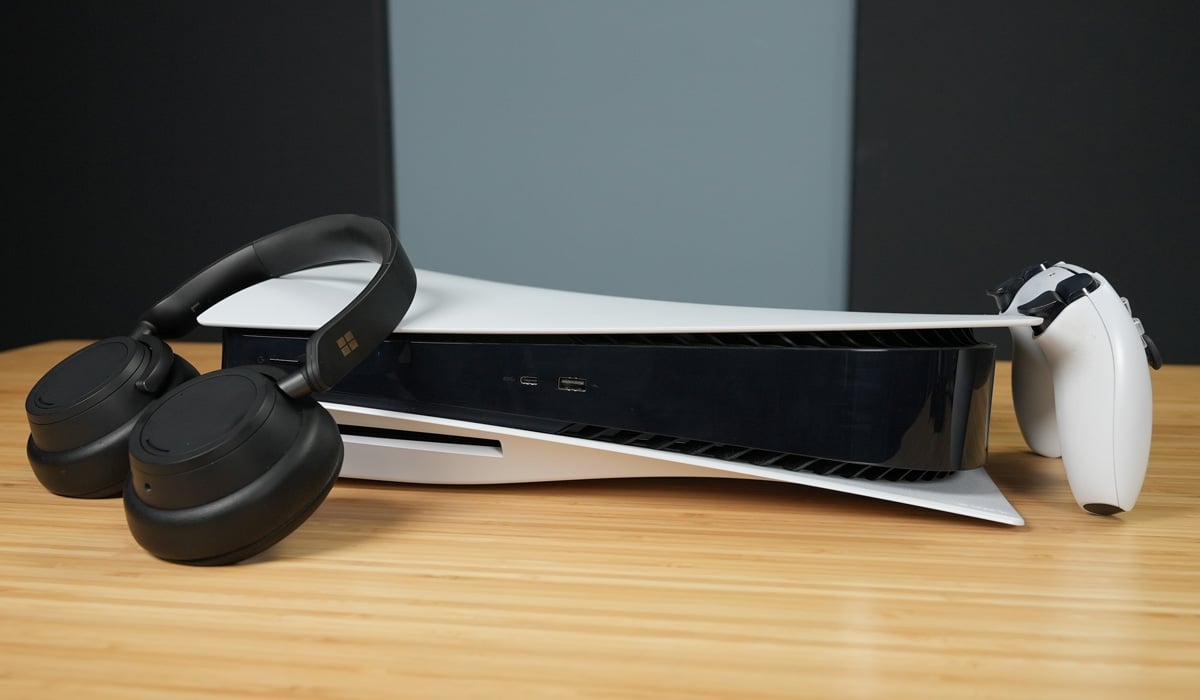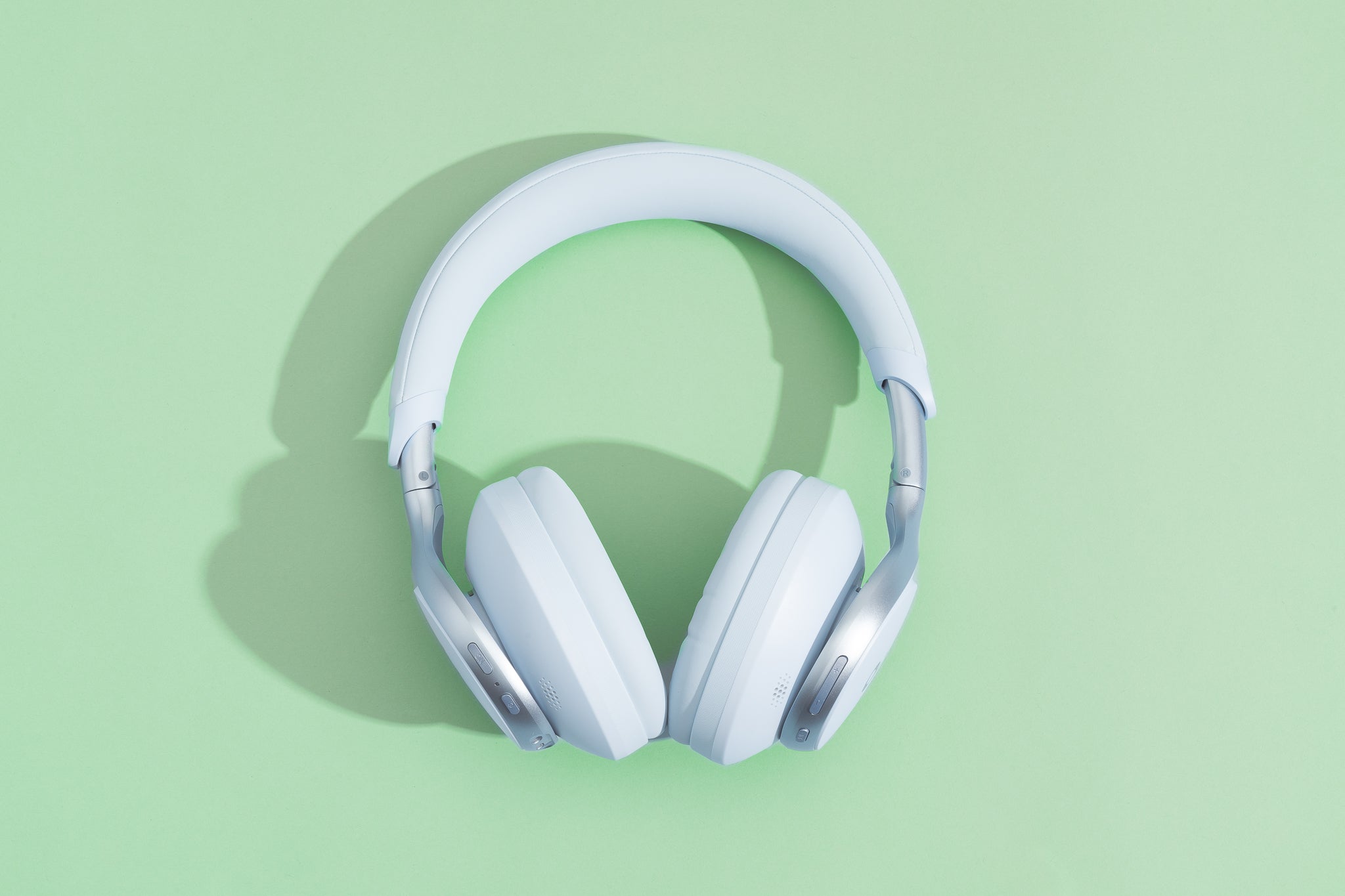




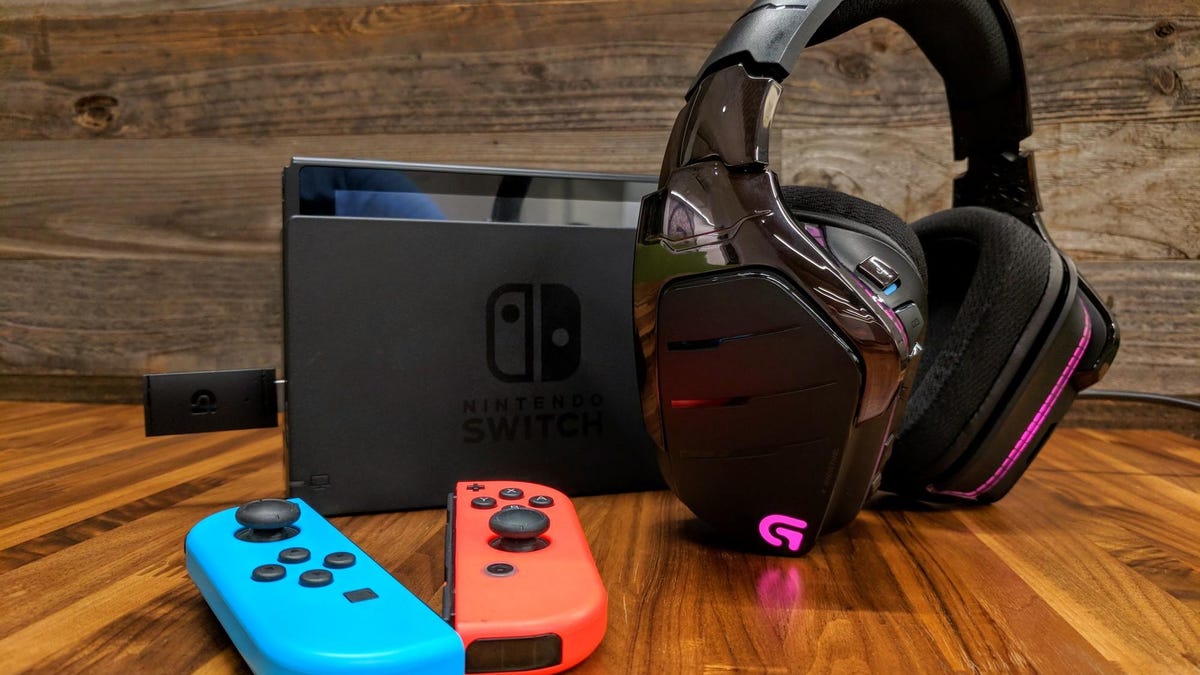
To get your Nintendo Switch headset working, use a Bluetooth headset if your console is on system version 13.0.0 or higher and the headset supports A2DP with SBC, or plug a wired headset into the 3.5mm audio jack.
Connect a Bluetooth headset to Nintendo Switch
Your Nintendo Switch must be on system version 13.0.0 or higher to use Bluetooth audio. To pair a headset for the first time, go to System Settings > Bluetooth Audio > Pair Device, put your headset in pairing mode, and select it when it appears. After pairing, the headset will automatically connect when you turn it on or remove it from its charging case.
Connect a wired headset to Nintendo Switch
Locate the 3.5mm audio jack on your console: in handheld mode, it is on the top-left side; when playing on a TV, it is on the back of the dock. Plug your headset in securely, then adjust volume using the + and - buttons or the Quick Settings screen.
Fix no sound or low volume on Nintendo Switch headset
- Check the volume with the console’s + and - buttons, or from the Quick Settings screen.
- Verify the headset is not muted on the console or on the headset itself.
- Ensure a Bluetooth headset is paired and shows as connected in System Settings > Bluetooth Audio.
- Test the headset on another device to isolate whether the issue is with the Switch or the headset.
Fix microphone not working on Nintendo Switch headset
- Check for a physical mute switch on the headset and ensure it is not toggled to mute.
- Verify microphone volume in Quick Settings on the console.
- Confirm the headset supports microphone input for Nintendo Switch; not all headsets provide mic functionality with the console.
- Bluetooth microphones are not supported on Nintendo Switch; only audio output works via Bluetooth.
Bluetooth headset compatibility and requirements
Nintendo documents that Bluetooth audio support requires system version 13.0.0 or higher, and the headset must use the A2DP profile with the SBC codec. To check your system version, go to System Settings > System > System Update; if an update is available, install it to meet the requirement. Nintendo Switch Bluetooth audio supports a maximum of two wireless controllers connected at the same time when using Bluetooth audio. Bluetooth audio is disabled during local wireless multiplayer. Only one Bluetooth audio device can be paired at a time on Nintendo Switch.
Frequently Asked Questions
Can I use any Bluetooth headset with my Nintendo Switch?
Only Bluetooth headsets that support the A2DP profile with SBC codec are documented as compatible. Headsets using other profiles (such as aptX or AAC) are not guaranteed to work.
Do wired headsets need any special adapter?
No. Any headset with a standard 3.5mm audio jack plugs directly into the console or dock without an adapter.
Will my Bluetooth headset reconnect automatically after I turn it off and on?
Yes. Nintendo states that after the initial pairing, a supported Bluetooth audio device will automatically connect when it is turned on or removed from its charging case.
How do I pair a Bluetooth headset to my iPhone?
Put the accessory in discovery mode, go to Settings > Bluetooth, turn on Bluetooth, and tap the device name.
How do I unpair a Bluetooth headset from my Nintendo Switch?
Go to System Settings > Bluetooth Audio, select the paired device, and choose the option to remove or forget it.
How do I unpair a Bluetooth headset from my iPhone?
Go to Settings > Bluetooth, tap the i next to the headset, and choose Forget this device.
Can I use a Bluetooth headset while the Switch is docked?
Yes. Bluetooth audio works in handheld, tabletop, and docked modes as long as the console is on system version 13.0.0 or higher.
Why does my headset work on my phone but not on my Switch?
The headset likely uses a Bluetooth profile not supported by the Switch, such as aptX or AAC. Only A2DP with SBC is documented as compatible.
For the wider topic, see troubleshooting gaming headsets.
Related reading: How To Connect Headset To Macbook and How To Connect PS5 Headset.