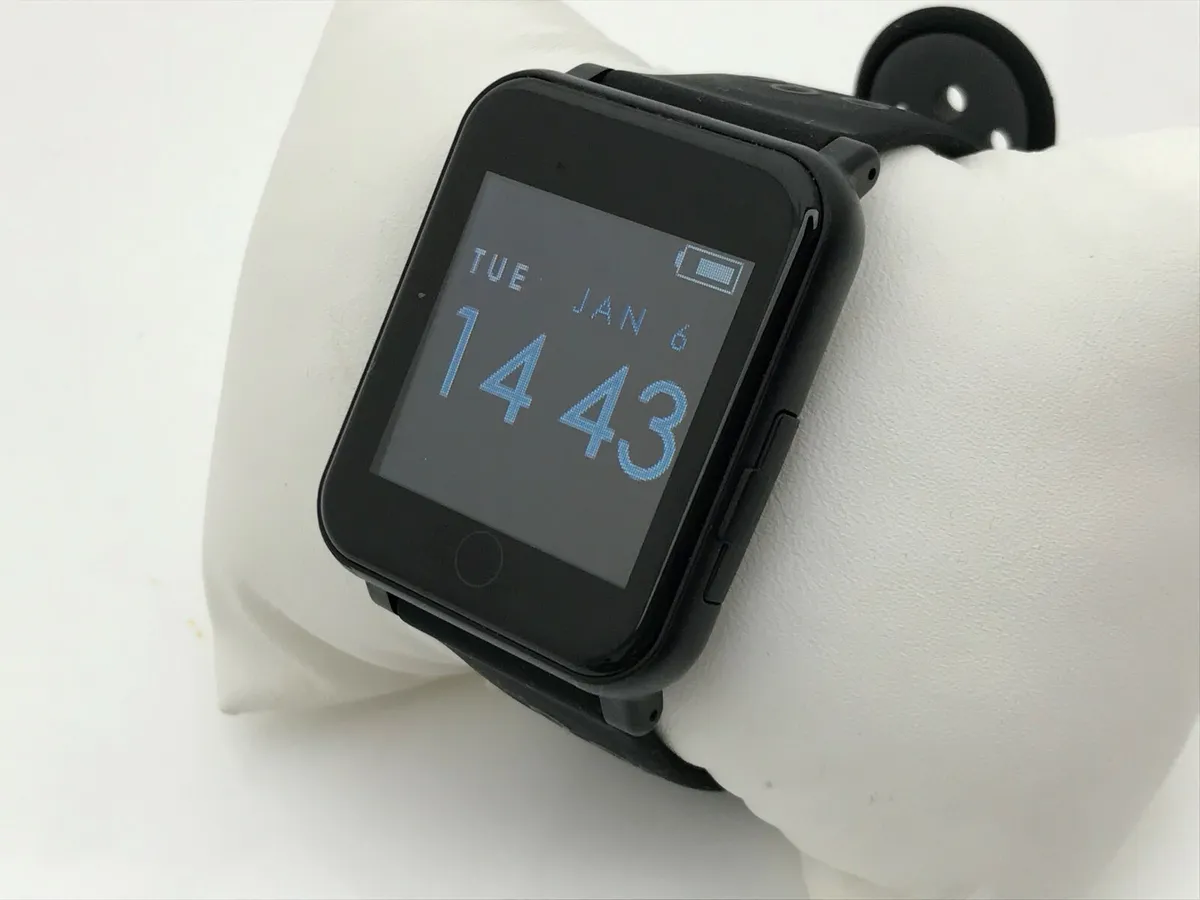





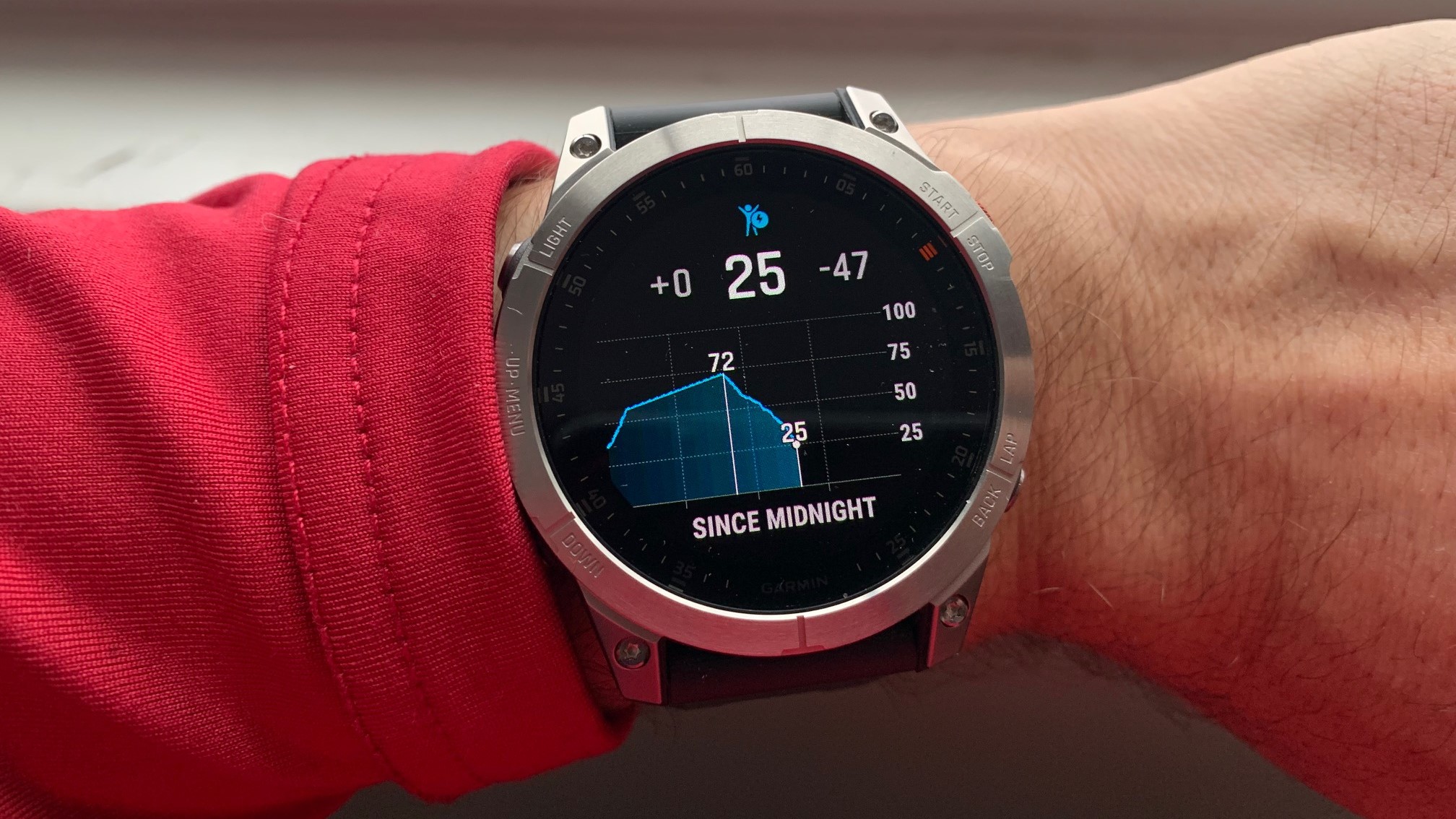
Garmin's Body Battery is a proprietary energy monitoring tool that acts like a fuel gauge for your body, estimating your energy reserves on a 0 to 100 scale. By continuously analyzing your heart rate, heart rate variability (HRV), stress levels, sleep quality, and movement data, it helps you understand when you have energy for activity and when you need rest.
What is body battery Garmin?
Body Battery is a feature built into most modern Garmin smartwatches and fitness trackers from 2018 onward that include optical heart rate sensors. It provides a real-time score representing your body's current energy reserves, functioning as a personalized guide to balance activity and recovery throughout your day. Unlike basic activity trackers, Body Battery gives you a single, intuitive number that reflects the combined impact of your sleep, stress, exercise, and daily life on your overall energy levels.
How does body battery work?
Your Garmin device uses these inputs to estimate how much energy you have stored and how quickly it is being used or replenished. For the most accurate results, you must wear your device 24/7, including during sleep. A new or recently reset device requires a learning period of about 5 to 7 days to establish your personal baseline for accurate readings.
How to read your body battery score
The Body Battery score ranges from 1 to 100, though the lowest displayed value is typically 5. Here is how to interpret the ranges:
- Very high (76-100): You have abundant energy reserves, suitable for intense physical activities, challenging workouts, or demanding mental tasks.
- Medium (26-50): Your energy is moderate; you may need to pace yourself and consider rest soon.
- Low (5-25): Your energy reserves are very low, signaling that rest and recovery should be your priority.
You can view your real-time score on the watch widget for an instant snapshot, and in the Garmin Connect app for detailed trends and historical data. Tracking these trends helps you understand how your daily habits affect your energy over time.
What drains and recharges your body battery?
Several factors directly influence your Body Battery score. Understanding them helps you manage your energy effectively.
What drains your body battery
- Physical activity and exercise: Higher intensity and longer duration lead to faster depletion.
- Stress: Mental, emotional, or physiological stress increases arousal and drains energy levels.
- Poor or inadequate sleep: Reduces overnight recharge and accelerates drain the next day.
- Illness: Your body uses extra energy to fight off illness, lowering your score.
- Alcohol consumption: Significantly reduces overnight recharge and accelerates energy drain.
What recharges your body battery
- Quality sleep: This is the primary and most significant factor for recharging your Body Battery.
- Restful periods: Naps, relaxation, meditation, or quiet activities can slow energy drain or provide small boosts.
What does not affect your body battery
- Food intake: Eating has no direct impact on Body Battery calculations.
- Caffeine and other stimulants: These have no direct impact on the score.
Tips for using body battery effectively
Body Battery is an energy management metric, not a fitness metric, and is not intended for medical purposes. Use it as a practical tool to plan your day:
- Plan workouts when your score is high: Aim for intense activities when your Body Battery is in the 76-100 range.
- Prioritize rest when your score is low: If your score drops to 25 or below, schedule recovery, light activity, or a nap.
- Track how lifestyle choices affect you: Observe how stress, alcohol, or poor sleep impact your overnight recharge and next-day score.
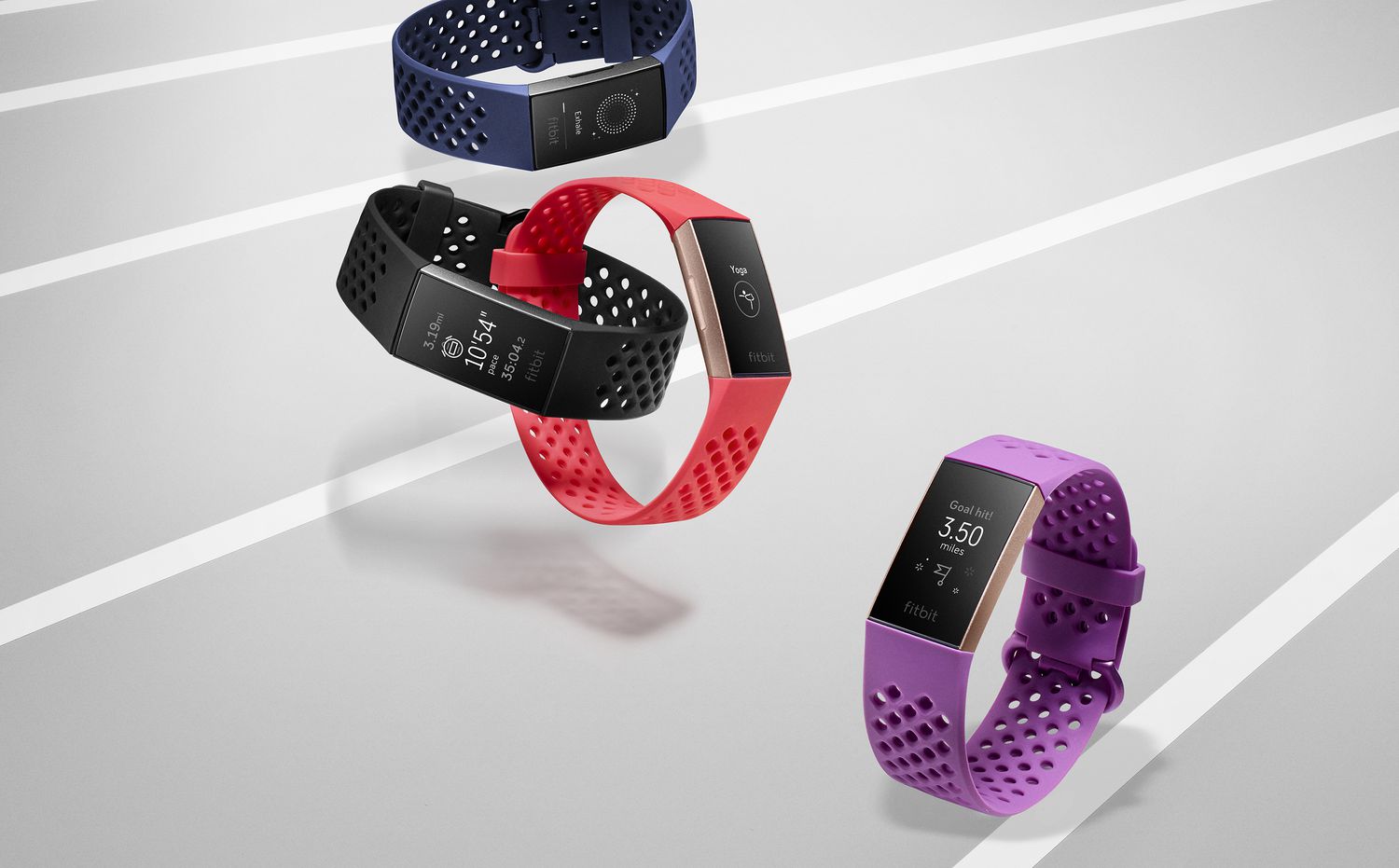
- Compare with other metrics: Use Body Battery alongside other Garmin features like stress tracking and sleep score to get a fuller picture of your recovery, much like you might compare Fitbit features and metrics for similar insights.
- Be patient with the learning period: Allow 5-7 days for your device to establish your baseline before relying on the score for decisions.
Frequently Asked Questions
Is Body Battery available on all Garmin devices?
No. Check your device's specifications or the Garmin Connect app to confirm compatibility.
How accurate is Garmin Body Battery?
Accuracy depends on consistent 24/7 wear, especially during sleep, and allowing the 5-7 day learning period. It provides a reliable estimate of your energy trends but is not a medical-grade measurement.
Can I improve my Body Battery score?
Yes. Prioritizing quality sleep, managing stress, avoiding alcohol before bed, and incorporating restful periods like naps or relaxation can improve your overnight recharge and overall score.
How does Body Battery differ from stress or sleep scores?
Body Battery is an energy management metric that combines stress, sleep, activity, and HRV data into a single score. Stress and sleep scores are separate metrics that focus on specific areas, while Body Battery gives you a holistic view of your energy reserves.
Related reading: How Accurate Is The Fitbit Charge 5 and What Is The Stress Management Score On Fitbit.