




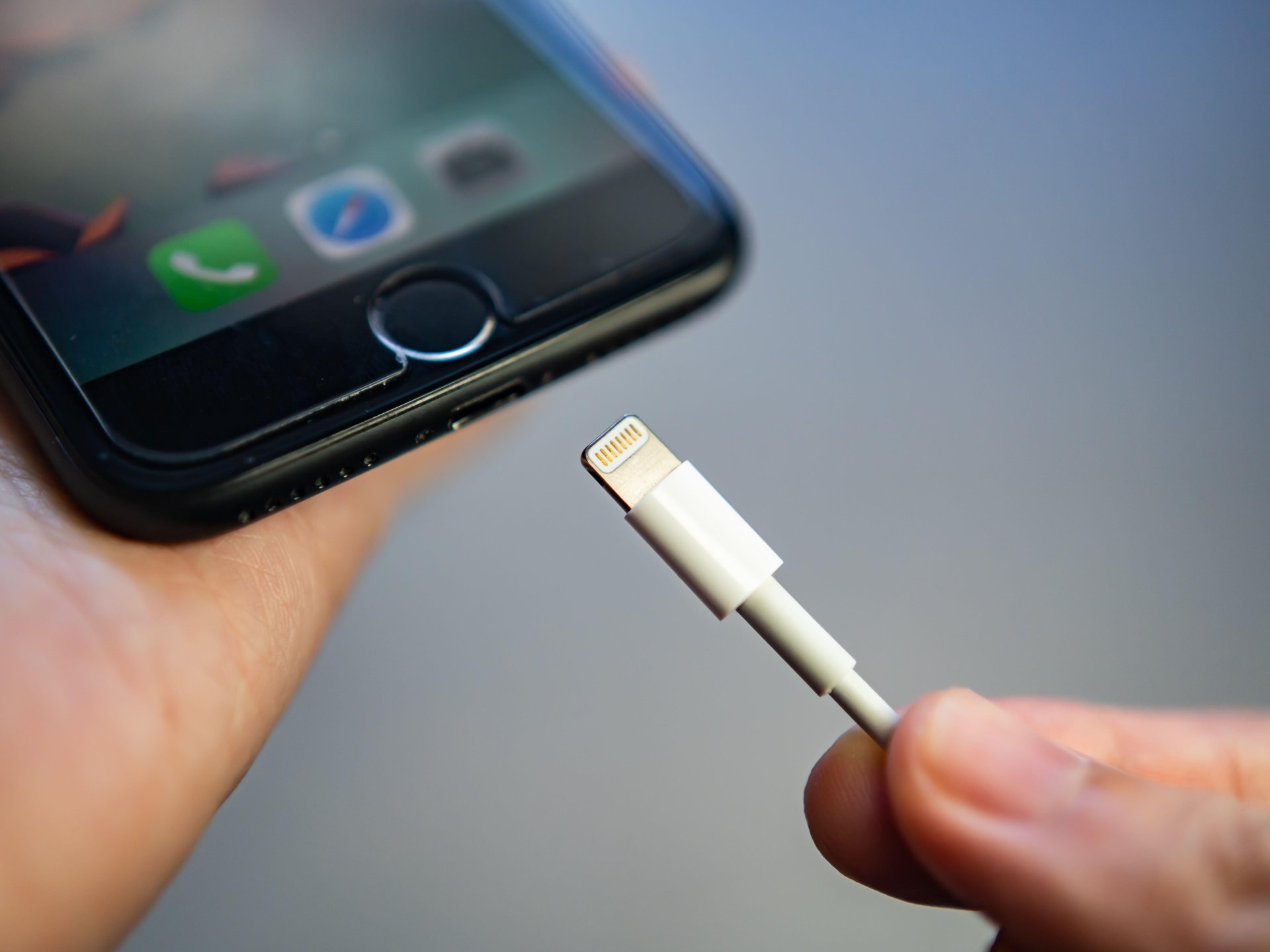
To clean an iPhone charging port safely, you need to remove lint and debris without inserting alcohol or liquid into the port. Apple does not support putting alcohol inside the charging port, and doing so can damage your device or void your warranty.
Why your iPhone charging port needs cleaning
Lint, dust, and debris naturally accumulate in the charging port over time, especially if you carry your iPhone in a pocket or bag. This buildup can push the charging cable’s connector away from the contact pins, causing intermittent charging, slow charging, or a complete failure to charge. A clogged charging port can cause bent or broken pins. Regular maintenance of the port helps maintain a reliable connection, improves charging efficiency, and prevents physical damage to the delicate pins inside the port. Keeping the port clean also enhances data transfer when syncing your device.
What Apple officially recommends for cleaning
Apple’s official cleaning guidance is clear and conservative. Before cleaning, disconnect all cables and power accessories, then turn off the device. For the exterior surfaces of the iPhone, use a soft, slightly damp, lint-free cloth only. For the charging cable or external parts (not the port itself), Apple allows dampening a microfiber cloth with 70% isopropyl alcohol and wiping those areas. This is the only documented alcohol use in Apple’s cleaning instructions. Use 90% or higher concentration isopropyl alcohol for effective cleaning (original specifies 90%+; Apple documents 70% only for external use). No step-by-step method for cleaning inside the iPhone charging port with alcohol is provided by Apple.
The risk of putting alcohol inside the charging port
The port contains sensitive electrical contacts, and moisture can cause short circuits, corrosion, or permanent damage. Using alcohol inside the port may also void your warranty if liquid damage is detected.
How to safely clean your iPhone charging port
Follow these steps using only Apple’s documented methods:
- Power off your iPhone and disconnect it from all cables and power accessories.
- Use compressed air to blow out loose particles or dust from the charging port before cleaning.
- Inspect the charging port with a flashlight to see if lint or debris is visible.
- Wipe the exterior surfaces around the port with a soft, slightly damp, lint-free cloth. Do not insert the cloth into the port.
- If you see debris lodged in the port, use a dry, soft-bristled brush (such as a clean, unused toothbrush) with extreme care. Wear protective gloves when working with isopropyl alcohol to avoid skin irritation. Gently brush across the opening to dislodge loose particles. Do not poke or scrape the inside of the port.
- Allow any moisture from the exterior cleaning to dry completely before powering on your iPhone.
If you still experience charging problems, you can repeat the cleaning process. If the charging issue persists after this gentle cleaning, do not attempt more aggressive methods. When cleaning phone cases and grips, you can use a damp cloth with mild soap, but keep that cleaning separate from the port itself.
When to seek professional help
If you cannot see or remove deeply lodged debris, or if the charging pins inside the port appear bent, damaged, or broken, stop cleaning immediately. Attempting to dig out compacted material with a metal tool or sharp object can cause permanent damage. Visit Apple Support or an authorized service provider for a safe inspection and cleaning. They have specialized tools and expertise to handle delicate components without voiding your warranty.
Keeping your charging port clean long-term
To prevent future buildup, consider using a port cover or plug when your iPhone is not charging. Avoid storing your iPhone in lint-heavy pockets or bags without a case that covers the port. Regularly inspect the port with a flashlight every few weeks, especially if you notice charging issues. Gentle, preventive maintenance is far safer than waiting for a major blockage that requires professional intervention.
Frequently Asked Questions
Can I use a toothpick or paperclip to clean the charging port?
Apple does not recommend inserting any rigid object into the port. Metal tools can scratch or bend the contact pins, leading to permanent damage. A soft-bristled brush is the safest option if debris is visible.
What concentration of isopropyl alcohol does Apple document?
Apple documents 70% isopropyl alcohol for use on a microfiber cloth, applied only to the charging cable or external parts of the device, never inside the port.
How often should I clean my iPhone charging port?
There is no set schedule from Apple. Inspect the port monthly or whenever you notice charging problems. Over-cleaning can be unnecessary and may introduce risk if done improperly.
Will cleaning the port fix a phone that won’t charge at all?
It can, if the issue is caused by lint blocking the connection. If cleaning does not restore charging, the problem may be a faulty cable, battery, or internal hardware that requires professional diagnosis.
Does Apple offer a service to clean the charging port?
Apple Support and authorized service providers can inspect and clean the port as part of a diagnostic visit. This is the safest option if debris is stubborn or you suspect damage.
Related reading: How To Track Dead IPhone and How To Fix Broken IPhone Charger Tip.