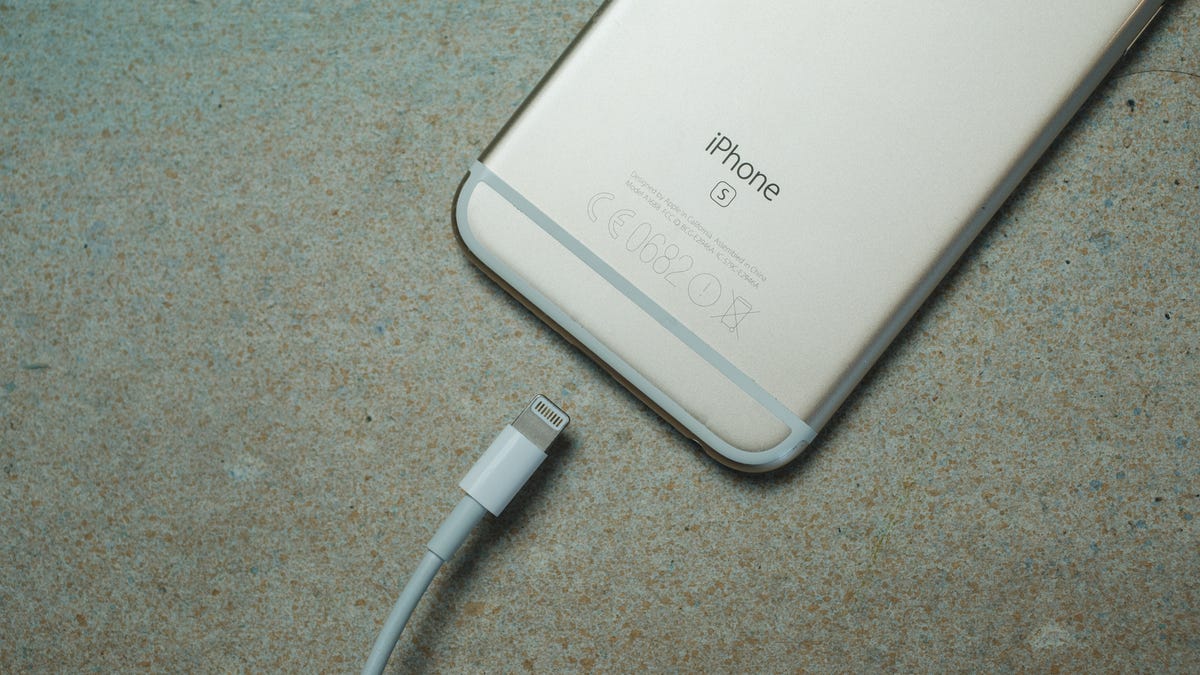





To get sand out of your phone charger hole safely, power off your device and inspect the port with a flashlight before attempting any cleaning. The key is to remove debris without inserting any objects or using compressed air, following official guidance from Apple and Samsung to avoid damaging the delicate internal components.
How to get sand out of your phone charger hole safely
Attempting to clean a charging port with the wrong tools can cause permanent damage.
Step 1: Power off and inspect the port with a flashlight
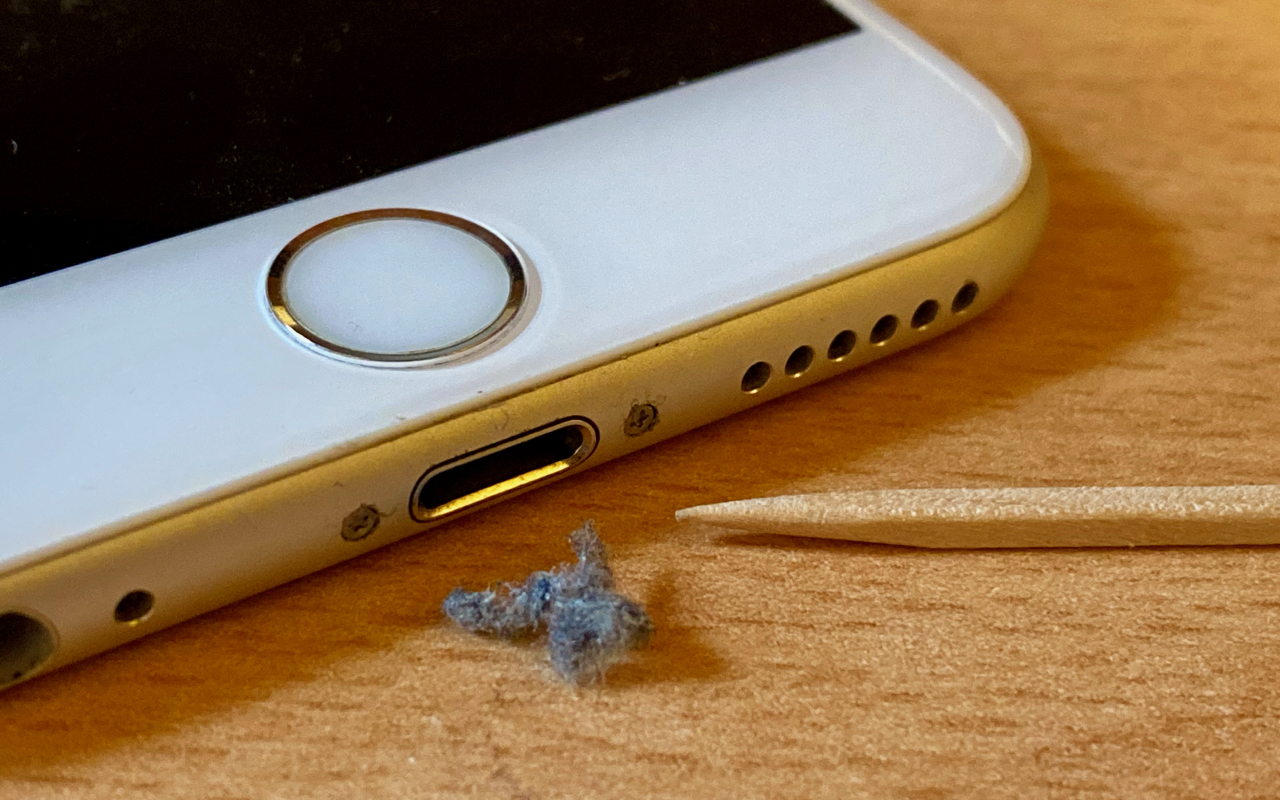
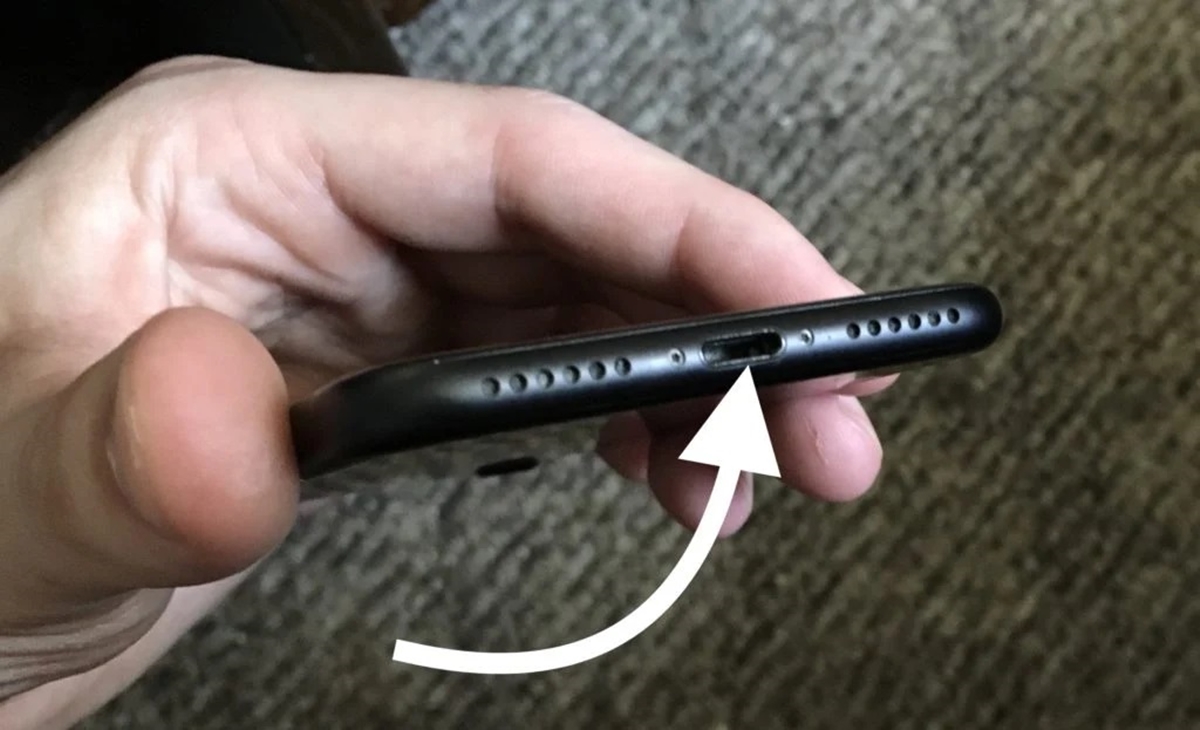
Samsung's official first step is to turn off your device completely. Use a flashlight to look inside the charging port for sand or debris near the metal terminal. Samsung says to use a flashlight to look inside the charging port for dust or debris near the metal terminal. This visual inspection lets you assess how much material is present and whether it is loose or compacted before you proceed.
Step 2: Tap and blow to dislodge loose sand
These two safe, non-invasive methods are recommended by both manufacturers. Apple's guidance is to tap your iPhone gently against your hand with the Lightning or USB-C connector facing down to remove excess debris. Samsung's guidance is to gently blow into the charging port to remove loose dust and debris. Repeat these steps until no more particles fall out.
Step 3: Dry the port completely if moisture is present
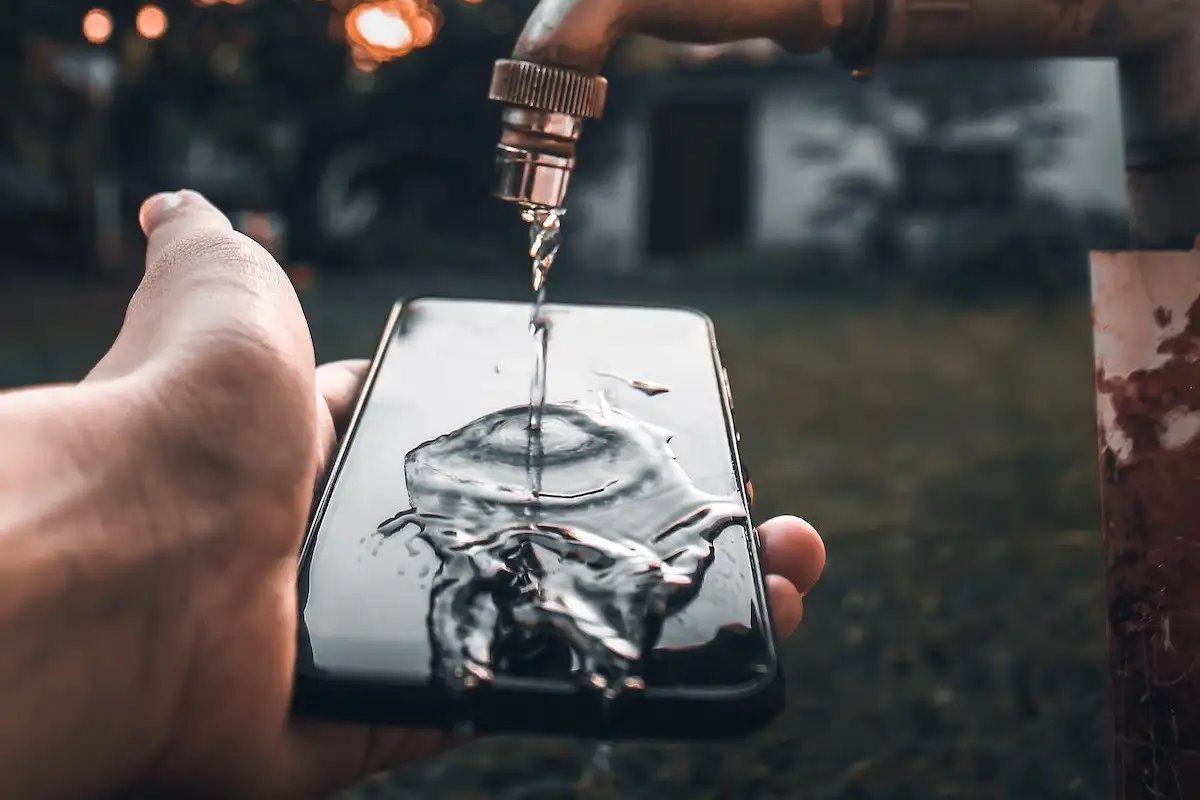
If sand entered the port alongside water or moisture, drying is essential before charging. Samsung recommends leaving the phone in a well-ventilated area for several hours. Samsung says drying can take several hours. You may optionally use a fan or a hair dryer on the cool air setting only to speed up the process. Samsung says a fan or dryer with cool air only can speed up drying. Apple also advises waiting for the port to dry fully before attempting to charge again.
What to absolutely avoid when cleaning your charging port
Using the wrong method can ruin your phone's charging port. Do not use compressed air, as Apple explicitly forbids it for iPhone charging connectors. Do not apply external heat sources such as a hair dryer on hot or a heat gun. Never insert any foreign object such as a cotton swab, paper towel, toothpick, or metal tool into the connector. These actions can scratch the metal contacts, push debris deeper, or melt internal components.
When to seek professional help for your phone
If your phone still will not charge after the device is completely dry and visible debris has been removed, you should seek help from a professional engineer or an authorized service provider, as recommended by Samsung. Samsung says if charging problems continue after the device is completely dry, seek help from a professional engineer. Attempting further DIY cleaning at this point risks irreversible damage.
Frequently Asked Questions
Can sand damage the charging port permanently?
Yes, sand can scratch the metal contacts inside the port and prevent proper electrical connection. Samsung treats dust and debris near the metal terminal as a charging issue that should be removed before charging to avoid long-term damage.
Why is compressed air forbidden for cleaning the charger hole?
Apple specifically says not to use compressed air because the force can push debris deeper into the port or damage the delicate pins. It can also force moisture further into the device if any is present.
How can I prevent sand from getting into my charger hole in the first place?
Keep your phone in a protective case that covers the charging port when not in use, and avoid placing your phone directly on sandy surfaces. Regularly cleaning phone cases and grips can also reduce the amount of grit that transfers to the port area.
How long should I wait before charging after drying the port?
Apple does not give a specific time limit, only that the port must be fully dry. Samsung says drying can take several hours in a well-ventilated area. Using a fan or cool air from a dryer can speed up the process, but never rush by applying heat.
Does this cleaning method work for both iPhone and Android phones?
Yes. Apple’s documented handling step applies to iPhone models with Lightning or USB-C connectors. Apple covers iPhone models with Lightning or USB-C connectors, and Samsung documents this cleaning advice for wired charging on mobile devices. Samsung covers its mobile devices in its wired-charging and moisture-handling guidance. The same tap, blow, and dry steps apply to both platforms.
Related reading: How To Fix Broken Usb Connector and How To Clean Out Phone Charger Port.