



Your iPhone can automatically track your walking distance using its built-in motion sensors, without needing an Apple Watch or other devices. To ensure this feature works, the critical first step is enabling "Motion Calibration & Distance" in your Location Services settings.
How to track walking distance on iPhone automatically
The iPhone's internal motion coprocessor continuously records your steps and estimates distance traveled, storing this data in the Health app. This happens silently in the background as long as you carry your phone. Before using any tracking method, verify that the system service is active: go to Settings > Privacy & Security > Location Services > System Services, and ensure "Motion Calibration & Distance" is turned on. Without this setting enabled, distance tracking may be less accurate or unavailable.
Method 1: Use the Fitness app (iOS 16+)
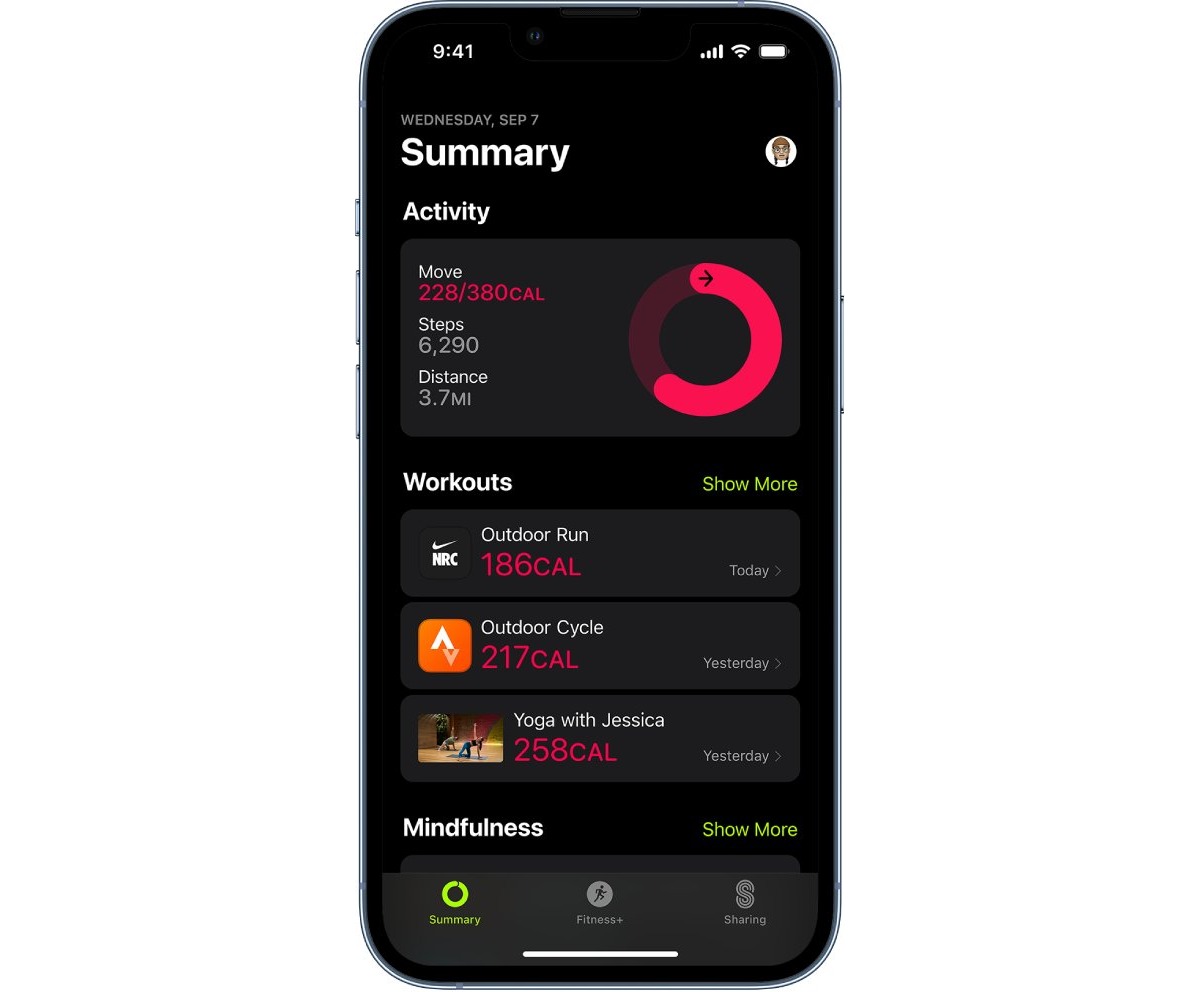
If your iPhone runs iOS 16 or later, the Fitness app displays daily activity without requiring an Apple Watch. This is the quickest way to see your walking distance at a glance.
- Open the Fitness app on your iPhone.
- Tap the "Summary" tab at the bottom of the screen.
- Tap on the "Step Count" or "Step Distance" area to view your walking distance for the current day.
The Summary tab shows steps, distance, and active energy. Tapping into these metrics reveals a graph of your daily progress. The Fitness app pulls data directly from the iPhone's motion sensors, so no setup beyond enabling Motion Calibration & Distance is needed.
Method 2: Use the Health app
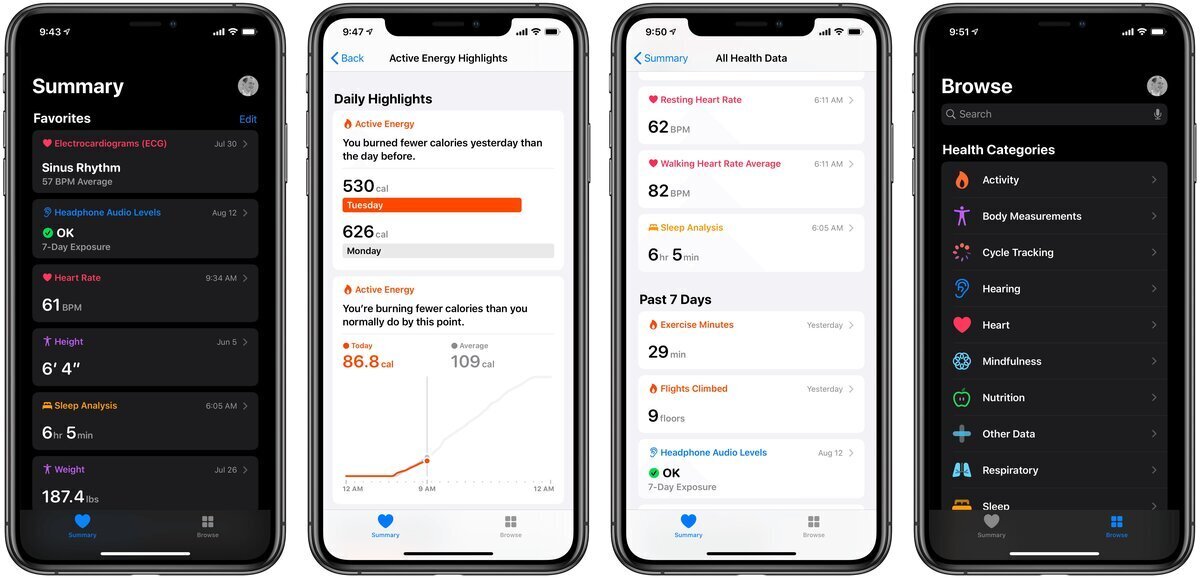
For detailed history, graphs, and data source management, the built-in Health app provides comprehensive walking and running distance records. This method works on any iOS version.
- Open the Health app (white icon with a red heart).
- Tap the "Browse" tab at the bottom.
- Select "Walking + Running Distance" from the list.
- View your daily summary on the dashboard. Tap "Show All Data" at the bottom to see a graph with adjustable time ranges (day, week, month).
- To manage data sources, scroll to "Data Sources & Access" on the same screen. Here you can prioritize which apps or devices contribute to your walking distance records.
The Health app automatically collects and stores your walking and running distances. It prioritizes data in this order: manually entered information, then data from your iPhone, iPad, and Apple Watch, followed by data from third-party apps and Bluetooth devices.
Method 3: Use a third-party app
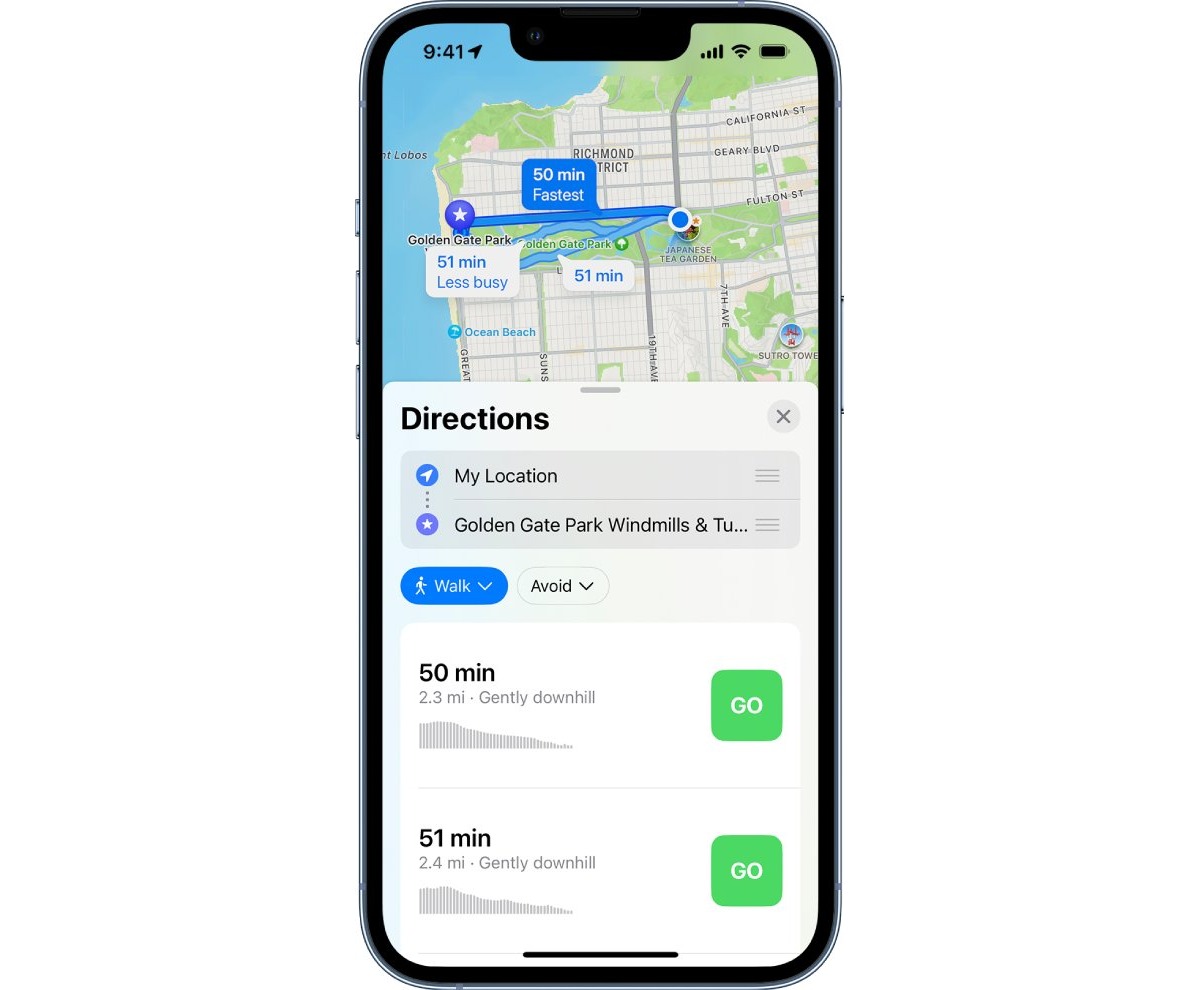
For users who want social features, route mapping, or different interfaces, third-party apps like Strava or MapMyWalk offer enhanced functionality. These apps use GPS to map your walks and provide pace, elevation, and route details. They also sync their data back to the Health app, so your walking distance remains centralized. If you want to see how your iPhone tracking compares to a dedicated wearable, you might also explore a Fitbit setup and pairing to compare data sources, though the iPhone itself does not require any external device for basic tracking.
Method 3: Using a pedometer accessory
Pedometer accessories work by detecting the motion of your body as you walk, and then converting that motion into step counts. Some pedometer accessories connect to your iPhone via Bluetooth, allowing you to sync the data directly with your phone. When using a pedometer accessory, it's important to ensure that it is calibrated correctly. Many devices also track your calorie burn, active minutes, and even your sleep patterns. Before purchasing a pedometer accessory, make sure to read reviews and choose one that is compatible with your iPhone model. Consider factors such as accuracy, battery life, ease of use, and any additional features that you may find useful.
Frequently Asked Questions
How accurate is the walking distance tracking on an iPhone?
Accuracy depends on factors such as GPS signal strength, how you carry your phone, and whether Motion Calibration & Distance is enabled. The iPhone's motion sensors provide a reliable estimate for daily use, but dedicated fitness trackers may offer slightly more precision in specific conditions.
Do I need an Apple Watch to track walking distance on my iPhone?
No. The iPhone's built-in motion sensors track walking distance independently. An Apple Watch adds additional features like real-time pace and heart rate, but the iPhone works perfectly fine on its own.
How does the iPhone track distance without GPS?
The iPhone uses its motion coprocessor to detect steps from arm swing and body movement. It estimates distance based on step count and your height, which the Health app uses to calculate stride length. GPS is only used when location services are active for mapping apps.
Will calibrating my Apple Watch improve iPhone tracking?
Calibration processes involving outdoor walks or runs for 20 minutes are primarily designed to improve the accuracy of an Apple Watch's distance, pace, and calorie measurements. They do not significantly affect the iPhone's inherent tracking capabilities.
Can I see my walking distance history from previous days?
Yes. In the Health app, select "Walking + Running Distance" and tap "Show All Data" to browse daily, weekly, or monthly history. The Fitness app also shows a seven-day summary in the Summary tab.
Do third-party walking apps drain my battery faster?
Apps that use continuous GPS tracking, such as Strava or MapMyWalk, can increase battery usage. The iPhone's built-in Health and Fitness apps use motion sensors rather than constant GPS, which is more battery-efficient for background tracking.
Can I sync my walking distance data with other fitness apps or devices?
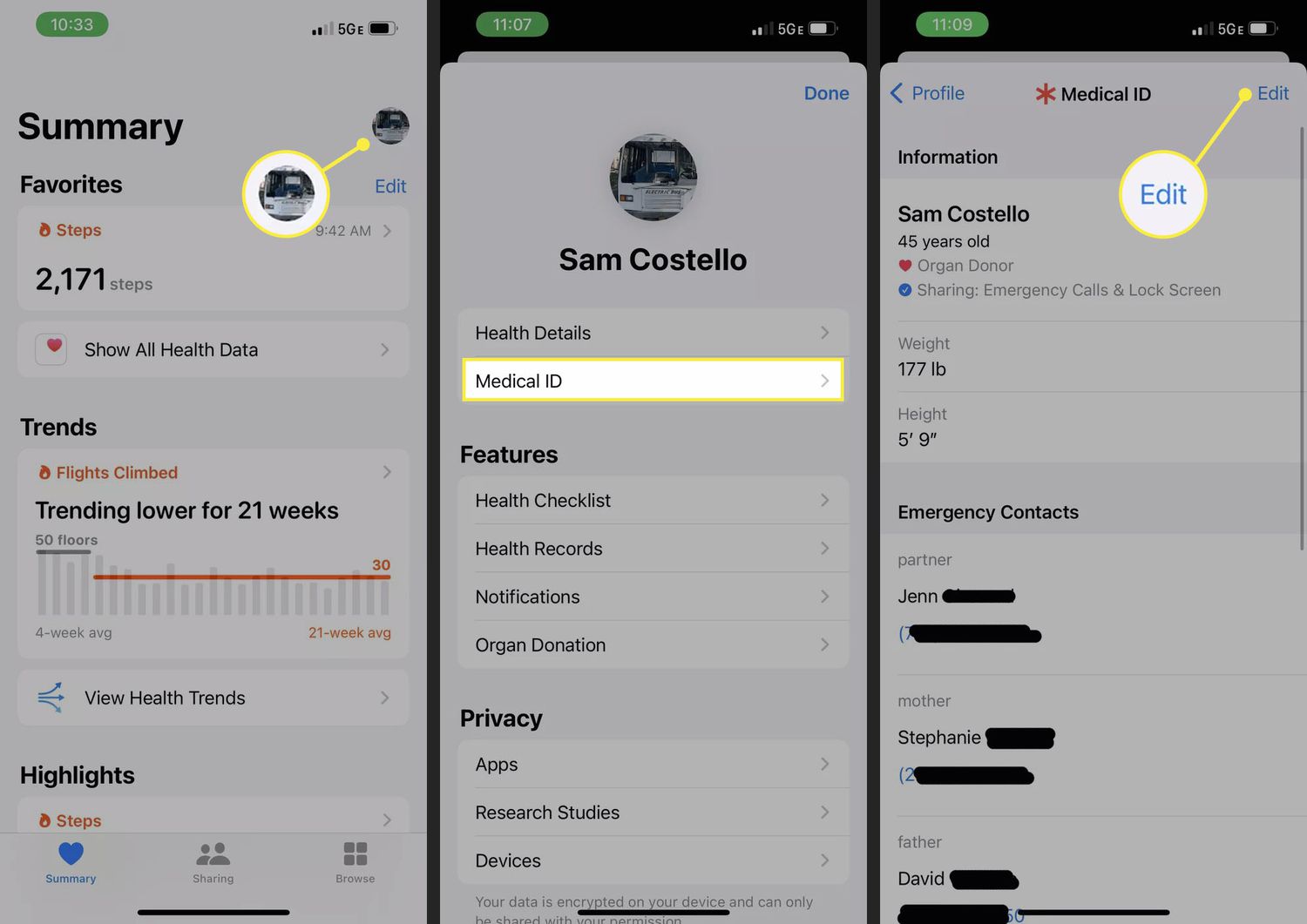
Yes, the Health app can share data with compatible third-party apps and devices. To manage sharing, go to the Health app, tap your profile picture, then select "Apps" or "Devices" under the Privacy section to control which sources can read or write your walking distance data.
Related reading: How To Measure Decibels On IPhone and How To Track Run On IPhone.