





There is no single magic number for what age a child should get a cellphone, but experts recommend waiting until at least 8th grade (around ages 13-14) for a smartphone, while a basic phone can be a good starter device for younger kids. The decision depends far more on your child's individual maturity and responsibility than on a birthday.
What age should a child get a cellphone? The short answer
No universal age applies to every child. Experts suggest waiting to give a child a smartphone until at least 8th grade, or around ages 13-14, when they have a greater capacity for self-regulation and understanding digital risks. For younger children, a basic phone or smartwatch that allows calling and texting without social media or open internet access can serve as a responsible first step.
How many kids already have phones?
Knowing the statistics helps you gauge social pressure and what is normal among peers. By age 10, 42% of kids have a phone. That number jumps to 71% by age 12, and by age 14, 91% of children own one. These numbers show that the longer you wait, the more your child may feel left out, but they also reinforce that many parents delay smartphones until the early teen years.
Signs your child is ready for a phone
Age alone is not the deciding factor. Look for these verified signs of readiness:
- Following rules: Does your child consistently follow household and school rules without reminders?
- Handling responsibility: Can they keep track of their belongings, complete homework on time, and manage a routine?
- Impulse control: Do they think before acting, especially when tempted by screens or social media?
- Understanding online privacy: Do they grasp why they should not share personal information or passwords?
- Social awareness: Are they aware of how their online behavior affects others and can they recognize cyberbullying?
- Safety needs: Consider if your child frequently finds themselves in situations where having immediate access to a phone is essential for safety, such as participating in outdoor activities or traveling alone.
- Social connection: Evaluate if your child's peers already have cellphones and staying connected is becoming increasingly important for socialization.
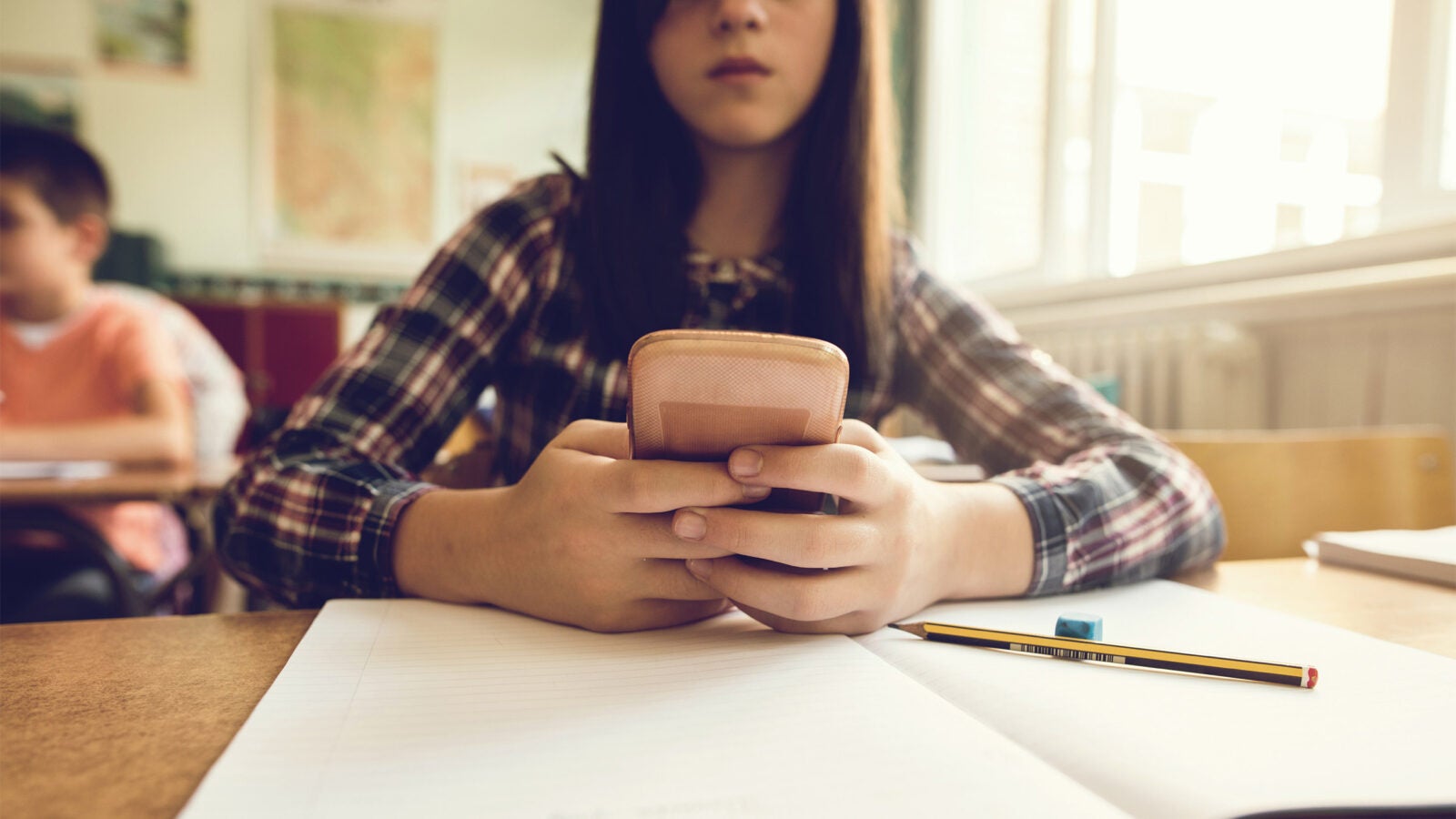
- Academic impact: Assess how a cellphone may impact your child's academic performance; if the presence of a cellphone is likely to distract your child from their studies or disrupt their focus, it may be advisable to delay getting them a cellphone until they develop better self-control and time management skills.
Benefits of a child having a cellphone
A cellphone offers several practical advantages when used responsibly. Enhanced communication lets your child reach you or emergency services instantly. Safety and security features, including GPS tracking, give parents peace of mind about their child's whereabouts. Educational resources such as apps, research tools, and homework aids support independent learning. Social connection helps children maintain friendships and reduce isolation. Organizational tools like calendars and reminders teach time management and responsibility.
Potential risks of a child having a cellphone
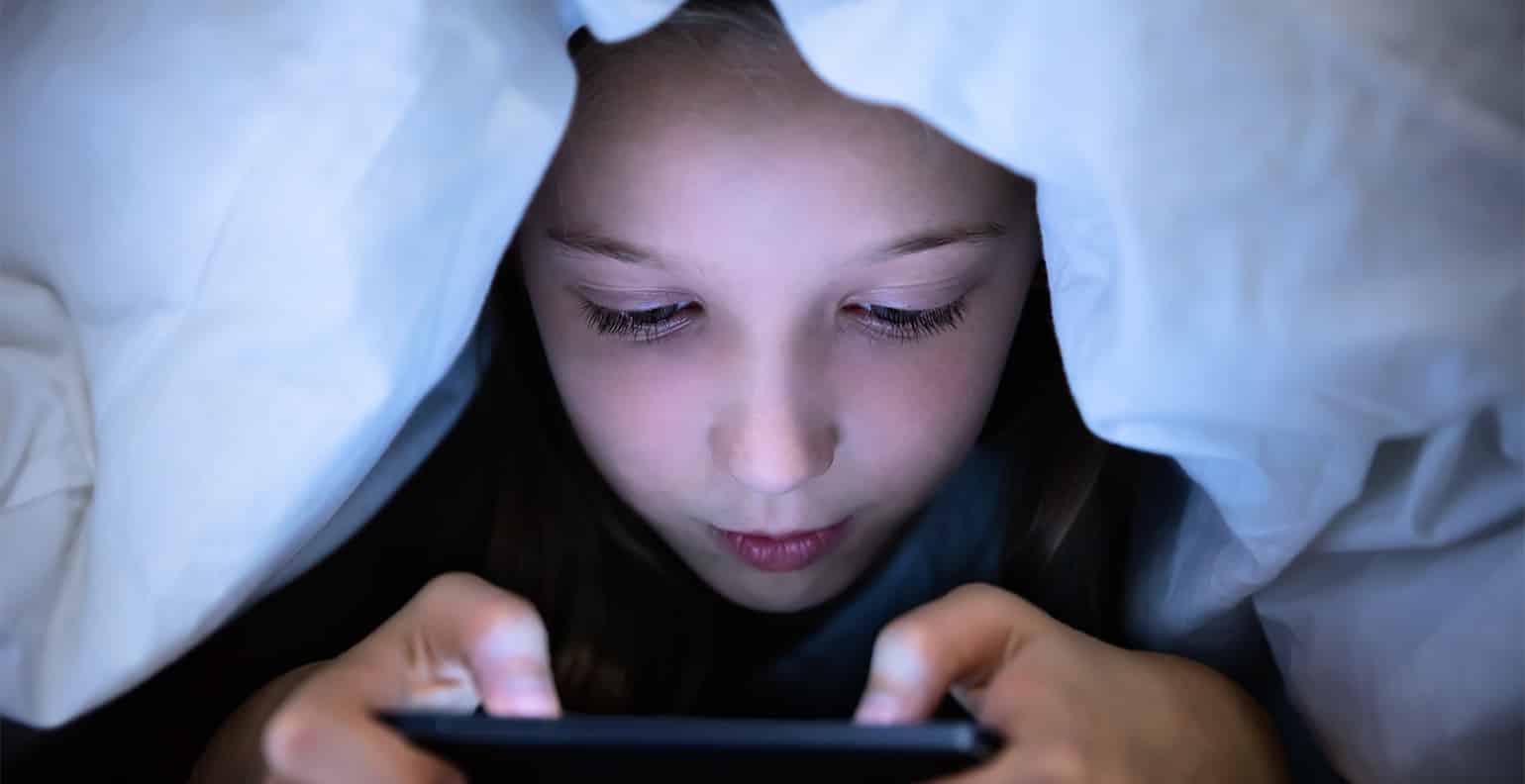
These risks require active management. Cyberbullying can occur through messaging apps and social media. Inappropriate content, including violence and adult material, is accessible online. Online predators may attempt to contact children through games or chat platforms. Distraction from schoolwork is a major concern, as phones compete for attention during homework and class. Sleep disruption from blue light emitted by screens can interfere with rest, especially when phones are used close to bedtime. The blue light emitted by cellphone screens can interfere with a child's sleep patterns.
Smartphone vs. basic phone: A better first step
These devices build responsibility without exposing children to the full risks of a smartphone. They let you stay in touch while delaying the challenges of social media, open browsing, and app stores.
How to use parental controls to keep them safe
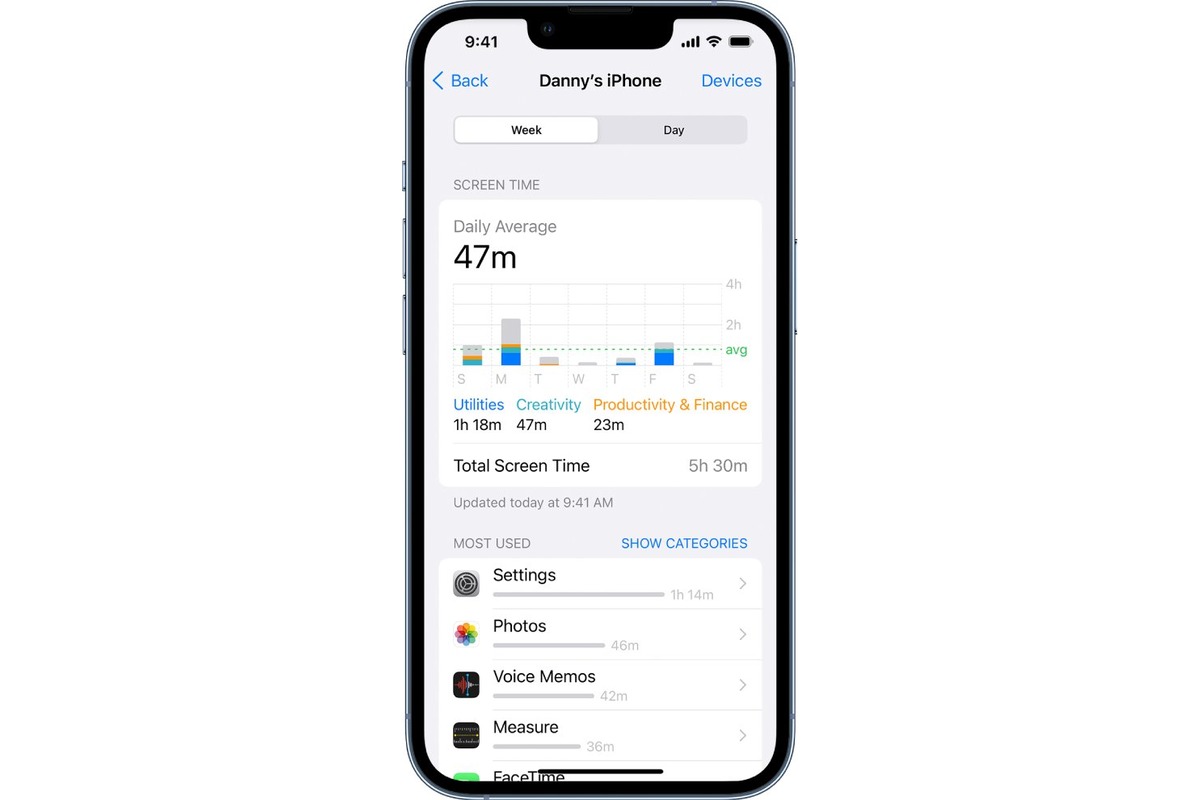
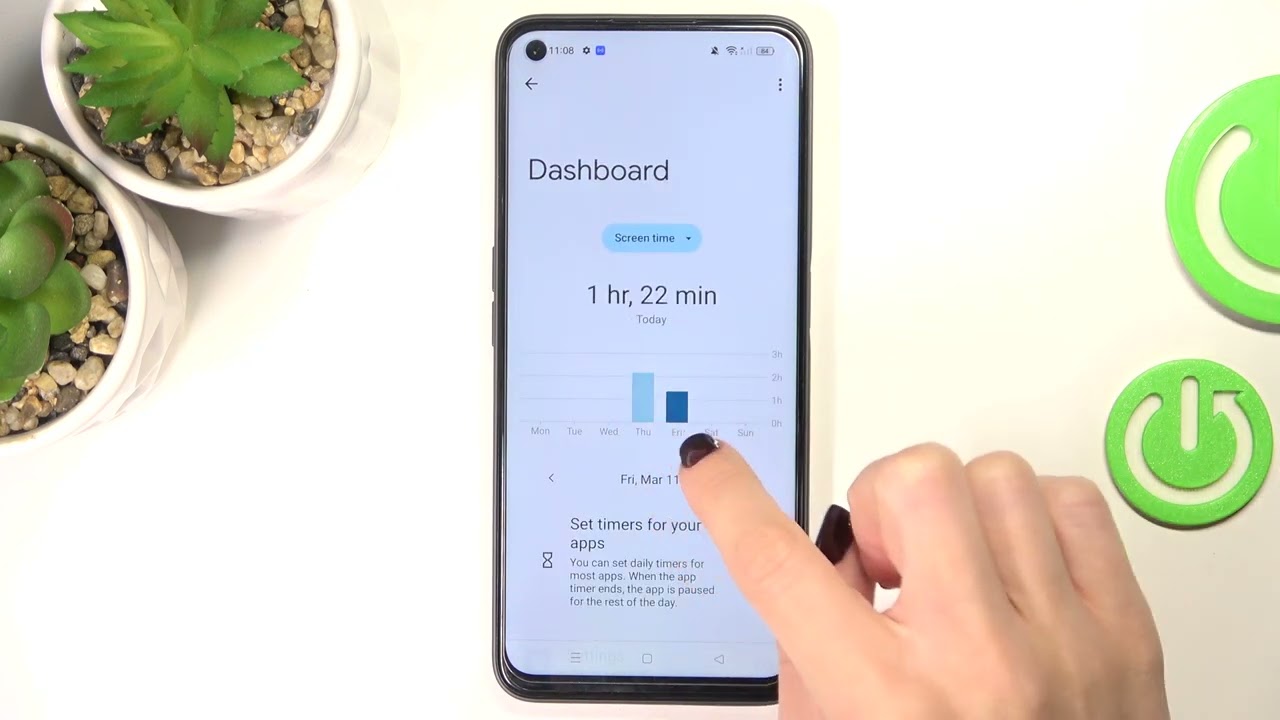
Parental controls are essential for managing your child's phone use. On Apple devices, use "Content & Privacy Restrictions" to set age-appropriate ratings for apps, music, movies, and TV shows. Set "Screen Time Schedules" to decide when your child can use the device. Enable "Ask to Buy" so you must approve or decline app downloads and purchases from your own device. Manage who your child communicates with in Messages, FaceTime, and Phone by deciding allowed contacts and requiring approval for new connections. Android devices and third-party apps like Bark and Kids360 offer similar features for monitoring activity, filtering harmful content, and setting screen time limits. These tools give you practical control while your child learns responsible habits.
Setting clear rules and boundaries
Establishing clear rules and boundaries is essential for safe phone use. Create phone-free zones during meals and homework time to encourage focus and family connection. Keep phones out of bedrooms overnight to prevent late-night use and sleep disruption. Set a 30-minute screen cutoff before bed to protect sleep quality. It's important to set boundaries and encourage your child to disconnect from their devices at least an hour before bedtime. Have ongoing conversations about online safety, privacy, cyberbullying, and the consequences of inappropriate behavior. Open and honest communication with your child about these topics is vital for long-term safety.
Special considerations for children with ADHD
Children with ADHD may benefit from delaying or limiting phone access due to vulnerability to overstimulation and impulsive posting. The constant notifications, fast-paced content, and social pressure of smartphones can be particularly challenging. If your child has ADHD, consider starting with a basic phone and gradually introducing more features only when they demonstrate consistent self-control.
The bottom line: Maturity over age
A common misconception is that a specific age is the sole determinant. Instead, your child's individual developmental stage and readiness are more important. The decision is personal, based on your family's needs and your child's demonstrated responsibility. Keep communication open, set clear expectations, and monitor consistently. For a deeper look at how phones affect family life, explore our collection of cell phone facts and usage tips to guide your decision.
Frequently Asked Questions
What if my child needs a phone for after-school activities or emergencies?
If your child walks home alone, takes public transit, or has after-school commitments, a basic phone or smartwatch for calling and texting is a reasonable solution even at a younger age. The key is to limit features to what is necessary for safety and communication.
How do I handle peer pressure when my child says "everyone has one"?
Acknowledge that many peers do have phones, but explain that your decision is based on your child's readiness, not on what others do. Offer alternatives like family messaging apps on a shared tablet or a basic phone as a compromise while they develop responsibility.
Should I check my child's phone regularly?
Yes, regular monitoring is part of responsible parenting when a child owns a phone. Let your child know upfront that you will review messages, apps, and browsing history periodically. This builds trust and reinforces that phone use is a privilege with oversight.
What is the best way to introduce a phone to a child?
Start with a trial period using a basic phone or a smartphone with strict parental controls and no social media. Set clear rules in writing, discuss consequences for breaking them, and gradually increase freedom as your child demonstrates responsibility.
How do I teach my child about online predators?
Have direct conversations about never sharing personal information, photos, or location with strangers. Role-play scenarios where someone asks for private details or suggests meeting in person. Emphasize that they should always come to you if something feels wrong, without fear of punishment.
Related reading: Why Should Cellphone Be Allowed In School and How To Check IPhone Usage History.