




What is the real satellite phone cost?
The real satellite phone cost is a combination of a one-time handset purchase, a service plan, and usage-based fees, with total first-year expenses typically ranging from about $850 for a basic emergency setup to over $3,800 for a premium device with unlimited talk time. That figure includes the hardware ($525 to $1,440), an annual service plan ($300 to $2,400+), and a one-time activation fee ($25 to $60), but not overage charges. To get an accurate budget, you need to separate the device cost from the service plan, because the handset is a one-time investment while the plan is a recurring expense.
Satellite phone handset prices
The hardware investment for a satellite phone starts at around $525 for an entry-level model like the Thuraya XT-LITE, which covers basic calling and messaging in regions where Thuraya's network operates. On the premium end, the Iridium Extreme 9575 costs about $1,440 and offers global coverage, a rugged build, and advanced features like built-in SOS and Bluetooth. The price difference reflects coverage area, durability, and extra capabilities, but for many occasional users, the cheaper handset is sufficient, especially if you only need a lifeline for emergencies rather than daily communication.
Monthly and annual service plan costs
Postpaid monthly plans range from $12.50 per month for a basic Globalstar messaging plan to over $200 per month for high-minute or high-data allowances. Annual plans, which are prepaid for a year at once, start at roughly $300 for emergency-only use (e.g., a set number of minutes that never expire) and go up to over $2,400 for unlimited minutes. For occasional users, an annual emergency plan is usually the most cost-effective route because it avoids monthly recurring fees and locks in a lower per-minute rate.
Airtime, data, and overage charges explained
When you exceed your plan's included minutes or data, overage charges apply, and these can add up quickly. For Iridium, overage runs $1.19 to $1.29 per minute, while Inmarsat's IsatPhone 2 charges $0.99 to $2.49 per minute depending on the plan. Data usage is billed separately: Thuraya GmPRS postpaid plans cost $0.99 to $2.20 per megabyte, and Iridium data calls are $1.99 per minute. Critically, unused minutes from monthly plans typically do not roll over to the next billing cycle, so if you pay for 100 minutes but use only 20, you lose the other 80. This makes it essential to estimate your actual usage before choosing a plan, because paying for minutes you never use inflates your real satellite phone cost.
Extra fees to factor into your budget
Beyond the handset and plan, you should budget for several one-time and recurring fees. A one-time activation fee for a new service line typically ranges from $25 to $60, and many monthly plans require a minimum contract term of 12 or 24 months. If you cancel early, you may face an early termination fee, which can be several hundred dollars depending on the provider and remaining contract length. Another optional add-on is the Iridium U.S. Plus feature, which assigns a U.S. phone number to your satellite phone; callers then reach you at standard domestic rates instead of paying high international satellite call charges. This feature is worth considering if you expect frequent calls from people who don't have their own satellite phones.
How to choose a plan that fits your usage
Start by honestly assessing how often and where you'll use the phone, then match that to the plan types above. - Emergency-only use (a few calls per year): Choose an annual prepaid plan like the ~$300 emergency tier from providers like Globalstar or Iridium. You pay once, get a block of minutes that lasts 12 months, and avoid monthly bills. This is the cheapest way to own a satellite phone without ongoing costs. - Occasional use (a few calls per month): Look for a low-usage monthly plan (e.g., $12.50 to $50 per month) with a short contract or a prepaid option. Ensure the per-minute overage rate is reasonable, because you'll likely exceed a small allowance occasionally. Avoid plans with high monthly fees and big minute buckets you won't use. - Frequent or professional use (daily calls or data): Compare Iridium and Inmarsat for coverage and per-minute overage costs, and factor in the U.S. Plus feature if your callers are domestic. For most people, the key to minimizing satellite phone cost is to avoid paying for unused minutes. Renting or leasing satellite phones is a cost-effective option for short-term use, with many service providers offering flexible rental plans at a fraction of the purchase price. Utilizing Wi-Fi calling and messaging apps (e.g., Skype, WhatsApp, Viber) on satellite phones that support Wi-Fi can reduce call and message costs, though Wi-Fi availability may be limited in remote locations.
Frequently Asked Questions
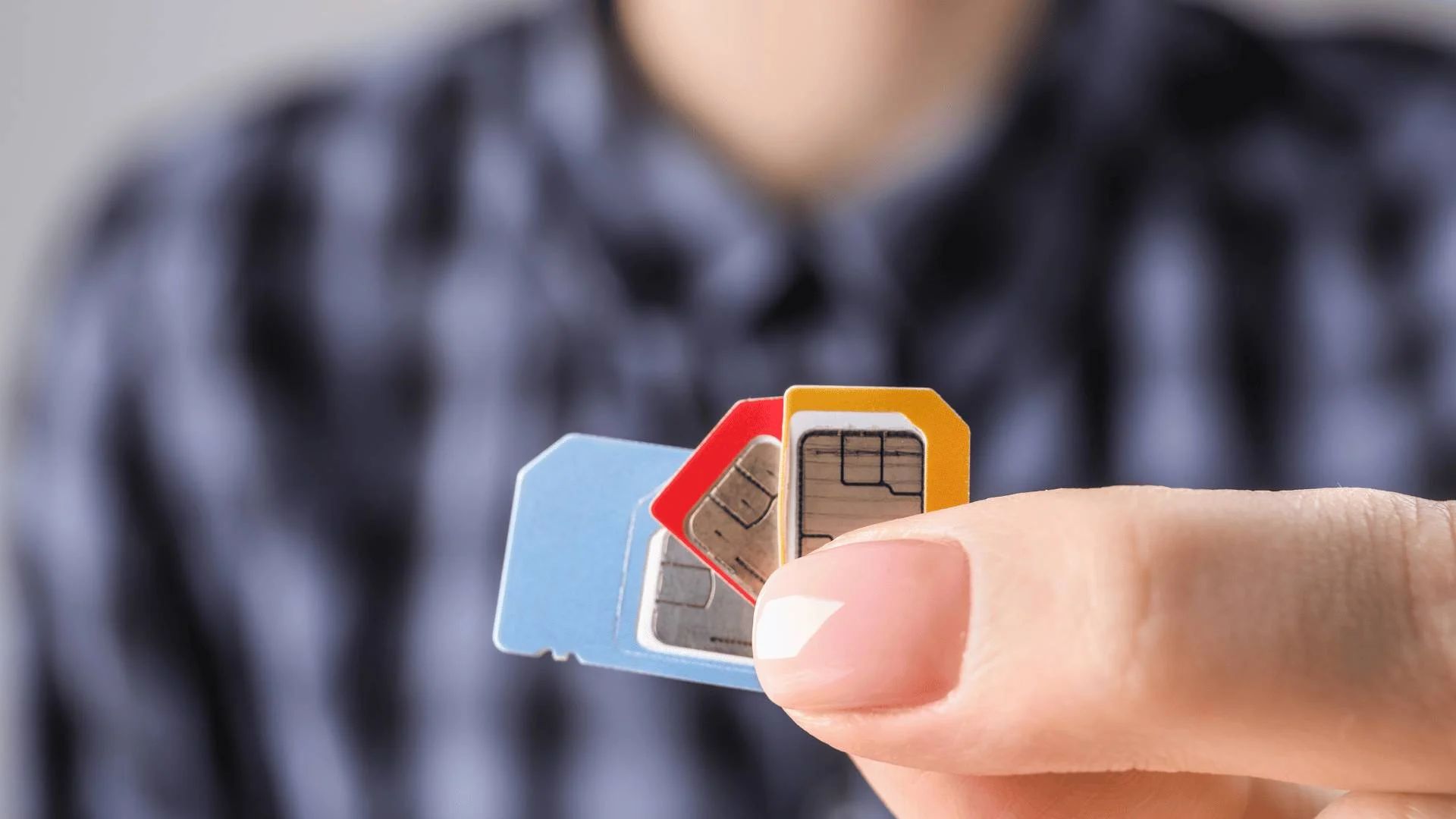
Can I use a regular SIM card in a satellite phone?
No, you cannot use a regular cellular SIM card in a satellite phone. Satellite phones operate on different frequencies and protocols, so they require a specialized SIM card from the satellite service provider (e.g., Iridium or Inmarsat) that is programmed to connect to the satellite network.
Do satellite phone plans include free roaming?
No, satellite phone plans typically do not include free roaming. While satellite coverage is global, some plans restrict usage to specific regions (e.g., Iridium covers the whole planet, but Globalstar may charge extra for maritime or aeronautical use). Always check your plan's coverage map and any roaming surcharges for the areas you'll visit.
Can I get internet access with a satellite phone?
Yes, you can get basic internet access via satellite phone, but it's slow and expensive. Data speeds are typically insufficient for video streaming or large file downloads, and costs range from $0.99 to $2.20 per megabyte depending on the provider. For heavy data needs, a dedicated satellite internet terminal is a better investment.
How much does a satellite phone cost compared to a regular smartphone?
However, the ongoing service is far more expensive, monthly plans start at $12.50 and go over $200, whereas a typical cellular plan is $30 to $80. If you're used to cellphone pricing basics, expect satellite service to cost 2 to 5 times more per minute of talk time.
Are there prepaid satellite phone plans without a contract?
Yes, prepaid plans are available from providers like Iridium and Globalstar, and they require no annual commitment. These plans are ideal for short trips but more expensive per minute than annual contracts, so they're not the best for year-round emergency readiness.
What is the cheapest way to own a satellite phone?
The cheapest way is to buy a used or entry-level handset (like the Thuraya XT-LITE for ~$525) and pair it with an annual emergency plan (~$300) plus the activation fee (~$25). This approach works well if you only need the phone for safety net communication, and it avoids the recurring monthly fees that inflate costs for regular users.
What are the advantages of using a satellite phone?
Provides reliable coverage in remote areas, oceans, and during emergencies where cellular coverage is unavailable; more resistant to signal interference.
For the wider topic, see the price of an Android phone.