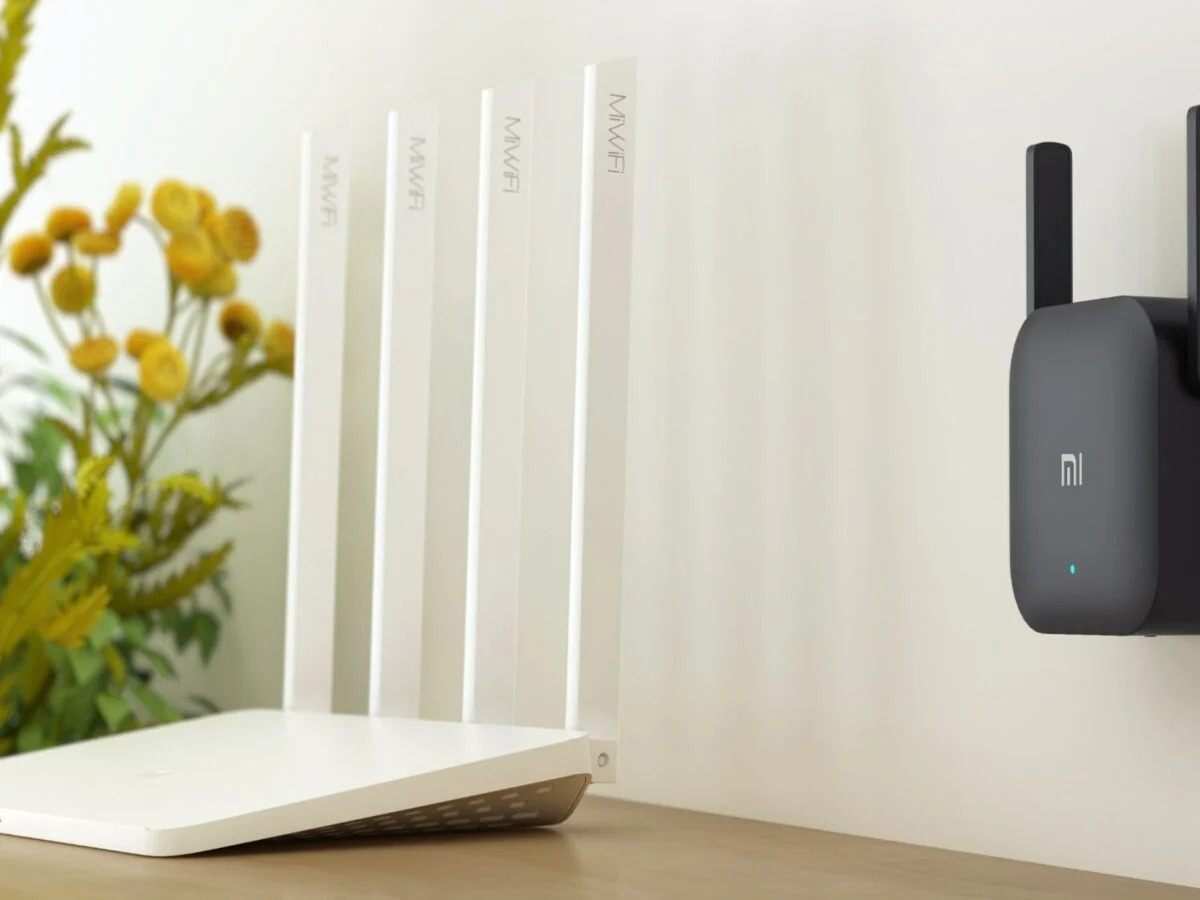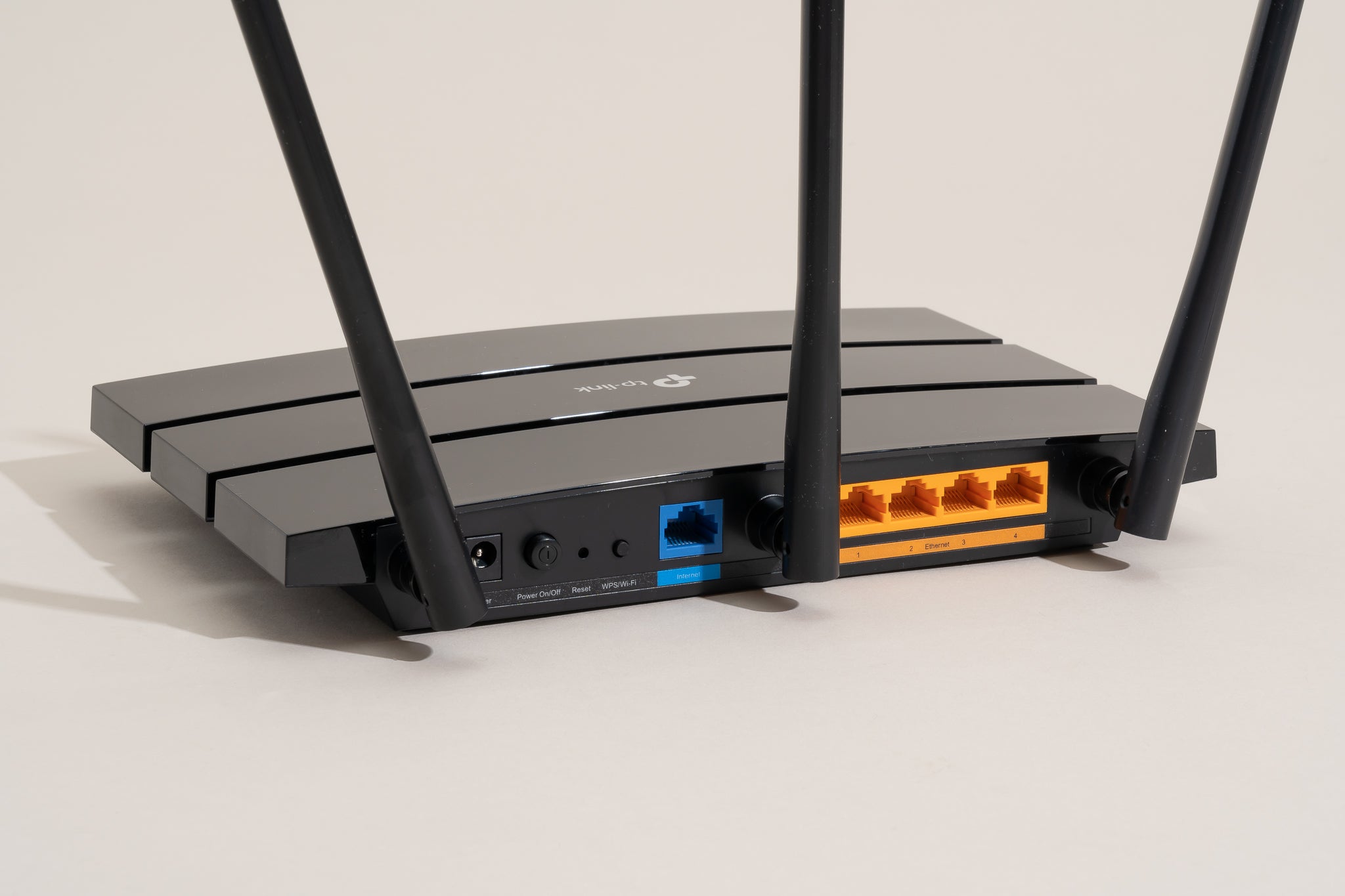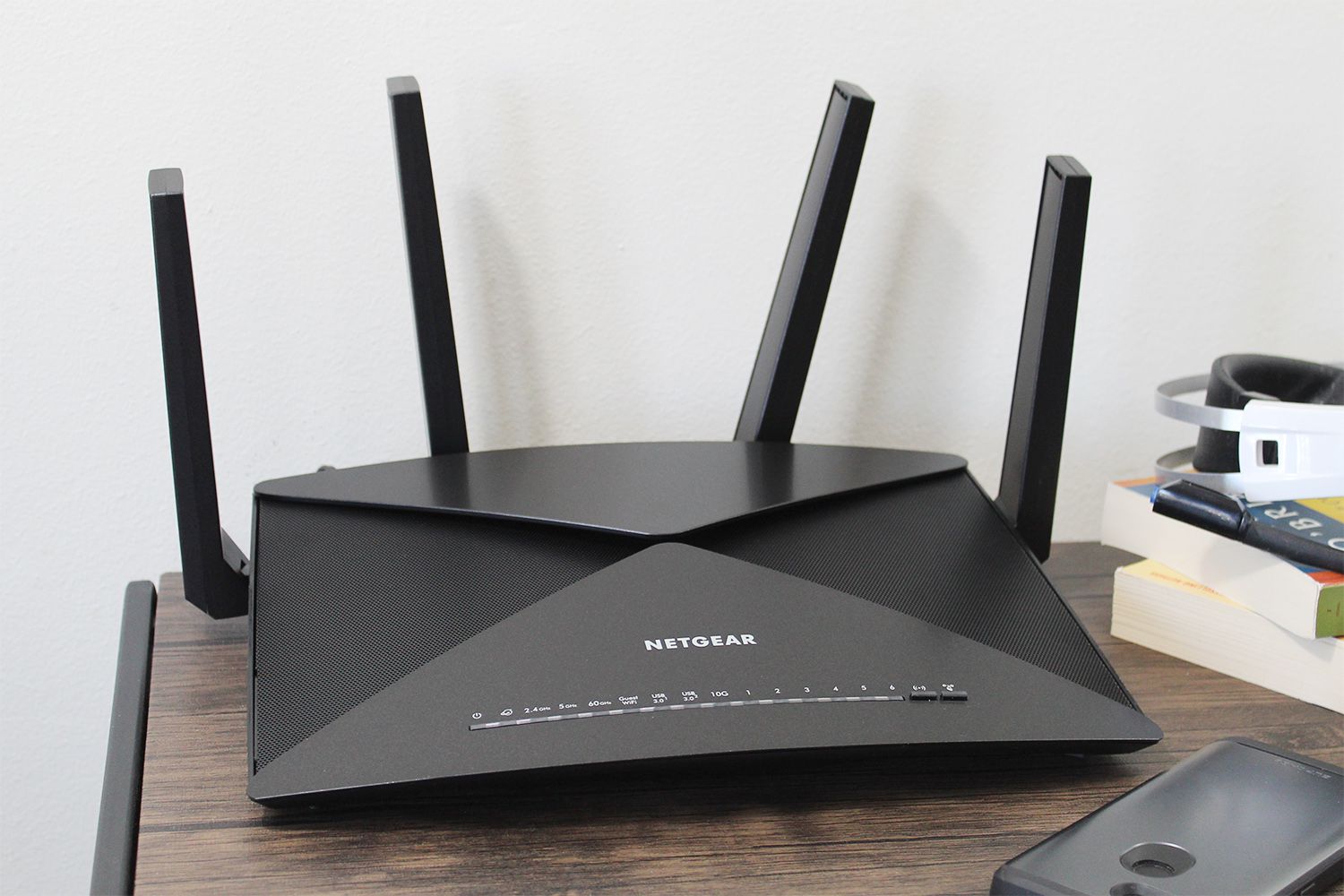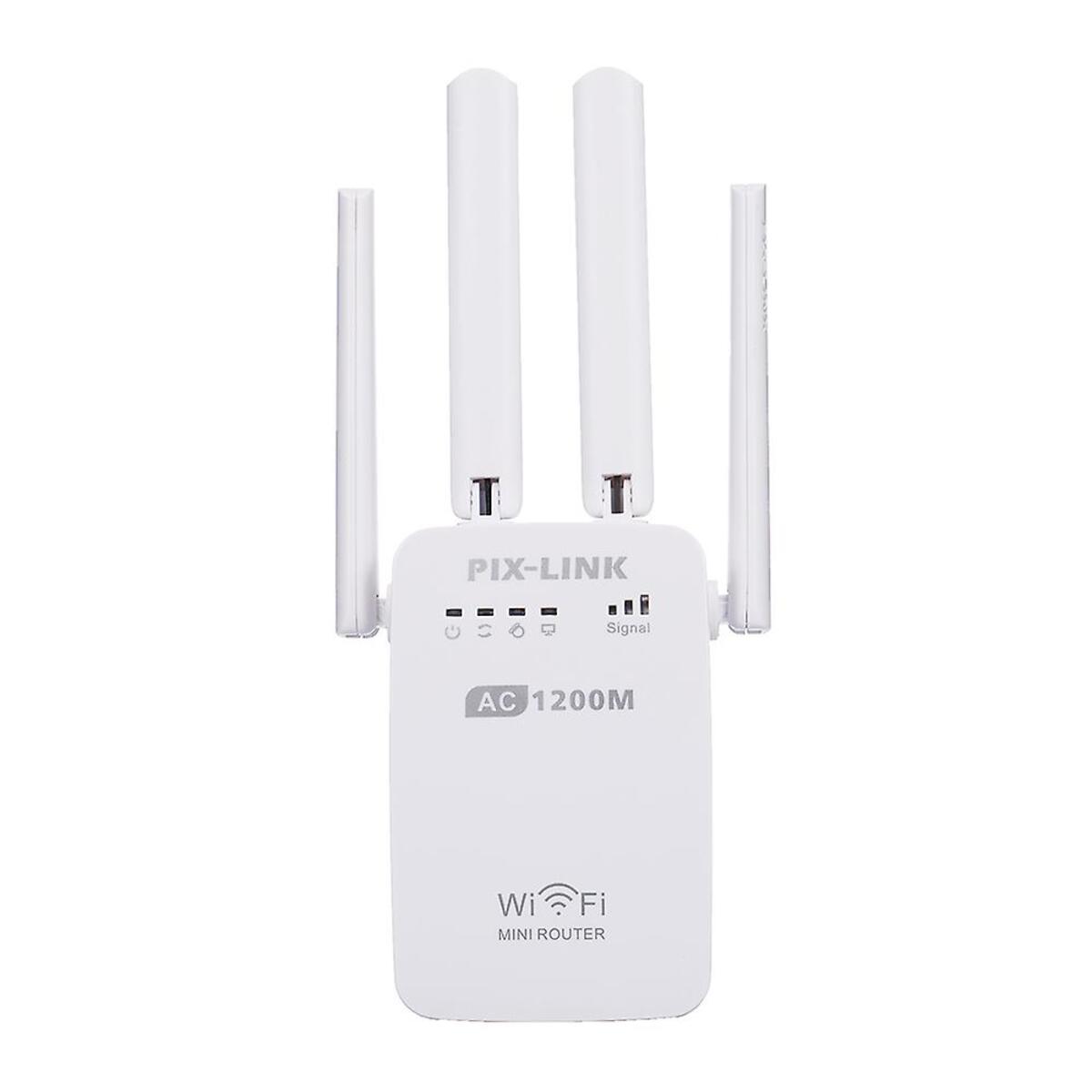





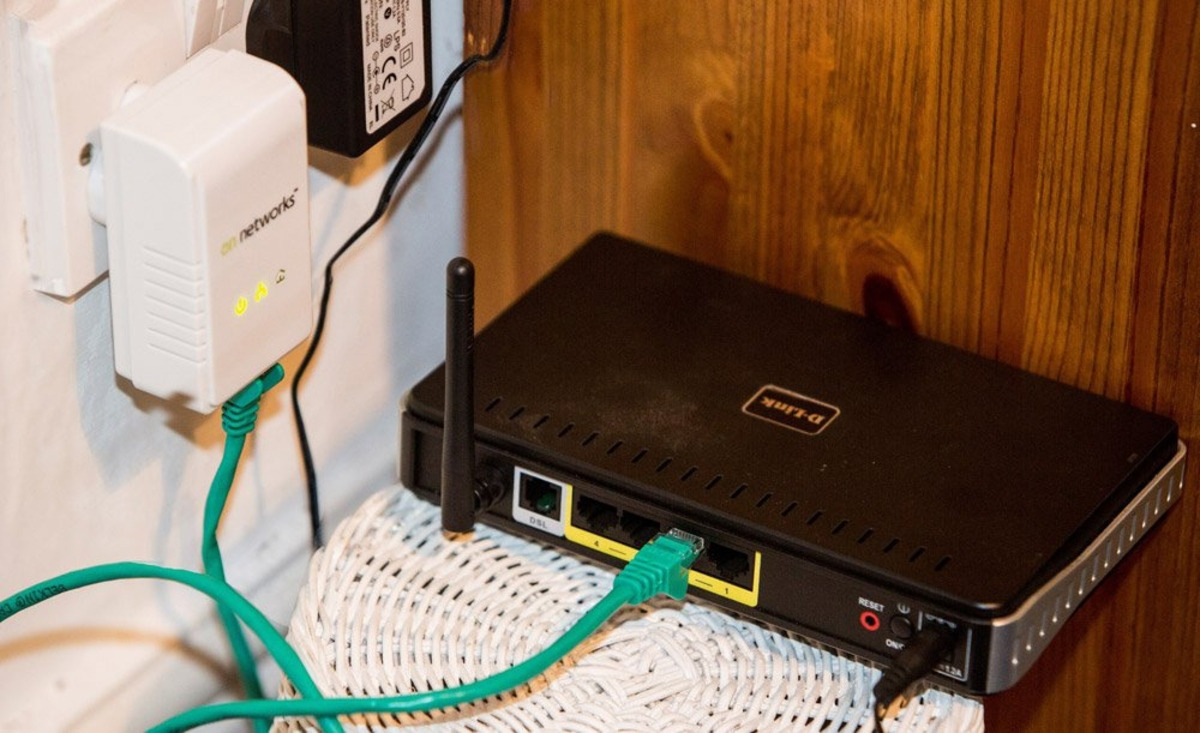
To set up an old router as a wireless repeater, you repurpose it to receive your primary router's Wi‑Fi signal and rebroadcast it, extending your network's range without buying new hardware. This process requires verifying your old router supports repeater mode, then configuring it through its settings page to connect wirelessly to your main network.
What you need to set up an old router as a wireless repeater
Before starting, gather your old router, an Ethernet cable, and a computer or laptop. Preferably use a router with 2.4GHz band capability. Many routers have this capability, but not all do, so verifying first saves time and frustration.
Step 1: Position and connect your old router
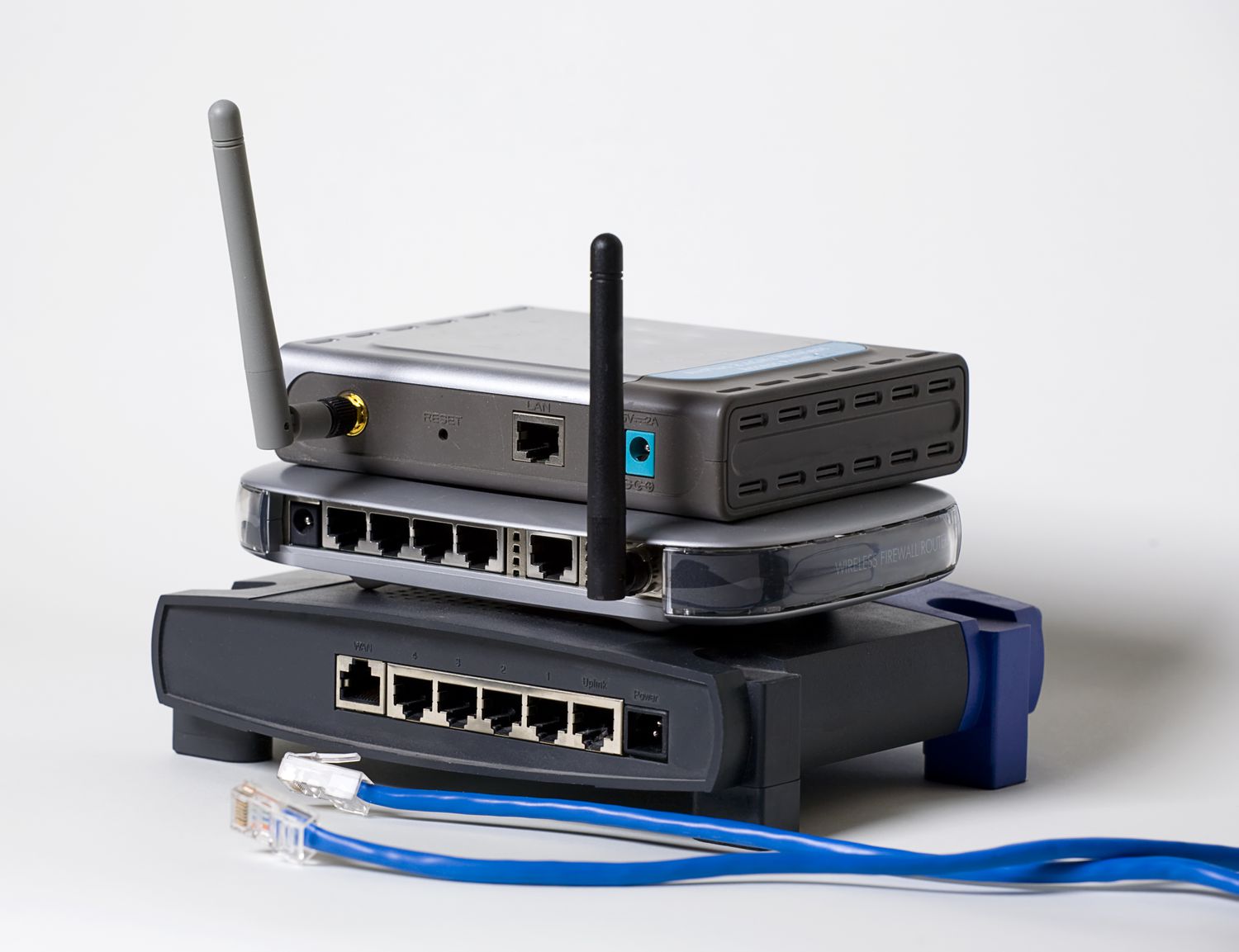
Place the old router within range of your primary router's Wi‑Fi signal, but far enough that it can effectively extend coverage to a dead zone. Connect the old router to your computer using an Ethernet cable plugged into one of its LAN ports. This wired connection lets you access the router's settings without relying on wireless connectivity during setup.
Step 2: Access the old router's settings
Open a web browser on your computer and enter the old router's default IP address in the address bar. This address is typically found in the router's manual or by searching the model number online. You will be prompted for a username and password, use the default credentials from the manual or manufacturer's site unless you previously changed them.
Step 3: Configure repeater mode
Once logged in, navigate to the "Wireless" or "Wireless Settings" section. Locate the "Wireless Mode" setting and change it to "Repeater" or "Wireless Repeater." Enter the exact SSID (network name) and password of your primary Wi‑Fi network, paying attention to case‑sensitive characters. Some routers may label this as entering the primary network's security key.
Step 4: Save, reboot, and relocate
Save the settings and wait for the old router to reboot. After the reboot completes, disconnect the Ethernet cable from both the computer and the old router. Move the old router to its final location, still within range of the primary router, and power it on. The router will now function as a repeater.
Step 5: Connect to your extended network
On your devices, look for the extended network in the Wi‑Fi list. It often appears with the same SSID as your primary network but with a suffix like "_EXT." The extended network may appear with a different name, e.g., 'Network Name_EXT'. Connect using the same password as your primary network. Verify coverage by moving to previously weak areas and checking signal strength.
Troubleshooting common issues
IP conflicts: If devices on the extended network cannot access the internet, assign the old router a static IP address outside your primary router's DHCP range. This prevents address conflicts between the two routers.
Extended network doesn't appear: Ensure the old router is within range of the primary router's signal. If it still doesn't appear, reboot both routers and confirm the SSID and password were entered correctly during setup.
When to consider third‑party firmware: If your old router lacks a built‑in repeater mode, firmware like DD‑WRT or OpenWrt may add that capability. Flashing custom firmware is an advanced step and requires careful research for your specific model.
Frequently Asked Questions
What are the benefits of using an old router as a wireless repeater?
Improved Wi-Fi Coverage, Cost Savings, Easy Setup, Flexibility and Customization, Enhanced Network Performance.
Can any type of router be used as a wireless repeater?
Not all routers support repeater mode. Check the user manual or manufacturer's website for your specific model to confirm it includes this function. Older or very basic routers may lack the necessary firmware options.
How can I determine if my old router can be used as a wireless repeater?
Search the model number online along with "repeater mode" or "wireless repeater support." Many manufacturers list supported modes in the product specifications. You can also look for a "Wireless Mode" dropdown in the router's settings, if "Repeater" appears, it is supported.
Can I use an old router from a different brand than my main router?
Brand mixing is generally fine, though the setup process may vary slightly between manufacturers. Using the same brand can simplify configuration but is not required.
Will performance be the same as a dedicated extender?
Performance may be lower than a dedicated extender because older routers often use slower hardware and older Wi‑Fi standards. You may experience reduced speed due to the repeater's half‑duplex nature, it must receive and retransmit on the same channel. However, for basic web browsing and streaming, it remains a cost‑effective solution.
Do I need any additional equipment to set up an old router as a wireless repeater?
No additional equipment is required beyond the old router, an Ethernet cable for initial setup, and your primary network's SSID and password. If your old router supports wireless bridging, you may not even need the Ethernet cable for configuration.
Can I use a phone to set up an old router as a repeater?
No. Official iPhone and Android settings only allow connecting to Wi‑Fi networks and managing advanced network settings, they do not include a repeater or extender mode. The documented steps for iPhone and Android are limited to joining Wi‑Fi, not configuring a router as a repeater.
For the wider topic, see connect wireless extender.
Related reading: How To Set Up Wireless Repeater.