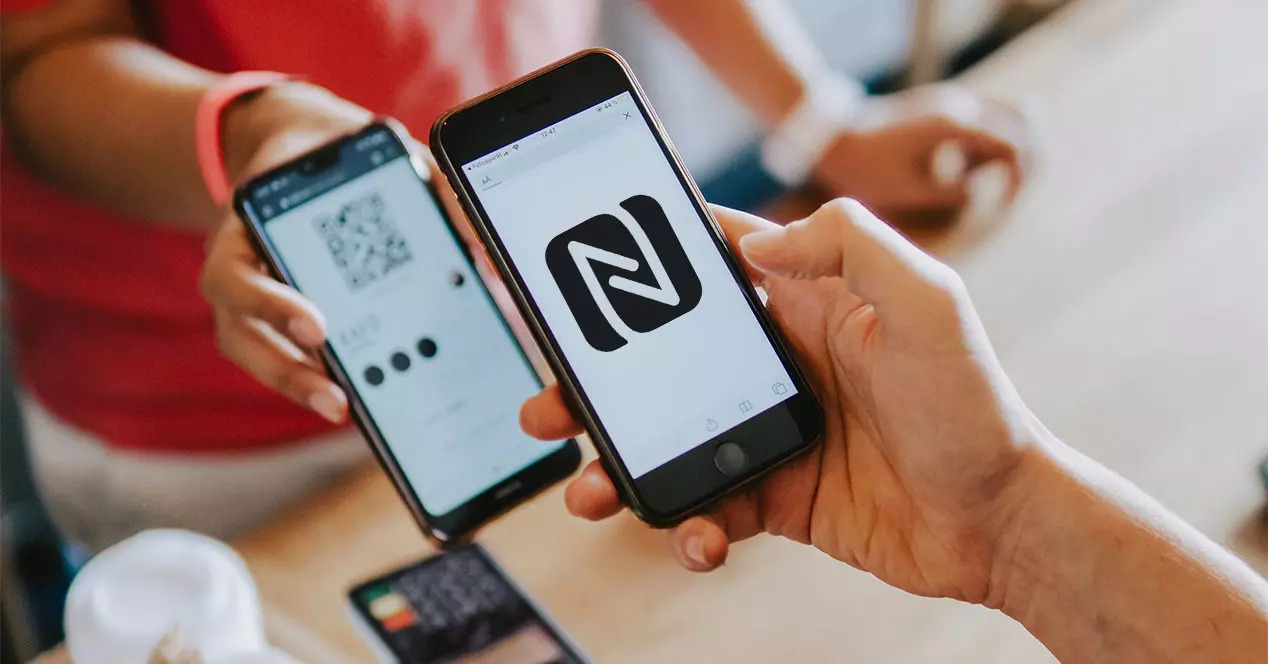




To set up an NFC sticker, you program it to trigger actions on a smartphone, such as launching an app or automating a task. The exact method differs between iPhone and Android, but both rely on a dedicated app to either scan the tag as a trigger or write data directly to it.
How to set up an NFC sticker on iPhone
Apple’s Shortcuts app uses the NFC tag’s unique identifier as a trigger, ignoring whatever data is already stored on the sticker. This means you can automate tasks without overwriting the tag’s contents. Apple documents that after you scan the tag once, you can name it and the tag’s contents are ignored except for its unique identifier. To set this up:
- Open Shortcuts.
- Tap Automation.
- Tap + and choose Create Personal Automation.
- Select NFC under When.
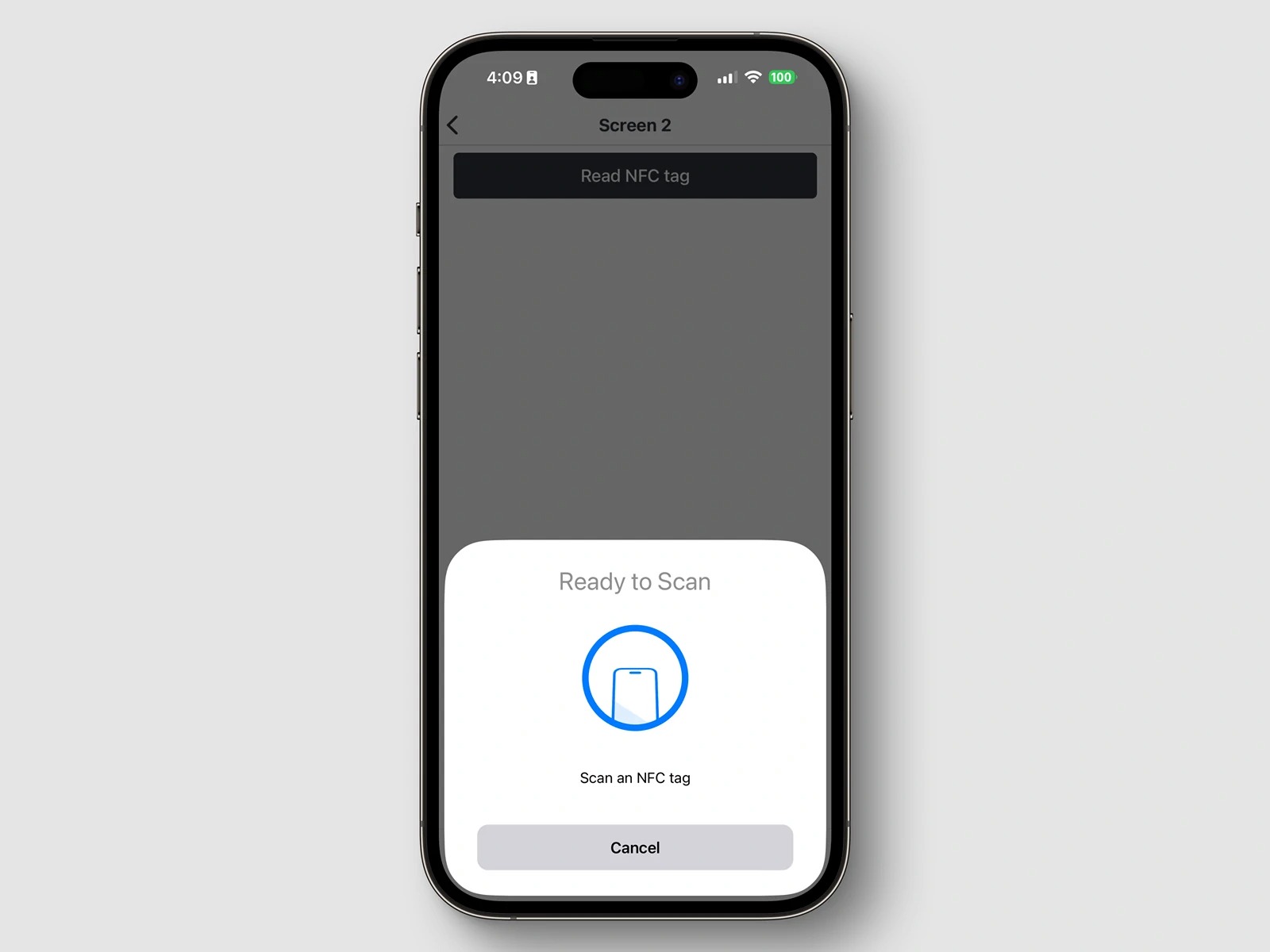
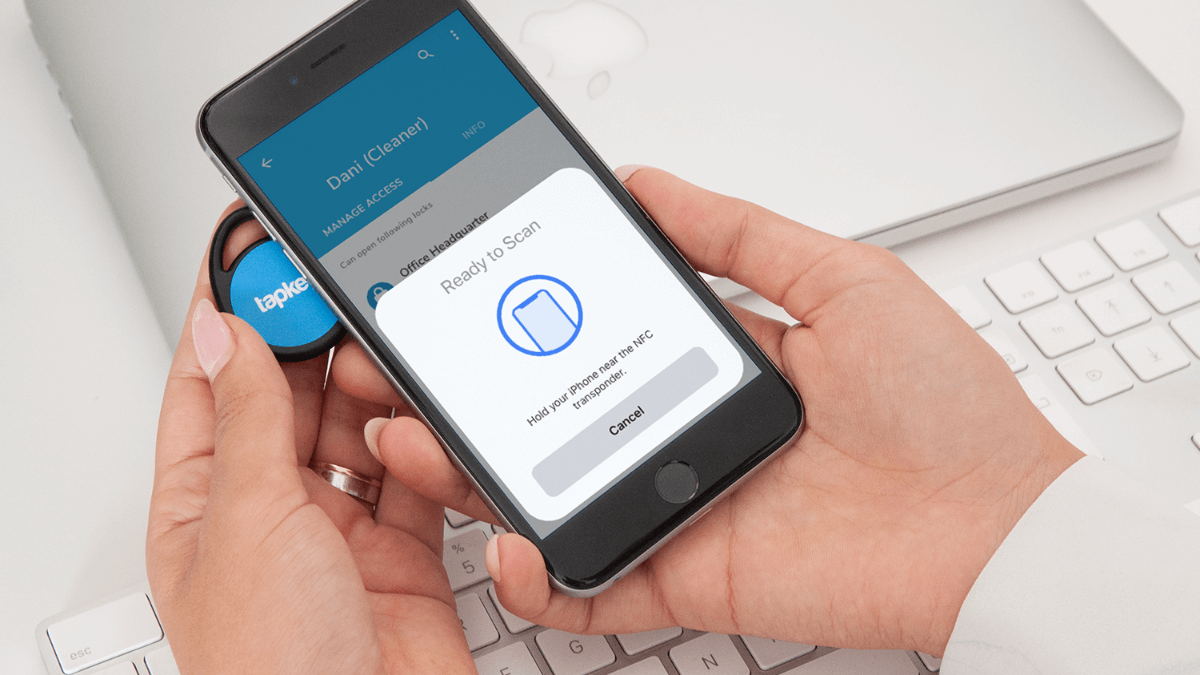
- Tap Scan and hold the iPhone near the NFC sticker.
- Name the tag when prompted (the tag’s contents are ignored except for its unique identifier).
- Tap Next, add actions (like opening an app or toggling a setting), then save the automation.
Once saved, tapping your iPhone to that sticker will run the automation every time. You can create multiple automations, each linked to a different NFC sticker.
How to set up an NFC sticker on Android
Android relies on a separate app to write data directly onto the sticker. The NFC Tools app is one widely used option for this. NFC Tools is compatible from iPhone 7. The process is straightforward:
- Open an NFC writing app such as NFC Tools.
- Create an NFC record and choose the type of information to write (for example, a URL, a phone number, or a Wi-Fi configuration).
- Bring the NFC sticker close to the phone and write the data to the tag.
After writing, any NFC-enabled Android phone that taps the sticker will read that data and perform the associated action (like opening a website or connecting to Wi-Fi). Unlike the iPhone method, the tag’s contents are what trigger the action, not a separate automation.
Choosing the right NFC sticker
Selecting the correct NFC sticker depends on where and how you plan to use it. Consider the sticker’s physical size and shape, smaller stickers fit on keychains or behind phone cases, while larger ones may be easier to tap. The adhesive strength matters for surfaces you’ll touch frequently, such as a desk or bedside table. Memory capacity also plays a role: a sticker with more storage can hold complex data like a vCard or multiple records, while a basic sticker is fine for a single URL or text string. For most automation tasks, a standard NTAG213 or NTAG215 sticker provides enough capacity and reliable performance.
Troubleshooting NFC sticker setup
If your iPhone NFC automation does not fire, re-scan the tag in Shortcuts to ensure its unique identifier is saved. If an iPhone NFC automation is not firing, the tag must be scanned in Shortcuts first so the tag’s unique identifier is saved. The tag must be scanned during the automation setup for the phone to recognize it later. For Android, if writing fails, bring the phone closer to the sticker and hold it steady until the app confirms the write. Removing any case or metal backing between the phone and the sticker can also improve the connection. If the sticker still does not respond, confirm that NFC is enabled in your phone’s settings and that the sticker is not physically damaged.
Frequently asked questions
What is an NFC sticker?
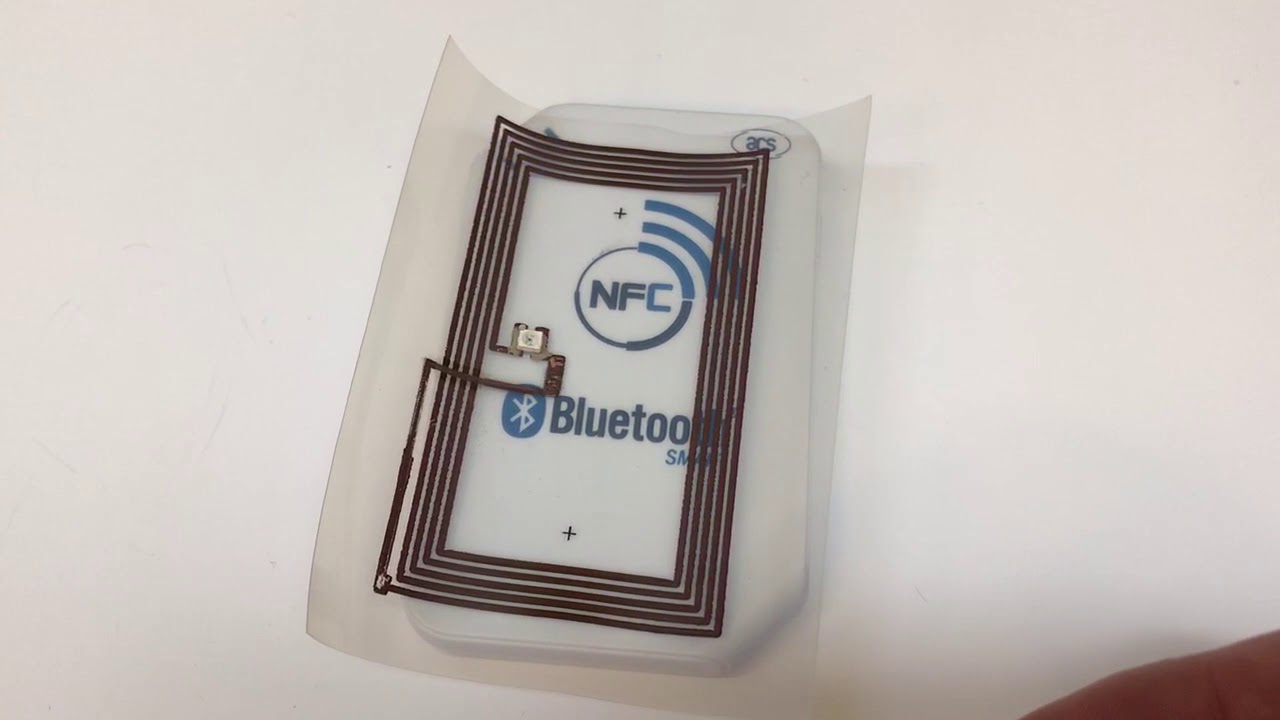
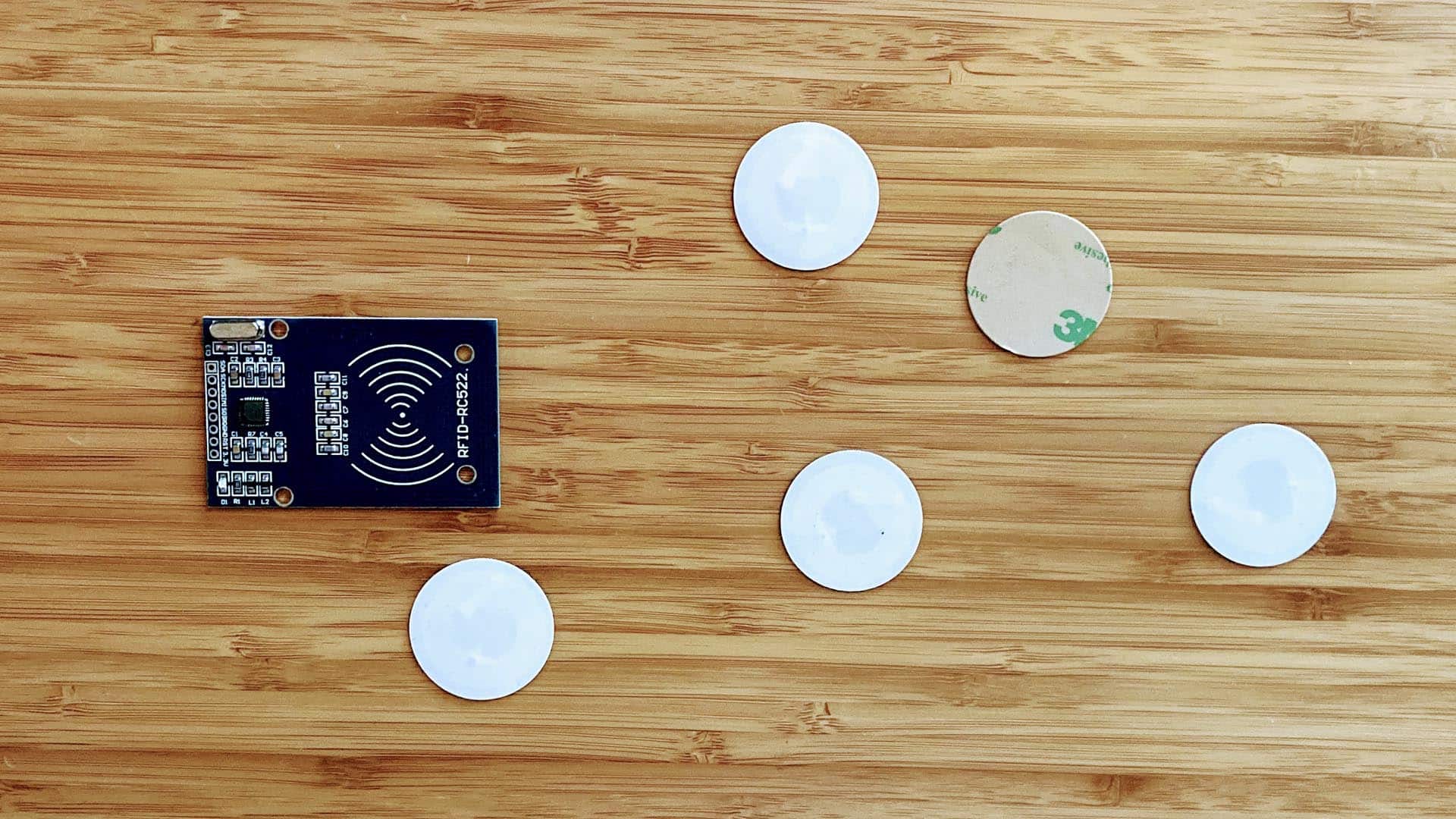
An NFC sticker is a small adhesive tag containing a microchip that uses near-field communication to exchange data with an NFC-enabled device like a smartphone. It can store information or trigger actions when tapped.
Are NFC stickers reusable?
Yes, most NFC stickers are rewritable. You can use a compatible app to erase and reprogram them with new data or link them to different automations, as long as the sticker’s memory supports rewriting.
Can I use an NFC sticker to make payments?
NFC stickers are not designed for payment wallet setup. Payment systems like Apple Pay or Google Pay use secure hardware and software that cannot be replicated by a simple sticker. For automation and app launching, however, NFC stickers work well.
What is the difference between NFC tags and readers?
NFC tags and readers explained: An NFC tag is a passive sticker that stores data, while an NFC reader (like the one in your phone) actively powers the tag and reads its information. Your smartphone acts as both a reader and a writer when programming or tapping the sticker.
Do all phones support NFC stickers?
Most modern smartphones have NFC hardware, but not all. iPhones from the iPhone 7 onward support NFC reading and writing with apps like NFC Tools. Android devices typically include NFC, but you should check your phone’s settings for an NFC toggle to confirm.
For the wider topic, see NFC tags and readers explained.
Related reading: How To Copy An NFC Tag To An IPhone.