




You cannot change NAT type on a mobile hotspot through any documented setting on iPhone or Android. Apple and Android support pages do not include a menu or toggle for modifying NAT type, meaning the "change nat type mobile hotspot" search is answered directly: the setting does not exist.
Can you change nat type on a mobile hotspot?
The direct answer from verified Apple and Android sources is that no documented setting exists to change NAT type on iPhone or Android hotspots. Apple's public documentation covers enabling Personal Hotspot, adjusting compatibility, and carrier plan support, but never mentions a NAT-type control. Android's official support pages similarly lack any NAT-type toggle. Any claim otherwise is not supported by the device manufacturers.
What nat type actually means for your hotspot
NAT (Network Address Translation) type determines how devices connected to your hotspot communicate with the internet. There are three types: Open (Type 1), Moderate (Type 2), and Strict (Type 3). NAT Type 1 (Open) is commonly found in home networks with a direct connection to the internet, such as a fiber optic or cable connection. Mobile hotspots typically default to Moderate or Strict due to carrier network architecture, which uses carrier-grade NAT to conserve public IP addresses.
Legitimate hotspot settings you can control
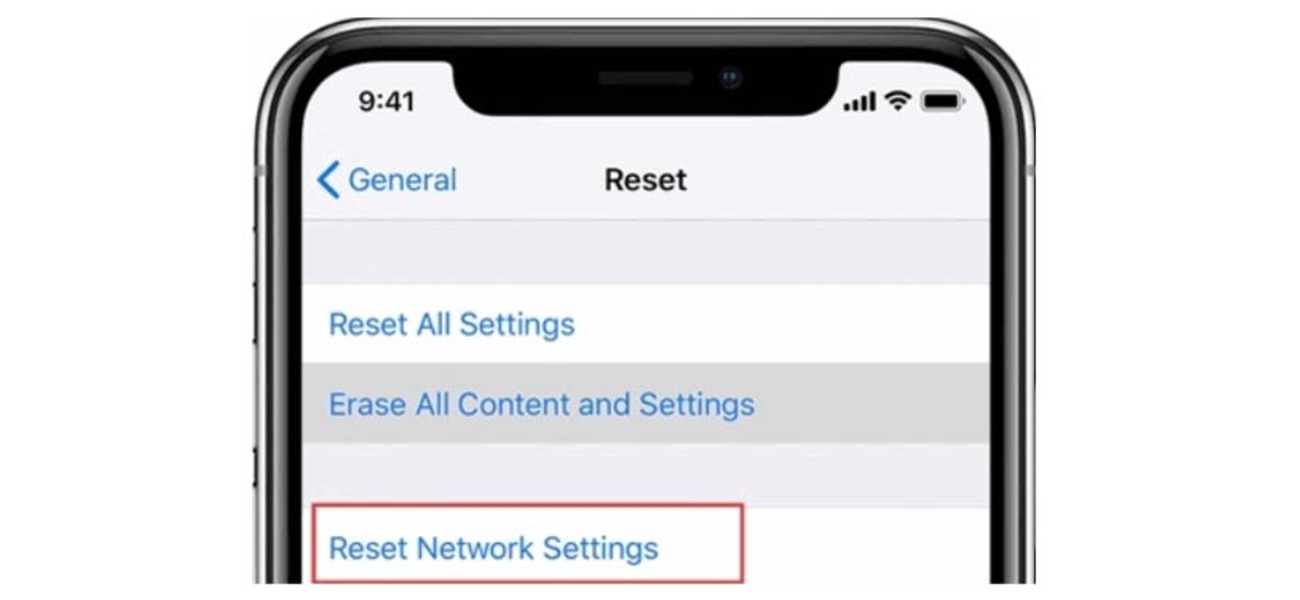
Apple documents two controls under Settings > Personal Hotspot: "Allow Others to Join" and, on supported devices, "Maximize Compatibility." Neither alters NAT type. "Allow Others to Join" simply turns the hotspot on or off. "Maximize Compatibility" is available only on iPhone 12 or later, iPad Pro 11-inch (3rd generation or later), iPad Pro 12.9-inch (5th generation or later), and iPad mini (6th generation). Apple states this setting should be turned on if a hotspot connection is not working, but it does not change NAT behavior.
Why a VPN on your phone won't change hotspot nat type
Surfshark and Apple documentation confirm that hotspot traffic does not route through the phone's VPN tunnel by default on iOS or Android. Surfshark explicitly states that sharing a VPN connection from a phone using a mobile hotspot cannot be done with the default operating systems. The VPN only affects the phone's own traffic; connected devices bypass the VPN tunnel entirely. No documented setting in Apple or Android support pages makes hotspot clients inherit the phone's VPN connection.
What to try when you're stuck with strict nat
Since the NAT type is not user-changeable, practical alternatives exist:
- Connect to a different cellular network. Different carriers may use different NAT configurations. Switching SIMs or networks might change your hotspot's NAT type.
- Use a wired connection. If your device supports it, connect directly to a router or modem via Ethernet. This bypasses the mobile hotspot entirely and gives you control over network settings. Try a wired connection by connecting your device directly to your router or modem using an Ethernet cable to bypass the mobile hotspot and any potential NAT issues associated with it.
- Contact your carrier about plan restrictions. Some carriers limit hotspot functionality or use carrier-grade NAT. Asking about plan upgrades or business-tier options may provide a different network profile.
- Try a different device. Different phones or tablets may have different modem firmware or carrier agreements that affect NAT behavior. Different devices may have different network settings or configurations, which could result in a different NAT type.
Apple documents that Personal Hotspot shares the iPhone's cellular internet connection only; it cannot share a Wi-Fi network the iPhone is already connected to. The documented connection methods are Wi-Fi, Bluetooth, or cable. To "get personal hotspot," go to Settings > Cellular > Set Up Personal Hotspot or Settings > Personal Hotspot. To "activate hotspot on Consumer Cellular," ensure your plan includes hotspot service and that the carrier has enabled it on your line. Understanding "how does hotspot work" is straightforward: it uses your phone's cellular data to create a local Wi-Fi, Bluetooth, or USB network for other devices.
Frequently Asked Questions
Can NAT type be changed in iPhone or Android settings?
No. The only controls are for enabling the hotspot and, on some Apple devices, toggling "Maximize Compatibility."
Does a VPN help change NAT type on a mobile hotspot?
No. By default, hotspot traffic does not route through the phone's VPN tunnel on iOS or Android. The VPN only protects the phone's own data, not the devices connected to the hotspot.
What does "Maximize Compatibility" actually do?
Apple documents it as a setting to turn on if a hotspot connection is not working on supported devices (iPhone 12 or later and specific iPad models). It does not change NAT type; it adjusts Wi-Fi parameters to improve device compatibility.
Why is my mobile hotspot NAT type always Strict or Moderate?
Mobile carriers typically use carrier-grade NAT to conserve public IP addresses. This architecture forces your hotspot into Moderate or Strict NAT, and no phone setting can override it.
Can I change NAT type by using a different carrier?
Possibly. Different carriers may use different NAT configurations. Switching to a carrier that provides a public IP address or a less restrictive NAT setup could change your hotspot's NAT type, but this depends on the carrier's network design.
How can I check the current Nat Type on my mobile hotspot?
Connect a device to the hotspot and perform a network test or refer to the network settings on the device; many gaming consoles and gaming applications also provide ways to check the Nat Type within their settings menus.