



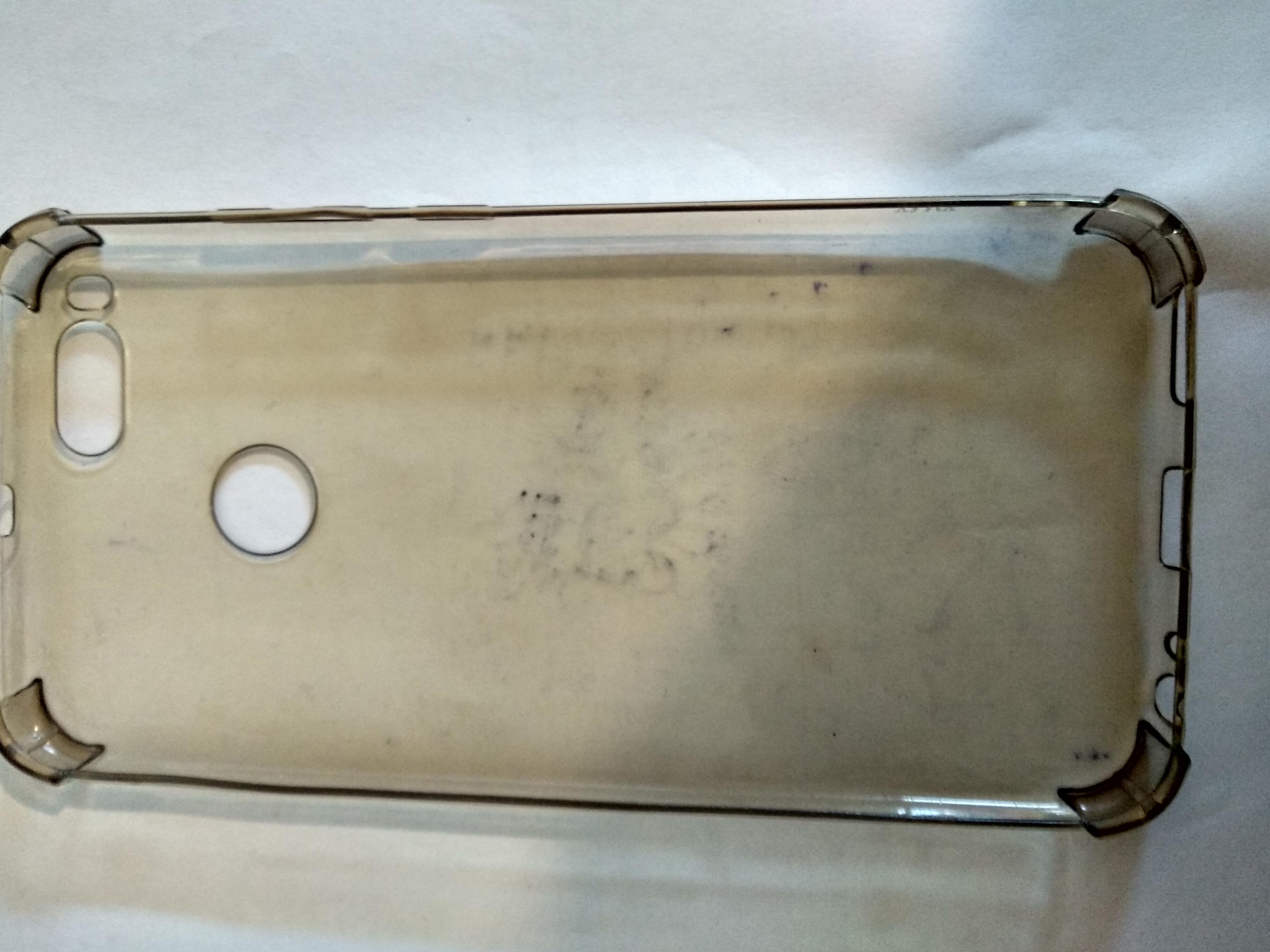
To get Sharpie off a phone case safely, start by checking what your case is made of and what the manufacturer recommends for cleaning it. The two safest methods to get sharpie off phone case are using isopropyl alcohol (which aligns with Samsung’s guidance for cleaning Galaxy devices) or using non-gel toothpaste as a gentle abrasive, but only after confirming those methods won’t damage your specific case material.
What manufacturers say about cleaning phone cases
Apple’s official cleaning instructions for silicone, clear, and Beats iPhone cases say to remove the iPhone first, then use a soft, slightly damp, lint-free cloth. For FineWoven and TechWoven cases, Apple recommends a diluted laundry-detergent solution. For other iPhone cases, warm water and mild hand soap or a mild cleaner on a dry clean cloth is acceptable. Apple specifically prohibits window cleaners, household cleaners, aerosol sprays, solvents, ammonia, abrasives, and cleaners containing hydrogen peroxide. Samsung’s guidance for Galaxy phones, which applies to the phone itself, not a case, says to dampen a cloth with distilled water or an alcohol-based disinfectant containing more than 70% ethanol or isopropyl alcohol, then gently wipe without applying too much pressure.
Method 1: Rubbing alcohol (isopropyl alcohol)
Rubbing alcohol is also known as isopropyl alcohol. Isopropyl alcohol is a common household item known for its versatility in cleaning and disinfecting. This method aligns with Samsung’s guidance for alcohol-based cleaning on Galaxy devices. Use 70% or higher isopropyl alcohol. Use isopropyl alcohol in a well-ventilated area, as the fumes can be strong. Keep isopropyl alcohol away from open flames or sparks, as it is highly flammable. Dampen a cotton ball or soft cloth with the alcohol, then gently rub the Sharpie mark. Use circular motions to work the remover into the ink. The alcohol dissolves the ink. Continue until the mark lifts. Rinse the case with water to remove residue, then let it dry completely before putting it back on your phone. Always test a small, inconspicuous area first to confirm the alcohol does not damage or discolor the material.
Method 2: Toothpaste
Toothpaste works as a gentle abrasive option for some case materials. Use non-gel toothpaste. Squeeze a small amount onto a clean cloth and rub it onto the stain in circular motions. Let it sit for a few minutes to penetrate the ink. Rinse the case with water and dry it thoroughly. Toothpaste may not work on all materials, test on a hidden area first. It is generally safe for plastic and hard-shell cases but may not suit leather or fabric.
Methods to avoid for iPhone cases
Apple prohibits several cleaners on iPhone cases because they risk damage. Do not use nail polish remover, Magic Eraser, hairspray, baking soda paste, aerosol sprays, solvents, ammonia, or hydrogen peroxide. Nail polish remover should contain acetone, as this is the active ingredient that helps dissolve the Sharpie ink. Magic Eraser has a micro-abrasive texture that can help lift away the ink. Hairspray contains alcohol, which can dissolve the ink. Use a hairspray that contains high alcohol content for best results. Baking soda is known for its abrasive properties, which can help in lifting off the permanent marker ink. Mix equal parts of baking soda and water to create a thick, paste-like consistency. Allow the baking soda paste to sit on the surface for about 5-10 minutes. These can strip finishes, cause discoloration, or scratch the surface. The verified Apple documentation specifically lists solvents, abrasives, ammonia, aerosol sprays, window cleaners, household cleaners, and hydrogen-peroxide cleaners as prohibited.
Tips for different case materials
For silicone, clear, and Beats cases, follow Apple’s guidance: remove the phone, use a soft, slightly damp, lint-free cloth. For FineWoven and TechWoven cases, use diluted liquid laundry detergent. For other iPhone cases, warm water and mild hand soap on a dry clean cloth works. For leather cases, consult a professional leather cleaner, harsh chemicals or abrasives can ruin the material. For fabric cases, use manufacturer-recommended cleaning methods instead of Sharpie-specific removal techniques. When cleaning phone cases and grips, always prioritize the manufacturer’s instructions to avoid voiding warranties or damaging the case.
Frequently Asked Questions
Can I use rubbing alcohol on a silicone case?
Yes, but only if the manufacturer allows it. Apple’s guidance for silicone cases recommends a soft, slightly damp, lint-free cloth without specifying alcohol. Samsung’s alcohol-based guidance applies to the phone itself. Test a hidden area first to ensure the alcohol does not cause discoloration or stickiness.
What if the Sharpie is on a leather case?
Leather requires special care. Do not use alcohol, toothpaste, or any abrasive. Consult a professional leather cleaner or the case manufacturer for approved methods. Using the wrong cleaner can permanently damage the leather.
How quickly should I act?
Act as soon as you notice the mark. Fresh Sharpie ink is easier to remove because it has not fully bonded with the case material. Dried or set-in stains may require repeated gentle attempts.
Will toothpaste scratch my case?
Toothpaste can be mildly abrasive. It is generally safe for hard plastic and silicone cases but may scratch glossy or coated finishes. Always test on a small, hidden area before applying to the stain.
Related reading: How To Wash A Phone Case.