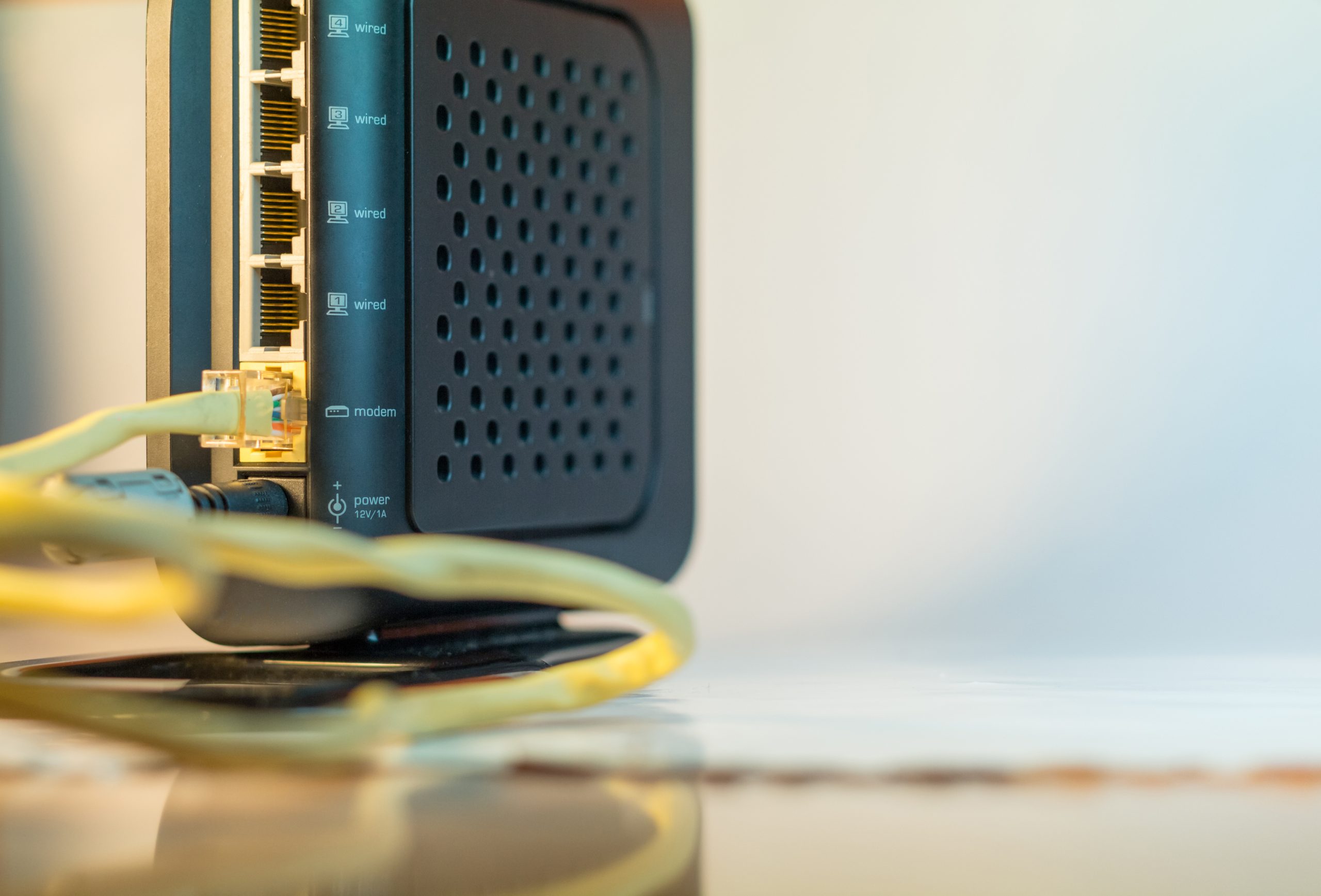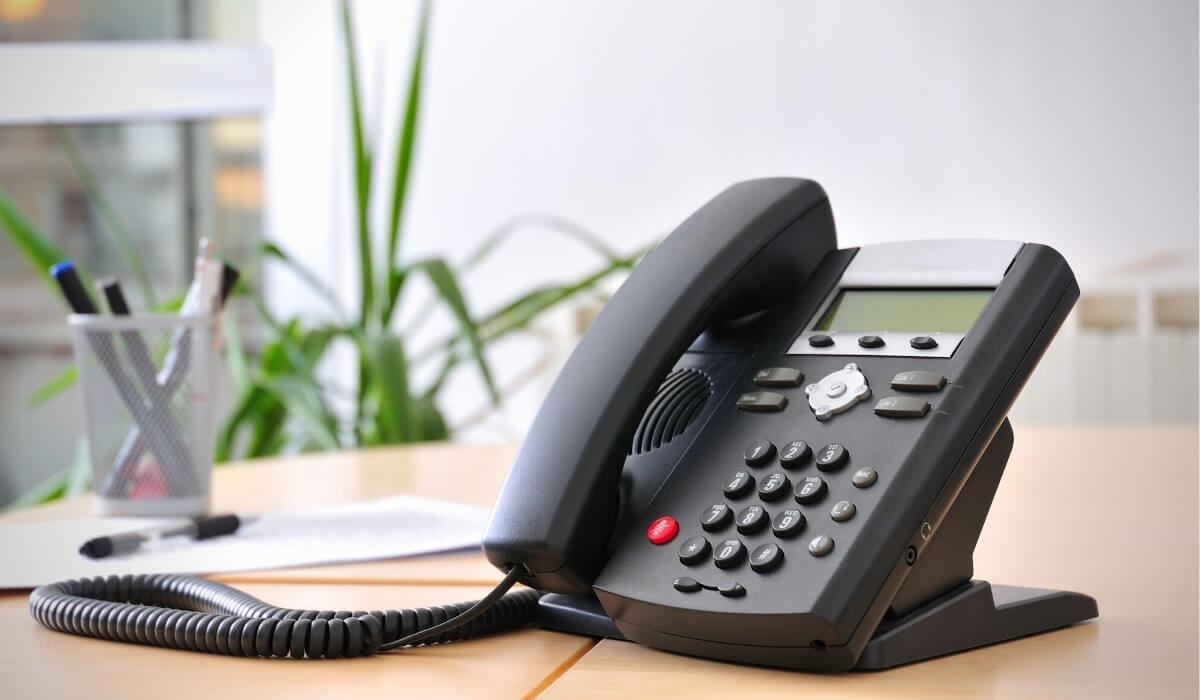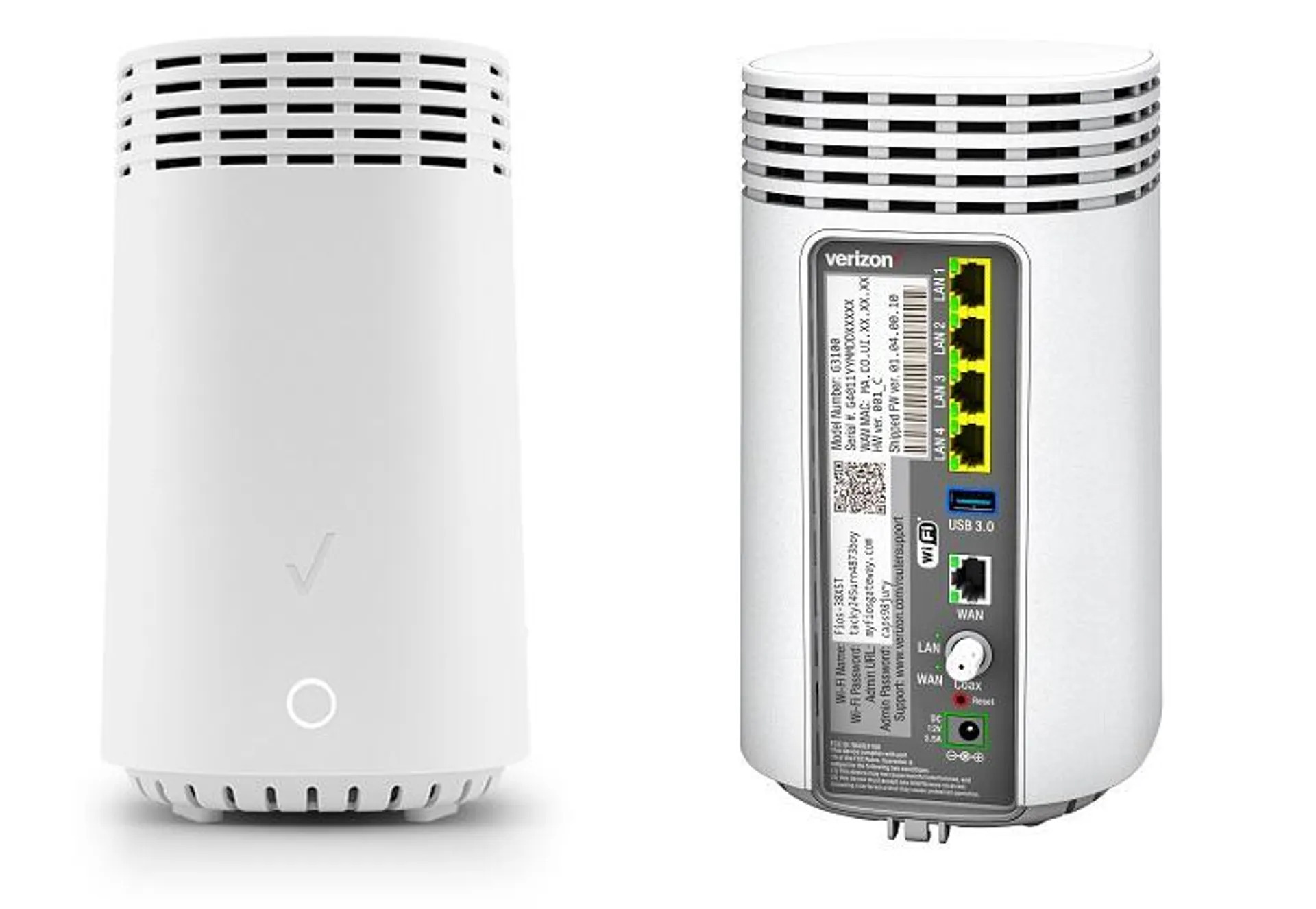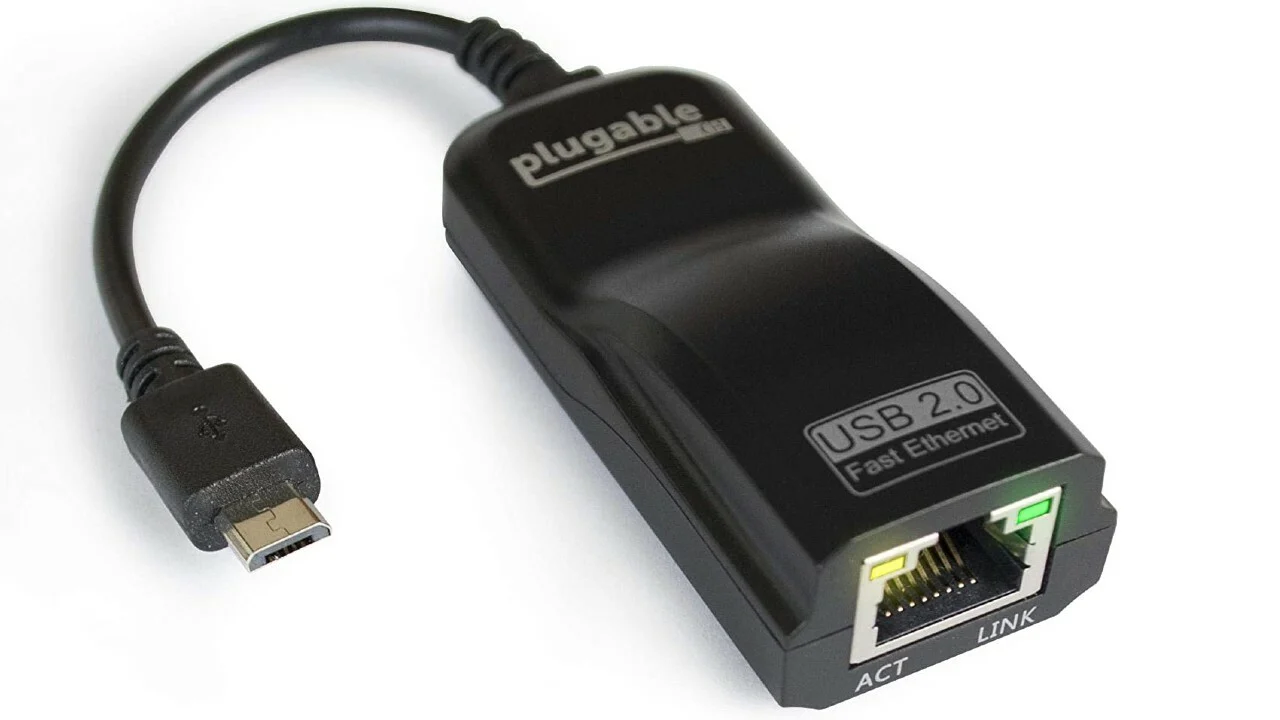





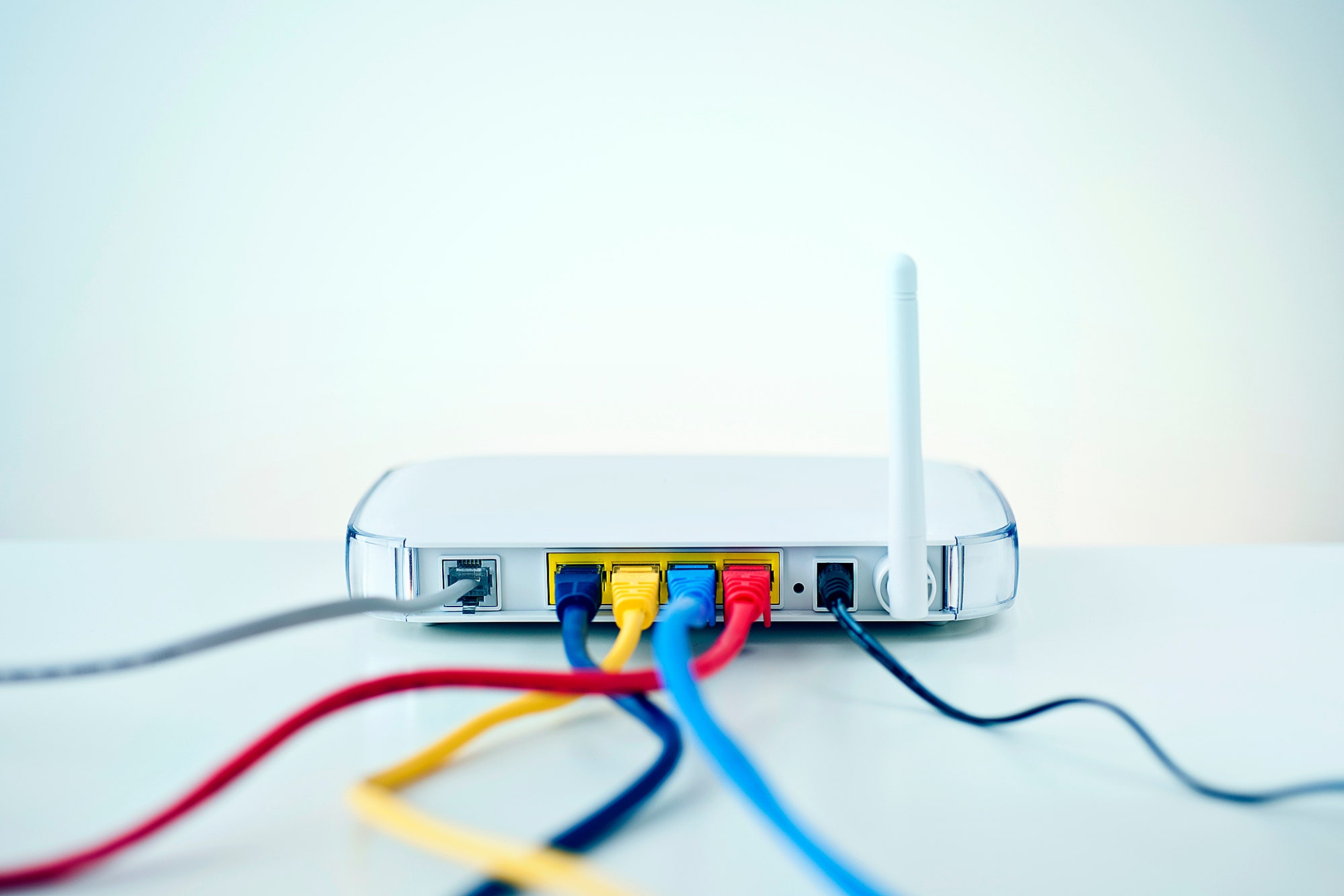
To connect a landline phone to a modem, your modem must have a dedicated voice or phone port and your internet service plan must include voice service over that line. The physical connection is generally plug-and-play: you simply run a standard telephone cable from the phone’s handset jack into the modem’s voice port, but the exact setup depends on your specific modem model and provider.
What you need before you connect a landline phone to a modem
Two non-negotiable requirements must be met before you can set up landline phone service through your modem. Second, your internet service plan must explicitly support voice calling over that modem line; a standard internet-only plan will not work. The only equipment you need beyond these is a landline phone and a standard telephone cable with RJ11 connectors on both ends. If your goal is to use a smartphone app for calling over Wi‑Fi rather than a physical corded phone, you need an iPhone or Android phone instead.
How to check your modem and service for voice compatibility
If no such port exists, your modem cannot connect a landline phone. Next, check your monthly bill or log in to your ISP account to confirm that voice service is active on your line. If you are unsure, contact your internet service provider and ask whether your plan includes voice over the modem connection. Without both a voice-capable modem and an active voice plan, the connection will not work.
How to connect your landline phone to the modem
In most cases, you take one end of a standard telephone cable and insert it into the phone’s handset jack, then insert the other end into the modem’s voice port. Because the wiring differs between modems, you should follow the instructions provided by your ISP or the modem’s manufacturer. If your modem is a DSL modem, it connects to the telephone line itself to receive the ADSL signal, and the landline phone then connects to the modem’s voice port.
Why won’t my landline phone work with my modem?
Three common issues cause a landline phone to fail after connection. The most frequent problem is that your internet plan does not include voice service, you may have a voice-capable modem but no active voice subscription. Another possibility is that your modem lacks a voice port entirely, making the physical connection impossible. Finally, check that all cable connections are secure: a loose telephone cable at either the modem or the phone will prevent a dial tone. If the modem or service does not include voice support, no workaround is documented, and you must either add voice service or replace the modem with a voice-capable model. On iPhone, Apple says to go to Settings > Cellular, choose a line if needed, confirm Wi‑Fi Calling is on, restart the iPhone, try a different Wi‑Fi network, turn Wi‑Fi Calling off and on again, then go to Settings > General > Transfer or Reset iPhone > Reset > Reset Network Settings. Apple says if Wi‑Fi Calling still does not work, confirm the feature is on and that the network supports it.
Landline phone to modem vs. Wi‑Fi calling
That is different from Wi‑Fi Calling, which uses your smartphone to make calls over a Wi‑Fi network without any physical phone line. If you want to use your iPhone or Android phone to call over Wi‑Fi, you enable Wi‑Fi Calling in the device settings. For iPhone, Apple documents Wi‑Fi Calling on iPhone with the path Settings > Cellular > Wi‑Fi Calling. If the iPhone has Dual SIM or multiple SIMs, Apple says to choose a line below SIMs before turning Wi‑Fi Calling on. Apple says you may need to enter or confirm an emergency-services address, and that not all Wi‑Fi networks work with Wi‑Fi Calling. Apple also notes that if you have multiple devices, you can go to Settings > Cellular > Wi‑Fi Calling > Calls on Other Devices and turn on Allow Calls on Other Devices, then enable each eligible device listed under Allow Calls On. On Android the path varies by carrier but is often in Settings > Network & internet > SIMs > Carrier SIM > Wi‑Fi calling. Google Fi Help says to open Settings and be connected to Wi‑Fi before enabling Wi‑Fi calling. Wi‑Fi Calling requires a supported Wi‑Fi network and may ask you to enter an emergency-services address. It does not involve plugging a corded phone into a modem.
Frequently Asked Questions
What is the telephone line modem connector type?
The connector used to plug a telephone line into a modem is a standard RJ11 connector, which is the same small rectangular plug found on most household telephone cables. This is the connector type for both the cable that runs from the wall jack to the modem and the cable that runs from the modem’s voice port to the landline phone.
Can I use any landline phone with a voice-capable modem?
Most traditional corded landline phones work with a voice-capable modem because they use the same analog signal. Cordless landline phones also work, but the base station must be plugged into the modem’s voice port. Check that your phone uses a standard RJ11 connector and is not a digital-only office phone that requires a separate PBX system.
Do I need a telephone filter when connecting a landline phone to a modem?
A telephone filter is only necessary if your modem is a DSL modem and you have other devices (such as a fax machine or answering machine) sharing the same phone line. The filter prevents interference between the DSL signal and voice calls. If your modem uses a dedicated voice port for VoIP service, a filter is not required.
What if my modem has a voice port but no dial tone?
First confirm that your internet service plan includes voice service, this is the most common cause. If there is still no dial tone, test the landline phone on a different wall jack to rule out a faulty phone, then contact your ISP to verify that voice service is provisioned on your account.
Can I keep my existing landline phone number when switching to a modem-based voice service?
Yes, most internet-based voice providers allow you to port your existing landline number to the new service. The process is called number porting and must be requested from your new provider. It can take several business days to complete, and you should not cancel your old service until the port is finished to avoid losing the number.