




To find your eSIM number on an iPhone, you are likely looking for one of three identifiers: the ICCID, EID, or IMEI2. The term "eSIM number" is ambiguous, so knowing which one you need depends on whether you are identifying a specific plan, the physical chip, or the device itself.
What 'eSIM number' actually means (ICCID, EID, and IMEI)
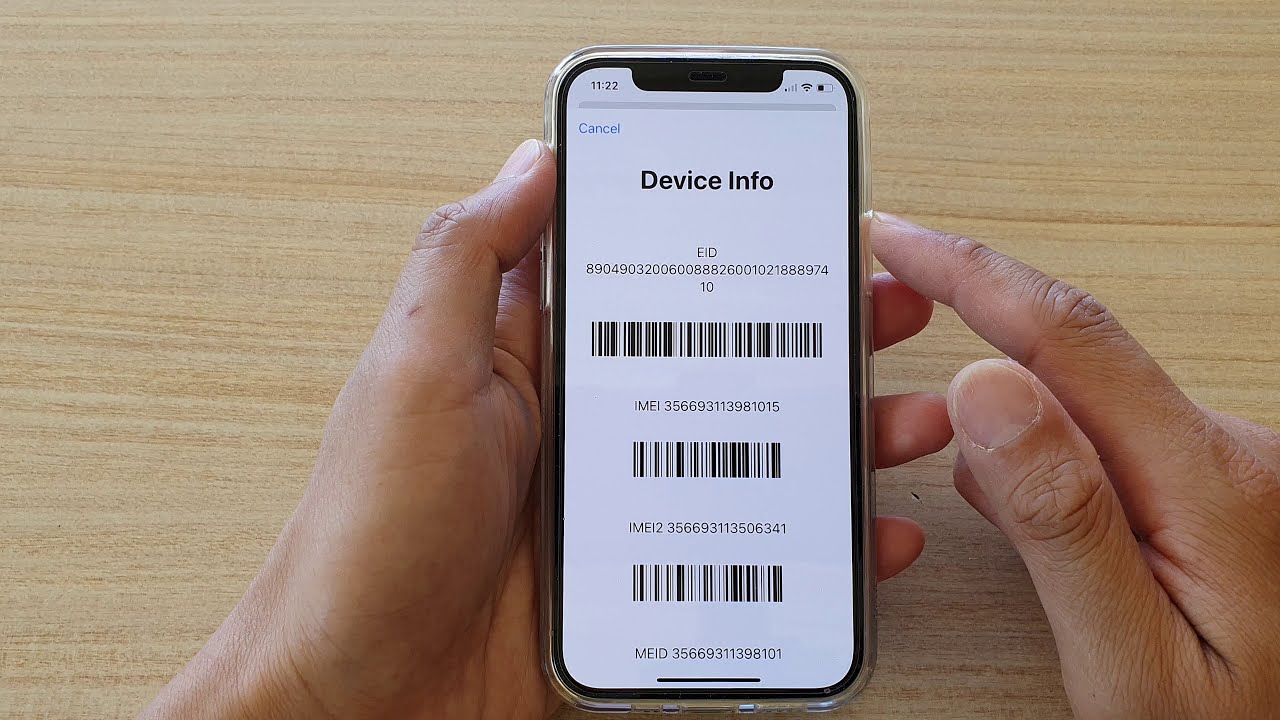
When searching for your eSIM number, you may actually need the ICCID, EID, or IMEI. The ICCID (Integrated Circuit Card Identifier) is a 19 or 20-digit serial number that identifies a specific eSIM profile or subscription. The EID (Embedded Identity Document) is a unique 32-digit number that identifies the physical eSIM chip embedded in your iPhone hardware. Your iPhone also has an IMEI number for the eSIM, sometimes referred to as the "Digital SIM" IMEI or IMEI2, which identifies the device itself. Knowing the difference helps when you need to activate or transfer service, as carriers may request a specific one.
How to find your eSIM number in Settings
The primary and universal method to locate your eSIM identifiers is through the Settings app. This is useful when you need to copy the number for activation or when finding account and PIN numbers on mobile for carrier support.
- Open the Settings app on your iPhone.
- Tap "General," then tap "About."
- Scroll down to the "Digital SIM" or "eSIM" section. Here you will see the ICCID, EID, and IMEI displayed.
- To copy any of these numbers, tap and hold the number until the copy option appears, then tap "Copy."
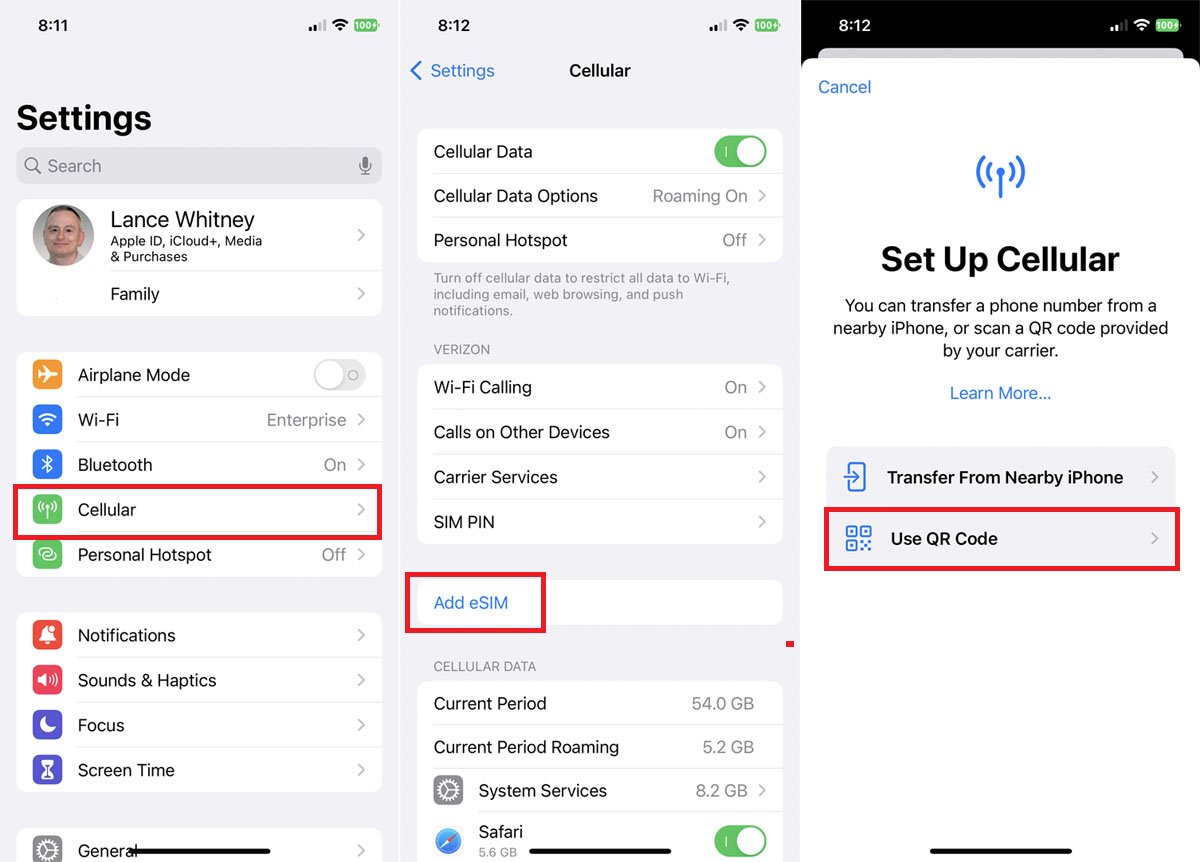
Another way to find your eSIM number is by scanning the carrier's activation QR code. If you still have the QR code from your carrier, scan it with your iPhone camera. The eSIM details, including the ICCID, will appear before you confirm installation.
How to find your eSIM IMEI by dialing a code
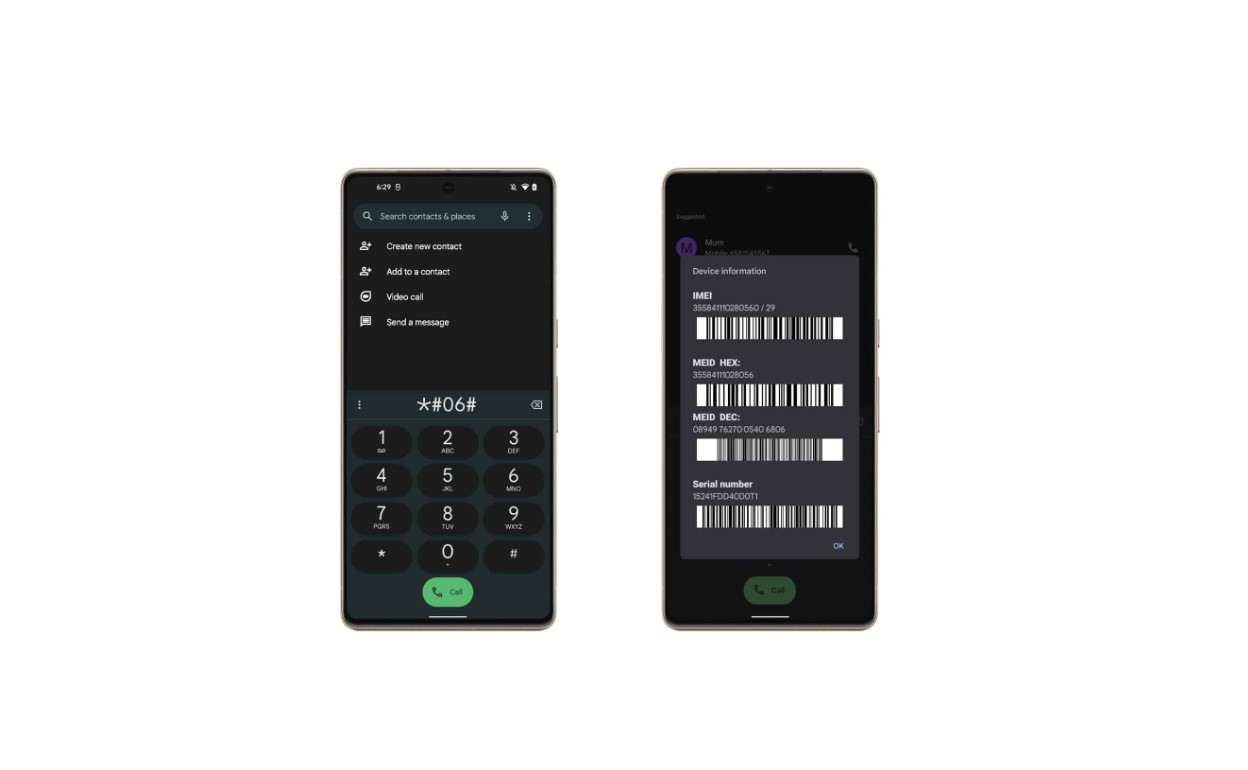
The quickest method for seeing both IMEI numbers is to open the Phone app and dial *#06#. This instantly displays the eSIM IMEI (IMEI2) on screen, along with the physical SIM IMEI. This is helpful when you need to provide the device identifier to your carrier without navigating through menus. Note that the SIM card number digit count for an ICCID is typically 19 or 20, while the EID is always 32 digits.
Contacting your cellular provider
If you cannot find the number yourself using Settings or the dialer code, contact your cellular provider's customer service. This is a reliable fallback method, especially if you need to find cellular plan QR code details that were sent to your account. Provide any necessary verification details, and the carrier can supply the ICCID, EID, or IMEI associated with your eSIM line.
You can also find your eSIM number within your carrier's dedicated app. Open your cellular provider's app, navigate to your account or line settings, and look for the eSIM details or ICCID listed under your active plan.
Frequently Asked Questions
Which iPhone models support eSIM?
eSIM functionality is supported on iPhone XS, iPhone XS Max, iPhone XR, and all later models, including the iPhone SE (2nd and 3rd generation). iPhone models from the iPhone 14 series and newer sold in the United States are eSIM-only and do not have a physical SIM tray.
How do I know if my iPhone supports eSIM?
Check Settings for the 'Add Cellular Plan' option. Go to Settings > Cellular, and if you see an "Add Cellular Plan" or "Add eSIM" option, your iPhone supports eSIM.
How many eSIMs can I store on my iPhone?
iPhones from the XR and XS through iPhone 12 can store multiple eSIM profiles, with one active at a time alongside a physical SIM (if present). iPhone 13 and later models support storing up to 8 eSIM profiles, with the ability to have two active simultaneously.
How do I delete an eSIM profile from my iPhone?
To remove an eSIM, go to Settings, tap "Cellular" or "Mobile Data," tap the eSIM plan you want to remove, then scroll down and choose "Remove Cellular Plan." This deletes the profile from your device but does not cancel your service with the carrier.
Do I need Wi-Fi to set up an eSIM?
A Wi-Fi connection is typically required for the initial setup and activation of an eSIM, as the download and installation of the profile happens over the internet.
Can I have two eSIMs active at the same time?
Yes, on iPhone 13 and later models, you can have two eSIMs active simultaneously. On earlier models with eSIM support, you can have one eSIM active alongside a physical SIM card.