This tag collects articles about the electrical properties and testing of the batteries and chargers that power your mobile devices. It is written for anyone who has ever wondered why a phone won't charge, what the numbers on a battery mean, or how to tell if a power source is still working properly. The content is practical, aimed at helping you solve real-world hardware questions without needing an engineering degree.
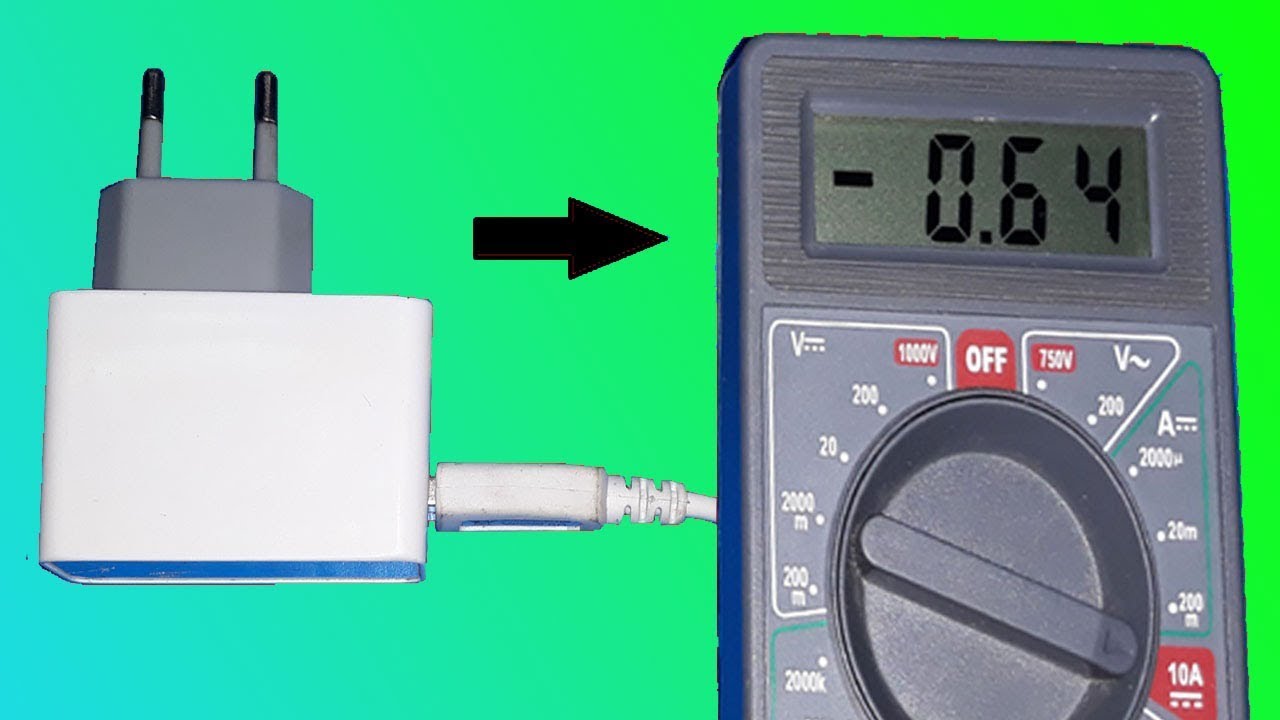
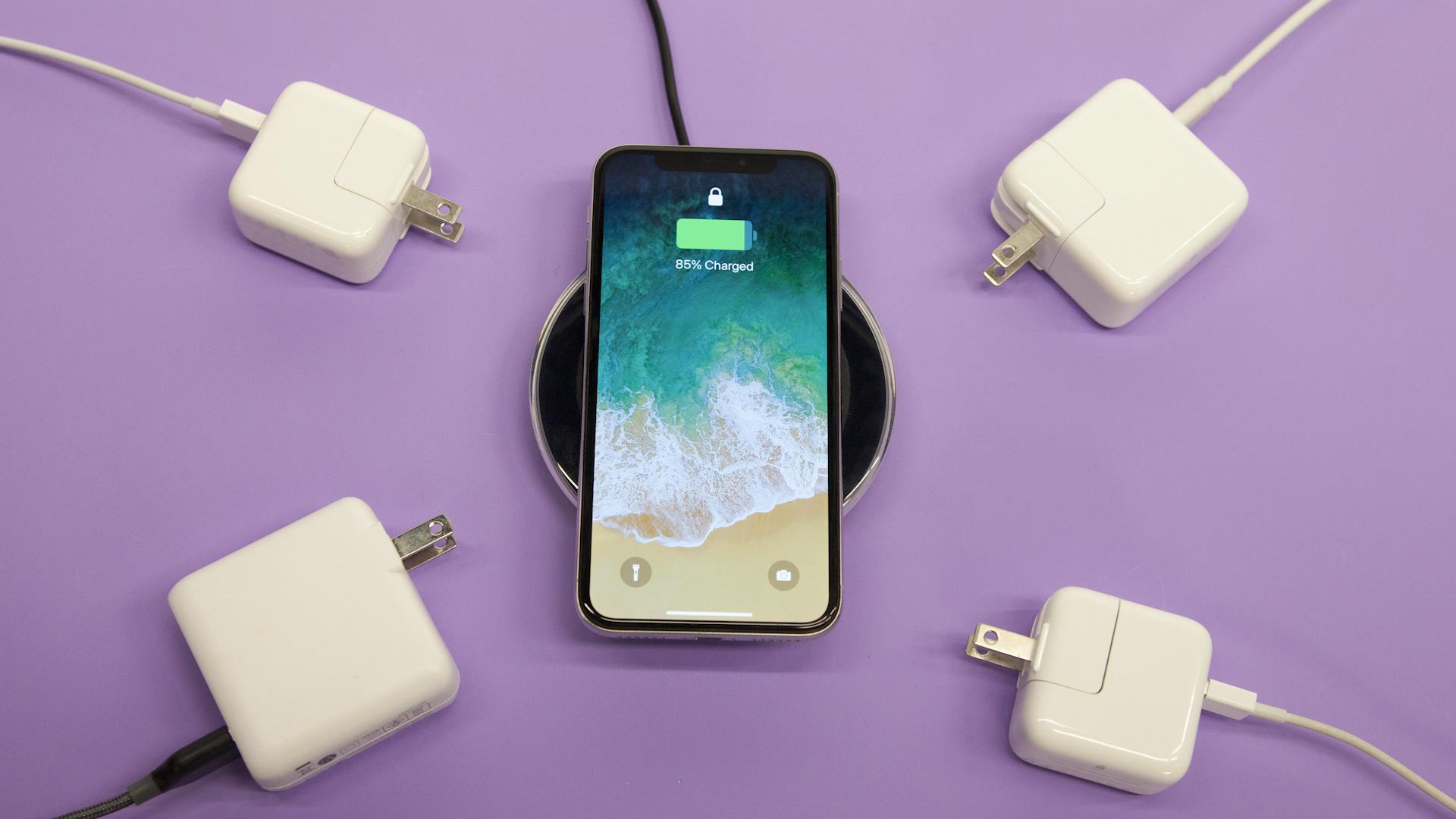
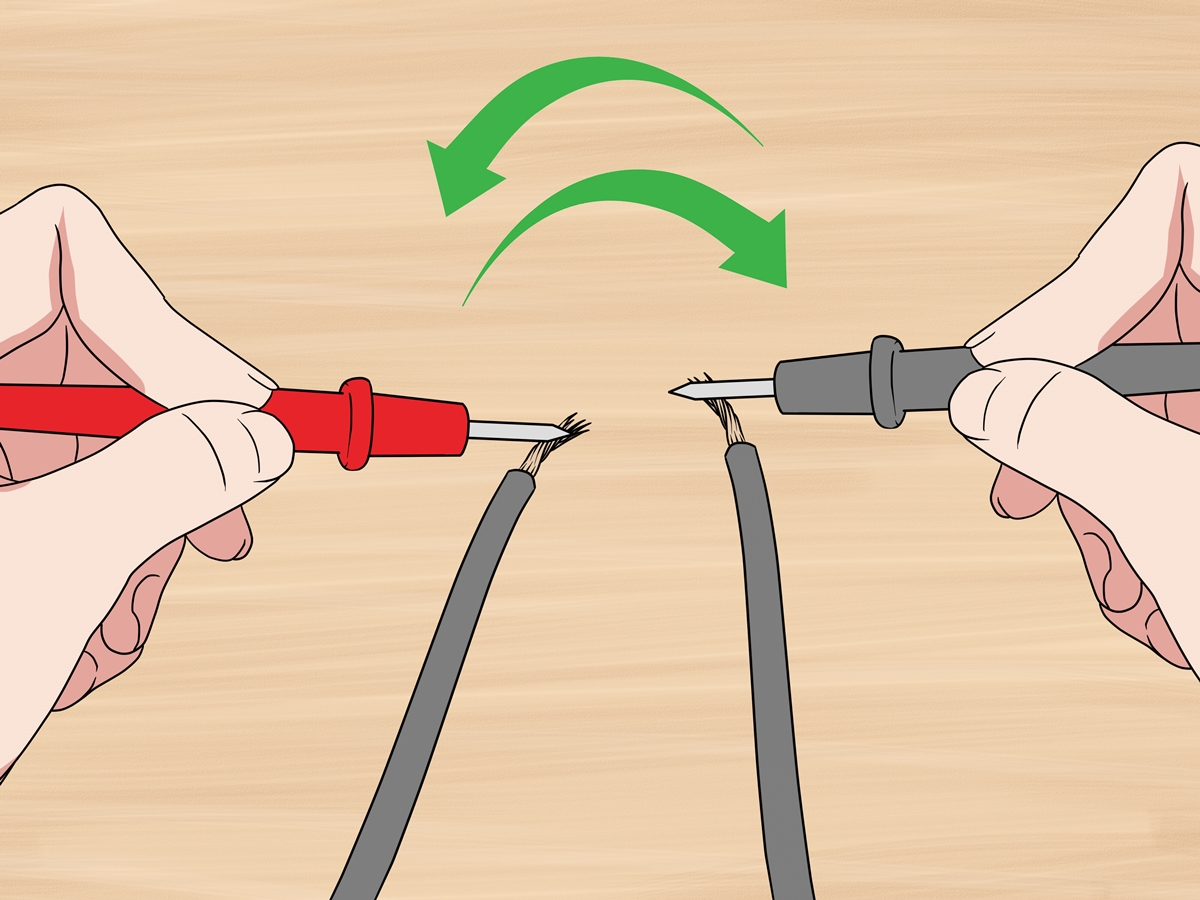
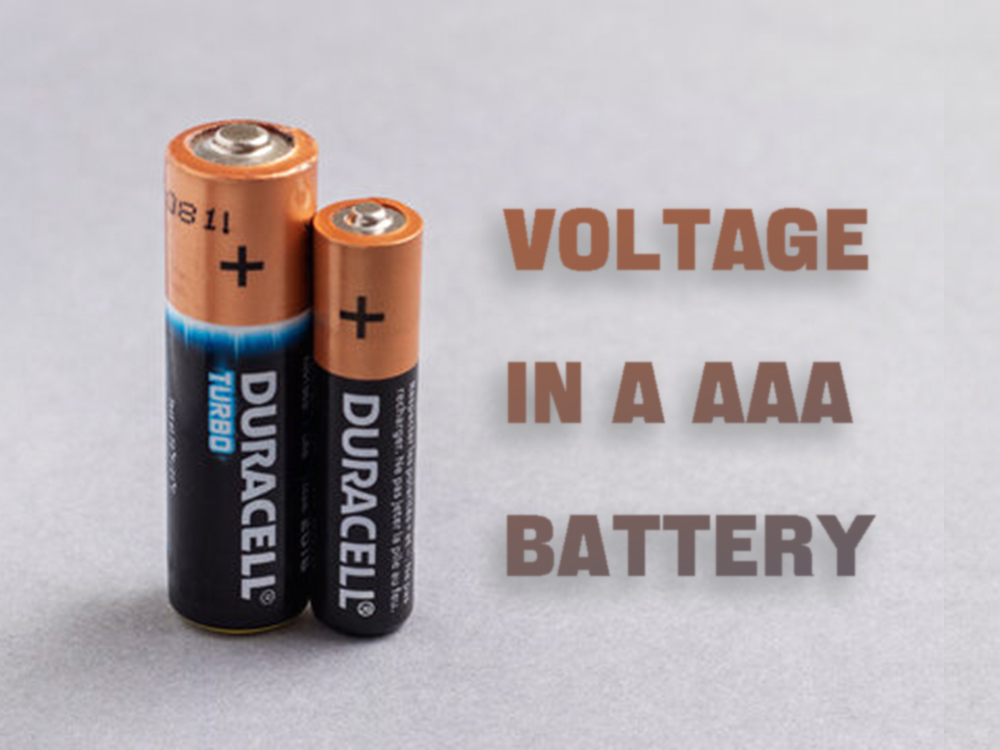
The articles here address two main themes. The first is understanding the basic specifications of common power sources, such as how many volts an AA, AAA, or 9V battery provides, and what a 1.5 V battery actually is. The second theme focuses on hands-on troubleshooting, with guides on how to test a phone charger with a multimeter, how to check a battery with a multimeter, and how to determine which wire is positive and negative on a phone charger. You will also find explanations of how a cell phone charger works and how many volts a USB charger typically delivers.
These articles help you do specific things: identify the voltage and amperage of batteries like the AG13 and AG10, test a 9V battery to see if it is dead, and understand standard battery specifications for AA, AAA, and other common formats. They provide the steps and knowledge needed to diagnose a faulty charger or a drained battery on your own.