




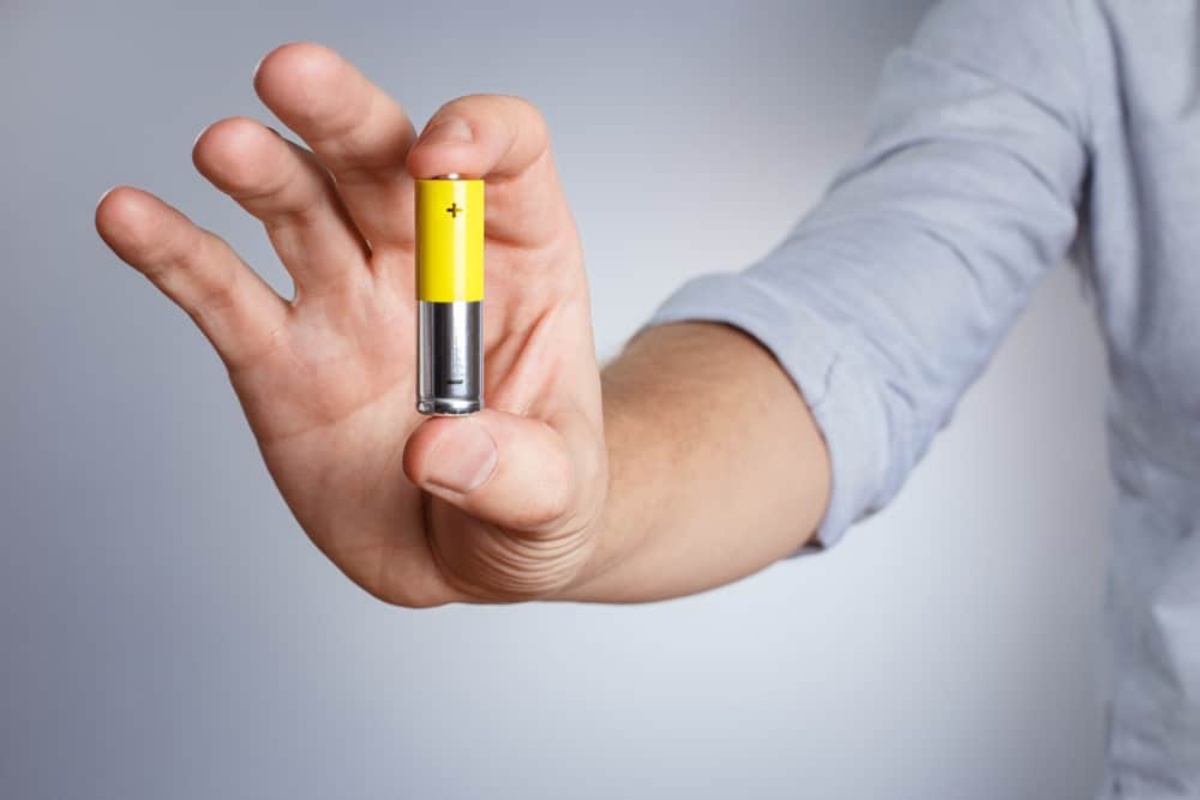
How many volts is an AA battery? It is usually 1.5 volts, or 1.2 volts if it is rechargeable. This direct answer covers the two most common types, but the exact voltage depends on the battery's chemistry and how much charge it has left.
How many volts is an AA battery?
The standard voltage for a non-rechargeable alkaline AA battery is 1.5 volts. For rechargeable nickel-metal hydride (NiMH) AA batteries, the standard voltage is 1.2 volts. A fresh alkaline cell will often measure between 1.55 and 1.65 volts when not under load, while a discharged cell will read significantly lower.
Overview of AA batteries
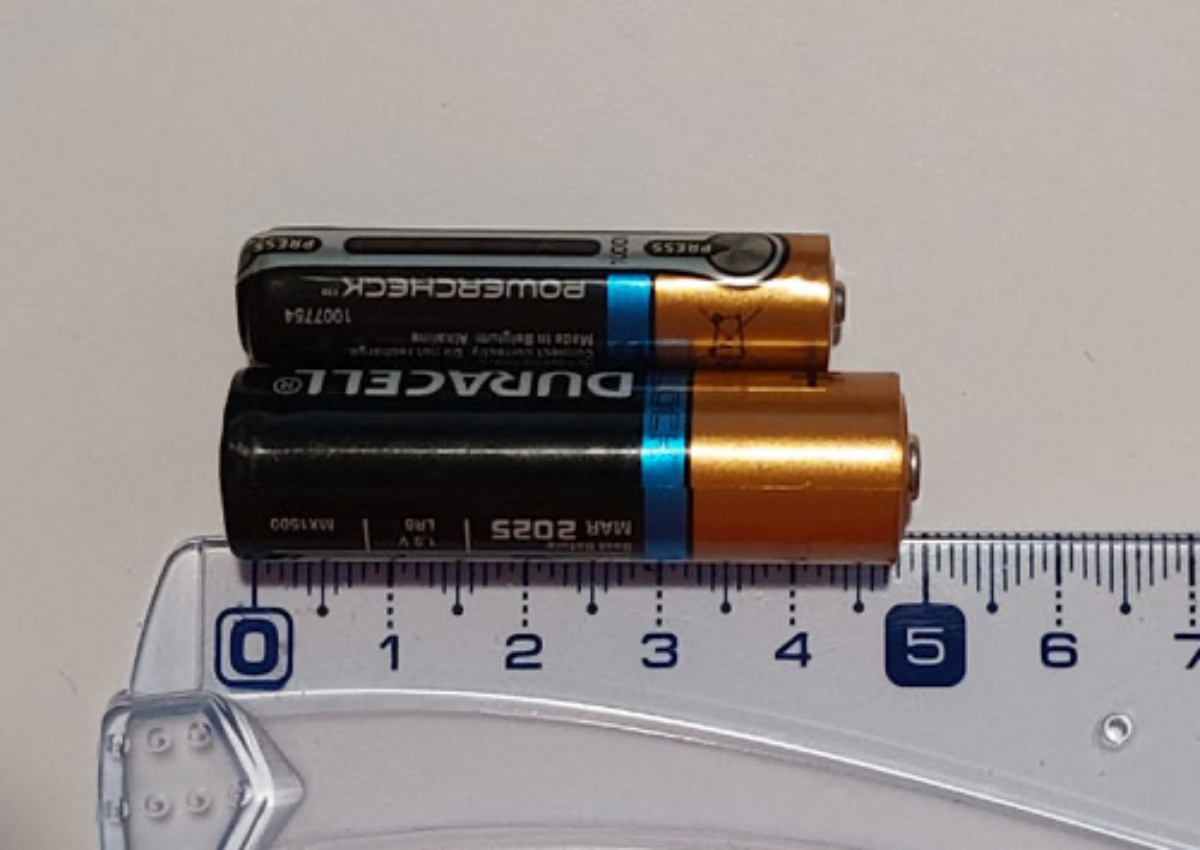
AA stands for 'Alkaline' or 'Double A'. AA batteries have a diameter of approximately 14.5 millimeters.
Nominal voltage by battery chemistry
The nominal voltage, the standard reference voltage, varies by the battery's internal chemistry:
- Alkaline AA: 1.5 V nominal.
- Primary lithium AA: 1.5 V nominal.
- NiMH rechargeable AA: 1.2 V nominal.
These nominal values are the standard ratings used for device compatibility. When comparing AA and AAA battery specs, the voltage is identical for the same chemistry; only the physical size and capacity differ.
Why a fresh battery reads higher than 1.5 volts
A brand-new alkaline AA battery typically shows an open-circuit voltage of 1.55 to 1.65 volts. This is because the cell is at full charge with no load applied. As soon as the battery is placed in a device and current is drawn, the voltage drops to its nominal level and continues to decline as the battery discharges. This higher initial reading is normal and does not indicate a defect.
When is an AA battery considered dead?
An AA battery is generally considered weak or near the end of its useful life when its voltage falls to about 1.0 volts or lower. However, the actual cutoff point depends entirely on the device. The device's minimum operating voltage determines when the battery is functionally "dead" for that specific use.
Factors that change voltage during use
Several factors cause an AA battery's voltage to fluctuate during its life:
- State of charge: Voltage drops steadily as the battery's stored energy is used.
- Load: Drawing a high current (e.g., from a motor or camera flash) causes the voltage to sag temporarily compared to a low-current device.
- Temperature: Cold conditions reduce chemical reaction rates, lowering the voltage and apparent performance.
- Device cutoff: Some electronics shut off before the battery is fully drained, leaving residual energy that cannot be accessed.
- Series configuration: When multiple AA batteries are used in series, total voltage is the sum of individual voltages (e.g., four AA batteries = 6 volts).
Common devices that use AA batteries
AA batteries power a wide range of household items. Because the voltage is standardized, you can use them in any device designed for that size. Common examples include:
- Remote controls for TVs and other electronics
- Wireless computer mice and keyboards
- Flashlights and headlamps
- Wall clocks and alarm clocks
- Portable radios
- Toys, including remote-controlled cars and electronic games
- Digital cameras (often requiring multiple cells in series)
- Portable audio players
Frequently Asked Questions
Can I use a battery with a higher voltage in place of an AA battery?
No, it can damage the device or pose a safety risk.
Can I use a battery with a lower voltage in place of an AA battery?
It may not provide enough power to properly operate the device.
Can I use a 1.2V rechargeable battery in a device that expects 1.5V?
Yes, in most cases. Many devices are designed to work with the slightly lower voltage of NiMH batteries because the device's internal regulator can compensate. However, some high-drain or voltage-sensitive devices may perform less optimally or shut off earlier with 1.2V cells.
How do I measure the voltage of an AA battery?
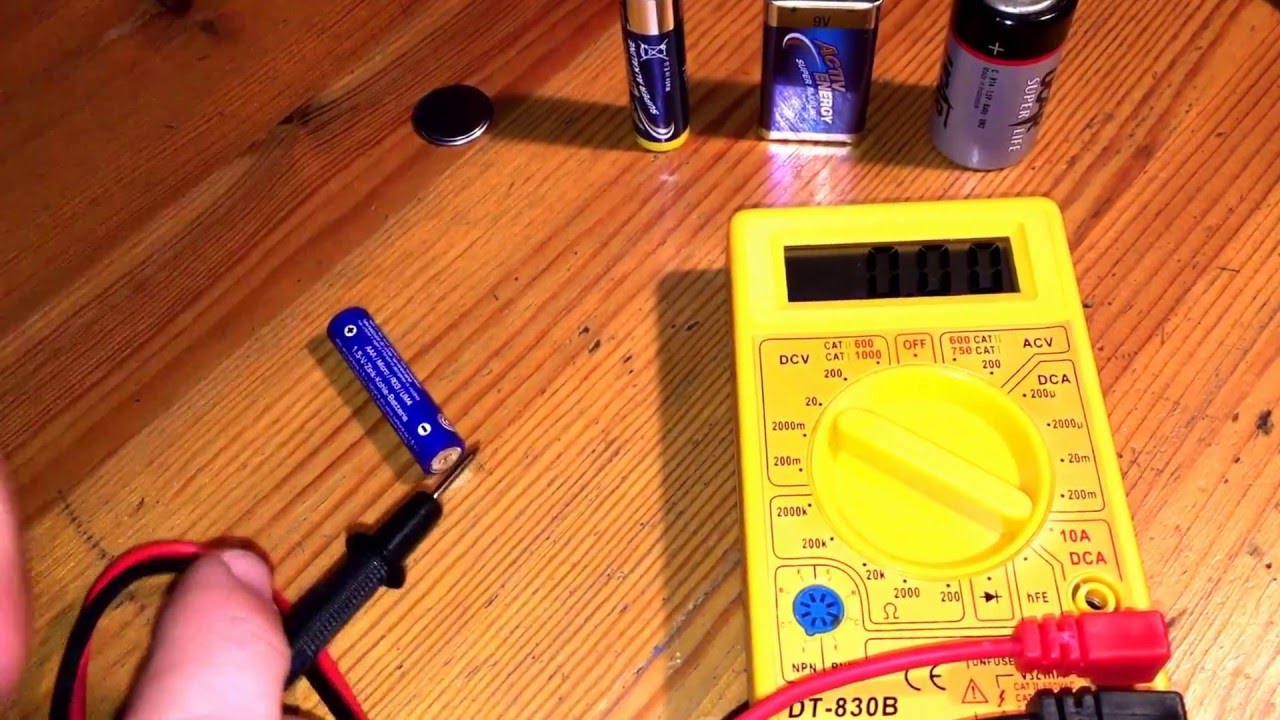
Use a digital multimeter set to DC voltage. Touch the red probe to the positive terminal (the raised nub) and the black probe to the flat negative terminal. A reading of 1.5V or higher indicates a fresh alkaline cell; 1.2V is normal for a fully charged NiMH rechargeable.
What happens if I mix old and new AA batteries in a device?
Mixing batteries of different ages or chemistries is not recommended. The weaker battery will drain faster, can reverse-charge, and may leak or cause the device to malfunction. Always replace all batteries in a device at the same time with the same type.
Can a 1.5V lithium AA battery replace a standard alkaline AA?
Yes. Primary lithium AA batteries also have a 1.5V nominal voltage and are a direct drop-in replacement for alkaline cells. They typically last longer and perform better in extreme temperatures, but they cost more.
Why does my device stop working even though the battery still reads 1.2V?
Some devices have a higher voltage cutoff than others. For example, a digital camera may require at least 1.3V per cell to operate its flash and motor, while a low-drain remote control will run down to 1.0V or lower. The battery still has energy, but the device cannot use it.
For the wider topic, see AA and AAA battery specs.
Related reading: What Is A 1.5 V Battery.