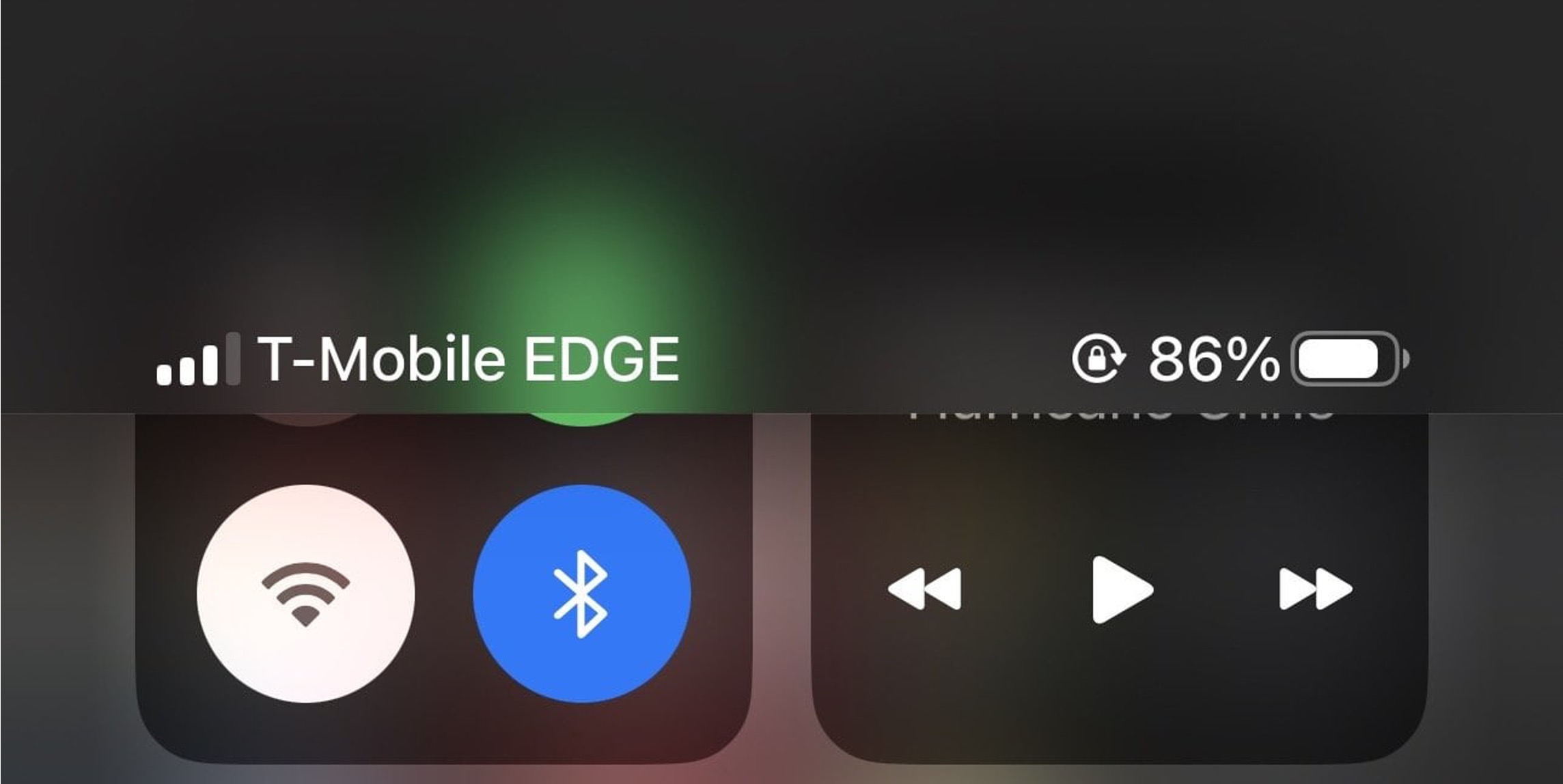




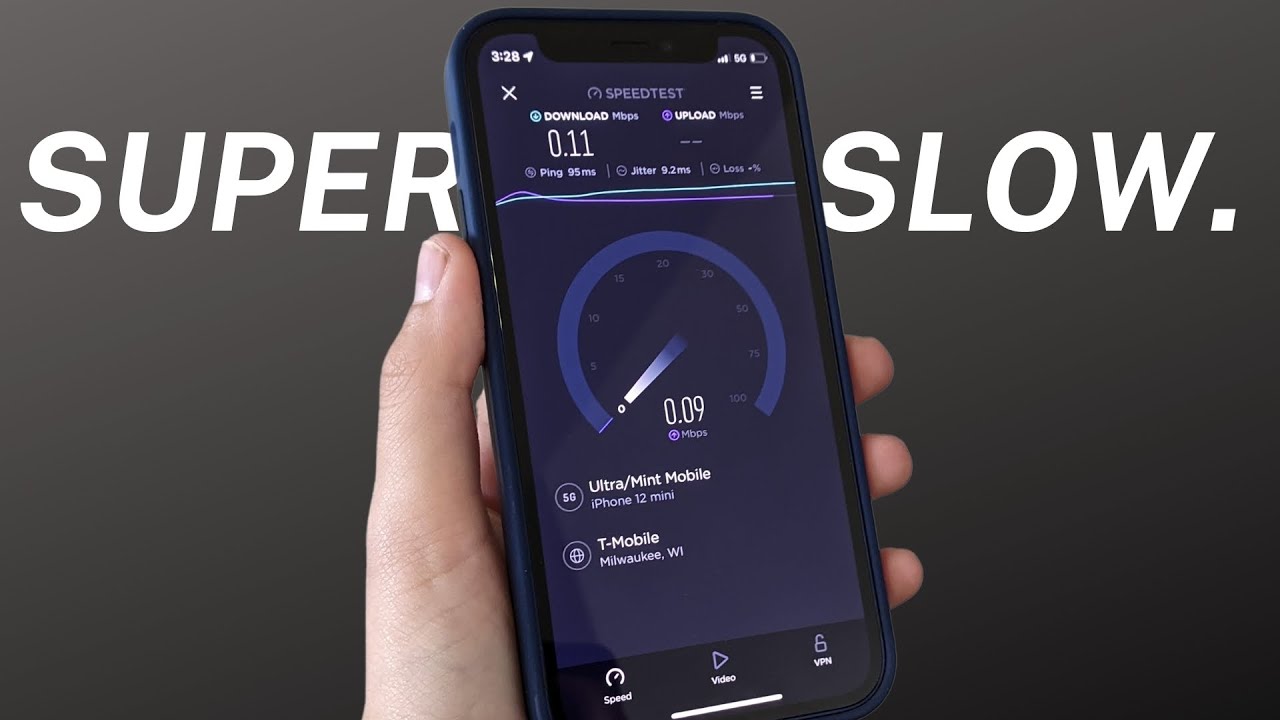
When you run out of data on T-Mobile, what happens depends entirely on whether you have an unlimited plan or a limited data plan. If you have a modern unlimited plan, your data is never cut off; instead, it may be temporarily slowed only during network congestion, a process called deprioritization. If you have an older limited plan, your speeds are throttled to around 128 kbps (2G speeds) for the rest of the billing cycle.
What happens when you run out of data on T-Mobile: The direct answer
T-Mobile does not cut off your data completely when you hit your plan limit. For unlimited plans, exceeding the high-speed threshold (typically 50GB or 100GB) means your data may be deprioritized, slowed only when the network is busy, but you can still browse, stream, and use apps. For older limited plans, once your data allotment is used up, your speeds are throttled to approximately 128 kbps, which is enough for basic messaging and email but not for streaming or heavy browsing.
T-Mobile unlimited plans: deprioritization, not cutoff
On most T-Mobile unlimited smartphone plans, once you exceed the high-speed data threshold (e.g., 50GB or 100GB depending on the plan), your data usage may be prioritized below other customers during times and in locations of network congestion. This network management practice is called deprioritization, meaning speeds may slow down if the network is busy, but data access continues. You can still stream music, use maps, and browse social media, just potentially at reduced speeds during peak hours. T-Mobile does not charge overage fees for exceeding data limits on these plans; instead, speeds are reduced or data is deprioritized. T-Mobile also enforces a Fair Usage Policy to prevent excessive data consumption by individual users, with users who consistently consume disproportionately large amounts of data subject to reduced speeds.
Older limited plans: throttled to 2G speeds
For older T-Mobile plans with a fixed high-speed data allotment, once the limit is reached, data speeds are typically reduced to 2G speeds (around 128 kbps) for the remainder of the billing cycle. This hard throttle makes activities like video streaming or large downloads impractical, but you can still send texts, use messaging apps, and perform basic web searches. Some older plans, like Simple Choice, included a "Data Stash" feature that allowed unused high-speed data (up to 20GB) to roll over for up to a year, helping you avoid hitting the limit.
Mobile hotspot and home internet limits
After your high-speed mobile hotspot data limit is reached, speeds are generally reduced to a maximum of 600 kbps (3G speeds) for the rest of the billing cycle. This is enough for basic browsing and email but not for streaming or large downloads. For T-Mobile Home Internet customers who exceed 1.2TB of data usage in a billing cycle, you are classified as an "Internet Heavy Data User" and will be prioritized last on the network, potentially leading to slower speeds during congestion. Regarding T-Mobile home internet device limits, your home internet gateway supports a standard number of simultaneous connections, but heavy usage across many devices can contribute to hitting the 1.2TB threshold.
International roaming data limits
When using international roaming, plans typically include a set amount of high-speed data (e.g., 5GB, 10GB, or 15GB depending on the plan and destination). After that high-speed allotment is exhausted, speeds are reduced to 128 kbps or 256 kbps. This reduced speed still allows for messaging, maps, and basic browsing, but streaming and large file transfers will be significantly slower.
How to check your data usage on T-Mobile
You can check your data usage at any time by dialing #WEB# (#932#) from your T-Mobile phone. Alternatively, use the T-Life app or log in to My T-Mobile website. These tools show your current usage, remaining high-speed data, and any data passes you have. T-Mobile also sends free text message alerts to notify you before you reach your allotted data usage and again when your allotment is used up. For checking data usage and balance on carriers, the T-Life app provides a clear dashboard so you always know where you stand. Performing regular data usage audits to review data usage history, identify trends, and pinpoint apps or activities that consistently consume large amounts of data can help you manage your plan. Setting up usage alerts to receive notifications when approaching predefined data thresholds is another effective way to stay informed.
How to get more high-speed data
If you need more high-speed data before your billing cycle resets, you can purchase On-Demand data passes or Mobile Hotspot Data Passes through the T-Life app or My T-Mobile website. These passes add a set amount of high-speed data that lasts until the end of your billing cycle or for a specific duration. T-Mobile generally does not charge overage fees for exceeding data limits; instead, you buy a pass to restore full speeds.
Tools to reduce data consumption
T-Mobile offers several features to help you avoid hitting your data limits in the first place. Binge On and Music Freedom allow you to stream video and music from select providers without it counting against your high-speed data allotment, this is part of free streaming with T-Mobile. You can also use Wi-Fi calling and messaging to reduce cellular data usage, and enable data saver features on your device to limit background data consumption. Data Saver features allow users to optimize data usage by reducing data consumed by apps and services running in the background. Many apps offer settings to control their data usage, such as limiting video streaming quality and enabling data-saving modes. These tools help you stretch your data further, especially on limited plans.
Frequently Asked Questions
Will T-Mobile cut off my data completely if I run out?
No, T-Mobile does not cut off your data. On unlimited plans, data continues but may be slowed during congestion. On limited plans, speeds are reduced to 2G levels (around 128 kbps) for the rest of the billing cycle.
Can I still use Wi-Fi if I run out of data on T-Mobile?
Yes, you can always connect to Wi-Fi networks to access the internet, stream, and use apps without any restrictions, regardless of your cellular data status.
Does T-Mobile charge overage fees for extra data?
No, T-Mobile generally does not charge overage fees on most current plans. Instead, speeds are reduced or data is deprioritized. You can purchase data passes to restore high-speed access.
How do I know which plan I have, unlimited or limited?
Check your plan details in the T-Life app or My T-Mobile website. Unlimited plans typically have names like Magenta, Go5G, or Essentials. Limited plans are older plans with a fixed data cap.
What happens if I exceed the 1.2TB limit on T-Mobile Home Internet?
You are classified as an "Internet Heavy Data User" and may experience slower speeds during network congestion, but your service is not cut off or throttled to a fixed low speed.
Can I track my data usage to avoid running out on T-Mobile?
Yes, you can track your data usage at any time using the T-Mobile app, the My T-Mobile website, or by contacting customer support to see your current usage and remaining high-speed data.