




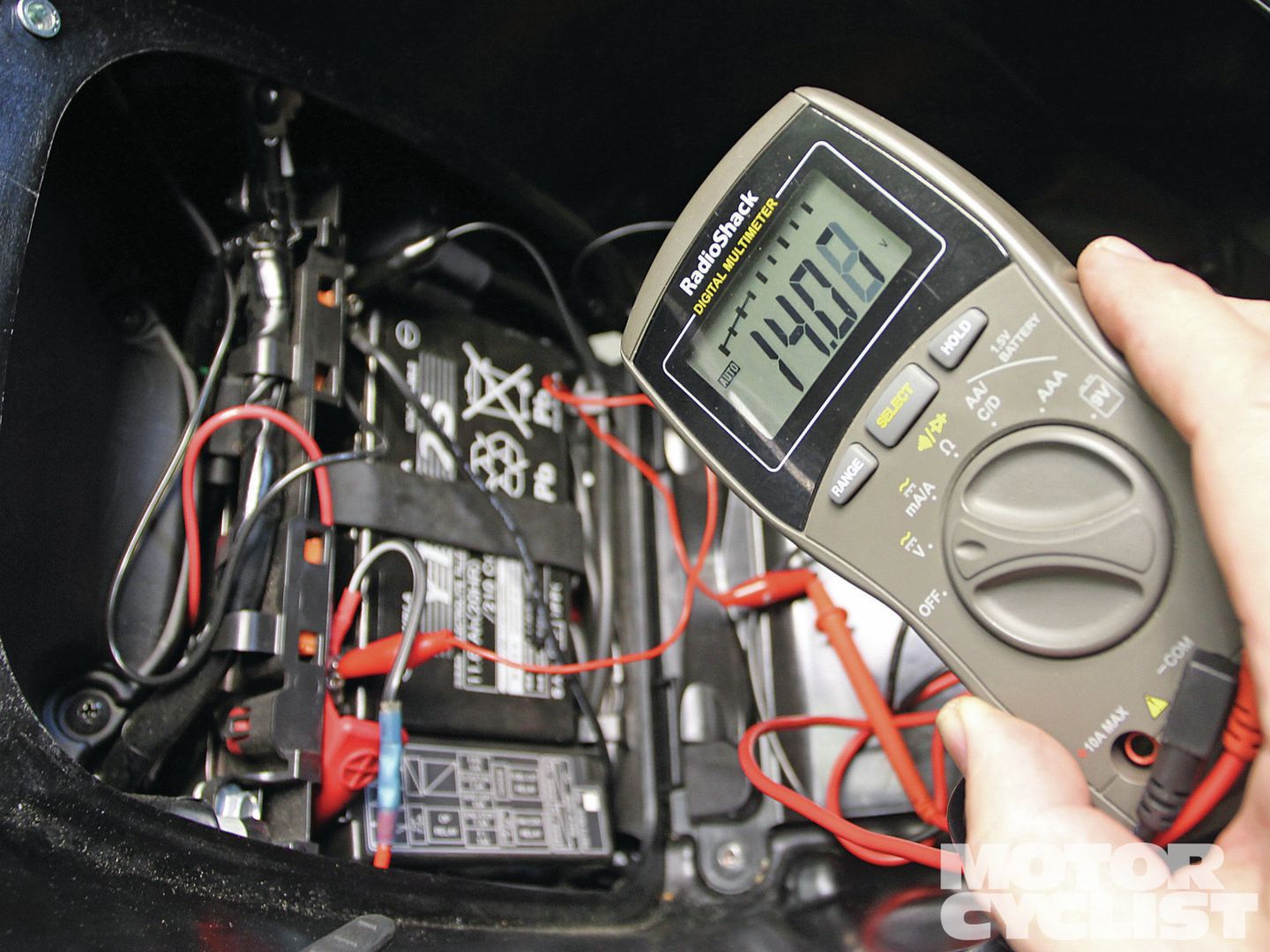
To check for battery draw, you need to perform a parasitic draw test using a digital multimeter to measure the current your vehicle's electrical system consumes when the engine is off.
What is a parasitic battery draw and how to check for it
A parasitic battery draw, also known as a parasitic drain, is an excessive electrical current that continues to flow from your vehicle's battery after the ignition is turned off. All modern vehicles have a normal parasitic draw to power essential components like the engine computer, alarm system, internal clock, and key fob receiver. For newer cars, a normal draw typically falls between 20 and 50 milliamps (mA), while some sources consider 50-85 mA acceptable. For older cars, less than 50 mA is generally normal. A parasitic draw exceeding 50 mA for older cars indicates an electrical issue. A draw exceeding 85-100 mA indicates a problem that needs to be diagnosed and fixed.
Why excessive battery draw is a problem
An excessive parasitic draw can cause several serious issues. First, it will drain your battery overnight, leaving you stranded with a vehicle that won't start. This repeated deep discharging also significantly reduces the battery's overall lifespan. Additionally, the constant electrical load can damage sensitive electronic components and modules in your vehicle, leading to expensive repairs. In some cases, a draw from a short circuit can even create a fire risk.
Tools you need to find a battery drain
To perform a parasitic draw test, you will need a digital multimeter with an ammeter function, a wrench or socket set to disconnect the battery, a fuse puller to safely remove fuses, and a notepad to record your readings.
Step 1: prepare the vehicle for a parasitic draw test
Before testing, turn off the vehicle completely, remove the key from the ignition, close all doors, the trunk, and the hood. Make sure all interior lights, glove box lights, and under-hood lights are off. Then, wait at least 20 to 60 minutes for the vehicle's electronic modules to enter "sleep mode." This waiting period is critical because modules like the engine computer and infotainment system can take time to fully power down, and testing too early will give a false high reading.
Step 2: perform a visual inspection
Before connecting your multimeter, inspect the battery case for cracks or bulging, the terminals for corrosion, and the cables for fraying or loose connections. Also look for any obvious lights left on, such as a dome light or trunk light. Cleaning any corrosion you find is a good first step; if you need to know how to get corrosion off battery terminals, a mixture of baking soda and water works well. To prevent future issues, you can learn how to stop corrosion on battery terminals by applying dielectric grease after cleaning. Understanding what causes corrosion on battery terminals, typically a reaction between battery acid and the metal posts, can help you avoid the problem.
Step 3: disconnect aftermarket accessories
Unplug any phone chargers, GPS units, dash cams, aftermarket stereos, or other add-on electronics. These are common culprits for parasitic drain because they may not shut off completely when the vehicle is off. If the draw disappears after unplugging them, you have found the source.
Step 4: connect the multimeter to measure current draw
Set your digital multimeter to the DC ampere (A) mode, starting with a high range such as 10A or 20A to prevent blowing the meter's internal fuse. Disconnect the negative (-) battery cable from the negative battery terminal. Then, connect the multimeter in series: attach the red lead to the negative battery terminal and the black lead to the disconnected negative battery cable. This setup forces all current flowing from the battery to pass through the meter.
Step 5: read the multimeter and interpret the results
Once the meter is connected and the vehicle has been in sleep mode, read the current draw on the multimeter. For newer cars, a reading between 20 and 50 mA is normal; for older cars, under 50 mA is normal. If the reading exceeds 85-100 mA, you have an excessive parasitic draw that needs to be isolated.
Step 6: isolate the circuit by pulling fuses
With the multimeter still connected and showing the excessive draw, begin pulling fuses one at a time from the vehicle's fuse boxes (under the hood and inside the cabin). Watch the multimeter as you remove each fuse. When removing a specific fuse causes the current draw to drop significantly, that circuit is the source of the parasitic draw. Replace the fuse and then investigate the components on that circuit, such as lights, modules, or accessories, to find the exact faulty part. If you notice a significant drop in voltage after using certain apps or during specific driving conditions, it might indicate a problem.
Common causes of parasitic battery drain
Common causes include faulty relays that stick closed, alternator diodes that leak current, stuck switches (like a brake pedal switch), corroded connections, damaged wiring, and modules that fail to enter sleep mode. Aftermarket accessories are also frequent offenders. Common causes include improperly installed aftermarket accessories, USB devices, and faulty door/window sensors. Common causes include issues with the ECU or computer systems and short circuits. If you are troubleshooting other battery issues, you might need to know how to test a 9V battery with a multimeter or how to test AA battery with multimeter for household devices, or even how to turn on battery saver on a phone to conserve charge. In some cases, you might need to know what happens if I turn off optimized charging on a device, or how to turn off battery optimization for specific apps. For deeply discharged batteries, you may need to learn how to revive a battery that won't charge.
Safety precautions when testing for battery draw
Never start the engine while the multimeter is connected in amp mode, as the starter motor draws hundreds of amps that will instantly destroy the meter. Also, never connect the multimeter directly across the battery terminals when it is set to measure amps, this creates a short circuit that can damage the device or blow its fuse. Always work in a well-ventilated area and wear safety glasses when working near the battery. If you need to clean battery posts, use a dedicated terminal cleaner tool and wear gloves to protect against acid.
Frequently Asked Questions
Can a bad alternator cause a parasitic draw?
Yes, a failing alternator with faulty diodes can allow current to leak backward through the charging system, draining the battery when the engine is off. This is a common cause of parasitic draw that can be tested by checking for AC voltage at the alternator output.
Do I need to disconnect the battery to test for parasitic draw?
Yes, you must disconnect the negative battery cable to connect the multimeter in series. This is the only way to measure the actual current flowing from the battery with all circuits intact.
How long does a parasitic draw test take?
The test itself takes only a few minutes once the multimeter is connected, but you must wait 20 to 60 minutes for the vehicle's modules to enter sleep mode before taking an accurate reading.
What if my multimeter shows 0.00 amps?
Double-check your connections and wait longer for the vehicle to power down.
Can a completely dead battery cause a parasitic draw reading?
No, a dead battery itself does not cause a parasitic draw. However, a battery that is too weak to start the engine may still show a normal or excessive draw when tested. Always fully charge the battery before performing the test to get accurate results.