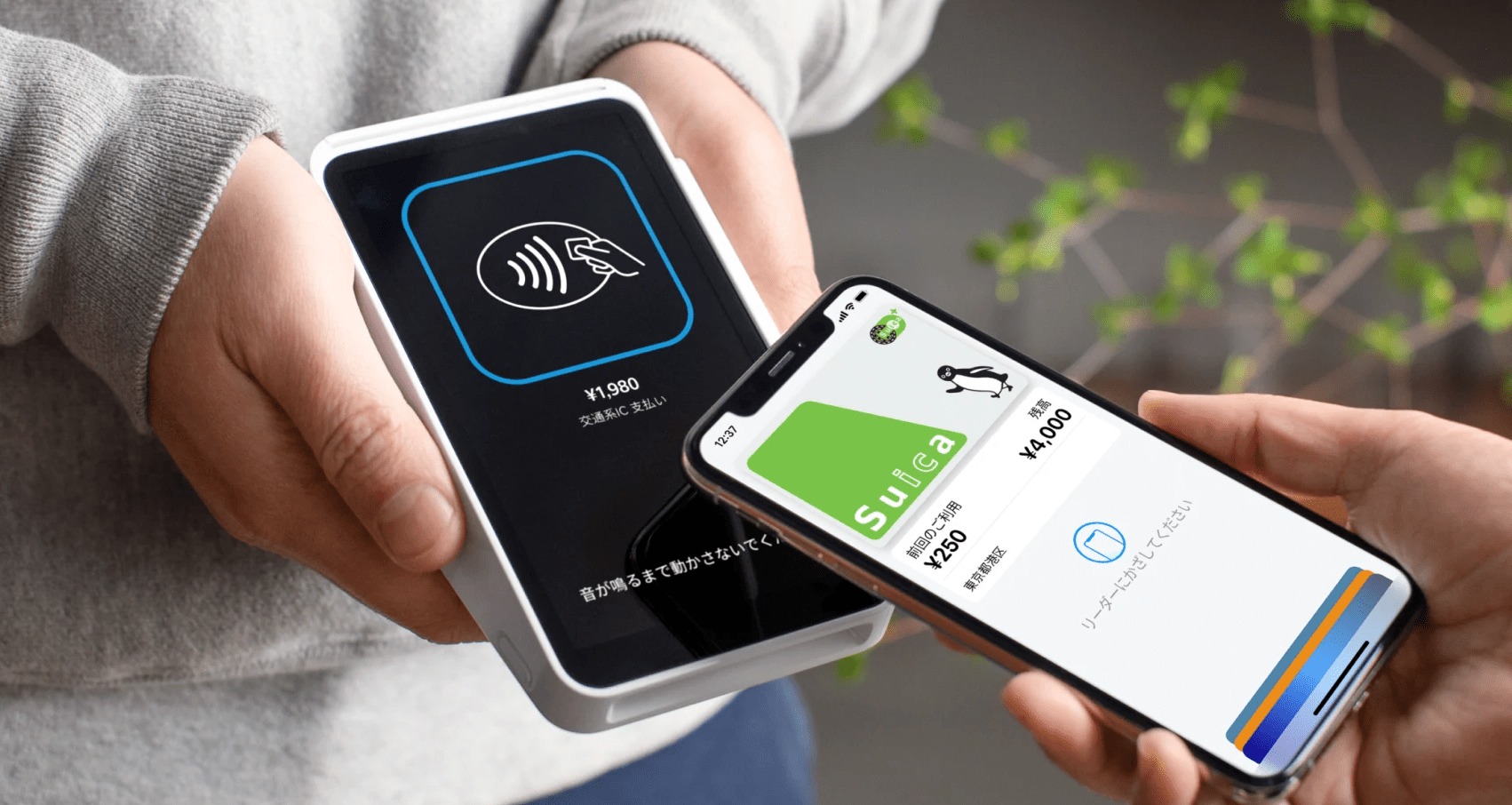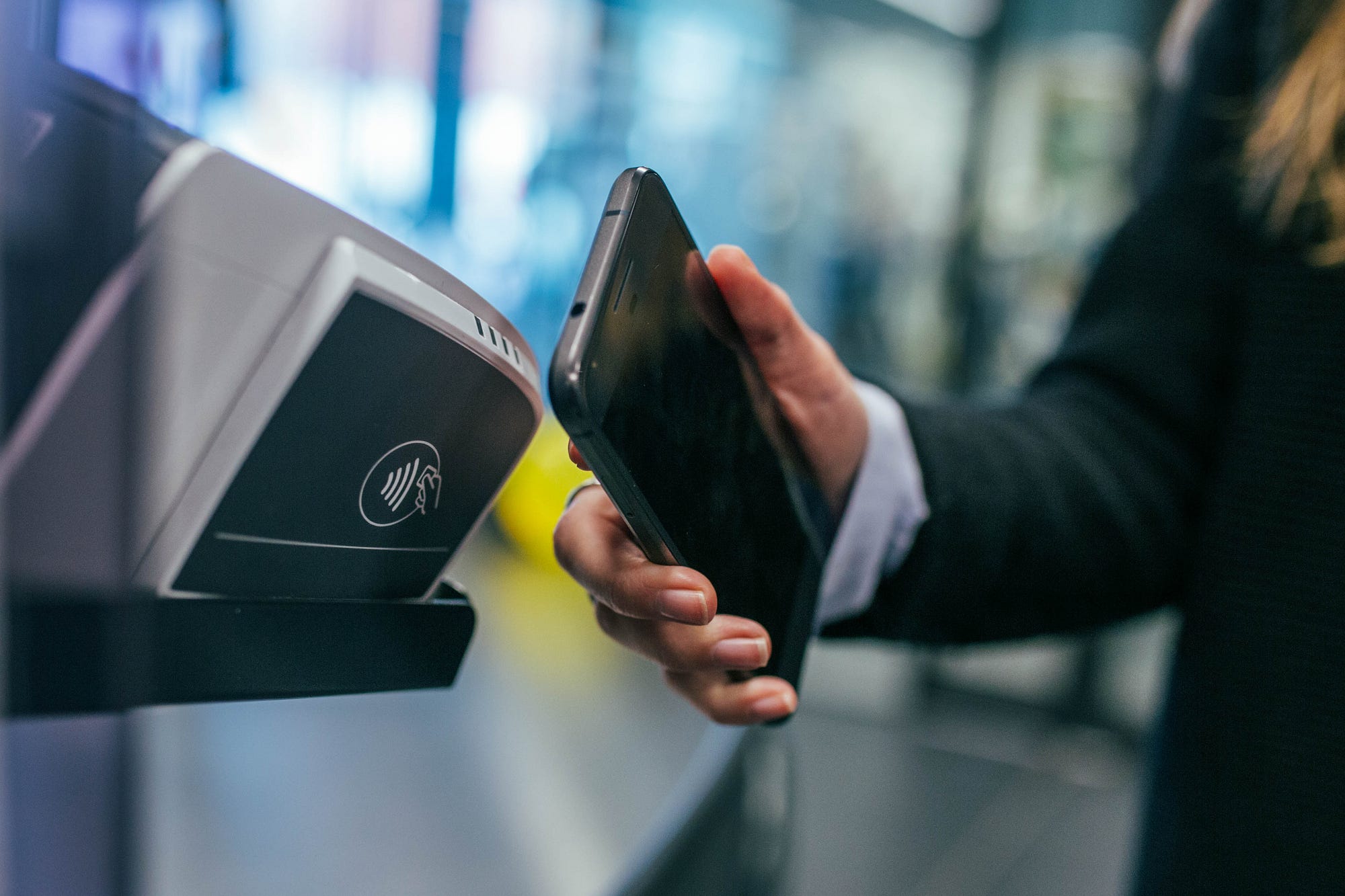





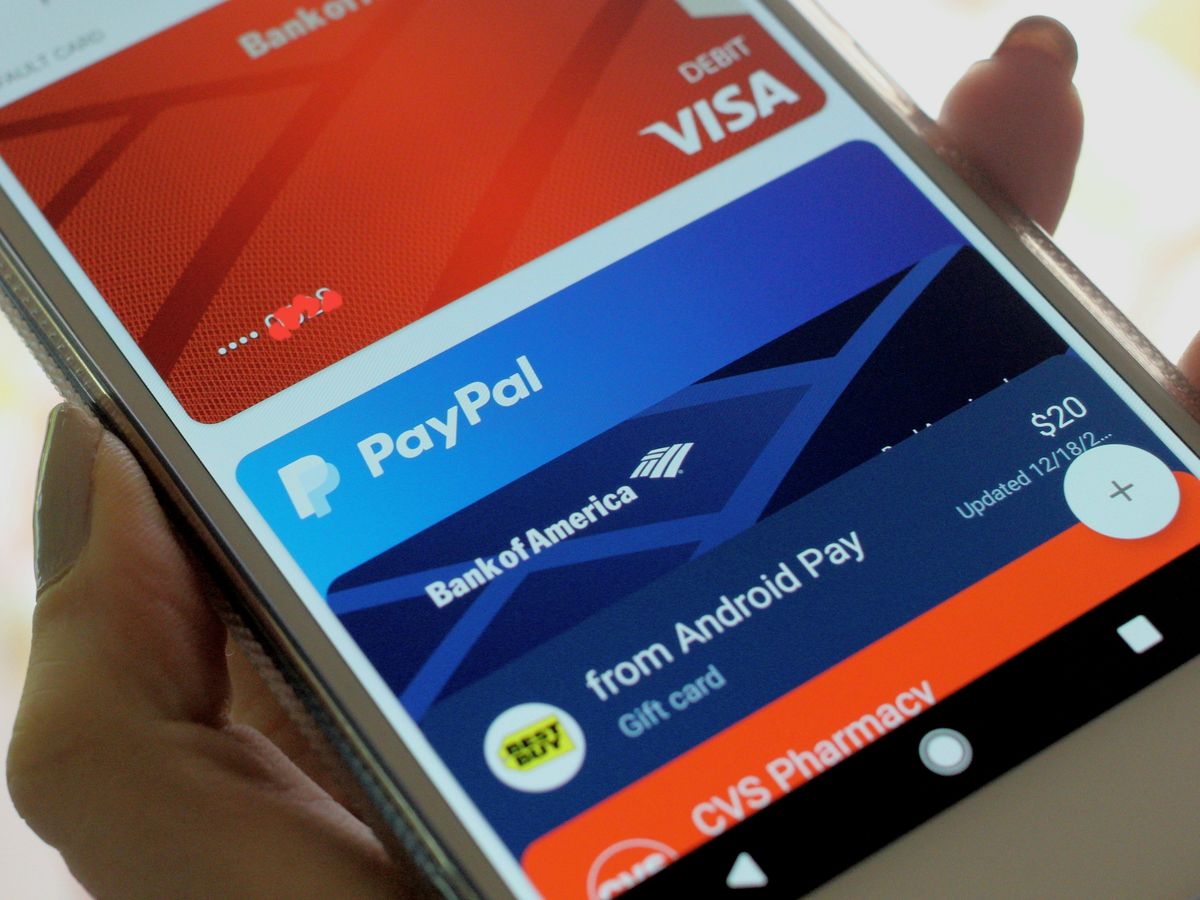
PayPal NFC tap to pay is a feature for merchants to accept in-person contactless payments on a mobile device using the PayPal app or PayPal Point of Sale app, it is not a consumer wallet for making purchases at stores. If you want to take payments from customers who tap a card, phone, or smartwatch, PayPal’s Tap to Pay lets you do that directly on your iPhone or Android device.
What is PayPal NFC tap to pay?
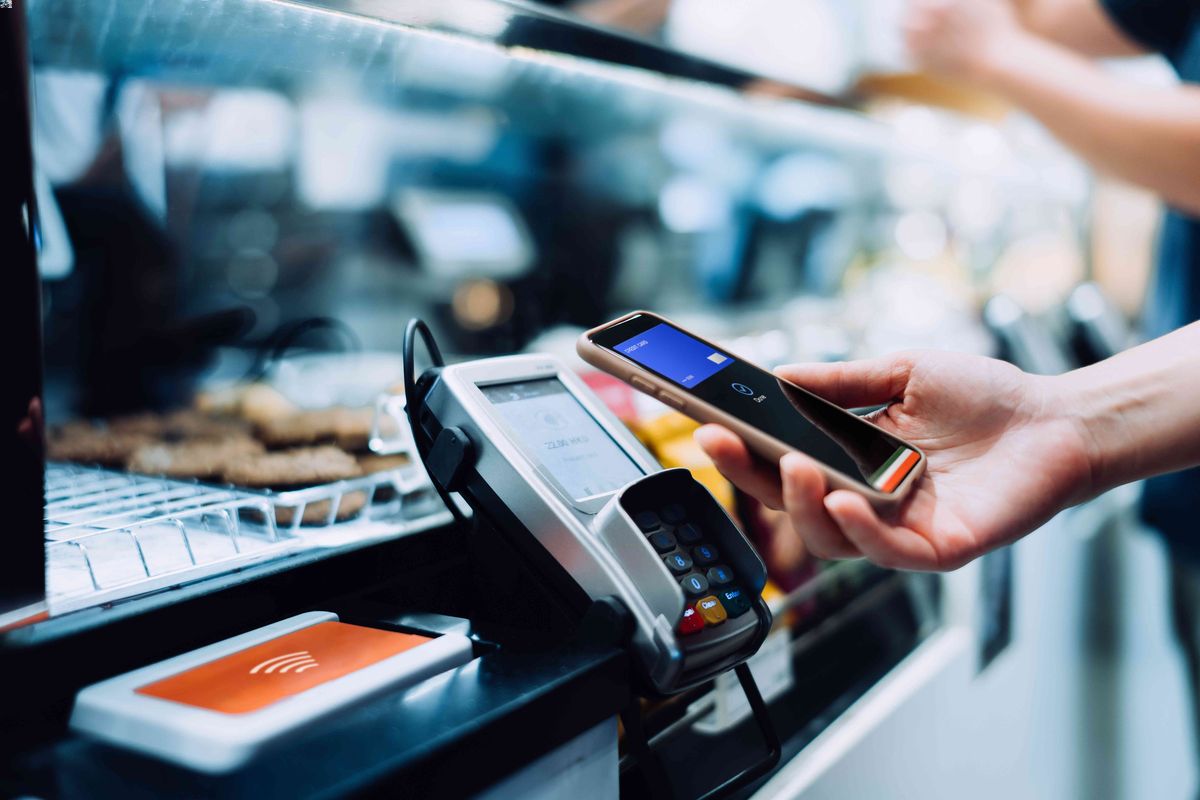
PayPal NFC Tap to Pay enables a business to accept contactless payments in person by turning a compatible smartphone into a payment terminal. The merchant opens the PayPal app, enters the amount, and presents the phone so the customer can tap their contactless card or device. This is a merchant tool, not a way for consumers to replace their wallet and pay at a store register. The technology uses near-field communication (NFC) to read payment data from the customer’s card or digital wallet at the point of sale.
Requirements for accepting tap to pay with PayPal
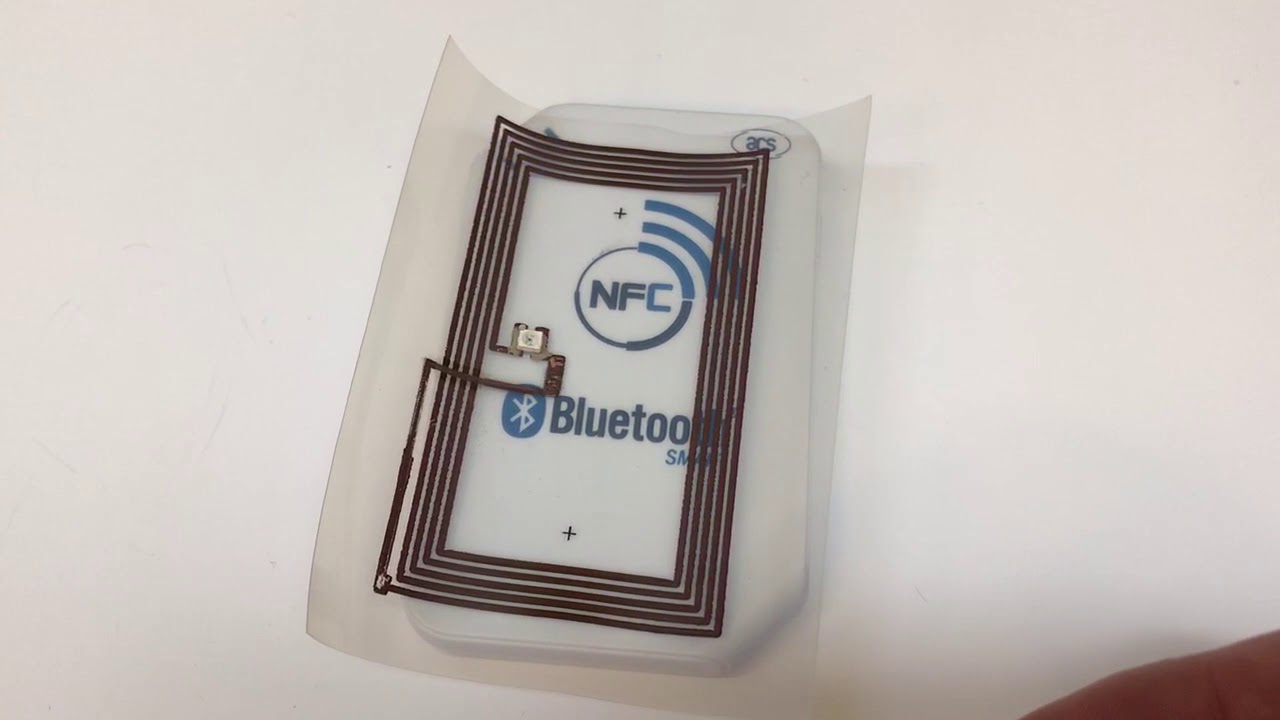
To accept Tap to Pay, you need a compatible iPhone or Android device with the PayPal app or PayPal Point of Sale app installed. Supported payment types include contactless debit and credit cards (VISA, MasterCard, Amex, Discover), plus digital wallets and smartwatches. For an explanation of how the underlying technology works, see NFC tags and readers explained (NFC Tags, Readers and Phone Features Explained), this covers how short-range wireless communication enables the tap-and-go experience.
How to activate tap to pay on Android Point of Sale
- Open the Point of Sale app.
- Tap settings.
- Select Tap to Pay.
- Tap activate.
This setup path is documented in PayPal’s Point of Sale support page.
How to accept a payment on iPhone
- Open the PayPal app.
- Enter the purchase amount.
- Present the iPhone to the customer.
- Have the customer hold their card or device horizontally at the top of the iPhone over the contactless symbol for a few seconds.
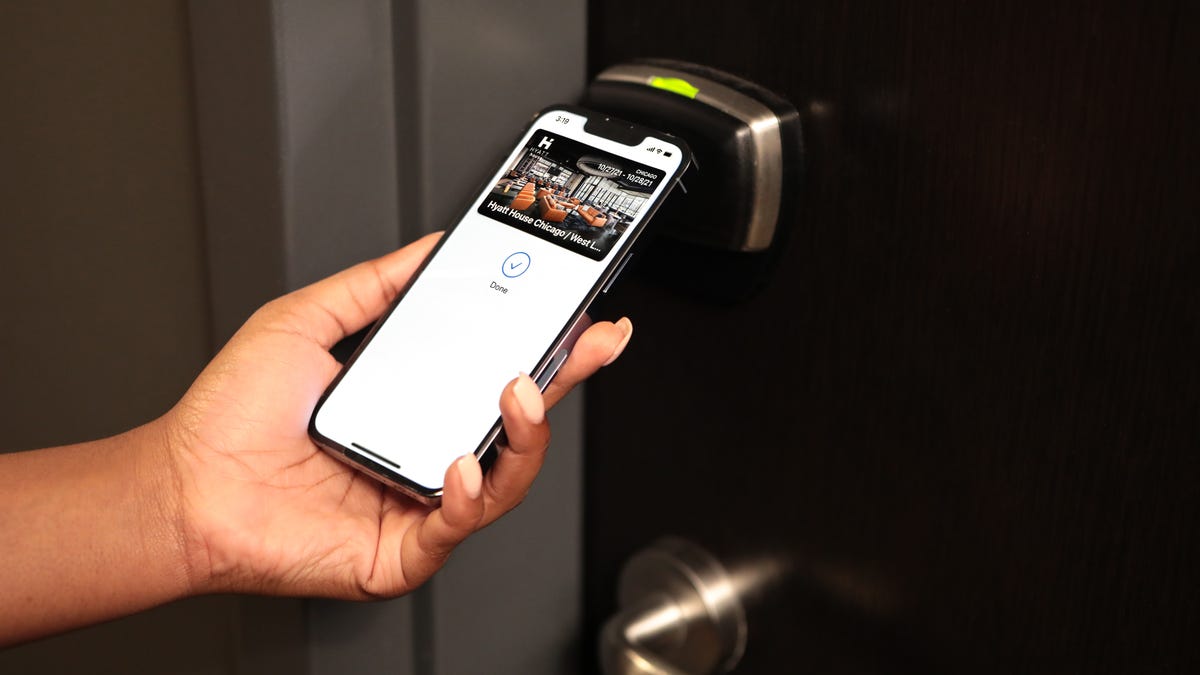
- Wait for the Done checkmark to appear, which confirms the transaction is being processed.
How to accept a payment on Android
- Open the PayPal app.
- Enter the purchase amount.
- Present the Android device to the customer.
In the Point of Sale app on Android, the flow differs slightly: after adding products or entering a custom amount, check out and select Tap to Pay, then the customer taps the back of the device to complete the payment.
How to process a refund for a tap to pay transaction
- Open the Point of Sale app.
- Select Receipts.
- Locate the Tap to Pay transaction.
- Tap Refund.
This refund process is documented in PayPal’s Android Point of Sale help.
Frequently Asked Questions
What is NFC payment?
NFC (Near Field Communication) payment is a contactless method where a customer taps their card, phone, or smartwatch against a merchant’s terminal to complete a transaction. It uses short-range wireless technology to securely transmit payment data without physical contact.
Is PayPal Tap to Pay secure?
PayPal says Tap to Pay uses encryption and tokenization to protect payment data during the transaction. The merchant device only reads contactless payment data at the point of sale, and PayPal’s fraud protection and purchase protection policies apply to eligible transactions.
What cards and wallets can customers use with PayPal Tap to Pay?
Customers can pay with physical contactless debit and credit cards from VISA, MasterCard, Amex, and Discover, as well as mobile wallets like Apple Pay and Google Pay, and smartwatches. The merchant device does not need to store customer payment details, it only reads the data at the time of the tap.
Do I need a special terminal to accept PayPal Tap to Pay?
No. PayPal Tap to Pay turns your existing compatible iPhone or Android device into the payment terminal. No additional hardware is required beyond the PayPal app or Point of Sale app.
Can I accept tap to pay on any iPhone or Android device?
PayPal does not publish a list of exact supported models or minimum OS versions. You should check the PayPal app’s availability in your region and confirm your device supports NFC payments in your device settings.
For the wider topic, see NFC tags and readers explained.
Related reading: What Is An NFC Reader? and What Is The NFC Antenna?.