





To get rid of headset dent quickly, massage the indented area with your fingertips to restore blood flow and fluff up your hair. The dent is a temporary mark from headband pressure, not a skull change, and it will fade on its own.
What causes a headset dent?
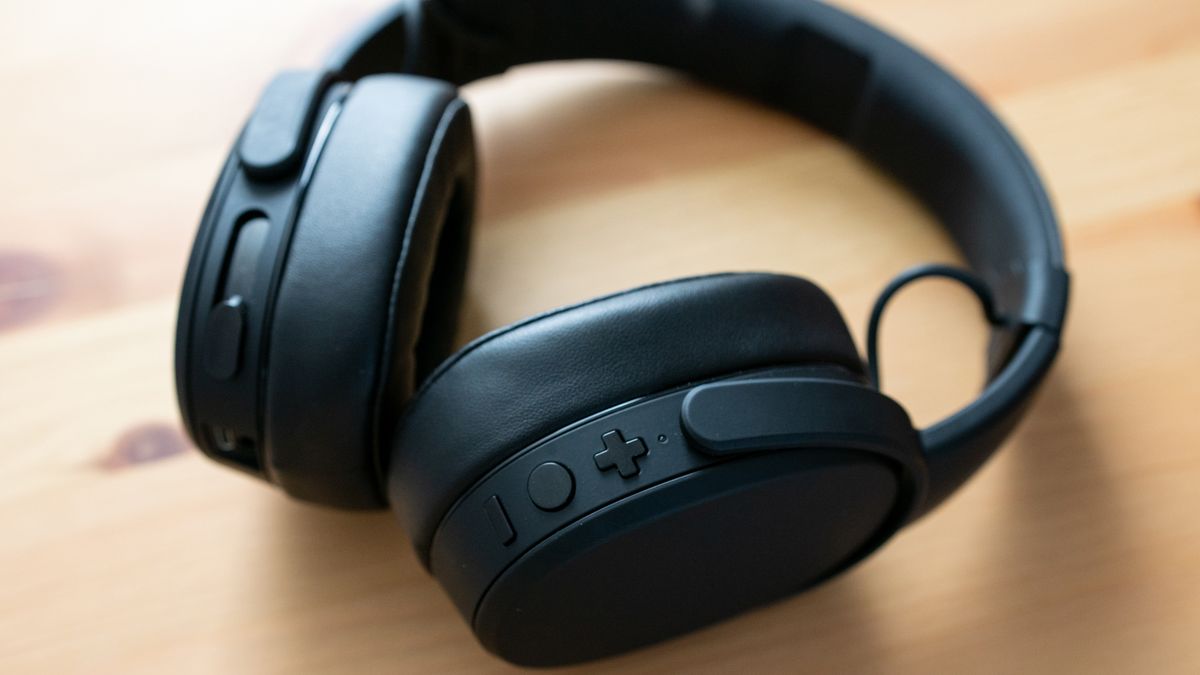
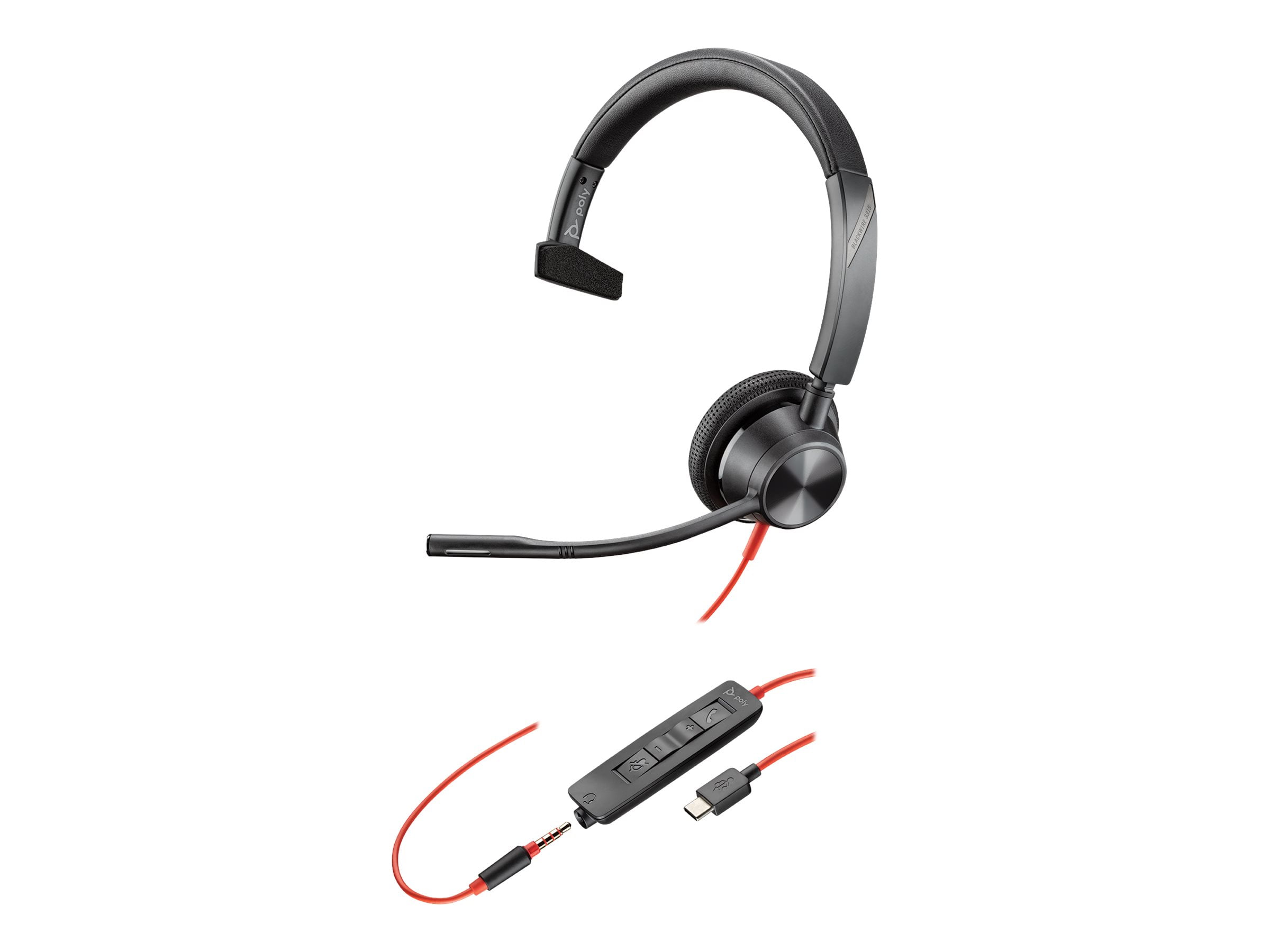
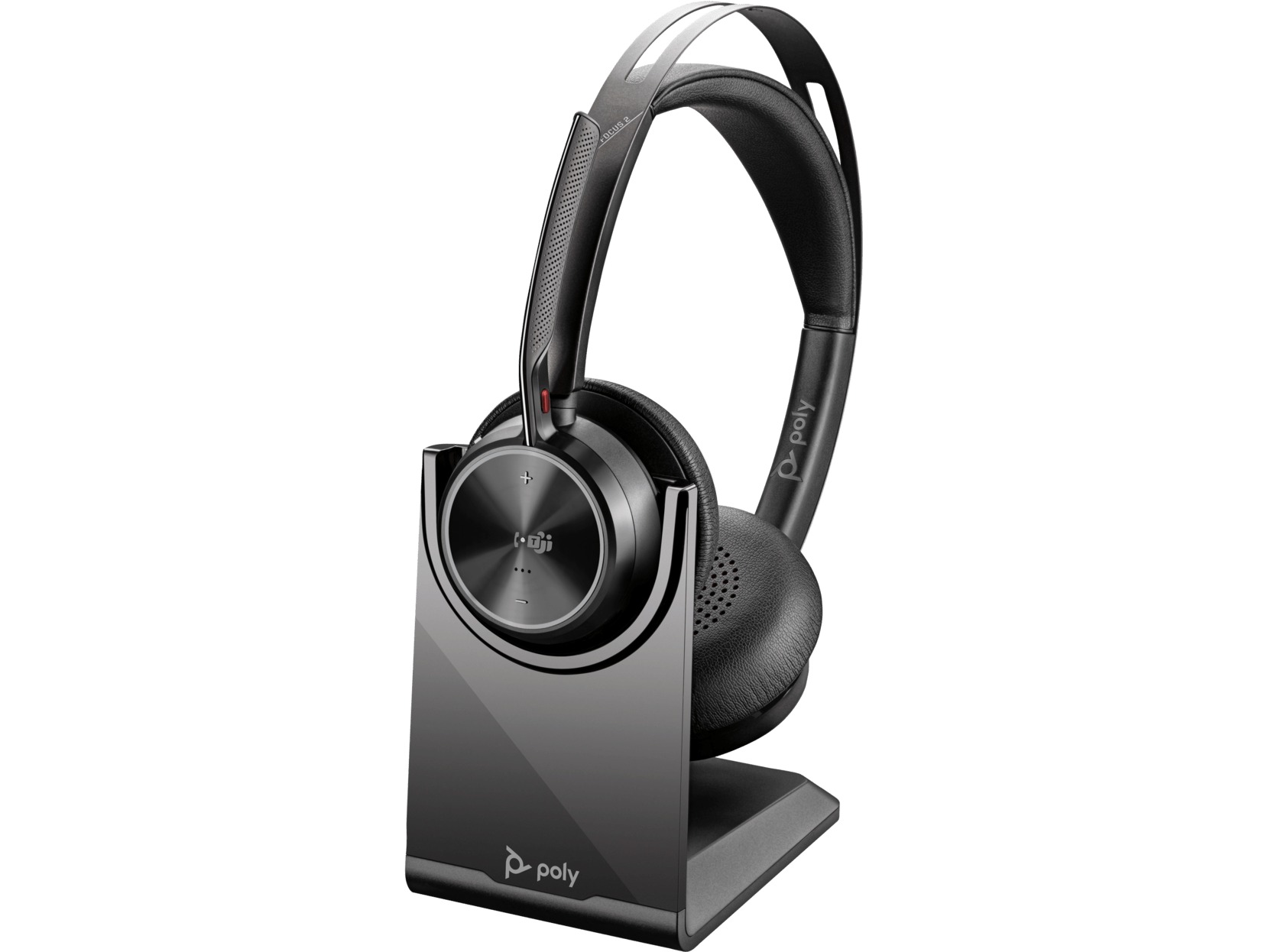
A headset dent is a temporary indentation on the scalp or hair caused by the pressure of the headband against your head. It is not a deformation of your skull; it is simply the skin, soft tissue, and hair being compressed. The mark is often more visible on people with fine or thin hair, which provides less cushioning. The dent is harmless and resolves naturally once the pressure is removed.
How to get rid of a headset dent fast
If you need to reduce the dent quickly before a meeting or going out, these methods work by restoring circulation and reshaping your hair.
- Fingertip massage. Use your fingertips to gently massage the dented area in circular motions. This stimulates blood flow, helping the tissue and hair return to their normal shape.
- Damp comb or towel. Lightly dampen a comb or a soft towel and run it through your hair over the dent. The moisture helps reset hair strands that have been pressed flat, making the indentation less visible.
- Ice pack therapy. Wrap an ice pack in a thin cloth and gently apply to the affected area for around 15 minutes to reduce swelling and inflammation.
- Heat therapy. Applying a warm compress or using a heating pad can further relax the muscles and alleviate discomfort.
- Natural remedies. Applying fresh aloe vera gel to the dent can reduce inflammation and aid recovery. Essential oils such as lavender or chamomile mixed with a carrier oil and gently massaged onto the dent area can promote relaxation and minimize residual discomfort.
How long does a headset dent last?
Without any intervention, a headset dent typically fades within minutes to an hour. The exact time depends on your hair type and how long the headset was worn. Thicker or curlier hair may bounce back faster, while fine, straight hair might hold the mark a bit longer. In all cases, the dent is temporary and resolves on its own.
How to prevent headset dents
You can reduce the chance of getting a dent by making small adjustments to how you wear your headset.
- Adjust headband tension. Loosen the headband so it sits comfortably on your head without pressing too hard.
- Take short breaks.
- Reposition the headband. Shift the headband slightly forward or backward every so often so the pressure is not always on the same spot.
- Use a padded headband cover. A soft cover distributes the pressure more evenly across a larger area, which helps prevent a deep indentation.
Frequently Asked Questions
Is a headset dent permanent?
No. A headset dent is a temporary indentation in the skin and hair, not a permanent change to your skull. It will go away on its own once the pressure is removed.
Does a headset dent cause hair loss?
No. The dent is caused by pressure flattening the hair, not by damage to the hair follicles. Once the pressure is gone and the hair is fluffed or washed, it returns to normal without loss.
Can a headset dent change my skull shape?
No. The skull is hard bone and cannot be indented by the light pressure of a headset. The dent you see is only in the soft tissue and hair on top of the skull.
Should I use ice or heat on a headset dent?
Neither is necessary. The dent will resolve on its own. If you want to speed it up, gentle massage or a damp comb is more effective than ice or heat.
Can phone accessories and maintenance help with a headset dent?
No. Phone accessories and maintenance refer to caring for your devices, not treating marks on your head. The dent is a physical impression on your scalp, not a device issue.
Can a headset dent cause permanent damage?
In most cases it is temporary and does not cause permanent damage, but excessive or prolonged pressure may cause discomfort or irritation.
Are there specific accessories or products to reduce a headset dent?
Soft cushion pads or covers placed on the headband can provide a more comfortable experience and adjustable headband tension can minimize pressure.
What if the dent persists or causes significant discomfort?
If the dent persists or causes significant discomfort, consult a dermatologist or cosmetic surgeon for targeted treatments like injections or specialized procedures.
Related reading: How To Install Headset, How To Connect Skullcandy Headset, and How To Use A Wireless Headset.