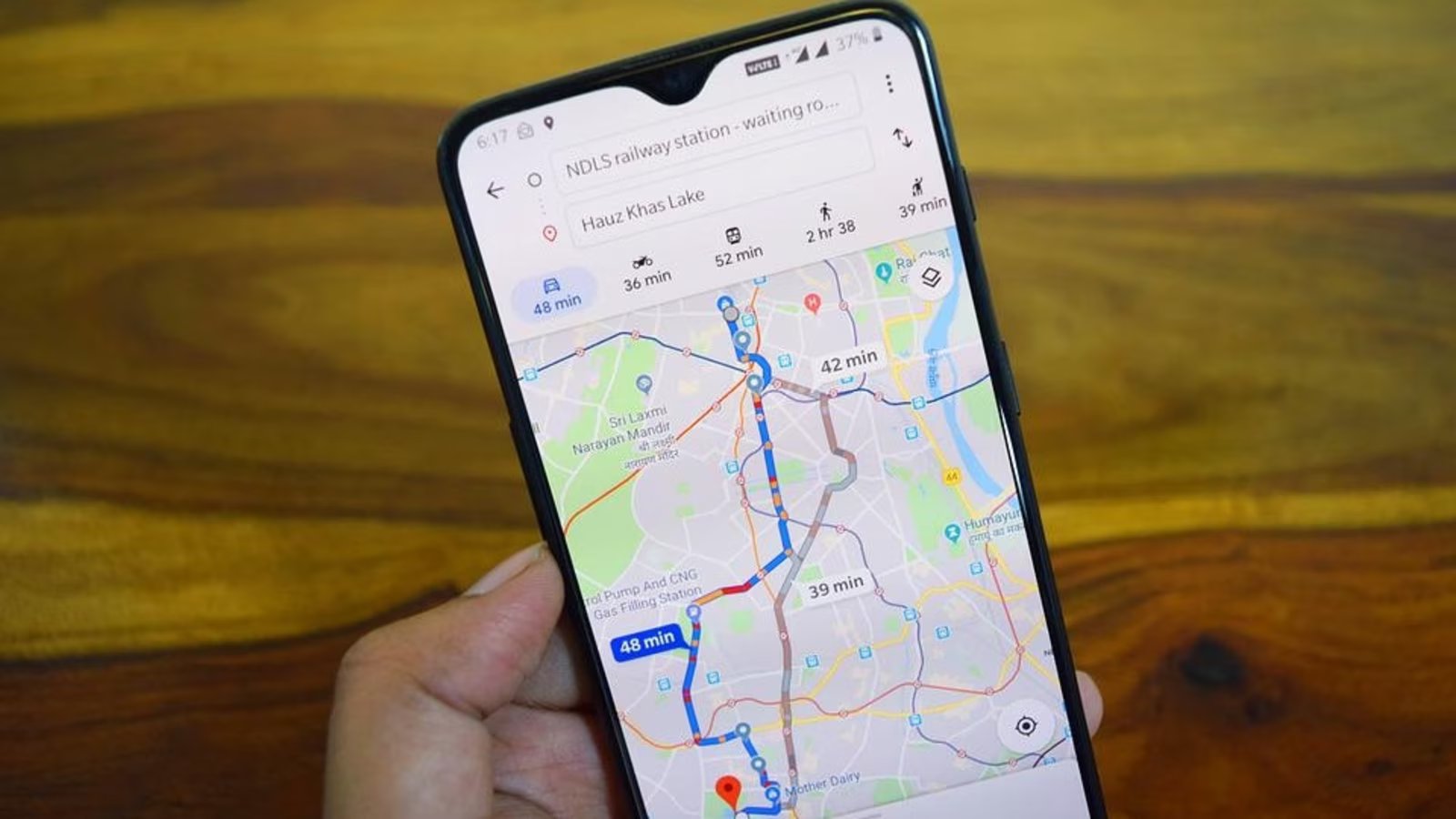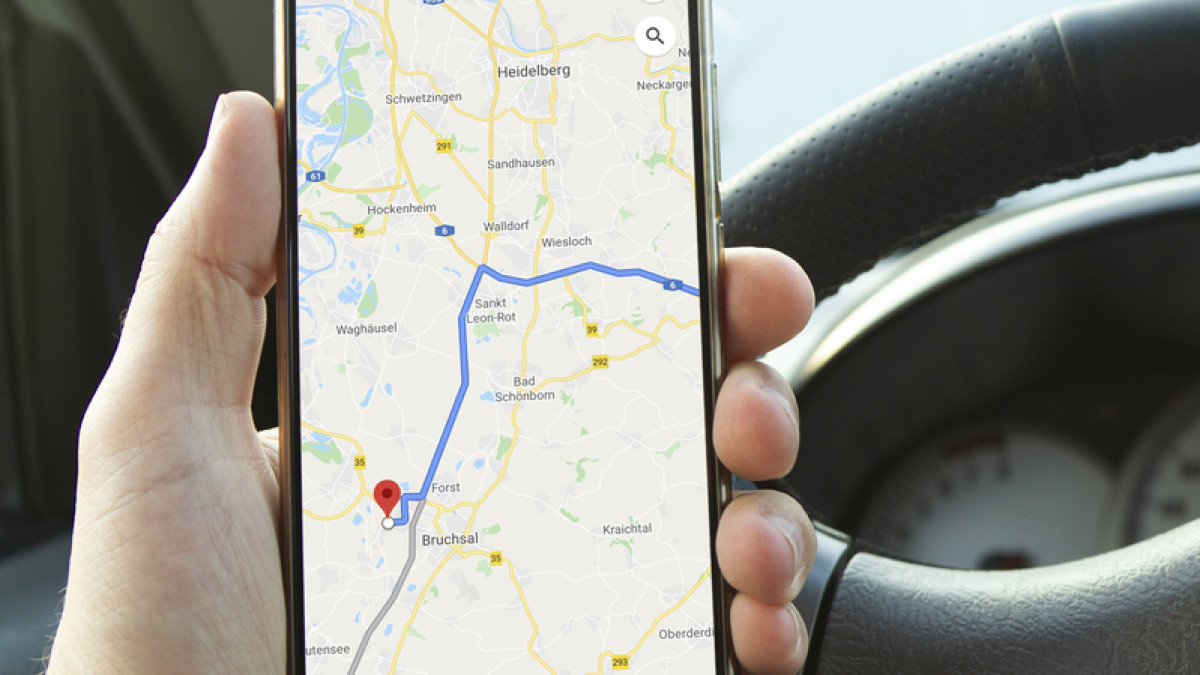





To find someone's location on Android with their consent, use Google Maps Location Sharing for real-time updates or Google's Find Hub to locate a lost device. Both methods are built-in, free, and respect privacy when used properly.
Before you find someone's location on Android
Before you find someone's location on android: A critical disclaimer about the legal and ethical necessity of obtaining consent before tracking another person's device, and a brief overview of when each method is appropriate.
Tracking another person's Android device without their explicit knowledge and consent is illegal in most jurisdictions and violates their privacy. The methods described here are intended for locating a family member's or friend's device with their permission, primarily for safety or coordination. Use Google Maps Location Sharing when you and another person agree to share real-time locations for a specific period. Use Google's Find Hub only to locate a device you own that is lost or stolen. Use Samsung Find for Samsung devices you own or family members who have granted permission. Never use these tools to secretly monitor someone.
Use Google Maps Location Sharing (best for friends and family)
This is the ideal method for voluntarily sharing your real-time location with specific contacts, or viewing a location shared with you. Both parties must have the Google Maps app installed and be signed into their Google accounts.
To share your location
- Open the Google Maps app on your Android device.
- Tap your profile picture or initial.
- Select "Location sharing."
- Tap "New share."
- Choose the duration you want to share your location (for example, 1 hour or until you turn it off).
- Select the contacts you want to share with, then tap "Share."
To view someone's shared location
- Open the Google Maps app.
- Tap your profile picture or initial.
- Select "Location sharing."
- Tap the profile of the person who has shared their location with you. Their real-time location will appear on the map.
You can stop sharing your location at any time by returning to the "Location sharing" menu and tapping "Stop sharing."
Use Google's Find Hub (best for lost devices)
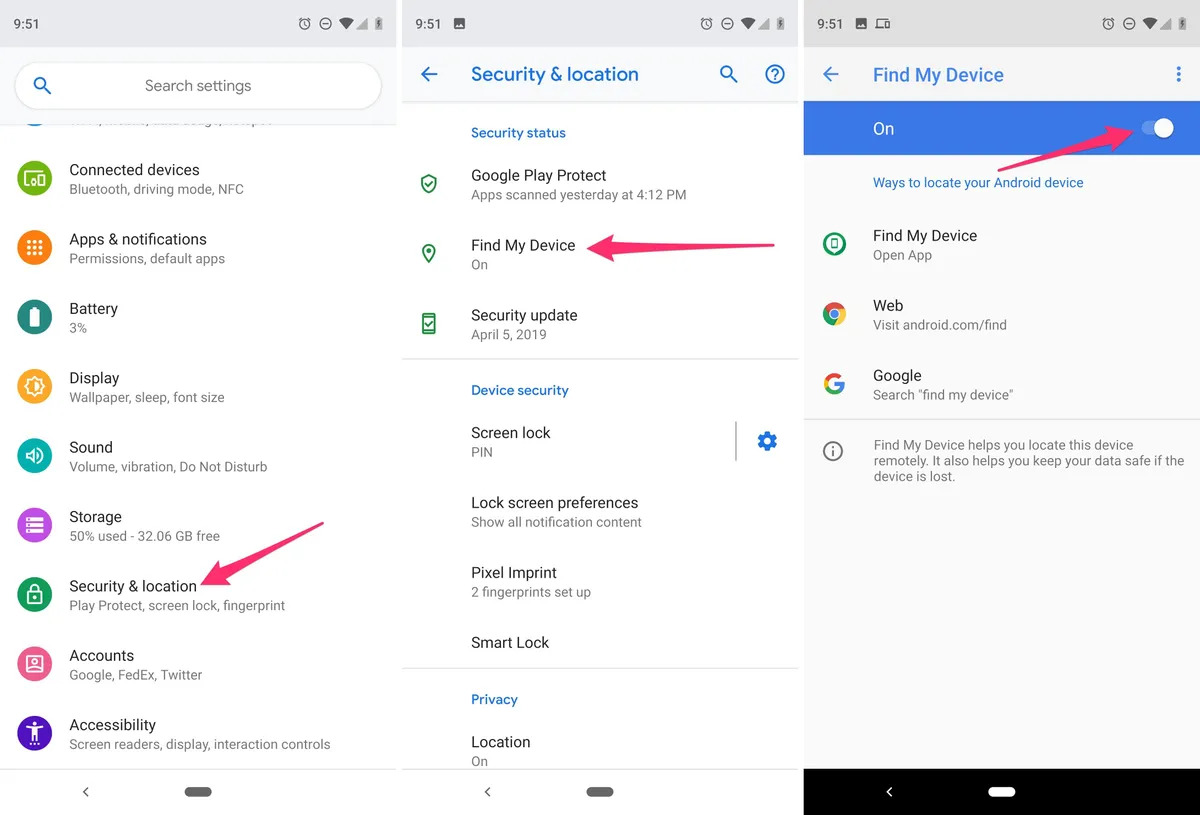
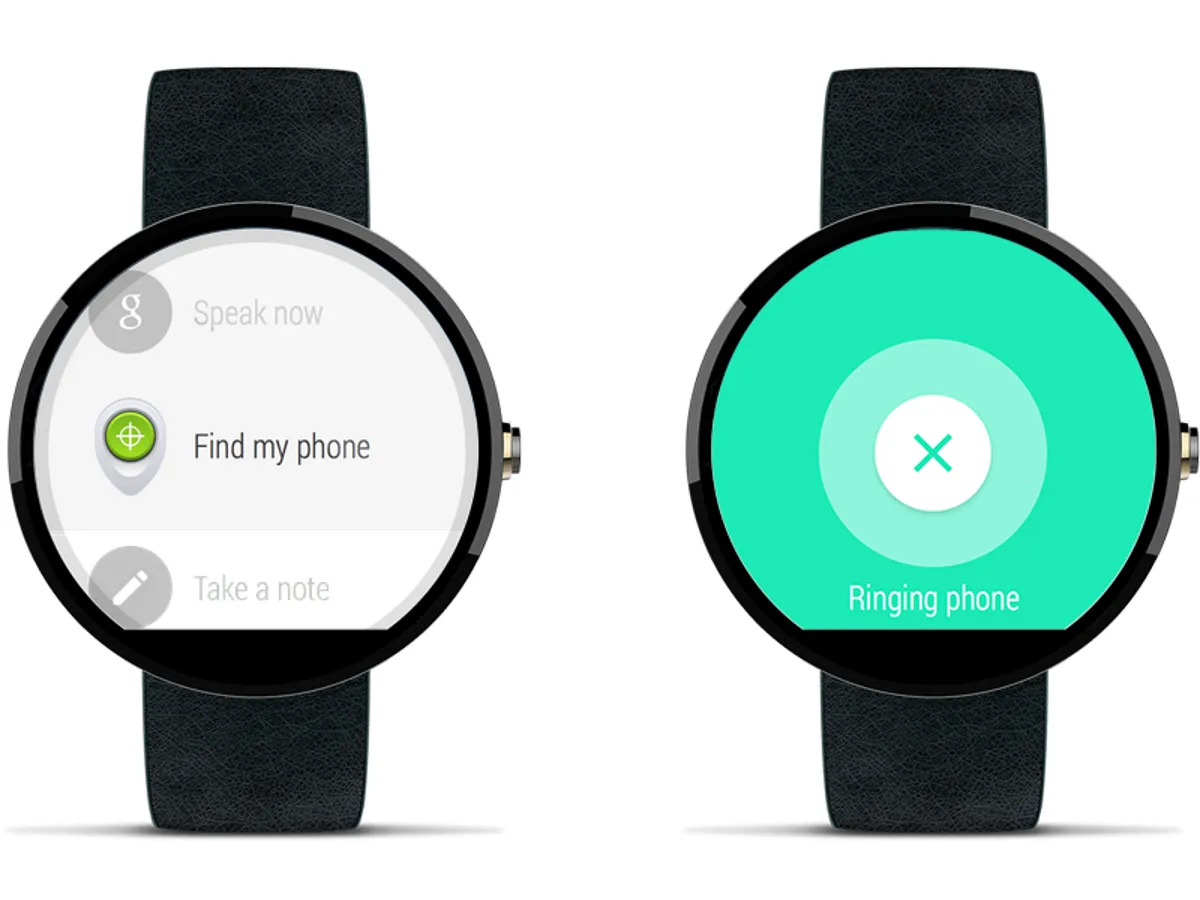
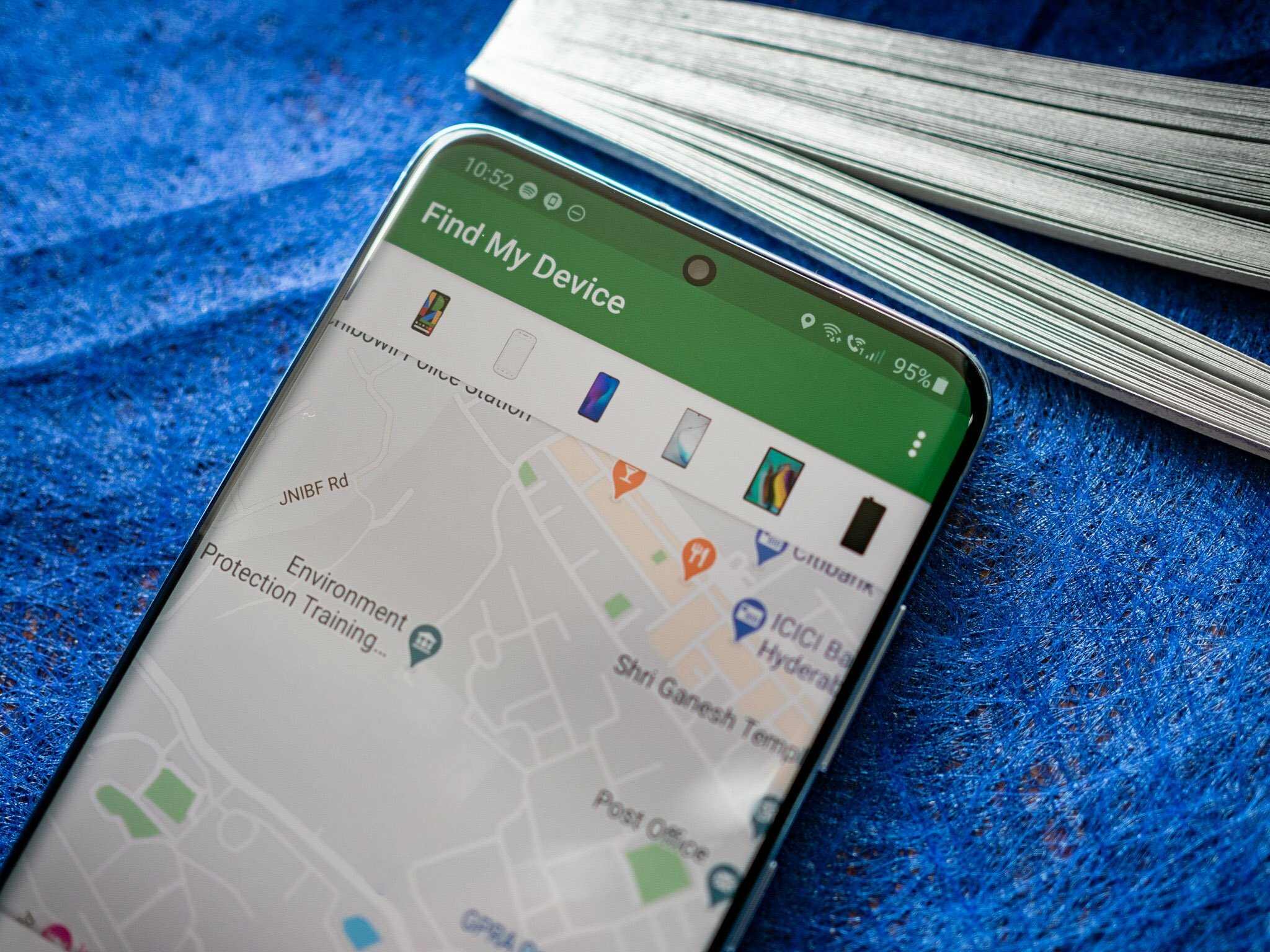
Google's Find Hub (formerly Find My Device) is designed to locate lost or stolen Android devices, as well as other Android items like watches or tracker tags. It is not a tool for tracking another person without their knowledge. The device you want to locate must be signed into a Google account, have Location Services enabled, and have Find Hub turned on in its settings.
Prerequisites
- The device must be running Android OS 9 or above.
- The device must be signed into a Google account.
- Location Services must be enabled on the device.
- Find Hub must be turned on in the device's settings (usually under Settings > Security & location or Settings > Google).
To locate a device
- On a web browser, go to android.com/find, or use the Find Hub app on another Android device.
- Sign in with the same Google account that is linked to the lost device.
- Once located, you will see the device's position on a map.
- You can then make the device play a sound, remotely secure it with a lock, or erase all its data as a last resort.
The Find Hub network can locate devices even without an active internet connection by leveraging a crowdsourced mesh of over a billion Android devices via Bluetooth. This is especially useful when tracking a phone location in areas with no cellular or Wi-Fi signal.
Use Samsung Find (for Samsung users)
Samsung device owners have a dedicated alternative called "Samsung Find." This service allows you to locate your own Samsung devices and, with permission, track family members.
To use Samsung Find
- On your Samsung device, go to Settings.
- Tap your Samsung account name.
- Select "Samsung Find."
- Alternatively, visit findmymobile.samsung.com on a web browser and sign in with your Samsung account.
From there, you can view the device's location on a map, ring it, lock it, or erase its data. This service is specifically for Samsung devices.
Use a third-party location tracking app
For ongoing, consensual location sharing with family or close friends, apps like Life360 or FamiSafe offer features such as real-time location updates, geofencing alerts, and location history. You can also use your mobile network provider's service (e.g., 'Family Locator' or 'Phone Tracker'). Other specific examples include 'Find My Friends' and 'Glympse'. These apps require all parties to install the app and give explicit consent for location sharing. They are not a substitute for the built-in methods and should only be used when both people agree.
Understanding Android location accuracy
Android determines your location using a combination of GPS, Wi-Fi networks, cellular networks, and device sensors. GPS provides the most accurate outdoor location, typically within a few meters. Wi-Fi and cellular networks help improve accuracy indoors or near large buildings where GPS signals may be weak. Android's Location Accuracy service uses all these sources to provide more precise estimates.
Users can grant apps either "approximate location" or "precise location" permissions. On Android 12 and higher, you can choose to grant only approximate location even if an app requests precise. Background location access is restricted on Android 10 and higher, requiring explicit user awareness and justification to preserve battery life and privacy.
Frequently Asked Questions
Can I find someone's location on Android without them knowing?
Technically, some methods exist, but doing so without consent is illegal and unethical. The tools described here require the target device's Google account credentials or active permission sharing. Secretly tracking someone violates their privacy and may have legal consequences.
How accurate is Google Maps Location Sharing?
Accuracy depends on the device's sensors and environment. Outdoors with a clear view of the sky, it is typically accurate to within a few meters. Indoors or in dense urban areas, accuracy may decrease to several dozen meters due to reliance on Wi-Fi and cellular triangulation.
Can I track my lost Android phone using its location?
Yes, you can track your lost Android phone using its location, but the phone must have location services enabled and be connected to the internet. If the device is running Android OS 9 or above and has Find Hub enabled, the Find Hub network can also locate it offline using a crowdsourced mesh of other Android devices via Bluetooth.
What is the difference between Find Hub and Google Maps Location Sharing?
Find Hub is for locating a device you own that is lost or stolen, using the device's Google account. Google Maps Location Sharing is for voluntarily sharing your real-time location with specific contacts, requiring active consent from both parties.
How do I protect my privacy from being tracked on Android?
Control location permissions for each app in your device's settings. Keep location services disabled when not needed. On Android 12 and higher, you can grant only approximate location to apps. Review your privacy settings regularly and update your device's operating system for the latest security features.
Related reading: How To Send A Location Pin On Android.