




Why are cell phones important to us? They provide instant communication from virtually anywhere, serve as a critical lifeline in emergencies, and keep us socially connected even when we are off the grid. This portable, always-on connectivity has replaced the limitations of landline dependency, making it possible to reach anyone at any moment through calls, texts, or satellite messaging.
Why are cell phones important to us for instant communication
The fundamental reason cell phones are indispensable is their ability to connect people instantly, regardless of location. Unlike traditional landline phones that tethered you to a wall, cell phones offer portable, always-on connectivity. You can make a voice call, send a text message, or use a messaging app with a simple tap, whether you are at home, on a commute, or traveling abroad. This shift means you are never out of reach for work, family, or social plans. Modern devices also support satellite messaging, which extends communication beyond cellular towers. On iPhone 14 or later models, Apple documents that you can use satellite features to text emergency services, request roadside assistance, message friends and family, and share your location when you have no cellular or Wi‑Fi coverage. This capability ensures that even in remote areas, you can stay in touch. For everyday use, cell phone facts and usage tips highlight that the combination of voice, video, and text channels gives you the flexibility to choose the best method for each conversation, making communication faster and more convenient than ever before.
The critical role of cell phones in emergency situations
Cell phones are often the difference between getting help quickly and facing a dangerous delay. Each major manufacturer includes specific, documented emergency features that are easy to activate and can be life-saving.
On iPhone, Emergency SOS can be triggered by pressing and holding the side button and either volume button until the sliders appear, or by turning on the setting at Settings > Emergency SOS > Call with 5 Presses. This feature is available on iPhone 14 or later (all models) and allows you to call emergency services even without cellular service. For situations where you are completely off the grid, Apple’s Emergency SOS via satellite lets you text emergency services. You can test this feature by going to Settings > Emergency SOS > Try Demo. The satellite feature is available on iPhone 14 or later, with minimum iOS versions depending on your region: U.S. and Canada require iOS 16.1 or later; France, Germany, Ireland, and the U.K. require iOS 16.2 or later; Japan requires iOS 17.6 or later; Mexico requires iOS 18.4 or later; Andorra and Iceland require iOS 26.4 or later; and other countries have their own version requirements. If you see SOS or SOS only in the status bar, your device is not connected to a cellular network, but emergency calls can still go through other carrier networks in Australia, Canada, and the United States.
On Samsung Galaxy phones, Emergency SOS is activated by pressing the Side button five times in a row. The setup path is Settings > Safety and emergency > Emergency SOS, where you can configure controls including Require swipe to call, Countdown, Play warning sound, Emergency number to call, and Send SOS to emergency contacts. Samsung also documents an alternative path on another support page: Settings > Advanced features > Send SOS message.
On Android devices, Google’s Help page lists a set of communication-and-safety tools in one place, including Use Emergency SOS to call for help, alert your contacts & record videos, Share your location with your emergency contacts, Send your location automatically, and Schedule a Safety Check. These features ensure that whether you are in a car accident, lost on a hike, or facing a natural disaster, your phone can automatically alert others and share your precise location.
How cell phones keep us socially connected
Cell phones have transformed social interactions by allowing you to share moments in real-time and maintain connections across distances. With instant messaging, video calls, and social media apps, you can send a photo of a vacation spot, participate in a group chat, or have a face-to-face video conversation with a friend on another continent. Apple documents that iPhone satellite messaging can be used to message friends and family when off the grid, which supports staying in contact even in areas without cellular coverage. You can try this feature before you need it by going to Settings app > Apps > Messages > Satellite Connection Demo. This capability means that a camping trip or a flight to a remote destination does not have to mean a break in communication with your loved ones.
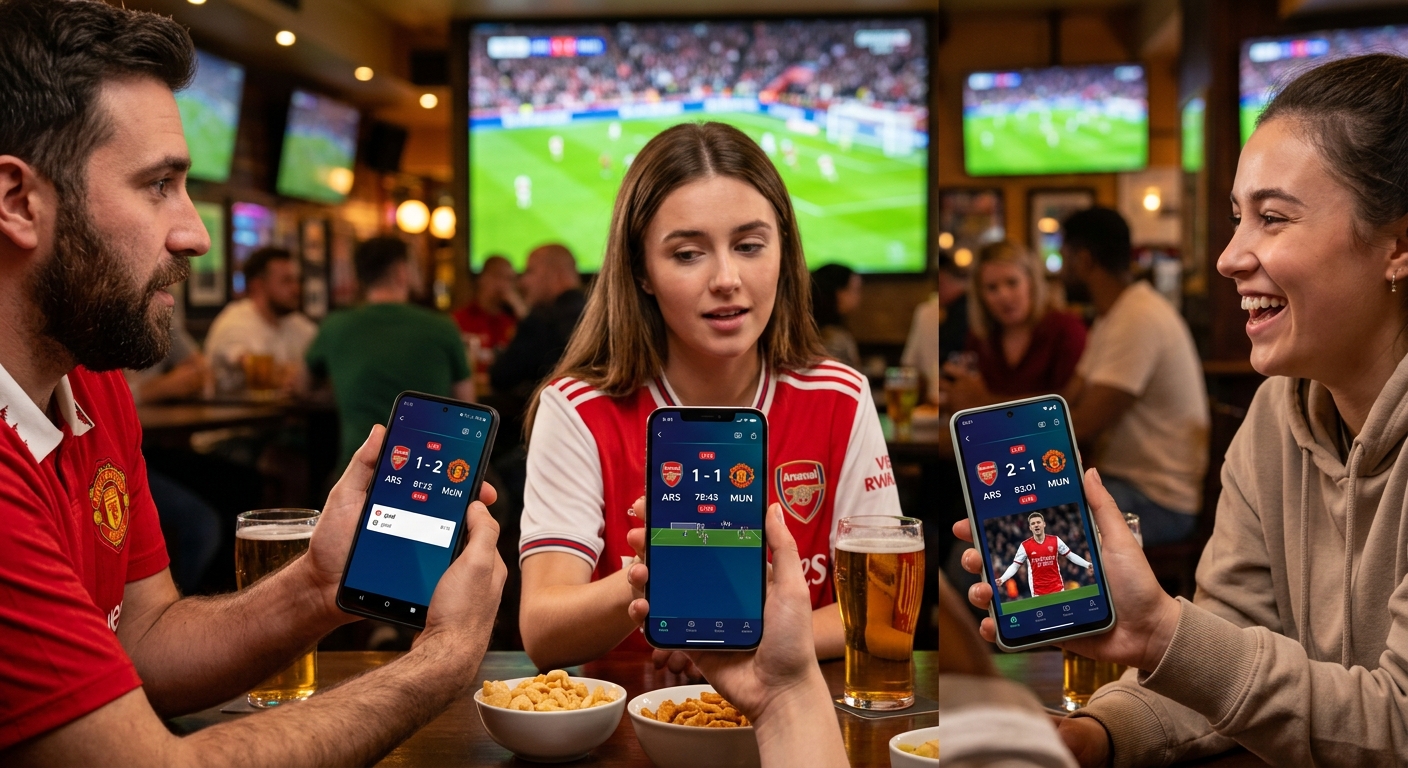
However, the constant connectivity that cell phones provide also requires balance. The ease of reaching someone anytime can sometimes distract from face-to-face engagement. It is common to see people at social gatherings glancing at their devices, a behavior that can reduce empathy and the quality of in-person conversations. The key is to use cell phones to enhance relationships, by sharing experiences, coordinating meet-ups, and staying updated, without letting them replace the depth of direct interaction. When used mindfully, cell phones strengthen social bonds by making it effortless to stay in touch, organize events, and feel connected to a larger community.
Frequently Asked Questions
Can I use my cell phone for emergency calls without a SIM card?
Yes, in many regions, including the United States, Canada, and Australia, you can still dial emergency services even if your phone has no SIM card or is not connected to a cellular network. The phone will attempt to connect to any available carrier network to complete the call.
How do satellite features on a cell phone work for everyday messaging?
Satellite messaging is designed for situations where you have no cellular or Wi-Fi coverage. On iPhone 14 or later, you can use it to text friends and family or share your location. You can test the feature by going to Settings > Apps > Messages > Satellite Connection Demo to see how it works before you need it.
What are the main health concerns with cell phone use?
Extensive scientific research has not found conclusive evidence linking cell phone use to adverse health effects from electromagnetic radiation. To reduce exposure, you can use hands-free devices, keep the phone away from your body when not in use, and limit prolonged calls.
How do cell phones improve productivity in daily life?
Cell phones act as personal assistants with calendars, reminders, email, task management apps, and file-sharing tools. They allow you to work from anywhere, collaborate with colleagues in real-time, and access important documents, making it easier to stay organized and meet deadlines.
What key features should I consider when buying a cell phone for safety?
Look for built-in emergency SOS features (such as the five-press Side button on Samsung or the side button and volume button combination on iPhone), satellite messaging capability on newer models, and location-sharing tools. Also consider battery life, as a dead phone cannot help in an emergency, and ensure the device supports the latest emergency alert systems in your region.
Related reading: What Are The Two Main Types Of Cell Phones?.