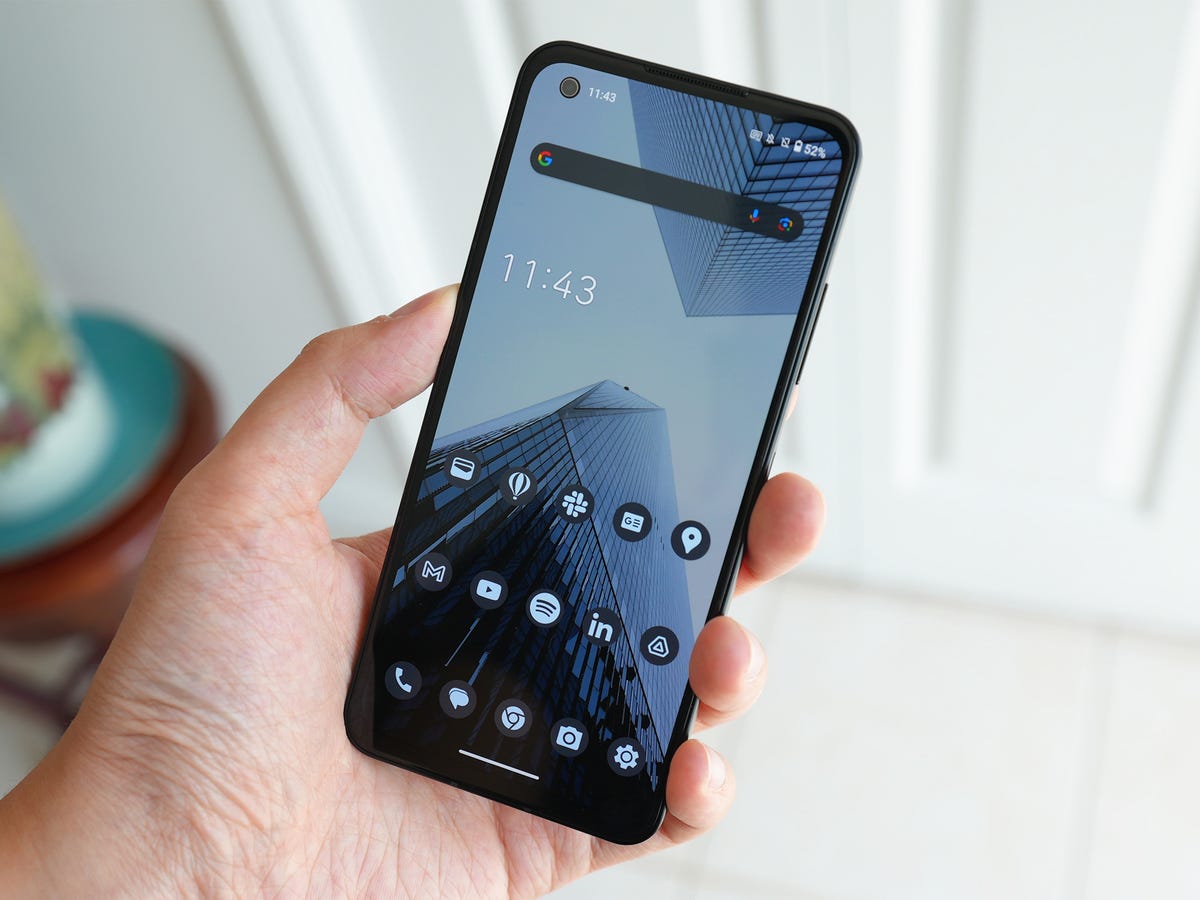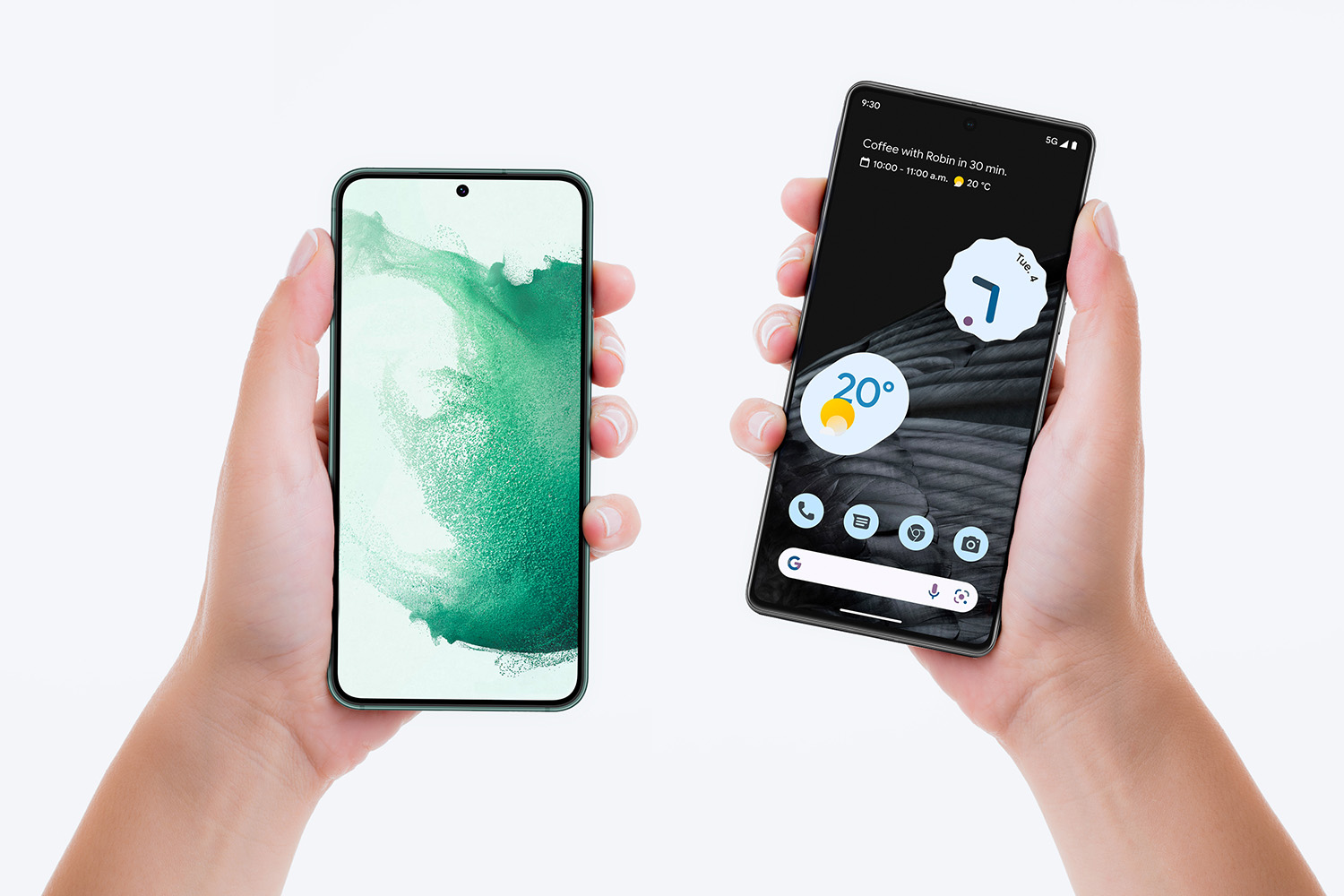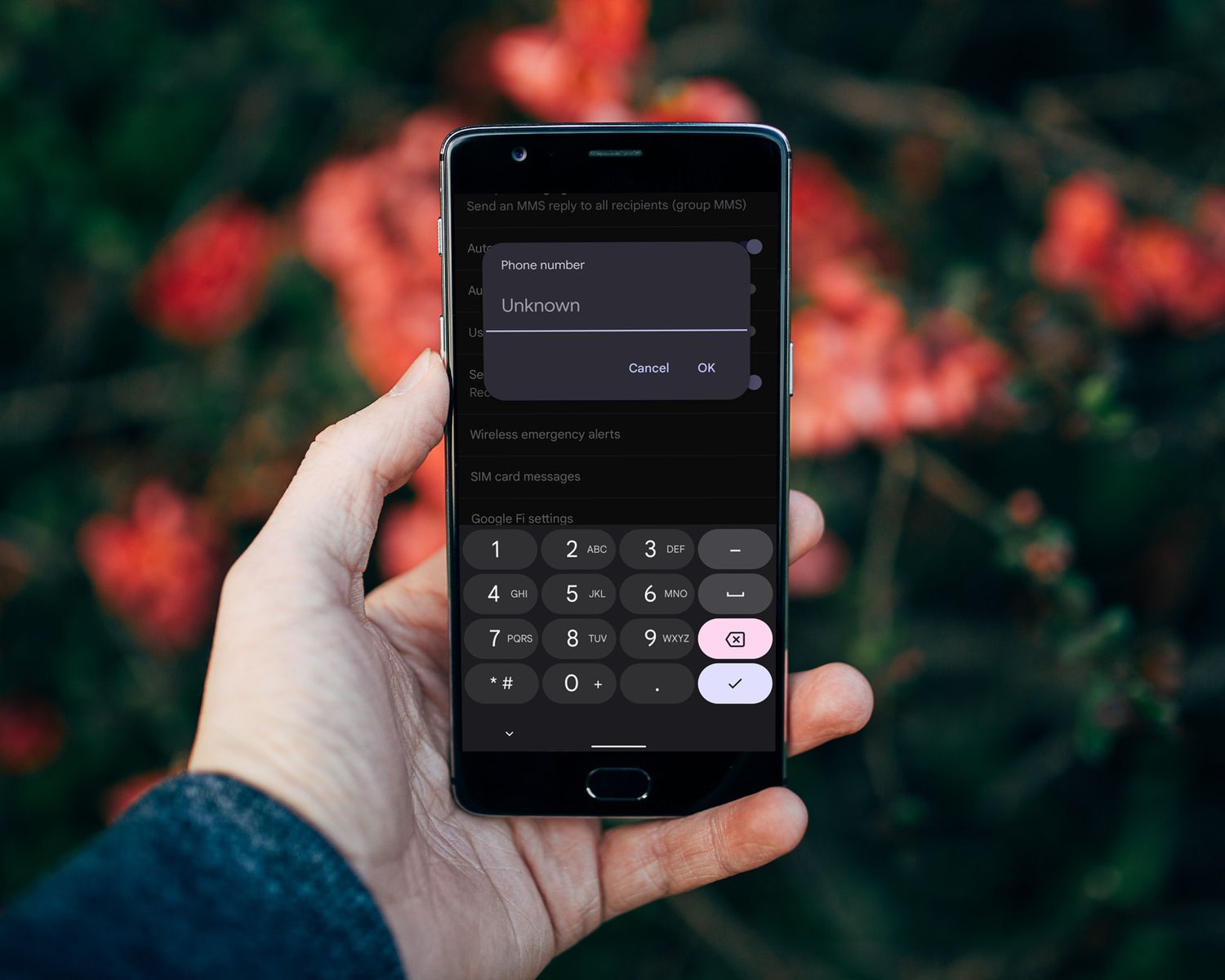




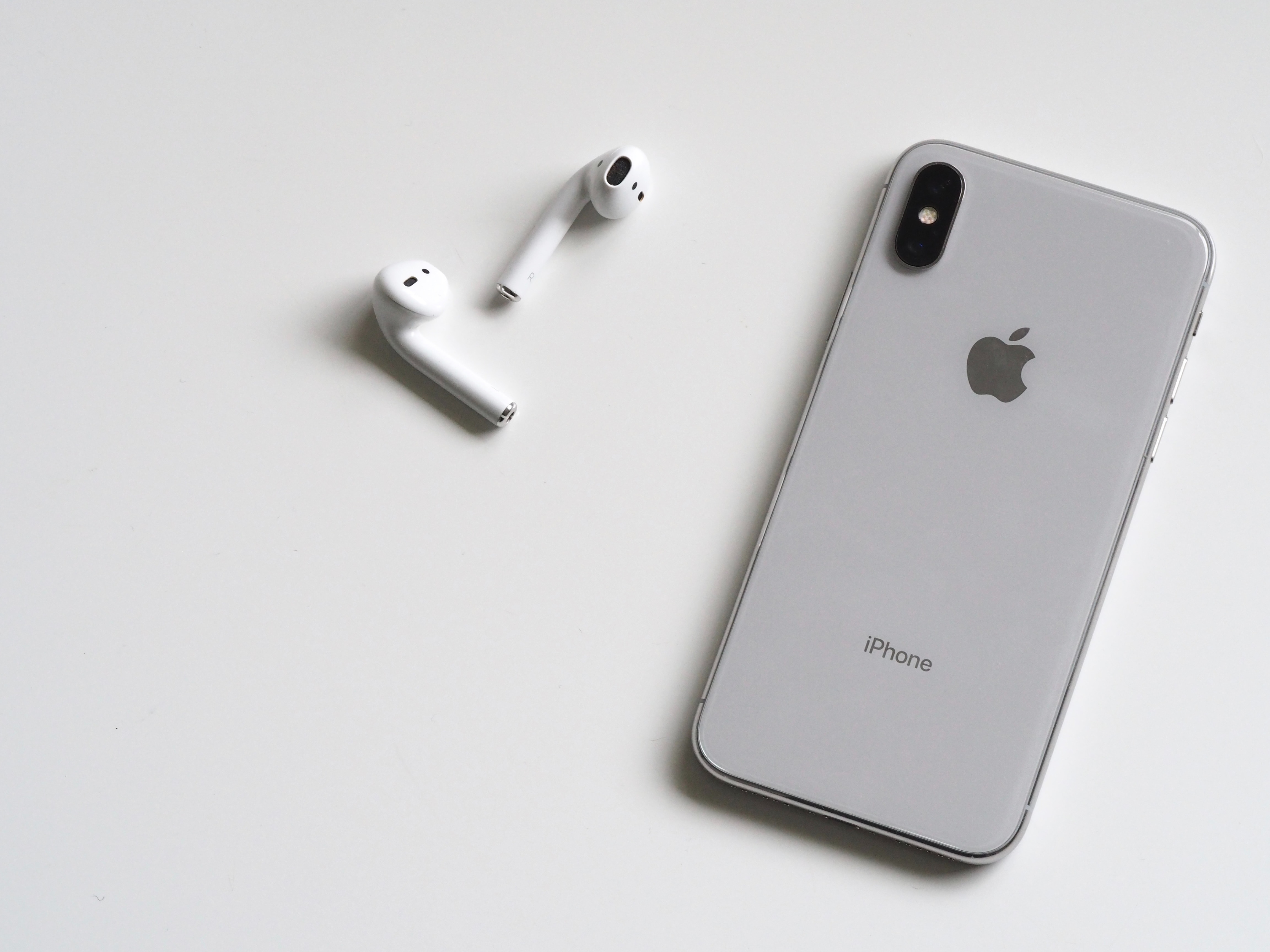
In Britain, what the British call cell phones are mobile phones, or simply mobiles. The American term "cell phone" is understood but is not the usual British English term and is considered an Americanism.
What do British call cell phones?
The direct answer is that British people call them mobile phones or mobiles. This is the universally used and officially documented term across the UK. If you are writing or speaking in British English, "mobile phone" is the safest and most accurate choice for any consumer-tech article covering mobile phone basics and how they work.
Why 'mobile' and not 'cell'?
The linguistic difference comes from the root technology each term describes. The British term "mobile phone" is short for "mobile telephone," which emphasizes the device's portability. In contrast, the American term "cell phone" derives from the network's "cells", the geographic zones that radio towers cover. Both terms are technically accurate, but British English standardized on the "mobile" root, while American English standardized on the "cell" root. The term 'cellular phone' or 'cellular' is still recognized and understood in the UK, though less common than 'mobile phone'. The first UK cellular network was TACS (Total Access Communication System), launched by British Telecom in 1985. The introduction of the GSM standard in the early 1990s revolutionized the UK mobile phone industry.
Is there any other British slang for a phone?
While informal slang exists, "mobile" is the only universally used and officially documented term in the UK. You may occasionally hear "blower" in Cockney rhyming slang (short for "dog and bone," which rhymes with "phone"), but this is not common in everyday use. Other regional terms like "moby" in Scotland or "telly" in parts of Northern England exist but are far less prevalent than "mobile." For any formal or official context, "mobile phone" is the correct term. Older mobile phones were often referred to as 'brick phones' due to their bulky and rectangular shape. The Nokia 3310, launched in 2003, became a cultural phenomenon and synonymous with mobile phones for many Britons.
Official terminology in UK tech support
Official support pages from Apple UK and Google UK exclusively use "mobile phone," "iPhone," or "Android phone." Google's UK Android help pages document settings paths such as opening the Phone app > More > Settings > Calls > Assisted dialing > Default home country, then choosing a country and tapping Save, or turning off Assisted dialling. They also document Clear calling under Settings > Sound and vibration > Clear calling.
Frequently Asked Questions
Do British phone settings use a different word for the device?
No. The interface on iPhones and Android phones in the UK does not change the word "phone" to "mobile" or any other term. The settings menus use the same generic terms as in other English-speaking regions.
What is the format of British mobile numbers?
British mobile numbers begin with the prefix "07" for domestic calls or "+447" for international calls.
Is "cell phone" ever used in the UK?
Yes, but it is understood as an American term. You might hear it in media imported from the US or from people who have spent time in North America, but it is not the standard British term.
Do British people use "handset" to mean mobile phone?
Sometimes, but "handset" is more commonly used by industry professionals or in technical contexts to refer to the physical device itself. In general conversation, "mobile" is far more common. The term 'handset' can encompass both mobile phones and landline phones, so context is important.
Why don't British people just say "phone"?
They do, frequently. "Phone" is a generic term that can refer to a landline or a mobile. But when specifying the type of device, they say "mobile."
Related reading: How To Call England Cell Phone and Do Australians Say Mobile Or Phone?.