
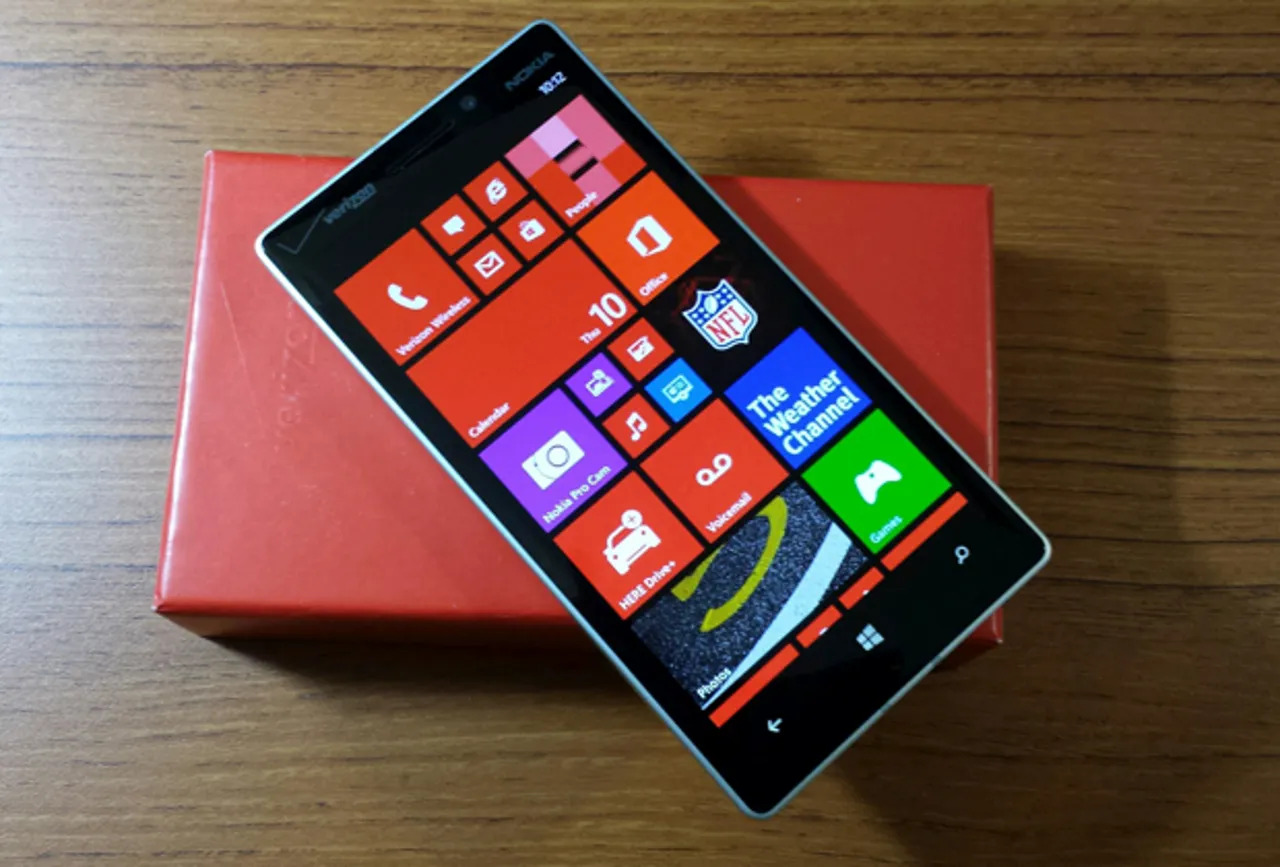
Are you considering purchasing a new mobile phone? You may have heard about the Lumia or Windows Phone and are curious if it’s the right choice for you. In this article, we will explore the reasons why you should think twice before buying a Lumia or Windows Phone. While these devices may have some appealing features, there are several limitations and drawbacks that you should be aware of. From a lack of app availability to limited customization options, we’ll delve into the downsides of the Lumia and Windows Phone. So, before you make your decision, let’s take a closer look at why these phones may not be the best choice for you.
Inside This Article
- Lack of App Variety
- Limited Customization Options
- Hardware Limitations
- Uncertain Future Updates
- Conclusion
- FAQs
Lack of App Variety
One of the major drawbacks of using a Lumia or Windows Phone is the limited variety of apps available. While popular apps like Facebook, Instagram, and WhatsApp are generally available, there is a noticeable lack of options when compared to other mobile platforms like Android or iOS.
This limitation is primarily due to the fact that Windows Phone has a smaller user base compared to its competitors. As a result, developers often prioritize creating and updating apps for platforms with a larger market share. Consequently, users of Lumia or Windows Phone can find themselves missing out on the latest apps and features.
Furthermore, some app developers have chosen not to release their apps on the Windows Phone platform altogether. This means that certain popular apps or services may simply not be available to Lumia or Windows Phone users.
This lack of app variety can be frustrating for users who rely heavily on certain apps for productivity, communication, or entertainment. It may also limit the overall functionality and user experience of the device.
While Windows Phone offers some alternatives and a dedicated app store called Microsoft Store, the overall app ecosystem is still not as robust as its competitors. This can make it challenging for Lumia or Windows Phone users to find suitable replacements for apps that are not available on the platform.
It’s important for users considering a Lumia or Windows Phone device to carefully evaluate their app needs and preferences. If access to a wide range of apps is a priority, they may need to consider alternative mobile platforms that offer a more extensive app selection.
Limited Customization Options
When it comes to personalizing your mobile phone experience, having the freedom to customize various aspects of your device is essential. Unfortunately, if you’re considering a Lumia or Windows Phone, limited customization options are a significant drawback.
Unlike other operating systems like Android or iOS, Windows Phone has a more restrictive approach to customization. You’ll find yourself limited in terms of changing the device’s appearance, including the home screen, icon layouts, and system-wide themes. This can be frustrating for those who enjoy expressing their unique style through their mobile device.
Furthermore, adjusting settings and preferences to suit your specific needs may also prove challenging. Windows Phone often lacks the extensive array of customization settings found on other platforms, leaving you with less control over the overall user experience. Whether it’s the font size, notification sounds, or even the arrangement of system menus, the options can be disappointingly limited.
Another aspect where Windows Phone falls short in terms of customization is in the lack of third-party launchers and widgets. These tools often allow users to completely change the look and feel of their home screen, adding functionality and enhancing personalization. Unfortunately, Windows Phone lacks support for such customization tools, resulting in a more static and uniform interface.
Additionally, the inability to fully personalize your Windows Phone device extends to its lock screen. Unlike other platforms that allow users to choose from a wide range of lock screen options, Windows Phone has limited choices. This means you might find yourself stuck with a generic lock screen design that lacks the personal touch you desire.
Ultimately, if you value the freedom to customize every aspect of your mobile phone experience, a Lumia or Windows Phone may not be the most suitable option for you. The limited customization options can stifle your creativity and leave you feeling restricted in expressing your personal style.
Hardware Limitations
When it comes to choosing a mobile phone, one of the crucial factors to consider is its hardware capabilities. Unfortunately, Windows Phone devices, such as the Lumia series, have been known to have certain hardware limitations that can impact the user experience.
One of the main limitations is the lack of high-end hardware options. Compared to other mobile operating systems, Windows Phone devices generally offer lower specifications in terms of processor speed, RAM, and storage capacity. This can result in slower performance and limited multitasking capabilities.
Another hardware limitation is the absence of expandable storage. Unlike many Android devices or iPhones that allow users to expand their storage via a microSD card, most Windows Phone devices have fixed internal storage. This means that once you reach the storage limit, you’ll need to start deleting files or apps to free up space.
In addition, Windows Phone devices typically have smaller app repositories compared to Android or iOS. While popular apps like Facebook and Instagram are available on the Windows Store, there may be some niche or region-specific apps that are not supported. This limited app availability can be a drawback for users who rely on specific apps for their daily needs.
Furthermore, the camera capabilities of Windows Phone devices have often been criticized for lagging behind those of competing platforms. While recent Lumia models did introduce improvements, they still fall short in terms of overall camera performance and features compared to flagship Android devices or iPhones.
Lastly, Windows Phone devices have historically faced compatibility issues with certain peripherals and accessories. This means that some popular accessories, such as smartwatches or Bluetooth devices, may not be fully compatible or may require additional troubleshooting to function properly.
Overall, while Windows Phone devices like the Lumia series offer a unique and user-friendly operating system, the hardware limitations can be a significant factor to consider. If you prioritize aspects like top-of-the-line performance, abundant storage options, extensive app support, and seamless peripheral connectivity, you may find more suitable alternatives in other mobile platforms.
Uncertain Future Updates
One of the major drawbacks of investing in a Lumia or Windows Phone is the uncertain future updates. Microsoft has been less proactive in updating and improving their mobile operating system compared to its competitors like Android and iOS. This lack of consistent updates means that Lumia users may be left with outdated software and missing out on important features and security patches.
Windows Phone user interface, known as Live Tiles, has also seen a decline in support and development. Many popular apps have stopped releasing updates for Windows Phone, making it difficult for users to access the latest features and improvements. With fewer app developers focusing on the Windows Phone platform, the future of app availability and compatibility becomes uncertain.
Microsoft’s shift in its mobile strategy has further contributed to the uncertainty surrounding the future of Lumia devices. The company has shifted its focus towards Windows 10, a unified platform for both desktop and mobile devices. This shift indicates that the future of Lumia devices may be dependent on the success and adoption of Windows 10, which brings further uncertainty for users.
Moreover, Microsoft has officially ended support for Windows 10 Mobile, the latest iteration of their mobile operating system. This means that Lumia users will not receive any further updates or security patches, leaving their devices vulnerable to potential security risks.
Conclusion
After a thorough analysis of the pros and cons, it is evident that buying a Lumia or Windows Phone may not be the best decision for most consumers. While the devices offer unique features and a user-friendly interface, they are limited in terms of app availability and ecosystem support. Additionally, with the discontinuation of Windows Phone by Microsoft, the future of these devices seems uncertain.
If you are seeking a seamless and extensive app experience, along with a thriving ecosystem and frequent software updates, it is advisable to consider other options such as Android or iOS devices. These platforms offer a wide variety of apps, a strong developer community, and consistent software support, ensuring a more satisfying and comprehensive mobile phone experience.
Ultimately, the choice of a mobile phone should be based on individual preferences and requirements. It is important to thoroughly evaluate your needs and research the available options before making a final decision. By considering factors such as app support, ecosystem longevity, and software updates, you can find a phone that aligns perfectly with your needs and enhances your everyday mobile experience.
FAQs
-
Is it a good idea to buy a Lumia or Windows Phone?
It really depends on your personal preferences and needs. While Lumia and Windows Phone have their own unique features and advantages, they may not be the best choice for everyone. They have a smaller app ecosystem compared to Android and iOS, which means you may not find all the apps you need. Additionally, Microsoft has officially ended support for Windows Phone, which means no more software updates or security patches. If you prioritize a wide range of apps and the latest technology, you may want to consider other options. -
Are Lumia and Windows Phone still available for purchase?
While Lumia devices and Windows Phone are no longer being actively developed or supported by Microsoft, you may still be able to find them available for purchase from third-party sellers or online marketplaces. However, it’s important to note that without ongoing support and updates, the overall user experience may become limited over time. -
Can I transfer my data from a Lumia or Windows Phone to a different device?
Yes, it is possible to transfer your data from a Lumia or Windows Phone to another device. You can use various methods such as backing up your data to a cloud storage service, transferring files via USB cable, or utilizing software tools specific to your new device’s operating system. It’s always recommended to research and follow the device manufacturer’s instructions for a smooth and hassle-free data transfer process. -
What are some alternative options to Lumia or Windows Phone?
If you’re looking for alternative options to Lumia or Windows Phone, you can consider devices running on other popular operating systems like Android or iOS. Android-based smartphones offer a wide range of choices, from budget-friendly options to premium flagship devices, and have a vast app ecosystem. iOS devices, on the other hand, provide a seamless integration with other Apple products and a user-friendly interface. It’s advisable to explore different brands and models to find the one that suits your needs and preferences the best. -
Should I sell my Lumia or Windows Phone if I’m no longer using it?
If you no longer use your Lumia or Windows Phone and have transitioned to a different device, selling it can be a reasonable option. While the value of older Windows Phone devices may have decreased due to lack of support, you may still find interested buyers who prefer the Windows Phone experience or are seeking a budget-friendly option. Before selling, make sure to wipe any personal data from the device and consider researching the current market value to set a fair price.
