




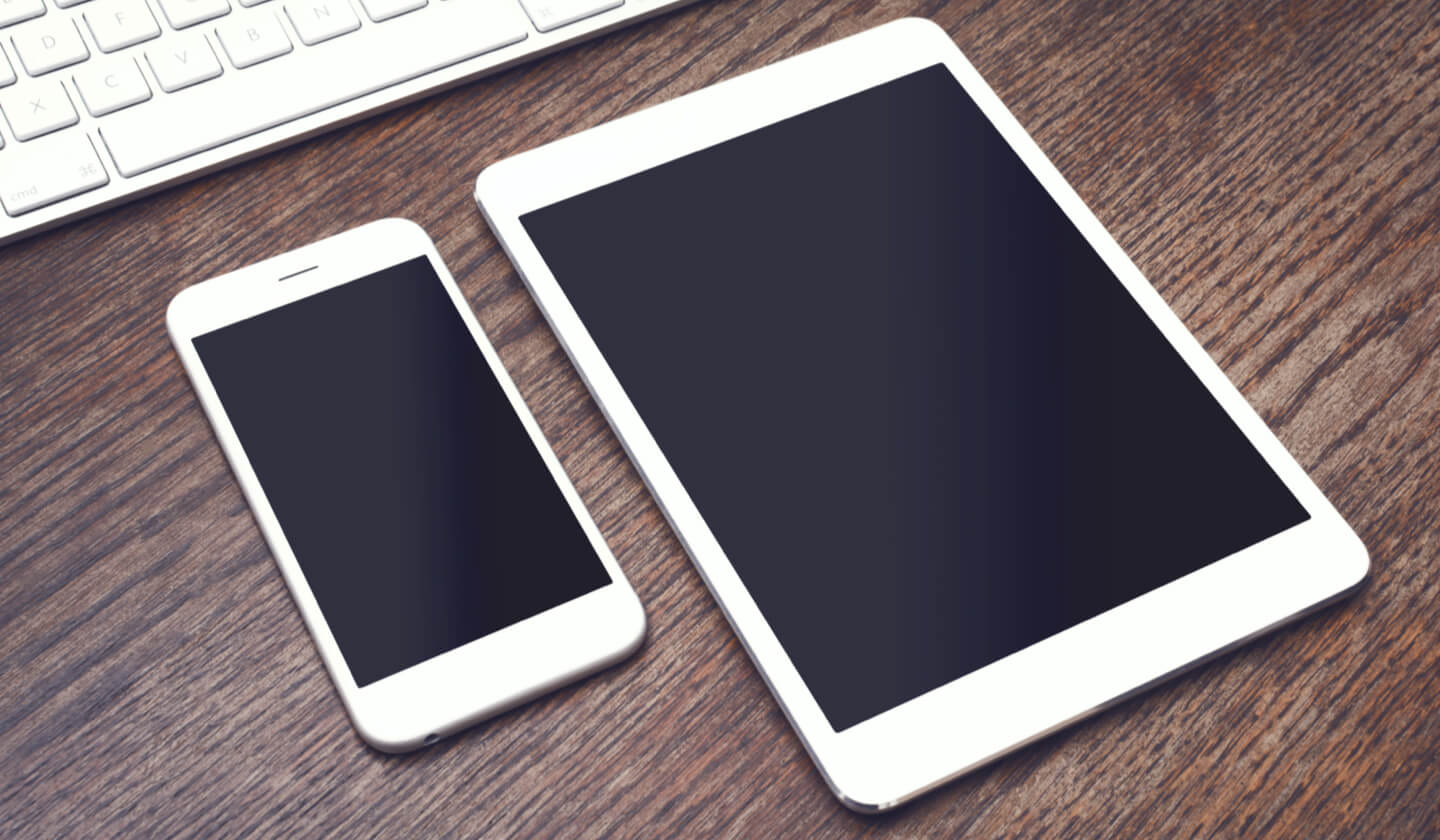
Yes, a tablet is a mobile device in the broad sense used by Apple and Google support, but it is not a mobile phone. This distinction matters for your purchase decision because it determines whether you can use the device for cellular calls and data, and it shapes how you'll get support and find your device's specifications.
Is a tablet a mobile device or a phone?
A tablet is a mobile device because it is portable, runs on a mobile operating system, and connects wirelessly, but it is not a mobile phone. The term "mobile device" is a broad category that includes phones, tablets, and watches, while "mobile phone" specifically refers to a device designed primarily for cellular voice calls and text messaging. Apple treats the iPad as its tablet product line, and Google's Android help groups phones, tablets, and watches as Android devices, confirming that tablets are mobile devices without being phones.
How Apple and Google define a tablet
Apple's iPad support page identifies the iPad as a distinct product line, separate from the iPhone, and provides model information through Settings or the back of the device. Google's Android Help refers to tablets as devices under Android help, directing users to either Android help or device-manufacturer help for phones, tablets, watches, and more. Google's support distinguishes device types in help categories, but still groups tablets under Android devices rather than treating them as phones. No source retrieved here documents a tablet-specific app or carrier feature with version cutoffs, regional limits, or model exclusions for the 'tablet vs mobile' distinction.
Key similarities between tablets and phones
Tablets and phones share several core traits that place them in the same mobile-device family. Both are designed for portability, feature touchscreen interfaces, and offer wireless connectivity through Wi-Fi and Bluetooth. Google's Android Help groups phones and tablets together for help, settings, and support topics, and the same general support path applies to both: open Settings > About phone, then use Model & hardware for manufacturer info or SIM status for carrier info when available. Apple also keeps iPad device identification in Settings or on the back of the device, which parallels how other mobile devices expose model information in system settings. Both devices provide access to extensive app ecosystems and deliver strong multimedia capabilities, making them versatile tools for communication, entertainment, and productivity.
The crucial difference: cellular service
The main practical distinction between tablets and phones is cellular service. Google's support says carrier help applies to cellular issues such as phone calls, voicemail, mobile data, or other services, which means carrier support is relevant only for tablets with cellular capability, not Wi-Fi-only tablets. A Wi-Fi-only tablet cannot make traditional phone calls or use mobile data networks, while a cellular-capable tablet can, though it may not offer the same convenience as a phone for daily voice communication. Google says carrier help is for cellular connectivity issues, not hardware issues; hardware issues should go to the device manufacturer. Google says software issues such as Android settings, Bluetooth, and sharing can be handled through the Android Help Center or community.
How to find your tablet's model number
Finding your tablet's model number is straightforward, and the process differs slightly between Android and iPad devices. For an Android phone or tablet, follow these steps:
- Open Settings.
- Tap About phone.
- Select Model & hardware for manufacturer info, or check SIM status and look under Network for carrier info when available.
Android phone or tablet: Settings > About phone > SIM status > check under Network for carrier info. For an iPad, you can find the model number in Settings or on the back of the device, then use Apple's model lookup pages to identify the specific model.
Final verdict on tablets as mobile devices
Tablets are mobile devices in the general-device sense, but they are not mobile phones. Official support pages from Apple and Google treat tablets as separate device categories while still including them under broader mobile-device support, and neither company documents a rule that all tablets are mobile phones. When choosing between a tablet and a phone, consider your priorities: if portability and communication features are most important, a phone may be the better fit, but if you want a larger screen for media consumption, gaming, and productivity, a tablet offers distinct advantages. For those new to the category, understanding the difference is part of the broader mobile phone basics and how they work, which can help you decide which device best suits your daily needs.
Frequently Asked Questions
Can I make phone calls on a tablet?
Most tablets do not come with traditional calling capabilities, but some cellular-capable models can make calls using internet-based Voice over Internet Protocol (VoIP) services. You can also use messaging and video calling apps on any tablet with an internet connection.
What operating systems are commonly found on tablets?
Tablets run on a variety of operating systems, including iOS on Apple iPads, Android from numerous manufacturers, and Windows for specific tablet models. Each operating system offers its own features and app ecosystem, so your choice depends on your preferences and device compatibility.
Can a tablet replace a laptop?
Tablets excel at content consumption like browsing, watching videos, reading, and playing games, but they may not fully replace a laptop for tasks requiring extensive text input or complex software. Many users find a tablet works best as a secondary device for on-the-go productivity alongside a laptop.
Do tablets have better battery life than phones?
Tablets typically have larger batteries than phones due to their bigger size, which often results in longer battery life for similar tasks. However, actual battery performance depends on the specific model, screen brightness, and how you use the device.