



Napster is now an AI agent platform and a multi-device music app, not just the file-sharing service it was in 1999. Its January 2026 redesign for iOS and Android centers on AI-generated content and real-time creation tools, making it a tool for deploying AI companions with persistent memory, video presence, and real-time voice.
What is Napster today?
Napster’s current public description identifies it as an AI agent platform that lets organizations and individuals deploy specialized AI companions. These companions feature persistent memory, video presence, and real-time voice capabilities. The January 2026 news page confirms the app was redesigned for iOS and Android around AI-generated content and real-time creation tools, and it is available worldwide on those platforms.
What devices support Napster?
Napster is available on a wide range of devices. The App Store listing specifies support for mobile, tablet, desktop, Xbox, Chromecast, TV, and wearable devices. Specific version requirements include:
- iPhone: iOS 16.0 or later (one listing) or iOS 15.1 or later (another listing)
- iPad: iPadOS 16.0 or later (one listing) or iPadOS 15.1 or later (another listing)
- Apple Watch: watchOS 9.0 or later
- Apple Vision: visionOS 1.0 or later
- iPod touch: iOS 15.1 or later
The original Napster: a file-sharing revolution
The original Napster, created by Shawn Fanning in 1999, was one of the first peer-to-peer (P2P) file-sharing platforms. It was a peer-to-peer file-sharing service that allowed users to freely share MP3 files. Britannica documents it as a music file-sharing computer service. This free sharing of copyrighted music without permission sparked immediate controversy, leading to legal battles and the shutdown of the original service in 2001.
How Napster changed the music industry forever
Napster forced the music industry to confront digital distribution, paving the way for legal streaming platforms like Spotify and Apple Music. Its emergence forced the music industry to reevaluate traditional models, eventually leading to legal streaming platforms. Its cultural impact shifted societal perceptions of ownership and sharing, challenging traditional revenue streams tied to album sales and royalties. The legacy of Napster is that it highlighted the need for digital music distribution and sparked ongoing conversations about the value of creative content and the limitations of copyright laws in the digital age.
Napster's evolution from music to AI
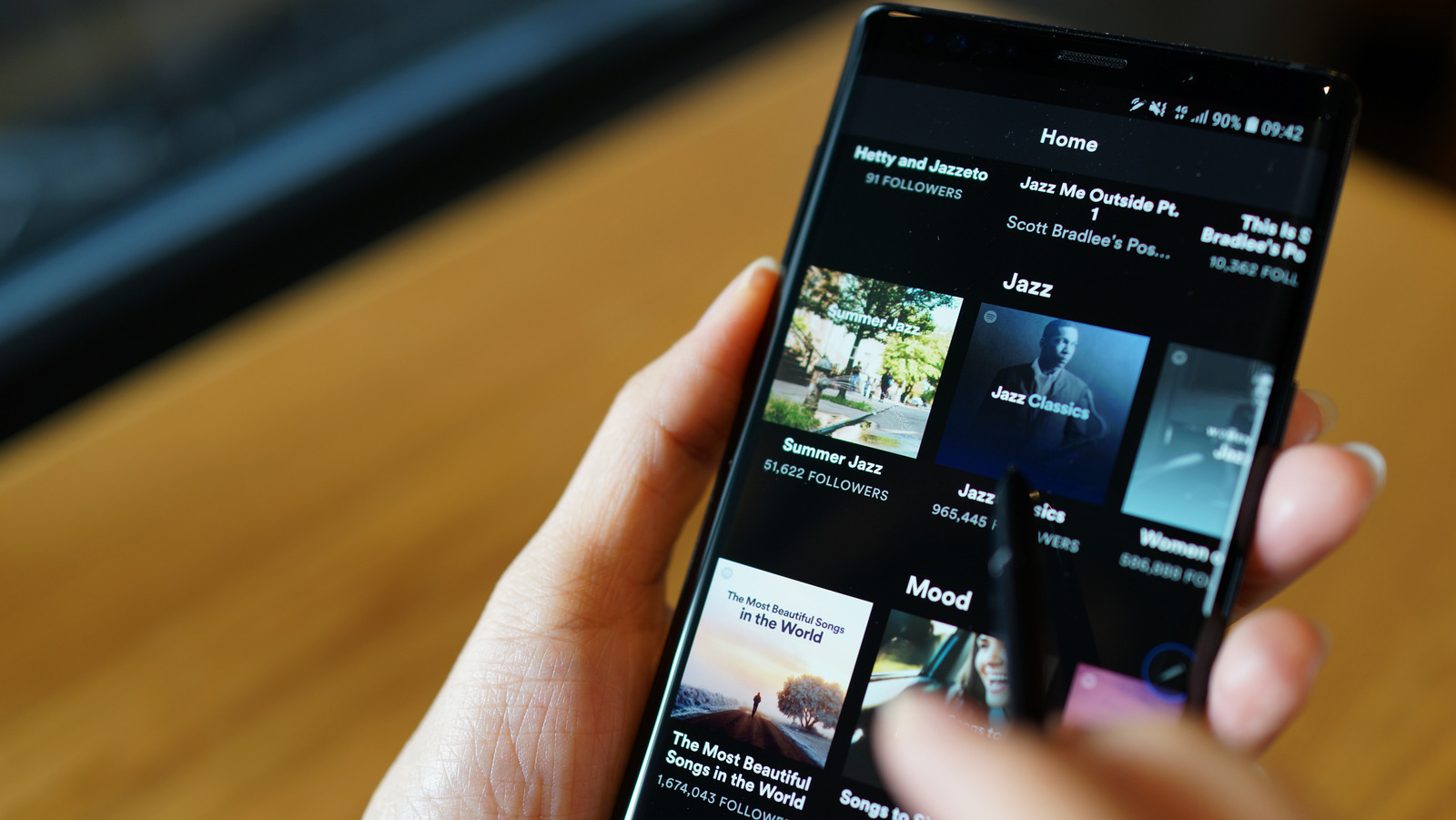
Napster transitioned from a defunct file-sharing service to a legal music streaming app, and now to its current identity as an AI agent platform. This evolution ties its historical role as a music disruptor to its modern role as a platform for AI companions. If you are looking for a music app with robust device support, note that Napster still offers multi-device music functionality across mobile, tablet, desktop, Xbox, Chromecast, TV, and wearables, though its focus has shifted to AI. For those comparing options, Napster’s current music app does not document limits for downloads, offline use, device count, or library size, and it lacks the full set of features you might find in other services, such as Spotify mobile features like curated playlists and podcast integration.
Frequently Asked Questions
Is Napster still a music streaming service?
Yes, Napster still offers a multi-device music app for mobile, tablet, desktop, Xbox, Chromecast, TV, and wearables, but its primary identity is now an AI agent platform.
Can I still download music from Napster for offline listening?
What happened to the original Napster service?
The original peer-to-peer file-sharing service was shut down in 2001 due to copyright infringement lawsuits. The brand was later acquired and relaunched as a legal music streaming service before evolving into its current AI platform.
Does Napster work on Android?
Yes, the January 2026 announcement confirms the app is available worldwide on iOS and Android.
How is Napster different from Spotify?
Napster now emphasizes AI agent capabilities and real-time creation tools, while Spotify focuses on music streaming with features like curated playlists and podcast integration.
Related reading: You Can Video Chat With A ChatGPT AI — Here's What It Looks Like and 15 Best Karaoke Apps That Are Totally Free [Android And iOS].


![15 Best Karaoke Apps That Are Totally Free [Android And iOS]](/wp-content/uploads/2021/01/karaoke-app.jpg)