




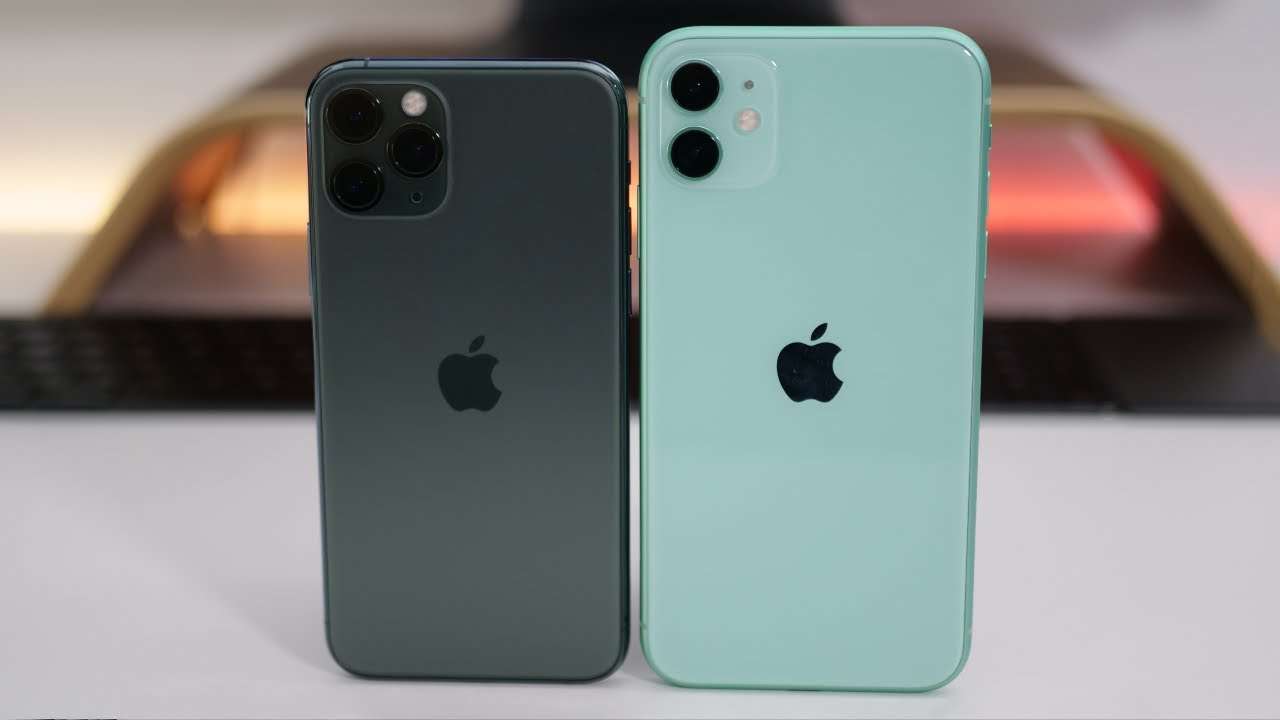
When comparing the iPhone 11 vs iPhone 11 Pro, the core decision comes down to the display and camera: the iPhone 11 Pro offers a superior OLED screen and a Telephoto lens, while the iPhone 11 provides a larger LCD display at a typically lower price. The iPhone 11 Pro is smaller and lighter, built for users who prioritize premium imaging and a compact, pro-grade experience.
iPhone 11 vs iPhone 11 Pro: what's the difference?
The iPhone 11 and iPhone 11 Pro are both powerful smartphones, but they target different priorities. The standard iPhone 11 delivers a large, colorful LCD screen and a versatile dual-camera system, making it an excellent all-around choice. The iPhone 11 Pro steps up with a more vibrant OLED display, a third Telephoto camera for optical zoom, and a stainless steel design that feels more premium. The key differences lie in the display technology, camera setup, and overall build quality.
Display and design
The iPhone 11 features a 6.1-inch Liquid Retina HD LCD display with a 1792-by-828-pixel resolution at 326 ppi. In contrast, the iPhone 11 Pro has a 5.8-inch Super Retina XDR OLED display with a much higher 2436-by-1125-pixel resolution at 458 ppi. The Pro model's OLED panel offers deeper blacks, higher contrast, and better HDR support. The iPhone 11 Pro is also smaller and lighter, with Apple listing it at 5.67 inches tall, 2.81 inches wide, 0.32 inch deep, and 6.63 ounces. This makes the Pro easier to handle with one hand, while the standard iPhone 11 provides a larger screen area for media consumption.
Camera and imaging
The rear camera setup is the most significant hardware distinction between these iPhone models and camera specs. The iPhone 11 has a dual 12MP rear camera system consisting of a Wide and an Ultra Wide lens. The iPhone 11 Pro adds a third lens: a Telephoto camera, giving it a triple 12MP system (Wide, Ultra Wide, and Telephoto). This Telephoto lens is the key differentiator, enabling optical zoom and more creative portrait options that are not possible on the standard iPhone 11. The iPhone 11 Pro offers a ProRAW feature for capturing images in a raw format for greater post-processing control. The iPhone 11 Pro can record 4K video at up to 60 fps on all lenses, while the iPhone 11 records 4K at up to 60 fps but does not specify across all lenses.
Performance and hardware
The iPhone 11 Pro comes with an 18W fast charger included in the box, while the iPhone 11 requires a separate purchase for fast charging. Both models do support a battery health recalibration feature. You can access it by opening the Settings app, then tapping Battery, then tapping Battery Health. This system will recalibrate maximum battery capacity and peak performance capability on both the iPhone 11 and iPhone 11 Pro.
Water resistance
The iPhone 11 Pro is rated IP68, with Apple stating a maximum depth of 4 meters for up to 30 minutes. The iPhone 11 also carries an IP68 rating, though the exact depth and time specifications were not fully documented in the retrieved official snippets.
Which should you buy?
Choose the iPhone 11 Pro if you want the best display and the most versatile camera system, specifically the OLED screen and the Telephoto lens for optical zoom. Choose the iPhone 11 if you prefer a larger 6.1-inch LCD screen, are satisfied with the wide and ultra-wide cameras, and want to save money, the iPhone 11 is often available at a lower price. For context, the standard iPhone 11 was historically considered a top seller, often recognized as the #1 selling phone globally during its launch cycle.
Frequently Asked Questions
Do both phones have the same front camera?
It is safest to assume the front cameras are similar in terms of general functionality like Face ID.
Is the iPhone 11 Pro heavier than the iPhone 11?
No. The iPhone 11 Pro is lighter, weighing 6.63 ounces, while the iPhone 11 is slightly heavier due to its larger aluminum frame. The Pro’s smaller and lighter design can make it more comfortable for extended use.
Does the iPhone 11 have a faster processor than the iPhone 11 Pro?
Given that both launched in the same year, they are widely understood to use the same A13 Bionic chip, but this cannot be confirmed from the official facts available here.