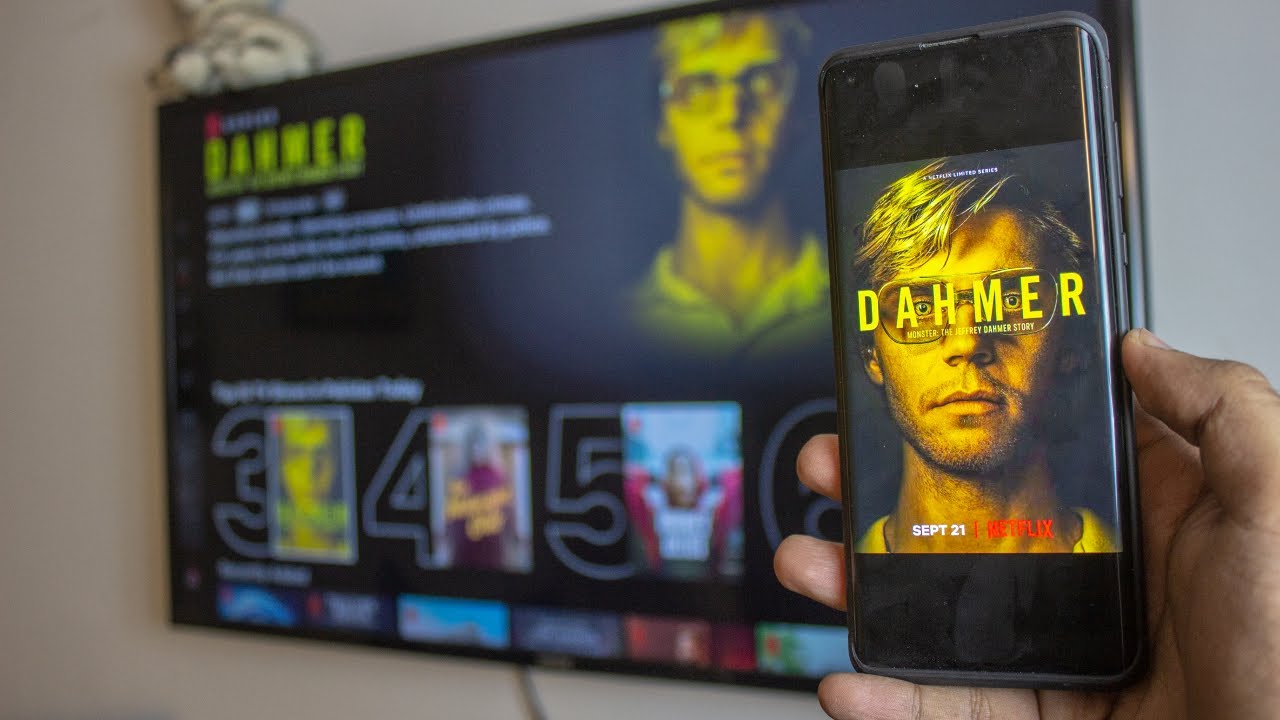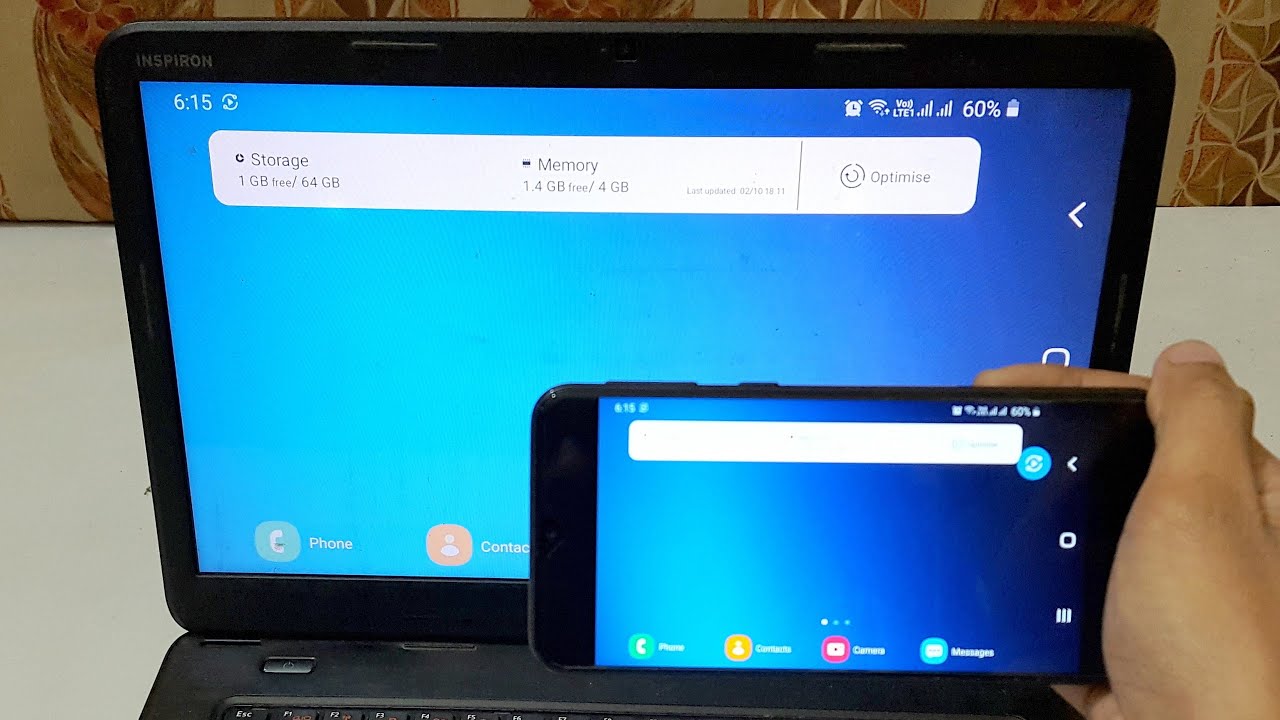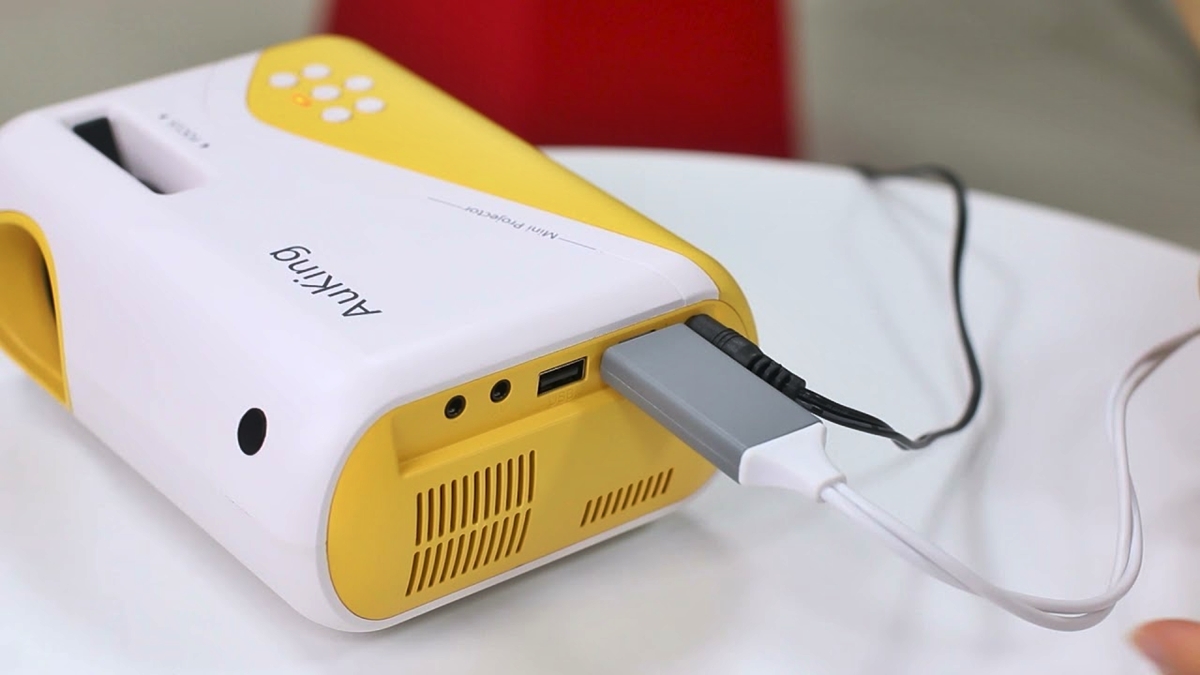




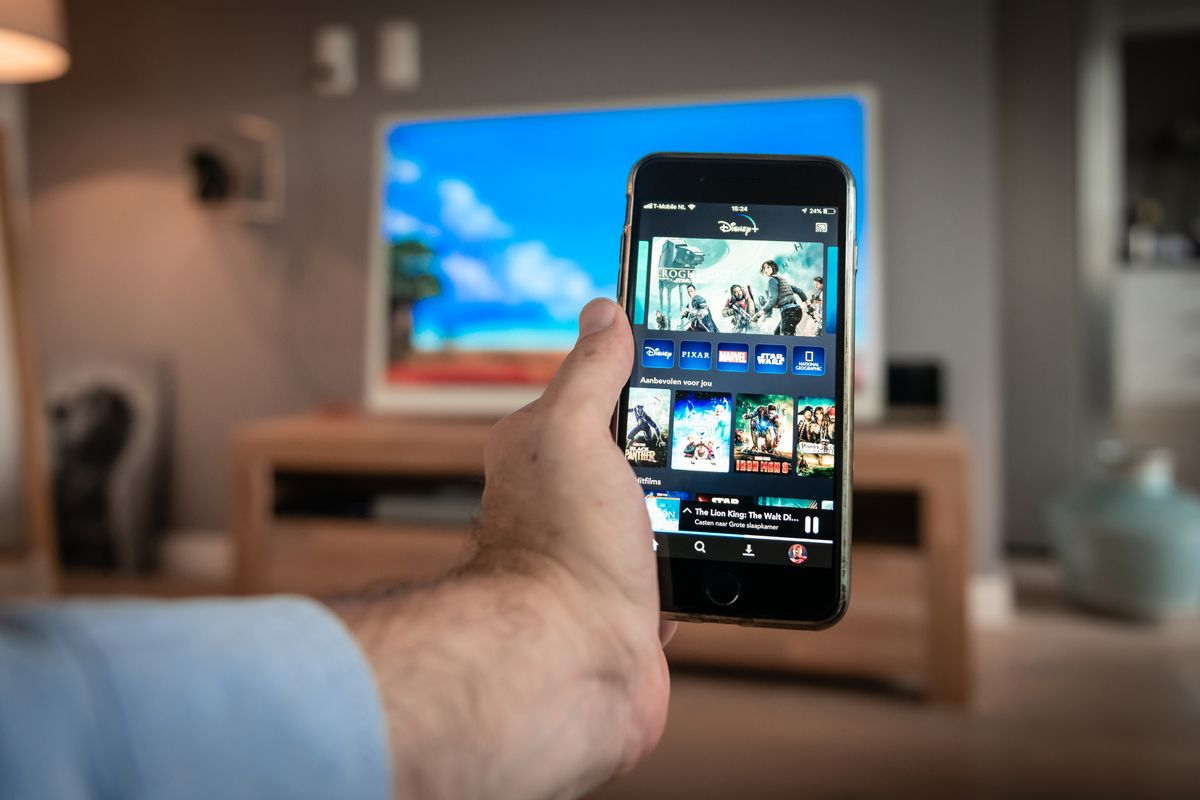
To cast a phone to TV without wifi, the only reliable method is a wired HDMI connection using the correct adapter for your phone. This direct physical link mirrors your phone screen to the TV instantly, bypassing the need for any network, router, or wireless signal.
How to cast a phone to TV without wifi: the only reliable way
There is no wireless method, such as Chromecast, AirPlay, or Miracast, that works without a Wi‑Fi network. The sole verified solution for true no‑Wi‑Fi mirroring is a wired connection using an HDMI cable and the appropriate adapter for your phone. This approach delivers a stable, lag‑free display at up to 1080p HD, making it ideal for casting apps to a TV, watching videos, sharing photos, or playing games on a larger screen.
What you need for a wired connection
Three hardware components are essential for a wired connection:
- A TV, monitor, or projector with an available HDMI port.
- The correct adapter for your phone’s port type (Lightning, USB‑C, or older 30‑pin).
- A standard HDMI cable to connect the adapter to the TV.
The adapter must match your phone’s connector exactly. Apple states the adapter and an HDMI cable are both required. Samsung confirms the USB‑C to HDMI feature is only available on specific Galaxy models.
A power source: Some casting methods, like using a Chromecast device or an MHL cable, may require additional power sources. Ensure that you have access to power outlets near your TV setup.
Content streaming apps: To cast media from your phone to your TV, ensure that you have the relevant streaming apps installed on your phone. Apps like Netflix, YouTube, or any other streaming services you may use should be readily available on your device.
Cast an iPhone to TV with an HDMI adapter
- Connect the correct adapter to your iPhone. Use the Lightning Digital AV Adapter for Lightning‑port iPhones, or the USB‑C Digital AV Multiport Adapter for USB‑C iPhones.
- Plug one end of an HDMI cable into the adapter, and the other end into an available HDMI port on the TV.
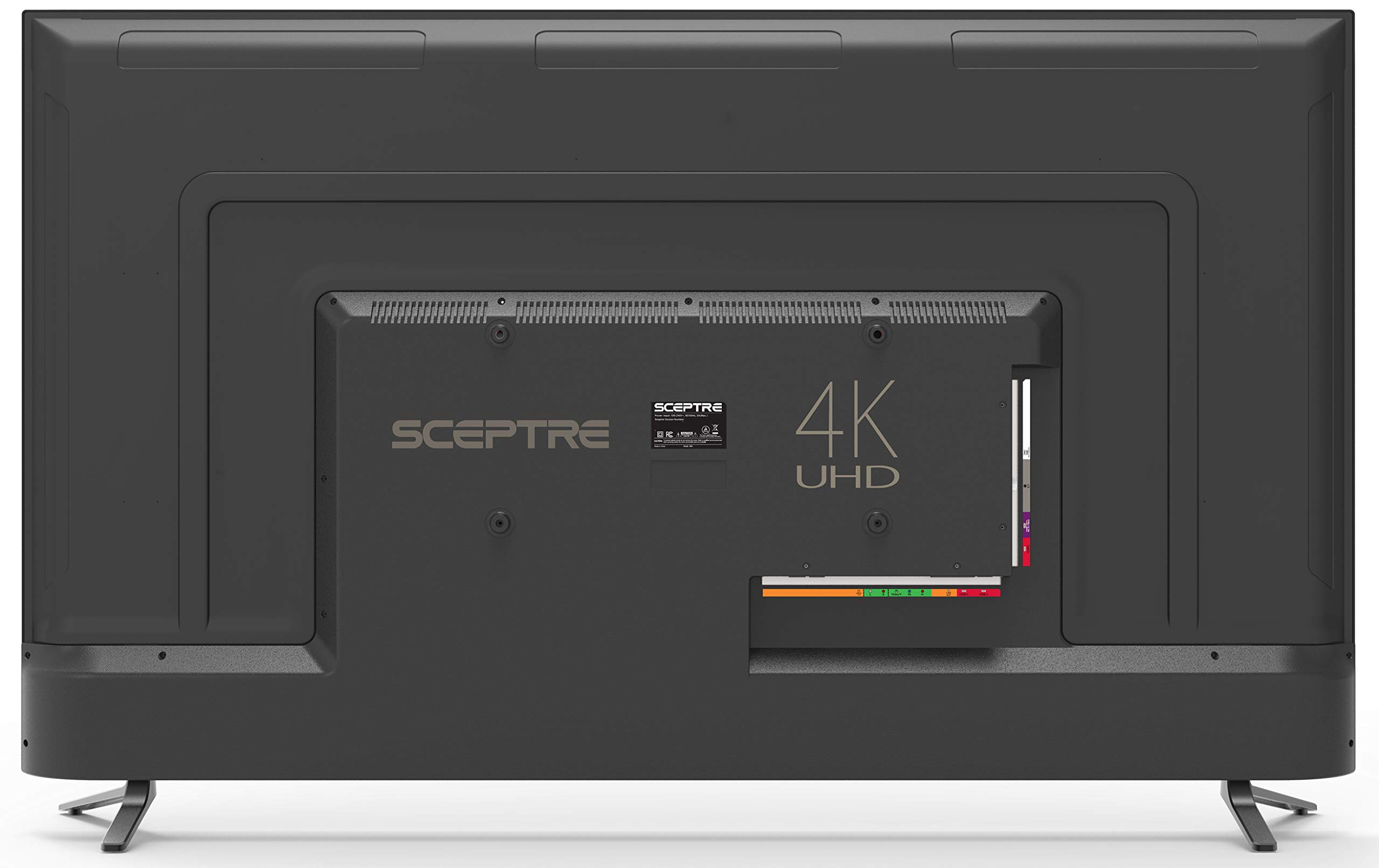
- Set the TV to the matching HDMI input using the TV’s remote or input button.
Mirroring begins automatically as soon as the cable is connected. Apple confirms the Lightning Digital AV Adapter mirrors the iPhone screen, including apps, presentations, websites, and slideshows, in up to 1080p HD. The USB‑C Digital AV Multiport Adapter works the same way for USB‑C iPhones. No on‑phone menu or setup is needed; the mirroring is entirely cable‑based.
For iPhone users, third-party apps may be required to enable casting capabilities.
Cast a Samsung Galaxy phone to TV with an HDMI adapter
- Connect one end of a universal HDMI cable to the HDMI adapter, and the other end to the TV’s HDMI port.
- Select that HDMI input on the TV.
- Connect the Samsung Galaxy device to the HDTV adapter via its USB‑C port.
Samsung states the TV will then mirror exactly what is displayed on the compatible Galaxy device. This method is available only on these Galaxy models: Galaxy S8 and S8+, Note 8, Galaxy S9 and S9+, Galaxy Book, Note 9, Galaxy Tab S4, Galaxy S10 range, Tab S5e, Note 10 range, Tab S6, Galaxy Fold, A90 5G, Galaxy Z Flip, Galaxy Z Fold2, Galaxy Z Fold3, Galaxy Z Fold4, Galaxy S20 range, Galaxy Note20 range, Tab S7 / 7+, Tab S8 / 8+ / S8 Ultra, Galaxy S21 range, Galaxy S22 range, Galaxy S23 range, Galaxy S24 range, and Galaxy S25 range.
Why Chromecast and AirPlay won't work without Wi‑Fi
Apple’s official support page confirms that AirPlay requires the iPhone or iPad and the TV, Apple TV, or Mac to be on the same Wi‑Fi network. Because of this requirement, AirPlay cannot function without Wi‑Fi. Similarly, no current official page from Apple, Google, or Samsung documents a Chromecast method that works without Wi‑Fi. Attempting to use Chromecast or AirPlay in a no‑Wi‑Fi environment will result in failure, making a wired HDMI connection the only practical solution.
You can use your phone's mobile hotspot feature to establish a direct connection between the phone and the Chromecast device, enabling you to cast your phone's screen onto the TV without WiFi.
Troubleshooting your wired TV connection
- Check the adapter connection. Ensure the adapter is firmly seated in your phone’s port. A loose connection can interrupt the signal.
- Select the correct HDMI input. Use the TV remote to cycle through inputs until you see your phone’s screen. Common labels include HDMI 1, HDMI 2, or HDMI ARC.
- Ensure the phone is charged. A low battery can cause the phone to limit power to the adapter, resulting in a flickering or blank display. Charge the phone or connect it to power while mirroring.
- Some older TV models may not support certain casting technologies. Check the device specifications and see if there are any compatibility issues.
- Network Interference: Even without WiFi, other wireless devices or networks in the vicinity can cause interference. If you notice a weak or intermittent connection, try moving your phone and TV away from other devices such as routers, cordless phones, or microwave ovens.
- Power Cycle: If you're experiencing connectivity issues, a simple power cycle can often help. Turn off both your phone and TV, then unplug them from the power source. Wait for a few minutes, plug them back in, and turn them on.
- Device Reset: In some cases, performing a factory reset on your TV or phone can fix casting-related problems. However, keep in mind that this will erase all data and settings on your device, so proceed with caution and backup any important data before proceeding.
- Check Audio and Video Settings: If you're encountering issues with the audio or video quality, check the settings on both your phone and TV. Ensure that the audio output and video resolution settings are properly configured for optimal casting performance.
- Consult Manufacturer's Support: If you've tried all troubleshooting steps and still can't cast your phone to the TV without WiFi, contacting the manufacturer's support team can provide further assistance.
Frequently Asked Questions
Can I use an MHL cable to cast an iPhone without Wi‑Fi?
No. No official Apple support page documents MHL as a current supported method for iPhone. MHL cables are not compatible with Lightning or USB‑C iPhones.
Will a wired HDMI connection drain my phone battery quickly?
Yes, mirroring the screen over HDMI uses more power than normal phone use. For longer sessions, plug your phone into a power source while it is connected to the adapter.
Does the wired method support 4K resolution?
Apple’s Lightning Digital AV Adapter mirrors in up to 1080p HD. For 4K output, you would need a USB‑C Digital AV Multiport Adapter connected to a 4K‑capable TV and a USB‑C iPhone that supports 4K output.
Can I cast a Samsung Galaxy phone that is not on the supported list?
No. Samsung’s support page states the USB‑C to HDMI feature is only available on the specific Galaxy models listed. Unlisted models do not support wired HDMI mirroring.
Do I need to install any apps to use the wired HDMI method?
No. The wired HDMI method is cable‑based and does not require any apps. Mirroring starts automatically when the phone is connected to the TV via the adapter and HDMI cable.
Can I stream videos from my phone to TV without WiFi?
Yes, you can stream videos from your phone to TV without WiFi by using methods like using an HDMI cable or using Chromecast or Miracast as mentioned earlier.
Will casting my phone to TV without WiFi affect the quality of the media?
No, casting your phone to TV without WiFi should not affect the quality of the media being displayed. The content is simply being mirrored from your phone to the TV, so the quality will depend on the resolution and quality of the media on your phone.
Related reading: How To Cast Netflix From A Phone To TV Without WiFi and How To Connect My Phone To My Monitor.