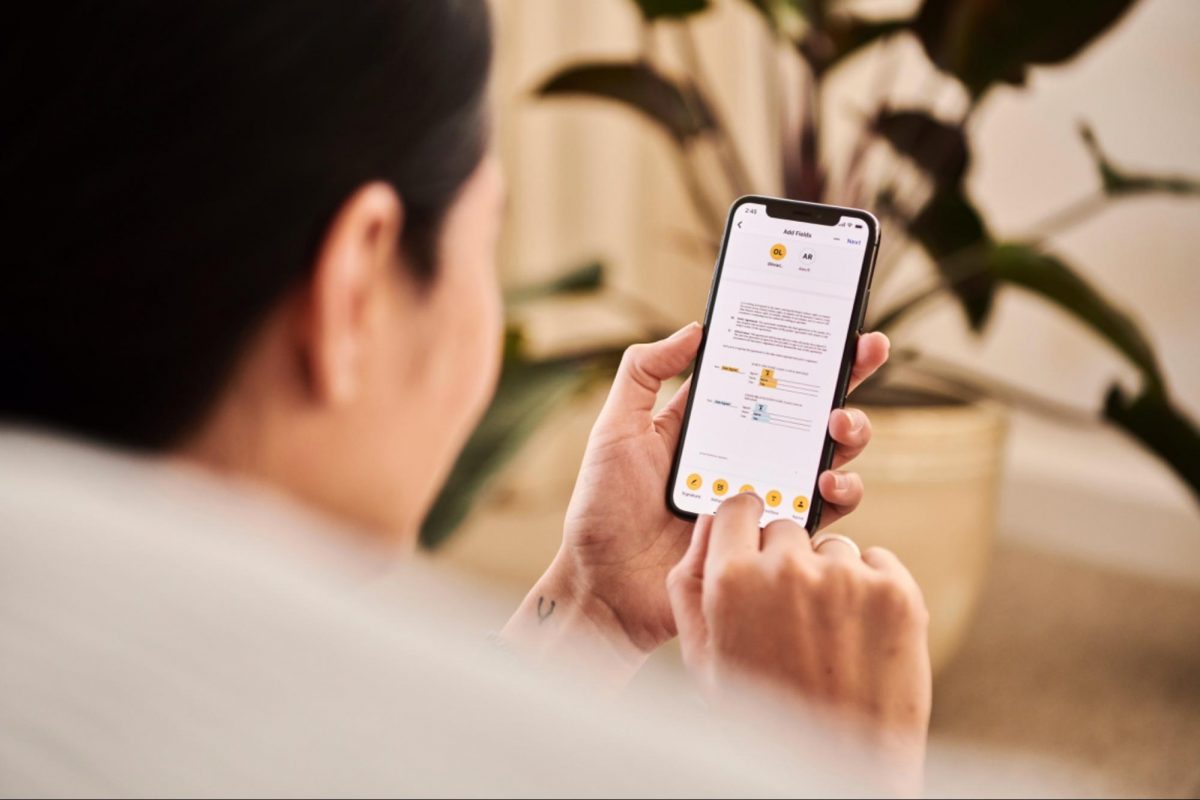





Mobile payment (m-payment) is a way to pay with a phone or other compatible device using a digital wallet such as Apple Pay, Google Wallet, or Samsung Wallet, instead of a physical card. It means storing a payment card in a wallet app and using the device to pay in stores, apps, and on websites where the service is supported.
What is mobile payment (m-payment)?
Mobile payment, or m-payment, replaces physical credit and debit cards by storing their details securely inside a digital wallet on your smartphone. When you check out, you simply hold your phone near the payment terminal or use it within an app or website to complete the transaction. The actual card number is never shared with the merchant, making it a secure and convenient alternative to carrying a wallet.
How mobile payment works on iPhone
Apple Pay requires a compatible device running the latest version of iOS, iPadOS, watchOS, macOS, or visionOS, a supported card from a participating card issuer, an Apple Account signed in on the device, and Face ID, Touch ID, Optic ID, or a passcode set. To add a card, follow these steps:
- Open the Wallet app on iPhone.
- Tap the + button.
- Tap Debit or Credit Card to add a new card.
- Tap Continue.
- Add the card by tapping or holding it close to the iPhone, or tap Enter Card Details Manually.
- If prompted, complete extra authentication with the bank or card issuer.
If there are problems adding a card, contact the card issuer directly.
How mobile payment works on Android
Google Wallet is the default digital wallet on Android. Google says new users may be asked to add a card the first time they open the app. To set it up, open the Google Wallet app and follow these steps:
- Tap Add to Wallet at the bottom.
- Tap Payment card.
- Tap New credit or debit card.
- Add the card with the camera or tap Enter details manually.
- Tap Save and continue.
- Read the issuer terms and tap Accept.
- If verification is required, choose a method from the list.
To enable tap to pay, go to Settings > Connected devices > Connection preferences > NFC and turn it On. Then in the same NFC menu, open Contactless payments and select Google Wallet as the default payment app. Tap to pay also requires a card, a screen lock, a certified device that meets security requirements, and an unlocked phone at payment time.
Setting up Samsung Wallet
On Galaxy phones, Samsung Pay converts into Samsung Wallet during an update. Samsung's Singapore support page says to open Samsung Pay or Samsung Wallet and tap Continue, then update the app to the latest version when prompted. To check for the update, open the Samsung Pay app, tap Menu (the three horizontal lines), then About, then Check for update. If the update is available, Samsung Pay downloads and installs the Samsung Wallet update, and the new Samsung Wallet app opens.
What you can store in a mobile wallet
Beyond payment cards, Apple Wallet supports transit cards, identity cards, custom passes, and flexible payment options. Apple also supports adding identity cards and custom passes in Wallet on iPhone. Google Wallet supports payment cards, passes, and e-money cards. Cards can also be added from some issuer apps or websites using Add to GPay or Add to Google Wallet. This means your phone can replace not just your credit cards but also your transit pass, loyalty cards, and even your driver’s license in supported regions.
Benefits of paying with your phone
Paying with your phone offers convenience by eliminating the need to carry physical cards. Security is built in through encryption and tokenization, meaning your actual card number is never sent to the merchant. Checkout is faster than swiping or inserting a card, and you can also access features like mobile check deposit help (Mobile Check Deposit Guides and Timelines) directly from your banking app without needing a separate device. The combination of speed, security, and flexibility makes mobile payment a practical upgrade for everyday transactions.
Frequently Asked Questions
Is mobile payment safe?
Yes. Mobile payments use tokenization, which replaces your card number with a unique digital token, and biometric authentication like Face ID or fingerprint scanning, making it more secure than using a physical card.
Do I need an internet connection to pay in stores?
No. NFC-based payments in stores work without an internet connection because the transaction is processed between your phone and the payment terminal directly.
Can I use mobile payment outside my country?
Yes, as long as the merchant accepts contactless payments and your card issuer supports international transactions. Digital wallets work the same way abroad as they do at home.
What happens if I lose my phone?
You can use Find My iPhone or Find My Device to remotely lock or erase your phone. Your payment cards can also be suspended through your bank or the wallet app, and the token stored on the device is useless without your biometric or passcode.
Can I add the same card to both Apple Pay and Google Wallet?
Yes, you can add the same card to multiple devices and wallets. Each device gets its own unique Device Account Number, so the card issuer treats them as separate secure tokens.